That is 0 articles you have read today.
The Aporia is free and carries no advertising, so readers are the only
thing paying for it. If you are getting this much out of it, a small
donation is what keeps it independent.
Daily limit reached
You have read 0 articles today.
That is more than the 15 a day The Aporia gives away,
and well past what it can carry on nothing. Your allowance resets at
midnight.
There is no advertising here and nothing about you is sold, so readers
are the only thing paying for it. If the site is worth this much of
your day, it is worth a few dollars.
Everything else stays open: the
maps, the
directory and
search do
not count against this, and neither does re-opening something you have
already read today.
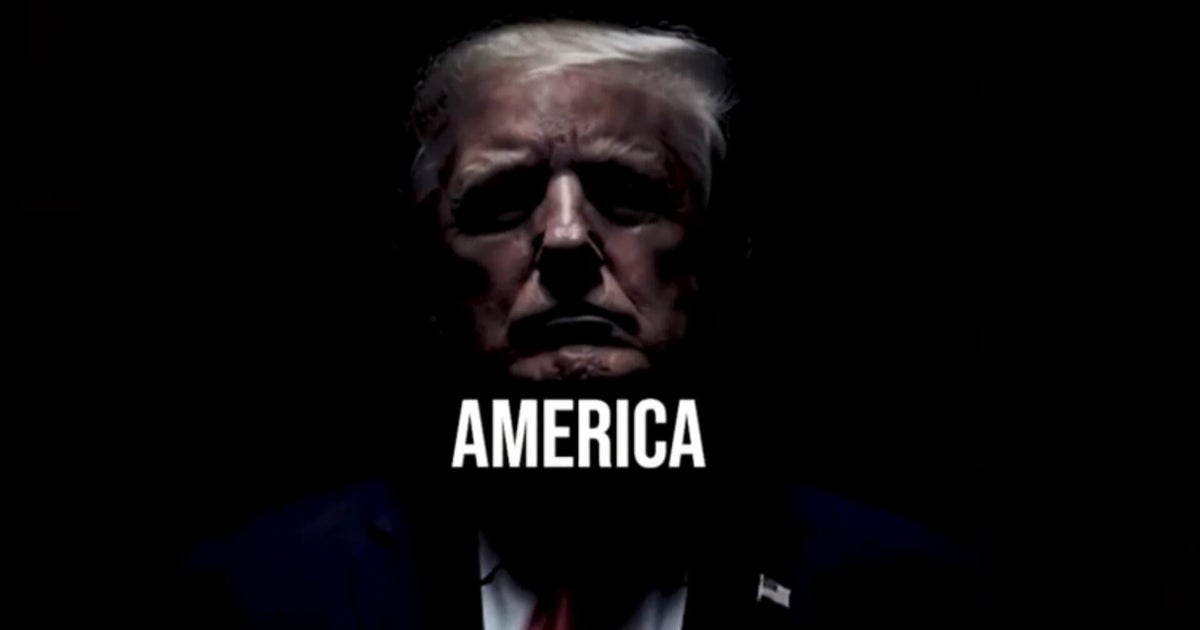
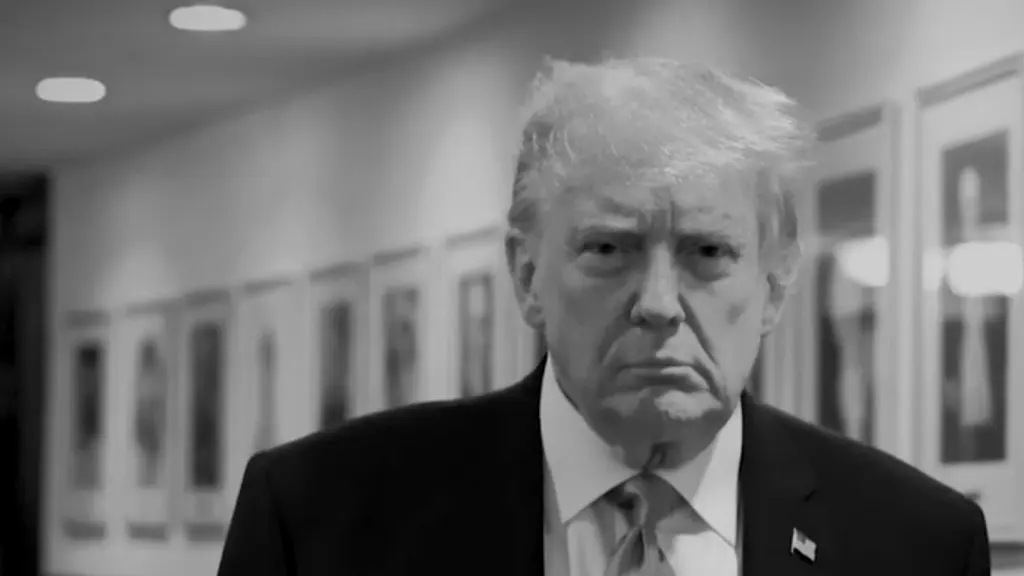
Democratic representatives Jamie Raskin and George Whitesides sent a letter on Wednesday to watchdog agencies requesting investigations into recent pro-Trump government-funded ads, costing over $1.5 million since last week. They argue that these advertisements violate federal statutes regarding propaganda, political activities by executive branch employees, unauthorized use of public funds, and budget appropriations. Critics from both parties have condemned the ads as inappropriate uses of taxpayer money for what appear to be politically motivated messages, while the White House defends them as patriotic public service announcements unrelated to politics.
Written locally by qwen2.5:14b on 2026-10-01,
using this article's own text rather than the other coverage of the
same event (that is the story summary below).
Story summary
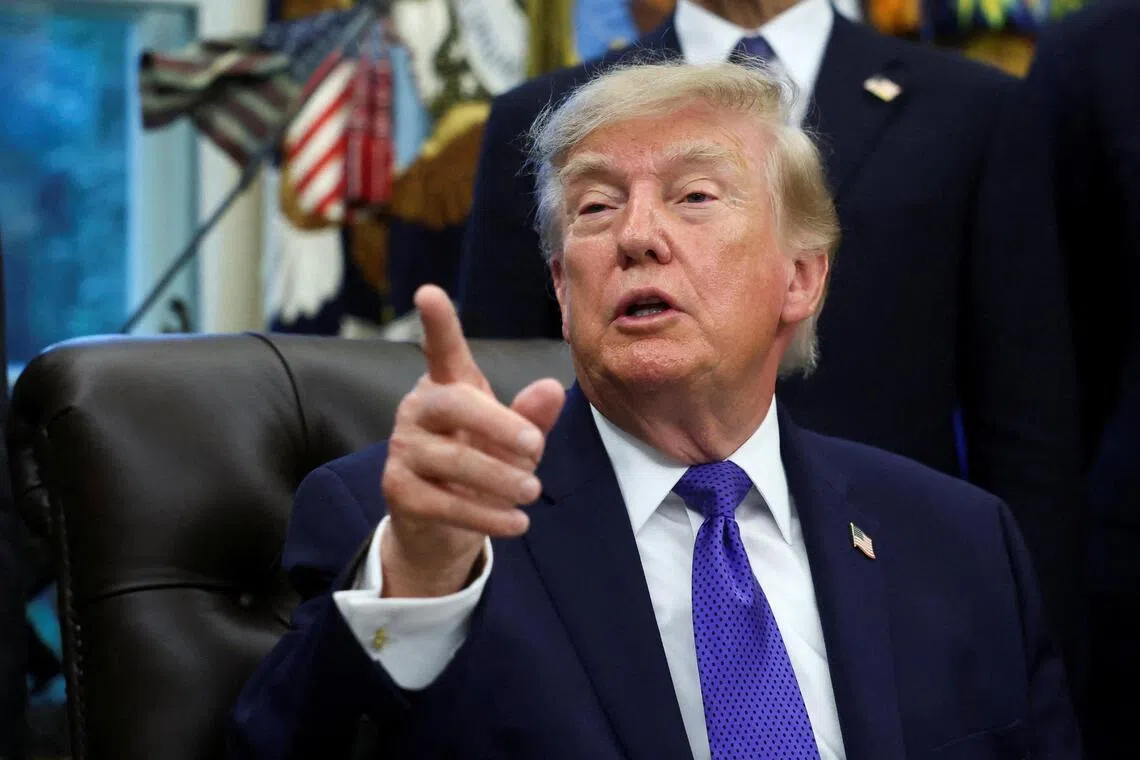
Jamie Raskin, the ranking member of the House Judiciary Committee, demanded a probe into President Trump's taxpayer-funded ads. Along with Rep. George Whitesides, Raskin wrote to the Government Accountability Office and the Office of Special Counsel requesting an investigation. The ads in question are airing on TV and have been described as "public service announcements" by a White House spokesperson, who claimed they aim to remind Americans about patriotism and national defense.
The Democrats argue these advertisements are illegal under federal statutes, including laws against using public money for government propaganda and the Hatch Act, which restricts executive branch employees from engaging in political activities. Raskin asserts that the ads constitute an illegal misuse of taxpayers' funds.
Written for “Trump Ads Investigation” on 2026-10-05,
grounded in this article and the 0 other(s) covering the same event.
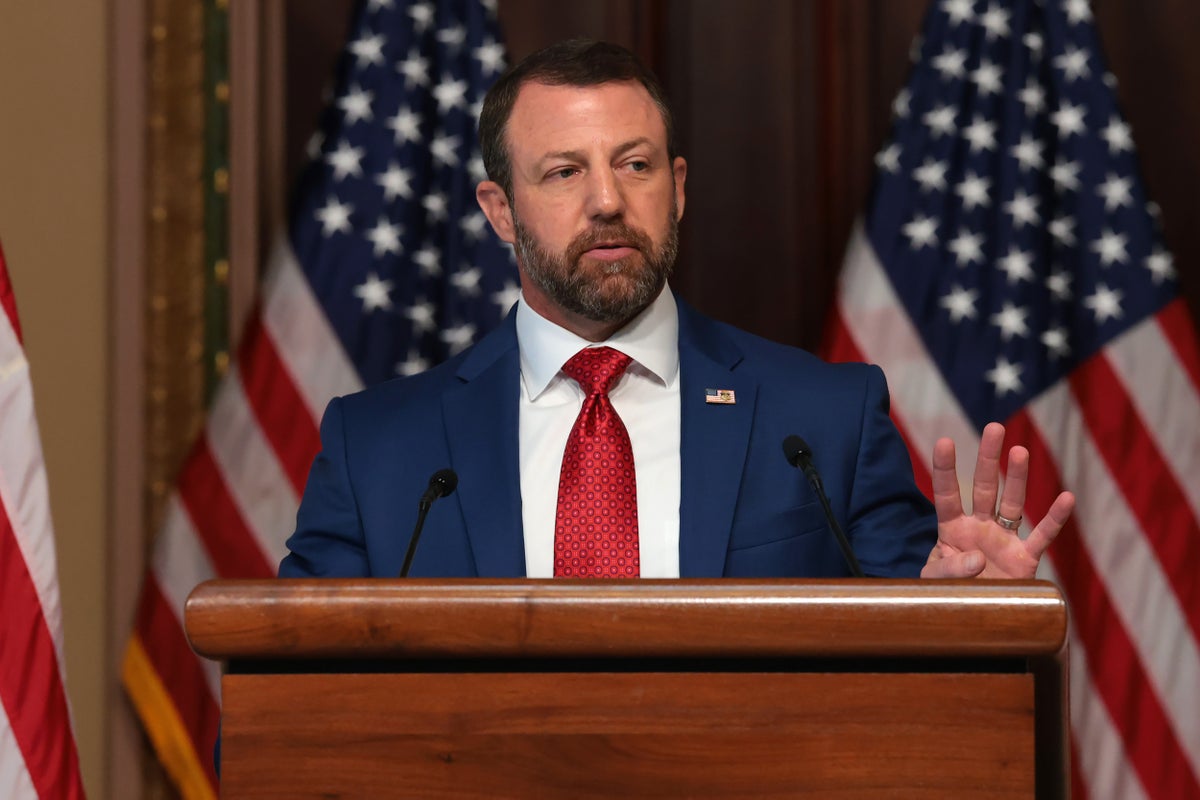
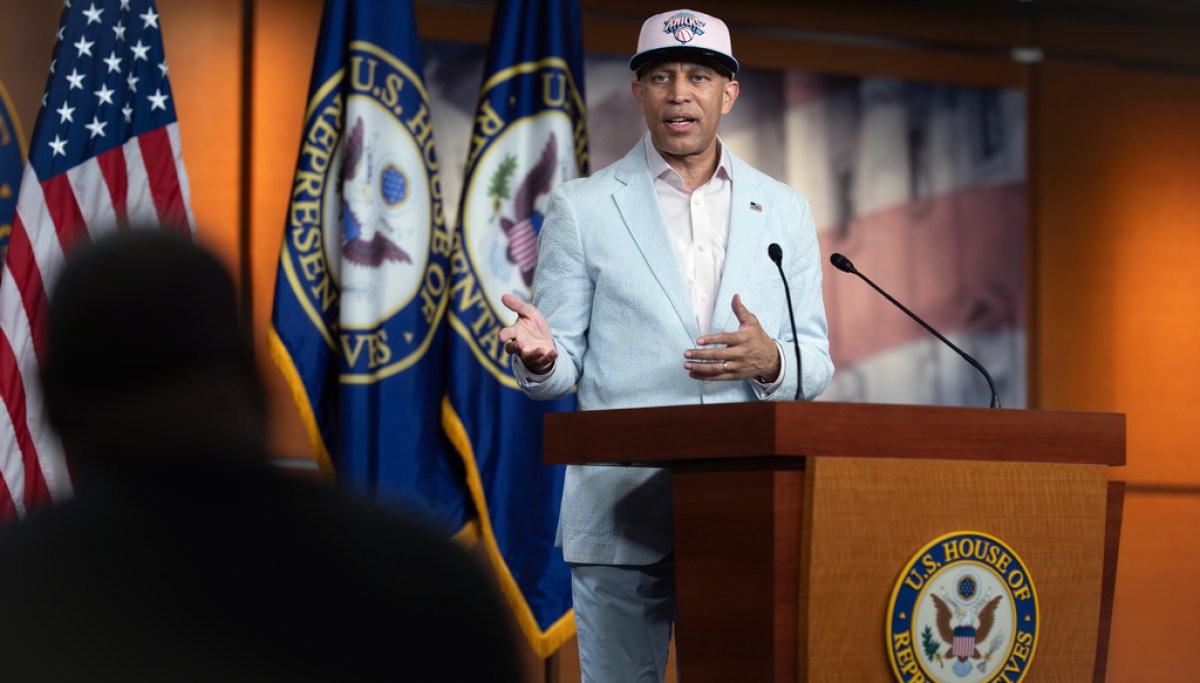
House Judiciary ranking member Jamie Raskin (D-MD) sent a letter Wednesday to U.S. watchdog and investigative agencies requesting two investigations into the Trump administration advertisements paid for by taxpayer dollars.
asserted
Raskin → send → dollars
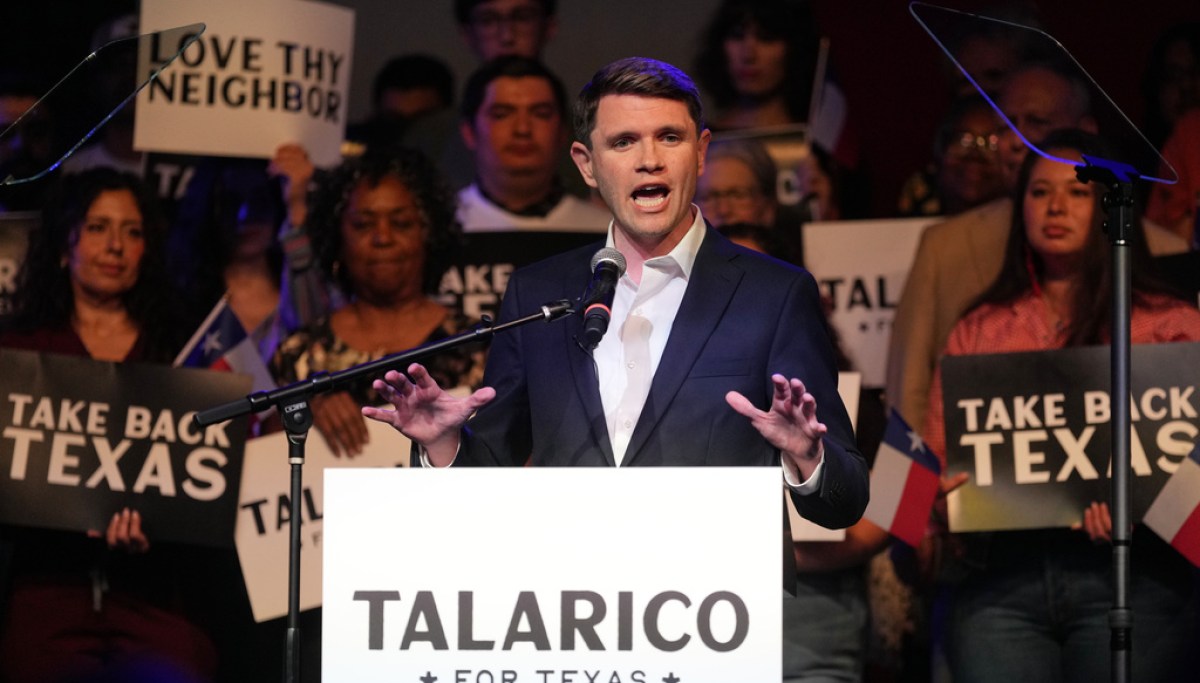
Raskin, along with Rep. George Whitesides (D-CA), asked the Government Accountability Office, the government watchdog, and the Office of Special Counsel to launch investigations into three pro-Trump government-funded ads that recently began airing on TV.
asserted
that → ask → TV
“President Trump is obviously desperate for the American people to ‘love’ him, a problem that goes beyond your jurisdiction,” the two members wrote.
asserted
members → love → jurisdiction
“But stealing taxpayer dollars to pay for Mr. Trump’s narcissistic ego trips is plainly illegal.
asserted
stealing → steal → trips
Your agencies have an important responsibility to hold accountable members of his Administration who violate the laws and policies under your purview.”
asserted
who → have → purview
The letter outlines four ways the ads allegedly violate federal statutes, including a law that prohibits the use of public money for government propaganda; the Hatch Act, which prohibits executive branch employees from engaging in “pernicious” political activities; and federal law prohibiting the use or conversion of public funds to which someone is not entitled.
uncertain
someone → outline → which
The fourth alleged violation points to a law that bars the government from spending more money on an “expenditure or obligation” than the amount that has been appropriated by Congress.
asserted
that → point → Congress
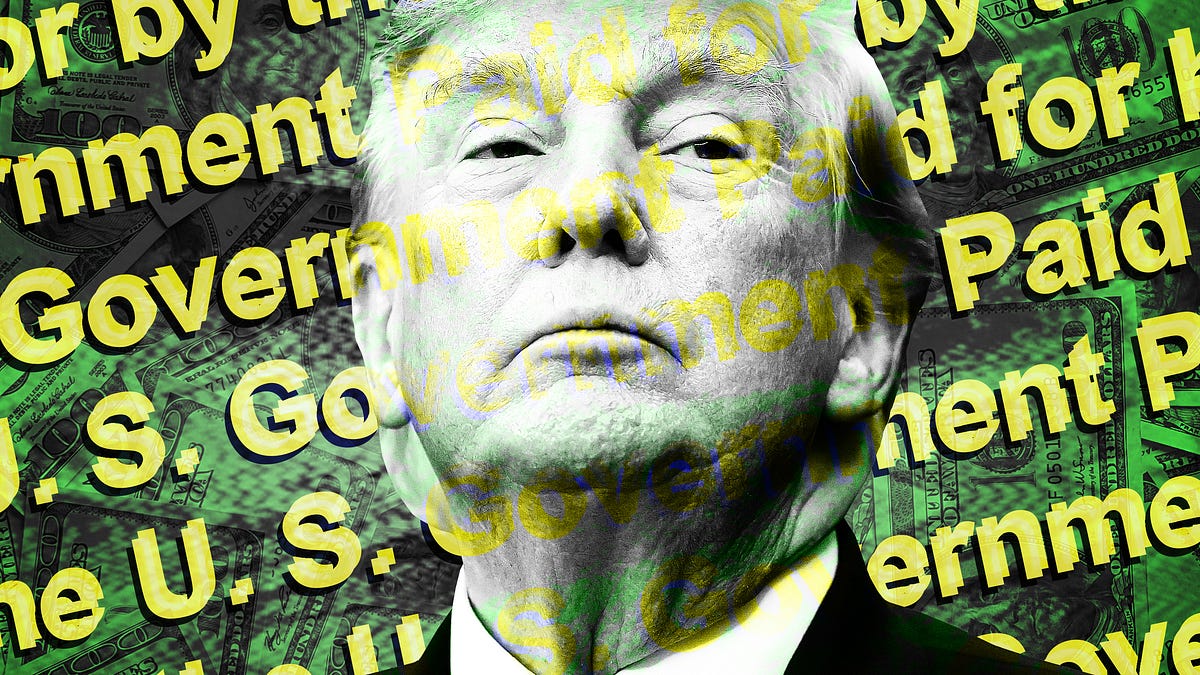
The White House released U.S. government-funded political ads, spending more than $1.5 million on them since last week, according to AdImpact.
uncertain
House → release → AdImpact
The advertising campaign has drawn criticism from those on the Left and the Right, who chided the administration for using taxpayer dollars for ads that appear political in nature.
asserted
that → draw → nature
“This is the sort of government propaganda one might expect in North Korea, not the United States of America, and it is an egregious and utterly illegal misuse of Americans’ hard-earned tax dollars,” Sens. Patty Murray (D-WA) and Jack Reed (D-RI) and Reps. Rosa DeLauro (D-CT) and Steny Hoyer (D-MD) wrote in a letter to White House chief of staff Susie Wiles.
uncertain
Murray → expect → Wiles
Sen. John Kennedy (R-LA) told CBS over the weekend that “no public official including President Trump or Kristi Noem or John Kennedy, should spend public money on private ads for themselves.”
asserted
official → tell → themselves
A White House spokesperson denied they were political ads, calling them instead “public service announcements” and adding they are “educational and unapologetically patriotic.”
“These public service announcements are about reminding Americans to love their country and understand what makes it worth defending, at home, at our borders, and abroad,” the spokesperson said.
asserted
spokesperson → deny → borders
Raskin’s letter pushed back on the sentiment that the ads were public service announcements, saying “nearly every claim uttered in these ads is false,” pointing to one ad that claimed Trump revived American manufacturing.
uncertain
Trump → push → manufacturing
The Washington Examiner reached out to the GAO, OSC, and the White House for comment.
asserted
Examiner → reach → comment
 The Aporia