The Aporia
The Aporia
The Aporia
The Straits Times. (2026, September 5). Top US military officials face lie-detectors in hunt over classified stockpiles leak: Reports. The Straits Times. https://www.straitstimes.com/world/united-states/top-us-military-officials-face-lie-detectors-in-hunt-over-classified-stockpiles-leak-reports
The Straits Times. “Top US military officials face lie-detectors in hunt over classified stockpiles leak: Reports.” The Straits Times, 5 Sept. 2026, https://www.straitstimes.com/world/united-states/top-us-military-officials-face-lie-detectors-in-hunt-over-classified-stockpiles-leak-reports.
The Straits Times. “Top US military officials face lie-detectors in hunt over classified stockpiles leak: Reports.” The Straits Times, September 5, 2026. https://www.straitstimes.com/world/united-states/top-us-military-officials-face-lie-detectors-in-hunt-over-classified-stockpiles-leak-reports.
Dated when The Aporia collected the article, usually within hours of publication. Check the original for its exact date and byline.
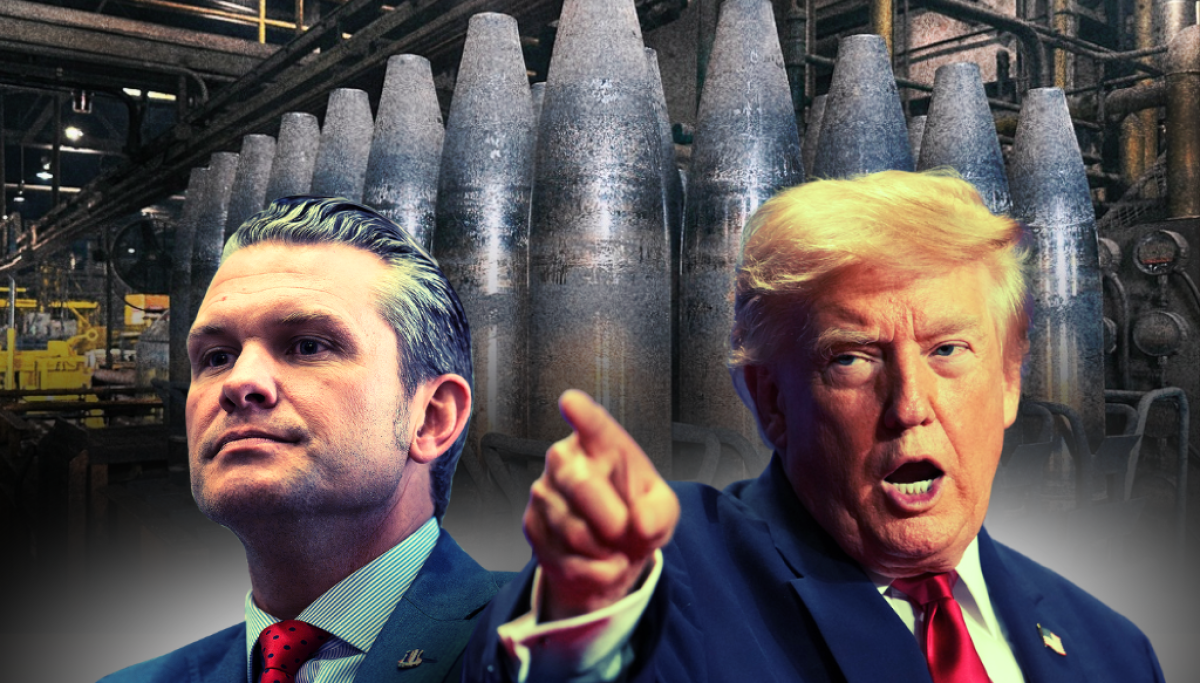
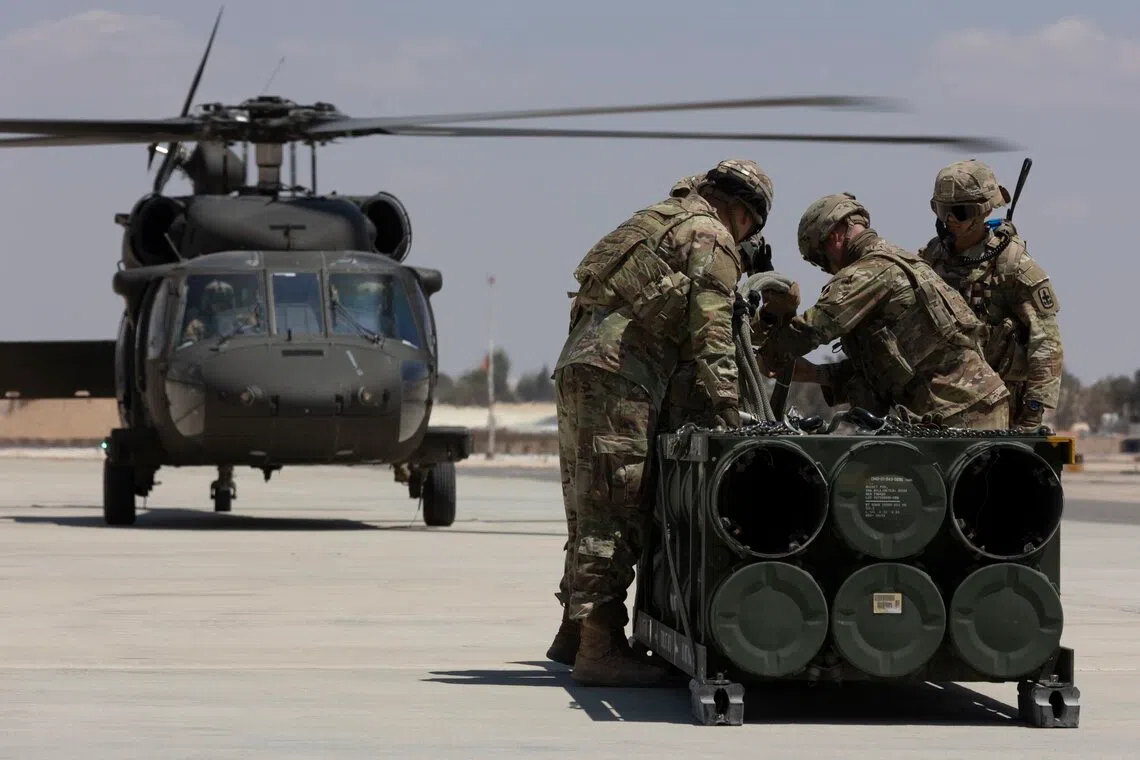
About 50 members of the US military's Joint Staff, including high-ranking officials and civilian employees, were subjected to polygraph tests in August as part of an investigation into leaks about the country's munitions stockpiles. The polygraphs were conducted after news reports revealed that the US was rationing munitions, particularly long-range missiles and Patriot interceptors, due to supply concerns amid the war with Iran. President Trump had previously denied the reports, saying the US has a "lot of ammunition" but acknowledging a need for more sophisticated supplies.
The investigation is part of a larger effort by the Pentagon and Justice Department to identify and prosecute people suspected of leaking sensitive government information to the press. The use of polygraph tests in this case was rare, with officials noting that only a small number of people have access to classified information about munitions stockpiles. No one failed the questions related to the leaks, according to sources.
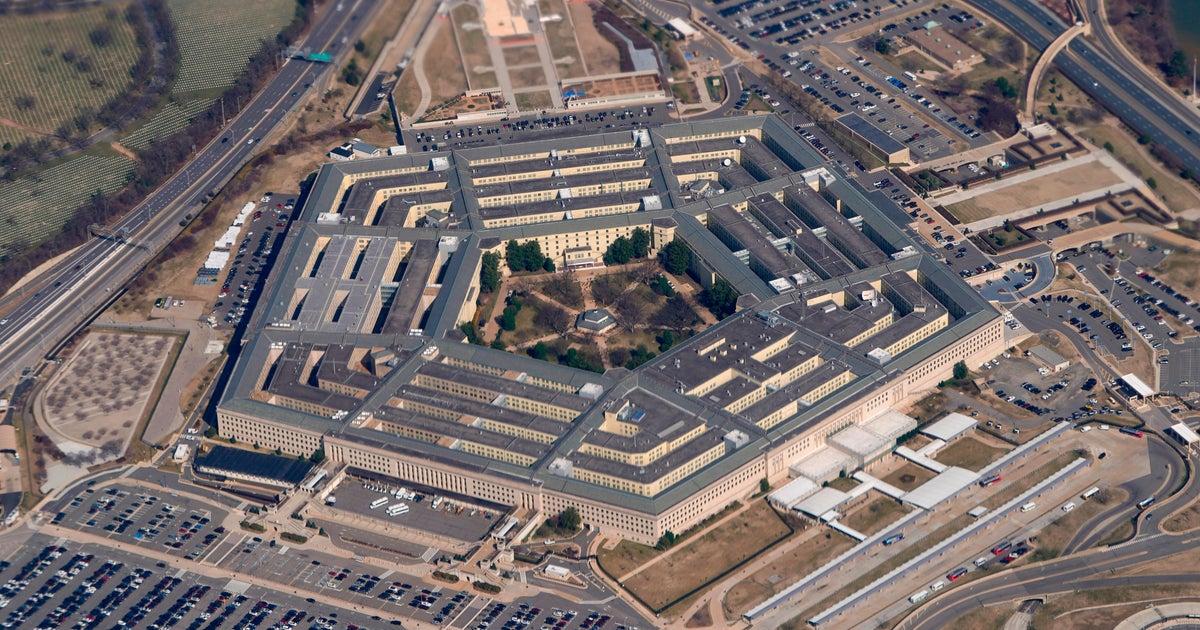
The move has been seen as an attempt to intimidate others who might consider leaking sensitive information in the future. The Joint Staff is responsible for coordinating operations and policy with combatant commanders around the world, making it a critical component of the US military's planning and advisory structure.