‘Treasonous’: Pentagon forces staff to take polygraphs in hunt for leaks to journalists

Read the original at The Sydney Morning Herald ↗
Cite

Swan, J., Entous, A., Haberman, M., & Schmitt, E. (2026, September 5). ‘Treasonous’: Pentagon forces staff to take polygraphs in hunt for leaks to journalists. The Sydney Morning Herald. https://www.smh.com.au/world/north-america/treasonous-pentagon-forces-staff-to-take-polygraphs-in-hunt-for-leaks-to-journalists-20260905-p60upv.html?ref=rss&utm_medium=rss&utm_source=rss_feed

Dated when The Aporia collected the article, usually within hours of publication. Check the original for its exact date and byline.

The Sydney Morning Herald · collected 2026-09-05 · by Jonathan Swan, Adam Entous, Maggie Haberman, Eric Schmitt

Quick Summary

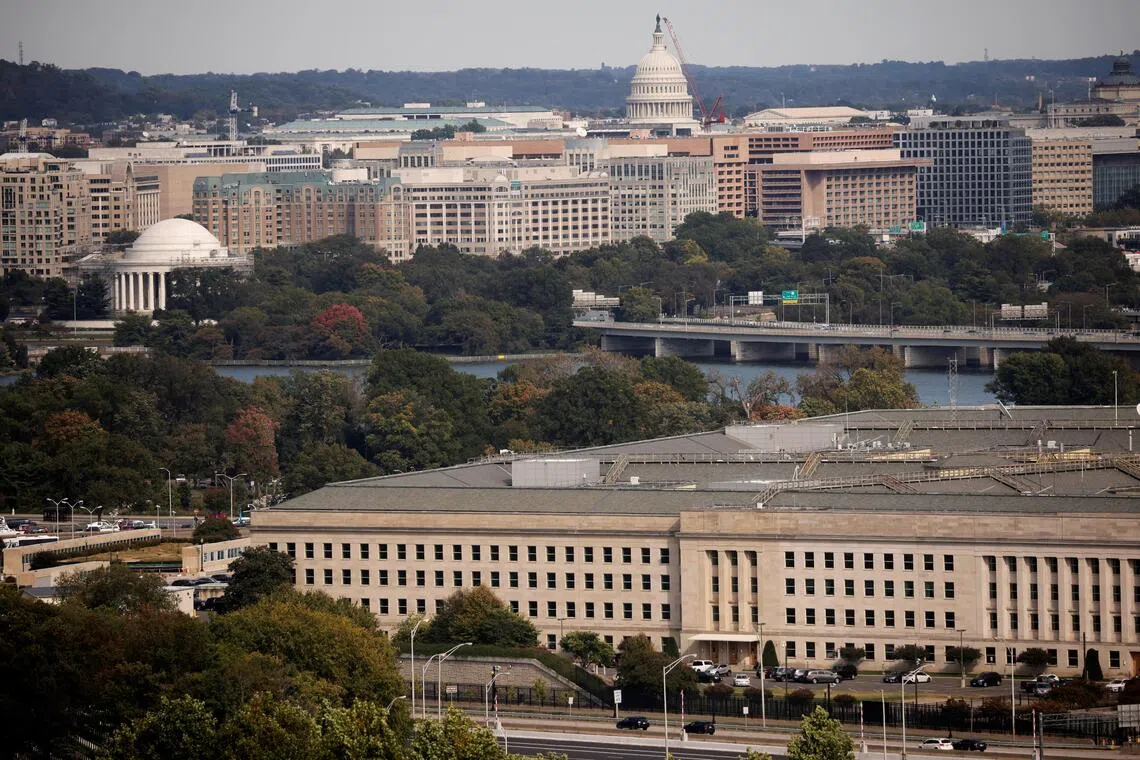
US government investigators have subjected around 50 members of the US military's Joint Staff to polygraph tests in an effort to identify leaks to journalists. The tests were conducted in August and focused on whether staff had disclosed classified information about the Iran war, including a shortage of crucial munitions. Between 1500 and 2000 officers and officials work for the Joint Staff. Pentagon spokesperson Sean Parnell said the department "takes all leaks of classified national security information extremely seriously" but does not comment on internal personnel or investigative matters.
Written locally by qwen2.5:14b on 2026-09-05, using this article's own text rather than the other coverage of the same event (that is the story summary below).

AI analysis runs on qwen2.5:14b, locally

Story summary

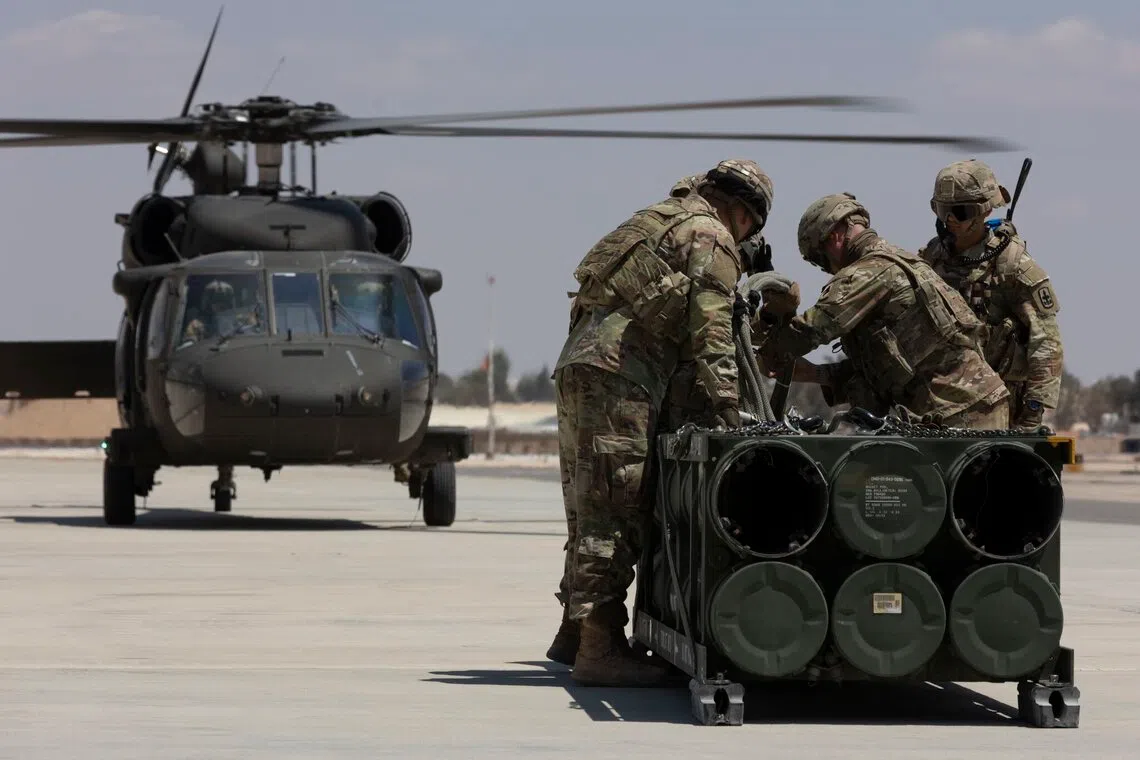
About 50 members of the US military's Joint Staff, including high-ranking officials and civilian employees, were subjected to polygraph tests in August as part of an investigation into leaks about the country's munitions stockpiles. The polygraphs were conducted after news reports revealed that the US was rationing munitions, particularly long-range missiles and Patriot interceptors, due to supply concerns amid the war with Iran. President Trump had previously denied the reports, saying the US has a "lot of ammunition" but acknowledging a need for more sophisticated supplies.

The investigation is part of a larger effort by the Pentagon and Justice Department to identify and prosecute people suspected of leaking sensitive government information to the press. The use of polygraph tests in this case was rare, with officials noting that only a small number of people have access to classified information about munitions stockpiles. No one failed the questions related to the leaks, according to sources.

The move has been seen as an attempt to intimidate others who might consider leaking sensitive information in the future. The Joint Staff is responsible for coordinating operations and policy with combatant commanders around the world, making it a critical component of the US military's planning and advisory structure.

Written for “Pentagon Leaks Investigation” on 2026-10-21, grounded in this article and the 8 other(s) covering the same event.

Story

📰 Pentagon Leaks Investigation
Crime & Law · 9 article(s) covering the same event. Compare every outlet's account →

Compared with similar articles

This article reads unscored and hedges 12% of its claims. Each row says how that neighbour differs.
The Straits Times · 0.91 cosine similarity
⚖️ Centre 🔴 33% hedged 1 of 3 📰 publisher trust 60
“Both articles describe the exact same incident, including the number of people involved (50 members of the Joint Staff), the type of test used (polygraph tests), and the reason for it (leaks to journalists about the Iran war). The only difference is in the phrasing and minor details.”
TIME · 0.89 cosine similarity
⚖️ leaning not scored 🔴 14% hedged 10 of 69 📰 publisher trust 59
“Both articles report on the same incident: the Pentagon's administration of polygraph tests to military officers and civilian employees in August 2026 as part of an investigation into leaks to journalists about US munitions stocks.”
New York Post · 0.88 cosine similarity
⚖️ Centre 🔴 33% hedged 4 of 12 📰 publisher trust 66
“Both articles report on the same occurrence: approximately 50 members of the Joint Staff being polygraphed in August 2026 as part of an investigation into leaks about the Iran war and munitions stockpile.”
Dawn · 0.87 cosine similarity
⚖️ Leans left 🔴 7% hedged 1 of 14 📰 publisher trust 72
“Both articles report on the same Pentagon investigation, using polygraph tests to identify leakers about US munitions stockpiles and the Iran war, with identical details such as dates and events.”
Washington Examiner · 0.87 cosine similarity
⚖️ leaning not scored 🔴 42% hedged 5 of 12 📰 publisher trust 66
“Both articles report on the exact same event: the Pentagon subjecting approximately 50 members of the US military's Joint Staff to polygraph tests in August 2026 as part of an investigation into leaks about munition shortages related to the war with Iran.”
The Department of Defensiveness same event · 100%
The Dispatch
⚖️ Leans left 🔴 0% hedged 0 of 2 📰 publisher trust 61
“Both articles report on the Pentagon's investigation into leaks to journalists, specifically mentioning the use of polygraph tests for Joint Staff members and the context of the Iran war.”
The Straits Times
⚖️ Centre 🔴 9% hedged 1 of 11 📰 publisher trust 60
“Both articles report on the same occurrence: the US military's use of polygraph tests to investigate leaks about classified munitions stockpiles, specifically mentioning the Iran war and diminished US munitions stocks.”
CBS News
⚖️ Leans right 🔴 14% hedged 5 of 36 📰 publisher trust 66
“Both articles mention polygraph tests for military officials, and both reference leaks about US munitions stocks, on the exact same date (2026-09-05)”
CBS News
⚖️ leaning not scored 🔴 6% hedged 1 of 18 📰 publisher trust 66
“Article A mentions polygraph tests as a response to leaks, while Article B discusses an alleged investigation led by Defense Secretary Pete Hegseth, indicating two separate responses to potentially related but distinct incidents”
The Intercept
⚖️ leaning not scored 🔴 7% hedged 8 of 107 📰 publisher trust 97
“Article B refers to the sanctions against a collective on August 26, while Article A mentions polygraph tests in August but does not specify a particular date or target”
How this article was measured signals, leaning charts, publisher record, byline, topics and claims

Signals How these are calculated →

Claims extracted
24
sentences that state something as happening or true
Uncertain
12%
3 of 24 hedged ("reportedly", "may", "according to")
Leaning
withheld
no quote in the article backed the model's score
Publisher signals
61/100
The Sydney Morning Herald's corrections and hedging, across everything collected from it. Not a measure of accuracy.
Outlets on this story
9
Crime & Law
Same framing elsewhere
1
articles that frame the event the way this one does
Analyzed 2026-09-05 · how these are computed

How this is being covered How these are calculated →

Article leaning vs. publisher reliability
Source leaning vs. consistency

Publisher

The Sydney Morning Herald · 4439 article(s) · 11 correction(s) detected
Running correction rate · 11 correction(s)

Who wrote this

Jonathan Swan
2 article(s) here · 1 carrying a prediction
🔮 President Donald Trump made clear in the past week that he views fears that artificial intelligence could lead to mass extinction as a “HOAX”, and that he sees opponents of data centres as people who “want to end up being backwards and poor”.
2026-09-19 · assertive framing · Trump’s love of AI is more complicated than it looks
🔮 The show of force appeared aimed at not just ferreting out anyone who may have shared information, but intimidating others who might do so in the future, according to people with knowledge of the effort.
Also by Jonathan Swan
Trump’s love of AI is more complicated than it looks
2026-09-19 · The Sydney Morning Herald
Nothing else under this byline is closely related to this article, so these are simply their most recent.
Adam Entous
1 article(s) here · 1 carrying a prediction
🔮 The show of force appeared aimed at not just ferreting out anyone who may have shared information, but intimidating others who might do so in the future, according to people with knowledge of the effort.
The only article under this byline in the corpus.
Maggie Haberman
1 article(s) here · 1 carrying a prediction
🔮 The show of force appeared aimed at not just ferreting out anyone who may have shared information, but intimidating others who might do so in the future, according to people with knowledge of the effort.
The only article under this byline in the corpus.
Eric Schmitt
2 article(s) here · 1 carrying a prediction
🔮 The show of force appeared aimed at not just ferreting out anyone who may have shared information, but intimidating others who might do so in the future, according to people with knowledge of the effort.
Also by Eric Schmitt
Nothing else under this byline is closely related to this article, so these are simply their most recent.

Topics

Iran Joint Staff Pentagon Washington the Joint Staff

Subjects

Pentagon ORG · 7× Iran GPE · 4× Hegseth PERSON · 3× the Joint Staff ORG · 2× Donald J. Guter PERSON · 1× Joint Staff ORG · 1× Navy ORG · 1× Sean Parnell PERSON · 1× Washington GPE · 1× the United States GPE · 1×

Narrative

Recently, some Republicans on Capitol Hill have begun publicly voicing criticism of the Pentagon secretary, saying he is mistreating top officials. “I have never witnessed more inept management of the brave men and women who serve our country,” Republican Senator Thom Tillis, a member of the Senate Armed Services Committee, wrote in a social media post this week, calling on Trump to replace Hegseth.
framing: assertive · carried by 1 article(s) · first seen 2026-09-05
🔮 The show of force appeared aimed at not just ferreting out anyone who may have shared information, but intimidating others who might do so in the future, according to people with knowledge of the effort.
2026-09-05 · The Sydney Morning Herald
‘Treasonous’: Pentagon forces staff to take polygraphs in hunt for leaks to journalists · assertive framing

Claims (24 extracted, 3 hedged)

US government investigators have taken the extraordinary step of subjecting about 50 members of the US military’s Joint Staff to polygraph tests over leaks to journalists, including about how the Iran war has created a shortage of crucial munitions, according to officials briefed on the move. uncertain
war → take → move
The investigators asked military officers and civilian employees on the Joint Staff if they disclosed classified information to members of the press, and about whether they provided information about diminished US munitions stocks. asserted
they → ask → stocks
The polygraph tests were conducted in August after a flurry of news reports detailed diminished stocks of crucial munitions, including of long-range missiles and Patriot interceptors. asserted
flurry → conduct → missiles
The show of force appeared aimed at not just ferreting out anyone who may have shared information, but intimidating others who might do so in the future, according to people with knowledge of the effort. uncertain
who → aim → effort
Between 1500 and 2000 officers and officials work for the Joint Staff, which co-ordinates operations, policy and war plans with combatant commanders around the world. asserted
which → work → world
In a statement, Pentagon spokesperson Sean Parnell said that the department “does not comment on internal personnel or investigative matters but takes all leaks of classified national security information extremely seriously and investigates accordingly”. asserted
department → say → information
“Securing classified information is critical to ensuring the security of the United States and of our troops deployed around the world,” he added. asserted
he → secure → world
Mass polygraph tests have never been administered to the top ranks of the US military in modern history. asserted
tests → administer → history
“I’ve never seen polygraphs employed this broadly or at this seniority level,” said Rear Admiral Donald J. Guter, a retired top judge advocate general for the Navy from 2000-02. asserted
Guter → see → 2000
“In my experience, it’s unprecedented. asserted
it → ’ → experience
The move comes as multiple news organisations have revealed details about how the war with Iran has drained munition stockpiles and reported on concerns inside the administration about the strategic direction of the conflict. asserted
war → come → conflict
US President Donald Trump has pressured administration officials to aggressively hunt for those leaking information. asserted
Trump → pressure → information
But the president has gone further than merely trying to stop the flow of unauthorised information; he has labelled “treasonous” the media coverage that is critical of the US handling of the war in Iran and the shortages of munitions. asserted
that → go → munitions
The leaks have intensified an atmosphere of deep distrust and paranoia inside the Pentagon, one that current and former officials say has been fostered by Defence Secretary Pete Hegseth. asserted
officials → intensify → Hegseth
Surrounded by a tight inner circle of loyalists, Hegseth has pushed out or blocked the promotions of at least 80 generals, admirals and other officials during his tenure. asserted
Hegseth → surround → tenure
Since early last year, the Pentagon has been conducting a number of leak investigations in response to news coverage about his leadership, even as he faced criticism for sharing sensitive details about strikes in Yemen in a Signal group last year. asserted
he → conduct → group
Hegseth has not given a briefing to the Pentagon press corps about the US war in Iran since May 5 and has sought to limit the access of journalists at the Pentagon, a policy that The New York Times has challenged in court. uncertain
Times → give → court
Last month, the Defence Department fired the publisher and the editor-in-chief of Stars and Stripes, a government-funded news outlet that reports on the US military, a move the journalists said was retribution for their coverage of the worsening conditions on the USS Abraham Lincoln. asserted
journalists → fire → Lincoln
Trump has stood by Hegseth, saying he is doing a “fantastic job”, despite growing concerns about the leadership turmoil inside the Pentagon. asserted
he → stand → Pentagon
Recently, some Republicans on Capitol Hill have begun publicly voicing criticism of the Pentagon secretary, saying he is mistreating top officials. “I have never witnessed more inept management of the brave men and women who serve our country,” Republican Senator Thom Tillis, a member of the Senate Armed Services Committee, wrote in a social media post this week, calling on Trump to replace Hegseth. asserted
Tillis → begin → Hegseth
“He is intimidated by competence and retreats to ginning up culture wars instead of soberly attending to the vital work of our national defence and the health and well-being of our fighting force,” Tillis said. asserted
Tillis → intimidate → force
He was among the senators who voted to confirm Hegseth for the role in early 2025, despite having voiced concerns about his nomination. asserted
who → vote → nomination
This article originally appeared in The New York Times. asserted
article → appear → Times
Get a note directly from our foreign correspondents on what’s making headlines around the world. asserted
what → get → world

💬Give feedback
🕘History 🎫Support