The Reserve Bank implemented new rules on October 1st that prohibit merchants from charging extra fees for card payments, affecting credit, debit, and prepaid cards across various networks including Mastercard, Visa, Eftpos, PayPal, American Express, and UnionPay. This change caps interchange fees at 0.3% for consumer credit cards and lowers them to a flat rate of 8¢ or 0.16% for domestic debit and prepaid cards, aiming to reduce processing costs for businesses while ensuring displayed prices reflect the actual cost without surcharges. However, some merchants may still apply surcharges as they adjust their systems and practices.
Written locally by qwen2.5:14b on 2026-10-01,
using this article's own text rather than the other coverage of the
same event (that is the story summary below).
Consumers and businesses are wrapping their heads around the Reserve Bank’s ban on card payment surcharges today and figuring out how it works.
asserted
it → wrap → surcharges
From October 1, you should no longer see an additional charge applied to card payments.
asserted
charge → see → payments
If your coffee costs $5, that’s what you should expect to pay – at least, in theory.
asserted
you → cost → theory
In practice, you may well still see a surcharge on your purchases as merchants and retailers adjust their approach.
uncertain
merchants → see → approach
Here’s a quick cheat sheet on how the ban will work.
asserted
ban → ’ → ?
What has changed today?
asserted
What → change → ?
The Reserve Bank has changed the rules to now allow card networks – Mastercard, Visa and Eftpos – to ban surcharges for credit, debit and prepaid card payments made in store, online, or via mobile wallets.
asserted
networks → change → wallets
PayPal, American Express, UnionPay are also removing surcharges from October 1.
asserted
PayPal → remove → October
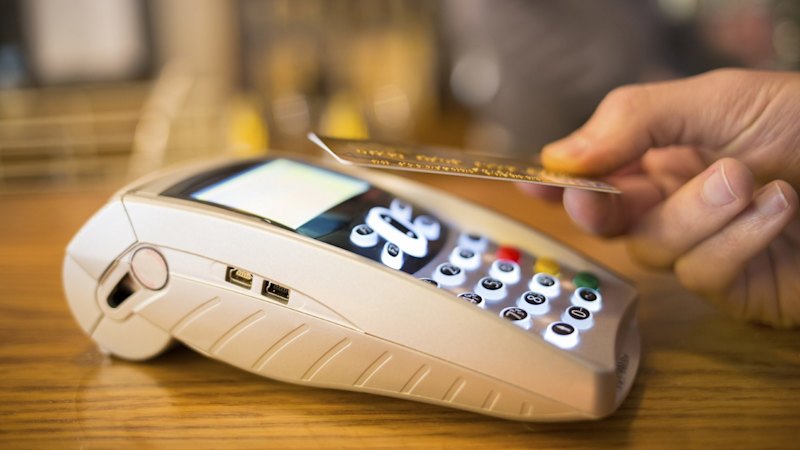
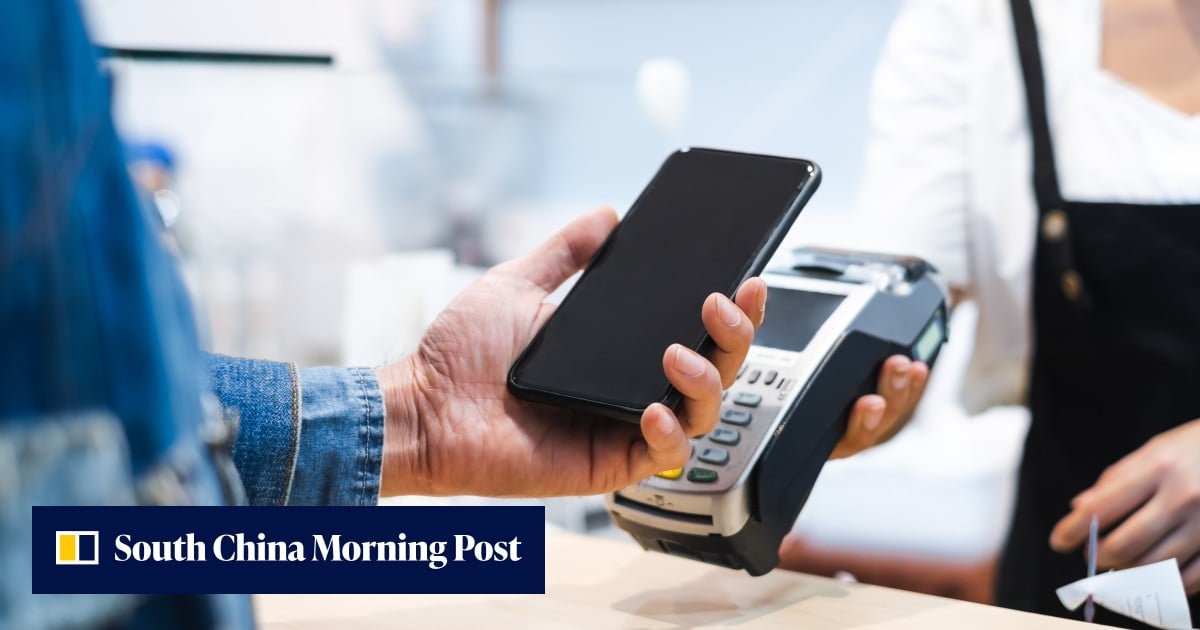
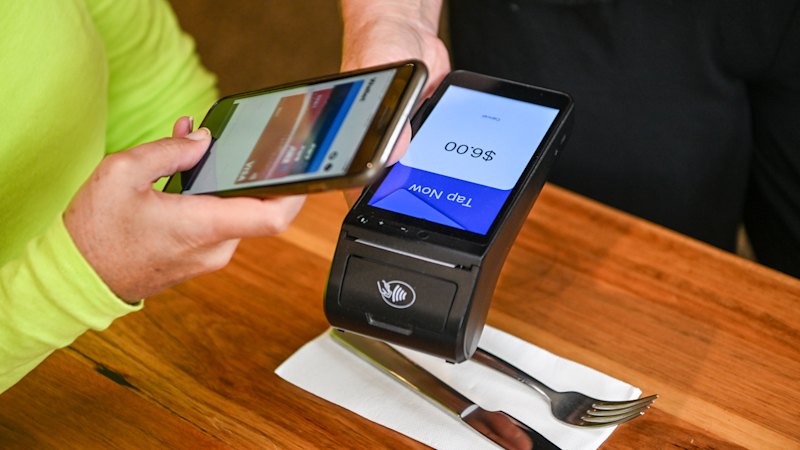
It means merchants are no longer allowed to charge an extra fee when you tap or insert your card at the point of sales, so the prices you see should be the price you pay.
asserted
you → mean → sales
Retailers must clearly display how much an item or service costs with any applicable surcharge; so if you’re buying a $5 coffee, the displayed price should look like “$5.05 with card surcharge”.
asserted
price → display → surcharge
They must also disable surcharging on their terminals and take down any payment surcharge notices on display.
asserted
They → disable → display
Behind the scenes, the new regime lowers processing costs for merchants by capping “interchange fees” – which are the fees paid between banks every time the customer taps or swipes their bank card.
asserted
customer → lower → card
That fee now goes from 0.8 per cent to a flat 0.3 per cent on Australian consumer credit cards.
asserted
fee → go → cards
On domestic debit and prepaid cards, the ceiling has fallen from 10¢, or 0.2 per cent, to 8¢ or 0.16 per cent.
asserted
ceiling → fall → 8¢
What if I’m still being charged?
asserted
I → charge → ?
Payment providers and banks have disabled the surcharge function on the terminals they control, but some older terminal machines don’t automatically update and may not yet reflect the changes.
uncertain
machines → disable → changes
The RBA and the banking industry have urged patience as some businesses make the transition.
asserted
businesses → urge → transition
Some business leaders have warned that some communities may not know about or understand the changes, particularly small business owners of migrant backgrounds or those who don’t speak English as a first language.
uncertain
who → warn → language
The surcharge ban doesn’t include weekend and public holiday surcharges, which are still permitted.
asserted
which → include → surcharges
Will businesses raise their prices?
asserted
businesses → raise → prices
These payment costs haven’t disappeared; they are just no longer allowed to appear as a separate charge.
asserted
they → disappear → charge
Most businesses are already facing and absorbing higher costs and overheads on many fronts and don’t feel able to absorb any more, so many will consider adjusting product or service prices and find savings elsewhere.
How do I dispute surcharges?
The ACCC and RBA can’t help you here – card networks (Visa, Mastercard and Eftpos) and payment providers (Square, Tyro, Stripe and some banks) – are in charge of enforcing the surcharge ban, and will be held responsible if surcharges continue.
asserted
surcharges → face → ban
Request a refund on the surcharged amount if necessary, and if they refuse, the next step is to report any unauthorised surcharges to your bank or card provider.
asserted
step → request → provider
The ACCC and state consumer protection agencies, such as NSW Fair Trading and Consumer Affairs Victoria, will still be monitoring and enforcing consumer law to make sure businesses don’t mislead customers about prices or reasons for price rises.
asserted
businesses → monitor → rises
Should I pay in cash?
asserted
I → pay → cash
The consumer watchdog has stated businesses are indeed allowed to offer discounts for a preferred payment method, like cash or PayID.
asserted
businesses → state → cash
“Payment method discounts should be clearly disclosed before consumers choose to book, order or pay,” the ACCC states on its website.
asserted
ACCC → disclose → website
We may well might start seeing more businesses, especially smaller ones, shifting back to cash as a result.
uncertain
businesses → start → result
According to Cash Welcome campaign manager Jason Bryce, this is already happening.
uncertain
this → accord → Bryce
“Most small retailers will raise prices to cover card costs and many will offer discounts for cash payments,” he said.
asserted
he → raise → payments
Will banks find a way to pass on the lost revenue?
asserted
banks → find → revenue
They already have, and not where you might expect to see it.
uncertain
you → expect → it
Major banks have already wound back the generosity of credit card sign-on bonuses and rewards points earning rates, which were being funded by the higher interchange fees, and raising annual fees.
asserted
which → wind → fees
Commonwealth Bank has overhauled its loyalty program that pushes customers to spend rewards with Virgin’s Velocity scheme instead of Qantas Frequent Flyer points, and CBA customers who bundle multiple products, such as a mortgage or term deposits, will earn more points than those who have one account.
asserted
who → overhaul → account
Westpac has also announced fee hikes and cuts to benefits such as free travel insurance on its credit card line-up.
asserted
Westpac → announce → up
NAB has made a number of changes that impact MyCard credit card holders (formerly Citibank cards) most dramatically; its premium “Prestige” card – which included 15 airport lounge visits, free hotel stay extensions and cashback on ride-shares, on top of generous points earning rates – has been scrapped entirely.
asserted
which → make → rates
American Express has also announced a scaling back of its airport lounge benefits.
asserted
Express → announce → benefits
I’m a business owner. What should I do?
asserted
I → ’m → What
It’s your responsibility to make sure you don’t continue to apply surcharges from today onwards.
asserted
you → ’ → today
Get in touch with your bank or payment provider to implement the changes and update pricing details where you need to.
asserted
you → get → details
…and 3 more, not listed.
 The Aporia