Starting October 1, Australia's Reserve Bank reforms will end credit card surcharges, saving customers about $1.6 billion annually. However, financial experts warn that banks are compensating for lost revenue by reducing perks and increasing fees on credit cards. Nicole Pederson-McKinnon, a financial literacy expert, notes that changes include lowering earn rates for rewards programs, raising interest rates, and cutting free benefits like travel insurance. Customers are advised to carefully review any notifications from their bank regarding these adjustments.
Written locally by qwen2.5:14b on 2026-09-30,
using this article's own text rather than the other coverage of the
same event (that is the story summary below).
Story summary
Starting October 1, the Reserve Bank of Australia implemented a ban on card surcharges, meaning retailers can no longer charge extra fees when customers pay with credit or debit cards. While this was intended to save consumers about $1.6 billion annually, it may lead some businesses to raise prices instead. Smaller shops and local businesses are particularly concerned; Iris Isaacs, owner of online store inSync design, said it's getting increasingly difficult to manage costs. Salon owner Sheridan Shaw echoed similar concerns, stating that absorbing these fees would be detrimental to her business financially. Additionally, the Australian Chamber of Commerce and Industry (ACCI) warns that businesses might not be fully prepared for the new regulations. As a result, some merchants like Monarch Cakes in Melbourne are already planning price hikes to cope with higher bank-imposed card processing costs, which can amount to A$1,200 to A$1,500 weekly for small cafes and delis.
Written for “Australia Card Surcharges Ban” on 2026-10-05,
grounded in this article and the 6 other(s) covering the same event.
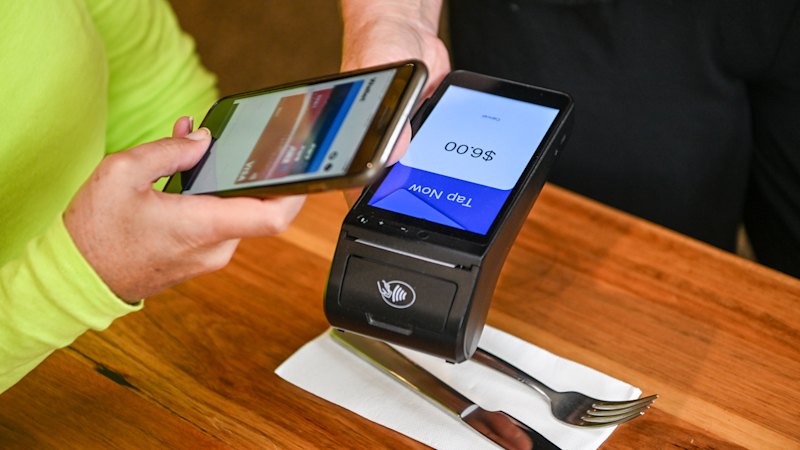
From October 1, those small surcharges we pay on debit, prepaid and credit cards will be scrapped under reforms by the Reserve Bank of Australia (RBA), saving customers about $1.6 billion each year.
asserted
we → pay → billion
While this is good news for most of us, experts say some credit card holders may be worse off under the reforms.
uncertain
holders → say → reforms
Here's what you need to know about the changes and how they could affect you.
uncertain
they → need → you
What could I be losing out on?
uncertain
I → lose → What
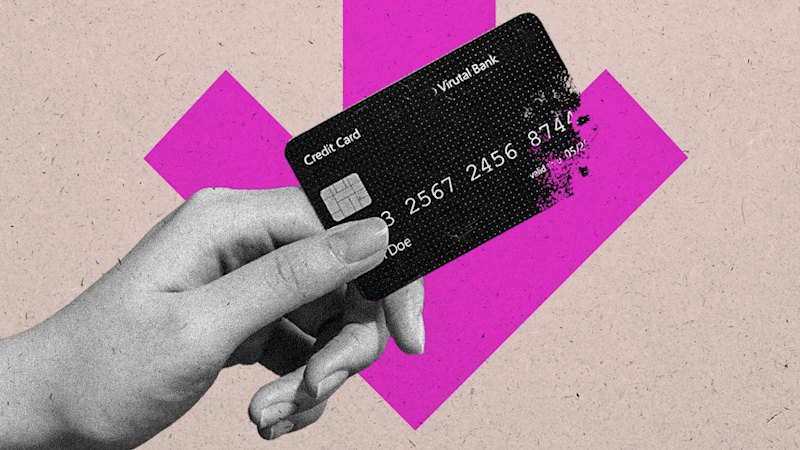
Because the RBA is also lowering the cap on interchange fees (what a store would pay to your bank when you tap your card), it means most banks are looking to recoup lost revenue.
asserted
banks → lower → revenue
A couple of ways they're doing this is by "drastically" changing what you can earn on your card (perks and points) and how much you're paying in card fees, says Nicole Pederson-McKinnon, a financial literacy expert and author.
asserted
McKinnon → do → fees
"What we're seeing is a massive clawback of the perks of credit cards and a complete repricing as well," she says.
asserted
she → see → cards
Ms Pedersen-McKinnon says banks have been "quietly slashing" these credit card perks, while increasing some fees, in the lead-up to the October 1 changes.
asserted
banks → say → changes
"It's en masse and it's going to be for every credit card holder in the country," she says.
"
asserted
she → go → country
Mostly it's changes to the earn rates on frequent flyer points.
asserted
it → earn → points
"Some interest rates are going up, some annual fees are going up, [while] some freebies like complimentary travel insurance are being curbed."
Ms Pedersen-McKinnon says banks are required to notify customers of any changes they are implementing to credit card products.
asserted
they → go → products
"Those emails that you get saying, 'We have made a change to your credit card', you really need to be paying very close attention to," she says.
asserted
she → get → attention
"These are not small wording changes … [they are] dramatic changes."
So is having a credit card worth it?
asserted
having → have → card
Senior financial planner Rebecca Pritchard hopes the changes encourage people to assess whether their credit card is serving them.
asserted
card → hop → them
"Banks are not charities, they are commercial institutions," Ms Pritchard says.
"
asserted
Pritchard → say → ?
The earn rate has been changing historically over time and that is going to continue to be a focus, whether it's through direct fees on cards or changing the earn rate for the points system.
asserted
it → earn → system
"
Both of our experts recommend weighing up:
- Increases to annual fees
- Increases to purchase rates
- Reductions in points earning rates
- Caps on points you can earn
- Cuts to perks such as travel insurance
"Those five levers are what the credit card providers are pulling to try and make these products remain viable," Ms Pedersen-McKinnon says.
asserted
McKinnon → recommend → what
Ms Pritchard agrees, but says the bigger question for credit card holders is does it work for them financially?
asserted
it → agree → them
"If you can't be bothered with answering any of those questions, that is a bit of an orange flag to say maybe the system is going to take advantage of you," she says.
"Where you're going to fall over is if you're spending more than you otherwise would have and secondly, if you're paying interest.
asserted
you → bother → interest
"That's like the universe's way of telling you, 'Hey, I'm not on top of my expenditure'.
asserted
I → tell → expenditure
"
Should I sign up just for the points?
asserted
I → sign → points
In short, no, says Ms Pedersen-McKinnon.
asserted
McKinnon → say → ?
"You need to make sure that [credit card is] the best value product for you fundamentally," she says.
asserted
she → need → you
She says credit card providers are trying to lock in customer loyalty and keep them there "rather than see you just collect the points and move on to the next card".
asserted
you → say → card
"You are going to have to be really strategic to be able to amass the same amount of points," she says.
"
asserted
she → go → points
There are still big bulk points on offer when you sign up, but these will now be split across two years."
asserted
these → be → years
Our experts say it's worth considering options for earning points that aren't linked to credit cards.
asserted
that → say → cards
"There is an absolute plethora of loyalty programs and cashback options out there," Ms Pritchard says.
asserted
Pritchard → be → programs
"If you're in the mood to be creative and you want to be incentivised to put in effort to get money back, go for it."
These alternatives may include supermarket rewards schemes, petrol loyalty programs, energy providers and car rentals or hotel bookings.
uncertain
alternatives → want → schemes
 The Aporia