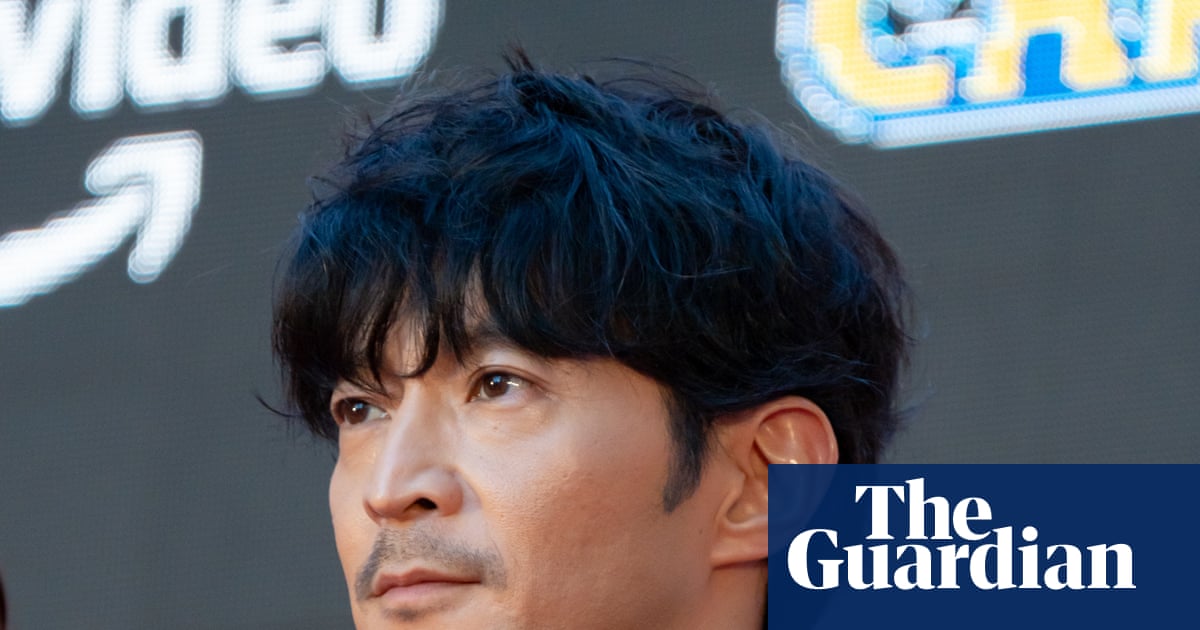
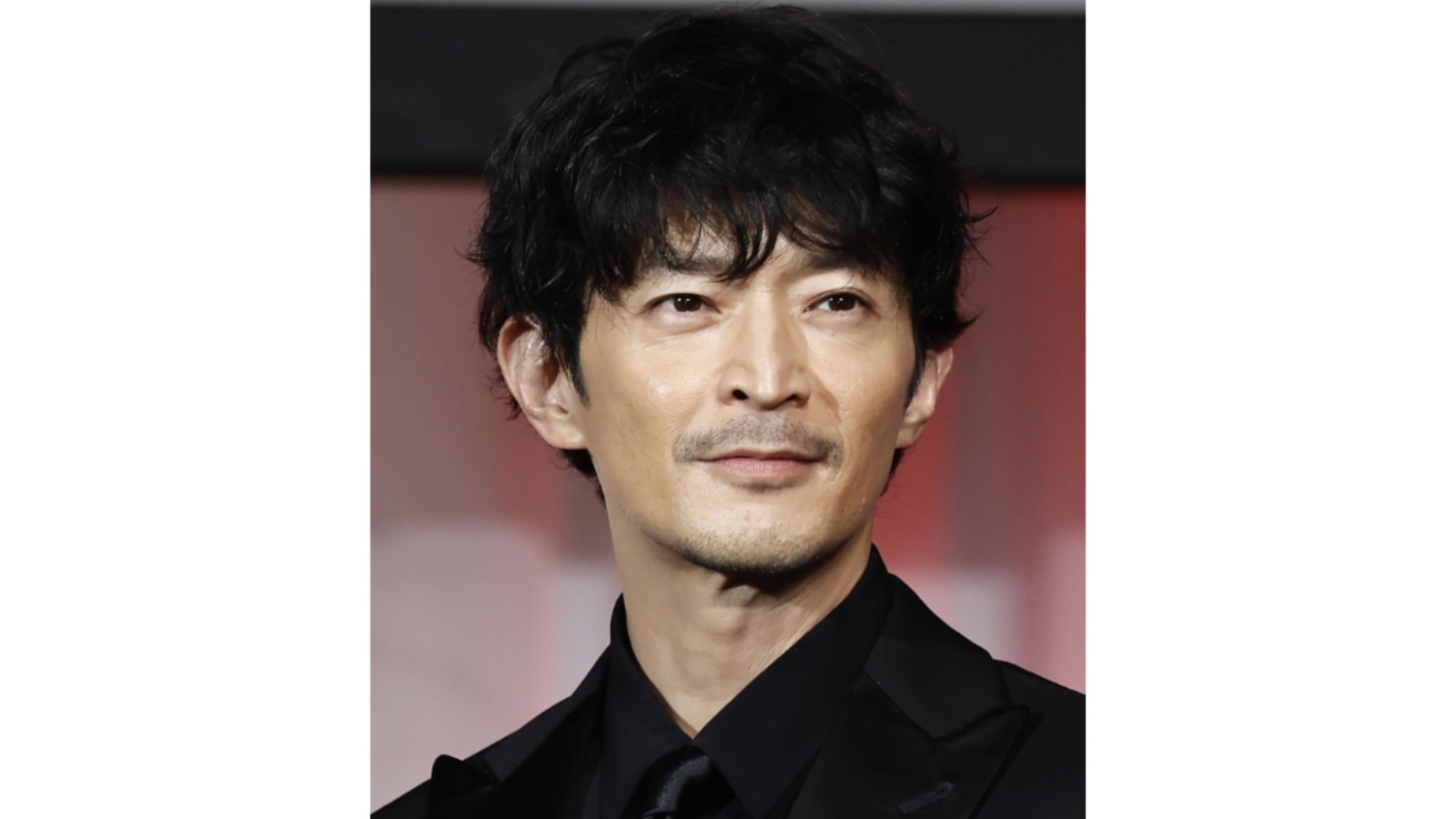
A Tokyo district court ruled that voices are protected under publicity rights after actor Kenjiro Tsuda sued TikTok for using an AI-generated voice similar to his own in unauthorized videos. The court dismissed Tsuda’s request to remove the videos but acknowledged that such use can infringe on a performer's rights if it aims solely to exploit commercial appeal. The case, involving 188 videos with content related to urban legends and conspiracy theories, highlights concerns among Japanese voice actors about AI mimicry threatening their livelihoods.
Written locally by qwen2.5:14b on 2026-10-02,
using this article's own text rather than the other coverage of the
same event (that is the story summary below).
Story summary
A Tokyo district court ruled on Wednesday that human voices are legally protected under publicity rights after a lawsuit brought by Japanese actor Kenjiro Tsuda against TikTok. Tsuda, best known as the voice of Kento Nanami in the anime series Jujutsu Kaisen, claimed an anonymous account had uploaded over 180 videos using AI-generated copies of his distinctive "lustrous" baritone voice between July and September 2024. The court acknowledged that unauthorized use of a performer’s voice constitutes infringement on their publicity rights but declined Tsuda's request to have the videos removed since they were deleted after the lawsuit was filed in November. This landmark case is believed to be the first in Japan addressing the legal protection of vocal identity against AI-generated copies, raising concerns among anime voice actors about potential threats to their livelihoods and industry integrity due to unauthorized AI mimicry.
Written for “AI Voice Rights Violation” on 2026-10-08,
grounded in this article and the 1 other(s) covering the same event.
A court in Japan has ruled that the human voice has legal protection after a landmark case involving a well known actor and a TikTok account whose AI-generated videos, he claimed, had cloned his “lustrous” baritone voice.
asserted
he → rule → voice
Tokyo district court said on Wednesday that voices enjoy the same protection as publicity rights, at the end of a closely watched legal action brought against TikTok by Kenjiro Tsuda – best known for voicing the character Kento Nanami in the anime Jujutsu Kaisen.
asserted
voices → say → anime
But the court dismissed Tsuda’s request that the operator of TikTok remove the videos, noting that the user had deleted them soon after the suit was filed last November.
asserted
suit → dismiss → them
“The unauthorised use of a performer’s voice … can be considered an infringement on publicity rights,” said the presiding judge, Aya Takahashi.
asserted
judge → consider → rights
The lawsuit is believed to be the first in Japan seeking to defend an individual’s vocal identity against AI-generated copies.
asserted
lawsuit → believe → copies
Japan’s voice actors, many of whom achieve star status through their “appearances” in anime, are increasingly worried that AI mimicry is threatening their livelihoods and the industry as a whole.
asserted
mimicry → achieve → whole
An actor’s voice “is the result of years of rigorous training and apprenticeship”, Yuko Sasaki, executive director of the Japan Actors Union, said ahead of the ruling.
asserted
Sasaki → say → ruling
Tsuda, 55, claimed that the 188 TikTok videos uploaded on an anonymous account between July 2024 and September last year had been narrated by a “deep” and “lustrous” voice that could only be his.
uncertain
that → claim → voice
In response, the platform argued that the videos contained a “generic male voice” and that any perceived similarities to Tsuda’s voice were highly subjective.
asserted
similarities → argue → voice
The verdict is the first in which a Japanese court declared that the human voice is protected under publicity rights, a reference to the ability to control and profit from aspects of an individual’s identity, in Tsuda’s case his distinctive voice.
asserted
voice → declare → case
The protection applies “if the purpose of using the voice is exclusively to take advantage of its commercial appeal”, Takahashi said, describing a voice to be “as symbolic of one’s personality as portraits are”.
asserted
portraits → apply → personality
The TikTok account, whose picture resembled Tsuda’s Jujutsu Kaisen character, combined images and AI-generated speech about urban legends, the occult and conspiracy theories.
asserted
picture → resemble → legends
At one point, the account had more than 200,000 subscribers and, according to the legal complaint, the clips would have earned its owner between ¥500,000 (£2,395) and ¥75,000 in monthly revenue, the Kyodo news agency said.
uncertain
agency → have → revenue
Describing the content as “sordid”, Tsuda’s legal team claimed the account had only attracted attention because it had cloned the “attractive voice of a popular actor”.
asserted
it → describe → actor
TikTok said in a statement that it would “respect the court’s judgment while considering what steps to take after scrutinising [the ruling’s] details”.
asserted
it → say → details
“We will continue to sincerely work on the balance between technology development and rights protection,” it added.
asserted
it → continue → development
In 2024, actors in Japan launched a campaign called “No More” to oppose the unauthorised use of their faces and voices in AI-generated content.
asserted
actors → launch → content
 The Aporia