World news | The Guardian
· collected 2026-09-04 · by Justin McCurry in Tokyo
The Japanese government has implemented a speed limit of 30km/h on all narrow city streets as part of an effort to reduce deaths and injuries among pedestrians. The new speed limit applies to approximately 870,000 kilometers of roads that are less than 5.5 meters wide and do not have center lines or median strips. According to national police agency data, the number of fatal accidents involving children and older people on residential roads has remained steady at around 300 per year since 2021, despite a overall decline in traffic deaths. The restrictions aim to address concerns that residential areas are not experiencing the same safety improvements as larger roads.
Written by the local model on 2026-09-05,
using this article's own text rather than the other coverage of the
same event (that is the story summary below).
Story summary
Japan has implemented a new speed limit of 30km/h for all narrow city streets, reducing the previous limit from 60km/h. This change applies to about 870,000km of roads that are less than 5.5 meters wide and lack center lines or median strips, which account for around 70% of the country's general roads. The main goal is to reduce deaths and injuries among pedestrians, particularly children and older people, who are at higher risk on narrow urban streets without sidewalks. According to police data, pedestrian mortality rates are significantly lower when vehicles travel at or below 30km/h, compared to speeds between 50-60km/h. The new limit went into effect on Tuesday, in an effort to address concerns that residential areas were not seeing the same safety improvements as larger roads. Japan's overall traffic death toll has decreased, reaching a record low of 2,457 last year, but accidents involving children and older people on residential roads have remained a concern.

Written for “Japan's Urban Speed Limit” on 2026-09-05,
grounded in this article and the 0 other(s) covering the same event.
Why this leaning score
The article's own words the score was based on. Each is quoted
verbatim and was checked against the article text before being
stored, so you can find it in the original.
Leaning score -0.35 for article 4303 (high confidence, 1 verified quote) · logged 2026-09-05
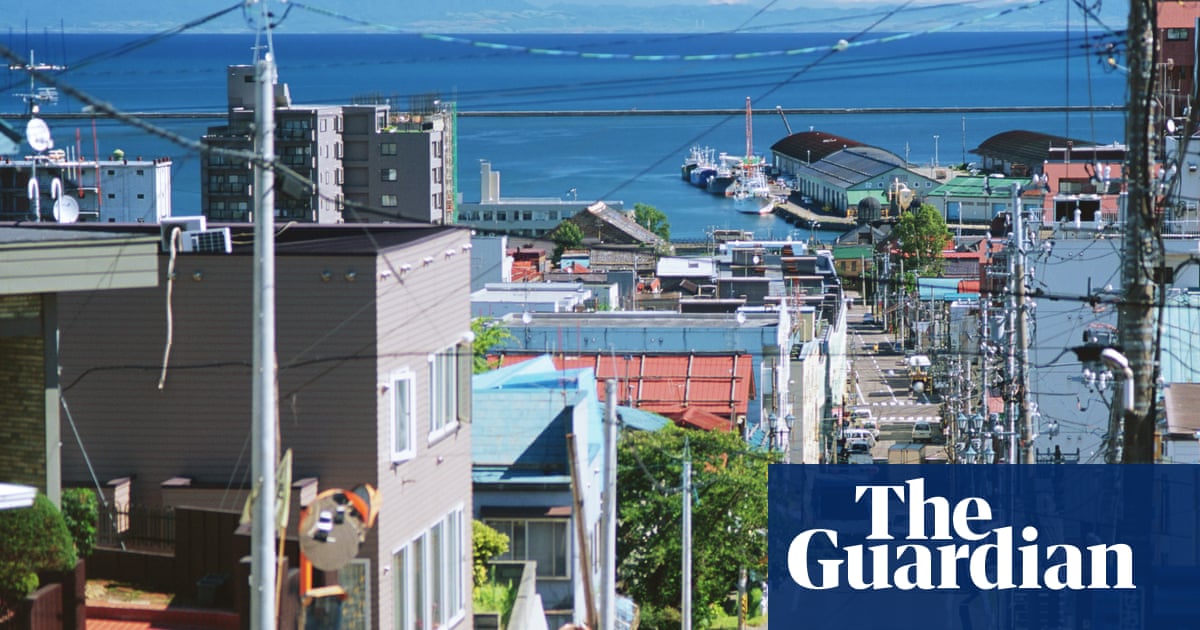
Drivers on residential roads in Japan have been forced to take their foot off the accelerator, after the speed limit was slashed from 60km/h (37mph) to 30km/h in an attempt to reduce deaths and injuries among pedestrians on narrow urban streets.
asserted
limit → force → streets
The new limit, which went into effect on Tuesday, applies to residential roads with no centre line or maximum speed signs, media reports said.
asserted
reports → go → line
Narrow roads with no centre lines or pavements are a common sight in crowded Japanese cities, with data indicating that children and older people are at particular risk of being involved in a fatal or serious accident.
asserted
children → indicate → accident
The measures apply to about 870,000km of roads that are less than 5.5 metres wide and do not have centre lines or median strips, according to the Mainichi Shimbun.
uncertain
that → apply → Shimbun
They account for about 70% of the country’s general roads, the newspaper said.
asserted
newspaper → account → roads
Authorities hopes the restrictions will address concerns that residential areas are not experiencing the same improvements in safety seen on larger roads.
asserted
areas → hop → roads
While the overall number of deaths in traffic accidents is in decline – falling to a record low of 2,457 last year – those involving children and older people on residential roads has remained steady at about 300 a year since 2021, and rose for the first time in three years in 2025, according to the national police agency.
uncertain
those → fall → agency
The introduction in 2011 of “zone 30” areas on a limited number of residential streets and along school routes resulted in a 30% reduction in fatalities and serious injuries, the Mainichi said.
asserted
Mainichi → result → fatalities
Police agency data show that the mortality rate among pedestrians is less than 1% in accidents involving vehicles traveling at or below 30km/h, with the rate rising to 2.7% at speeds of 30-40km/h, and to 17.4% at 50-60km/h.
“We ask drivers to recognise that they need to take particular care on roads shared by vehicles, pedestrians and cyclists,” the police agency’s commissioner general, Yoshinobu Kusunoki, told reporters this week.
asserted
general → show → reporters