The Aporia
The Aporia
The Aporia
Tan, V. (2026, September 5). Southeast Asia’s extreme heat exposes holes in safety net for outdoor workers. South China Morning Post. https://www.scmp.com/week-asia/health-environment/article/3366451/southeast-asias-extreme-heat-exposes-holes-safety-net-outdoor-workers?utm_source=rss_feed
Tan, Vincent. “Southeast Asia’s extreme heat exposes holes in safety net for outdoor workers.” South China Morning Post, 5 Sept. 2026, https://www.scmp.com/week-asia/health-environment/article/3366451/southeast-asias-extreme-heat-exposes-holes-safety-net-outdoor-workers?utm_source=rss_feed.
Tan, Vincent. “Southeast Asia’s extreme heat exposes holes in safety net for outdoor workers.” South China Morning Post, September 5, 2026. https://www.scmp.com/week-asia/health-environment/article/3366451/southeast-asias-extreme-heat-exposes-holes-safety-net-outdoor-workers?utm_source=rss_feed.
Dated when The Aporia collected the article, usually within hours of publication. Check the original for its exact date and byline.
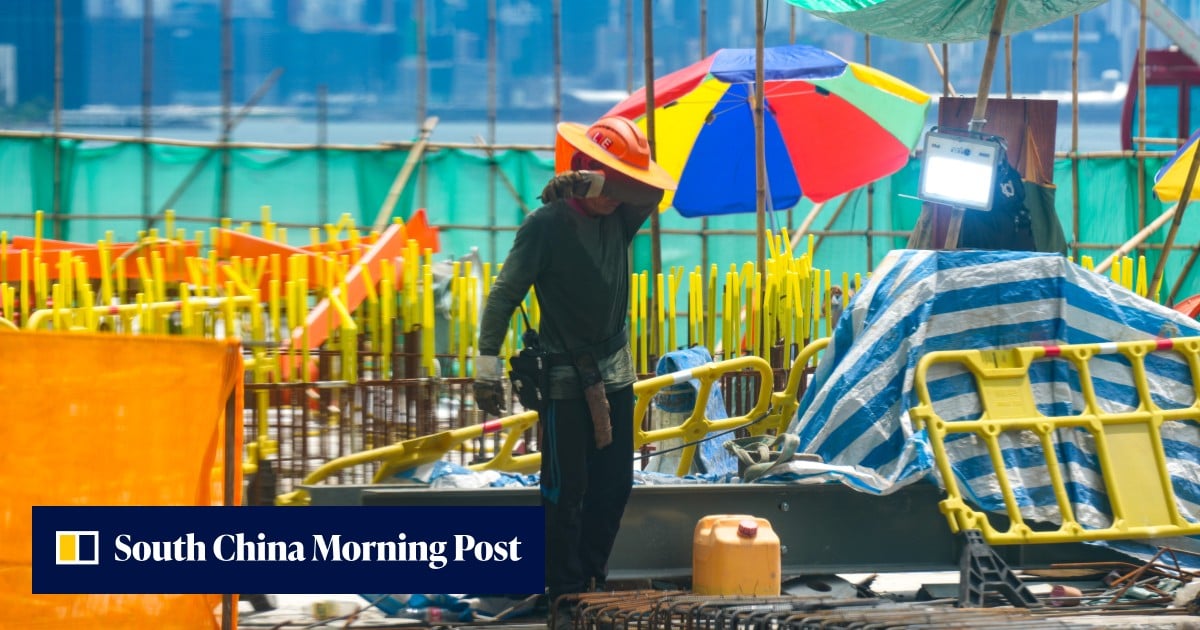
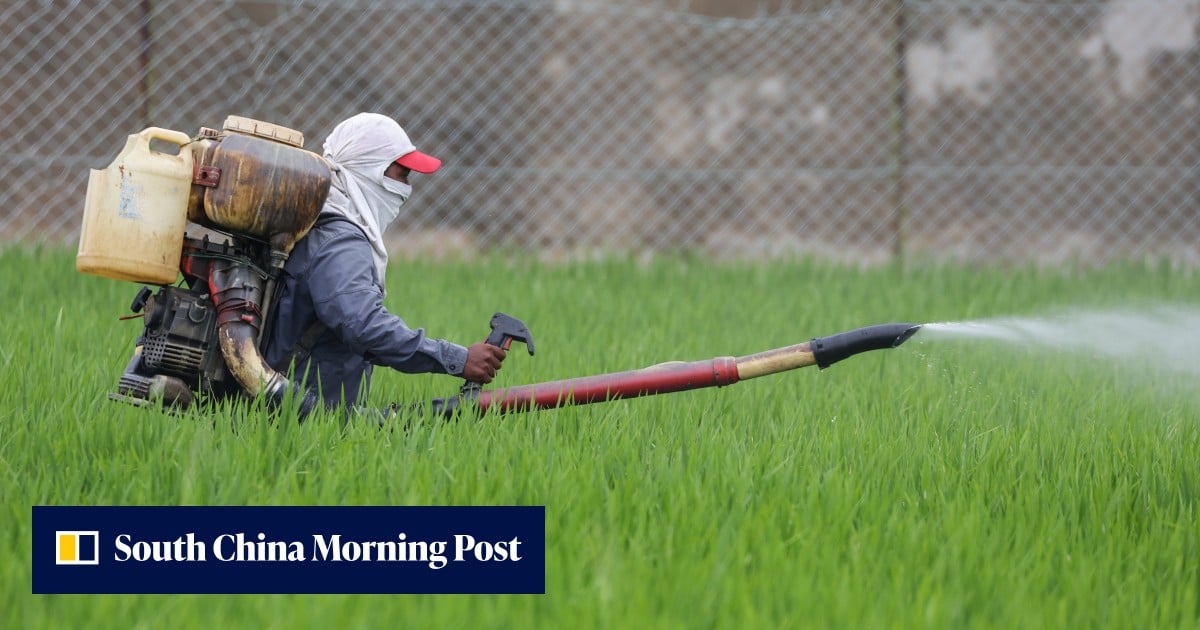
Southeast Asia's temperatures have been rising by 0.14°C (0.25°F) per year since the 1960s, with a projected increase of up to 0.2°C per decade. This extreme heat is exposing weaknesses in the safety net for outdoor workers, who are often forced to work in hazardous conditions without adequate protection. Many cities in Southeast Asia lack adequate heat risk assessments, and their regulations protecting outdoor workers from extreme heat are either weak or unenforced**. Oil palm plantations, which have young trees that offer little shade, are particularly challenging for workers like Chung, who tends them during the early mornings and evenings to avoid the hottest part of the day. However, not all outdoor workers have the flexibility to adjust their schedules; many construction, agriculture, and platform workers are at risk due to inflexible work arrangements dictated by employers or output requirements.