That is 0 articles you have read today.
The Aporia is free and carries no advertising, so readers are the only
thing paying for it. If you are getting this much out of it, a small
donation is what keeps it independent.
You have read 0 articles today.
That is more than the 15 a day The Aporia gives away,
and well past what it can carry on nothing. Your allowance resets at
midnight.
There is no advertising here and nothing about you is sold, so readers
are the only thing paying for it. If the site is worth this much of
your day, it is worth a few dollars.
Everything else stays open: the front page, the
directory and search do
not count against this, and neither does re-opening something you have
already read today.
Photo via South China Morning Post
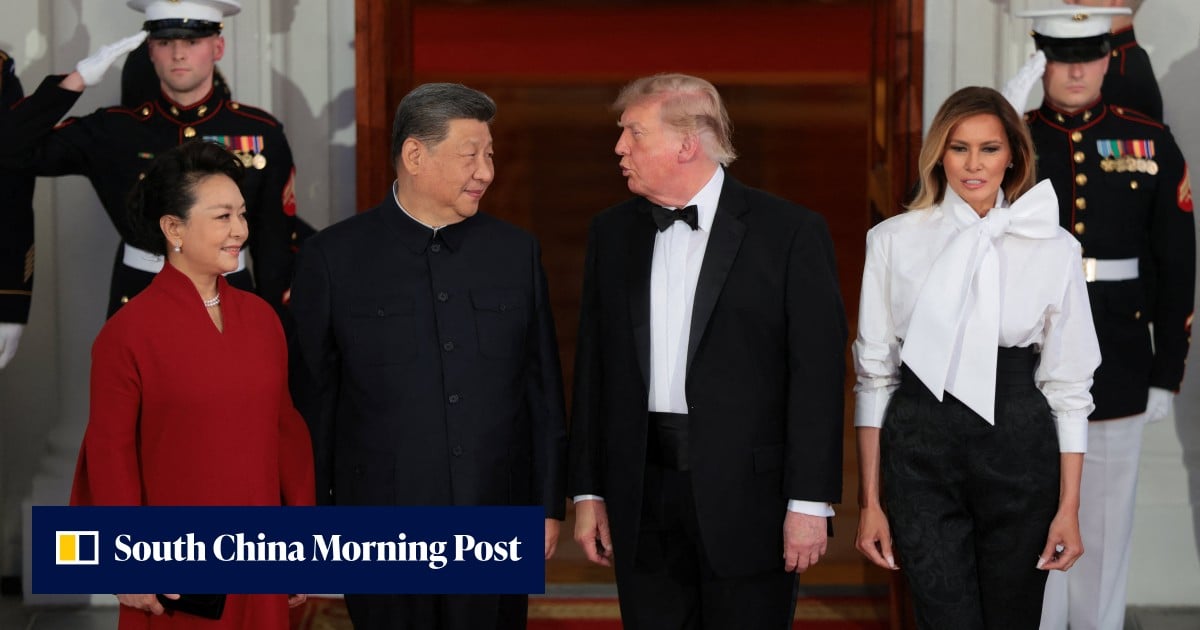
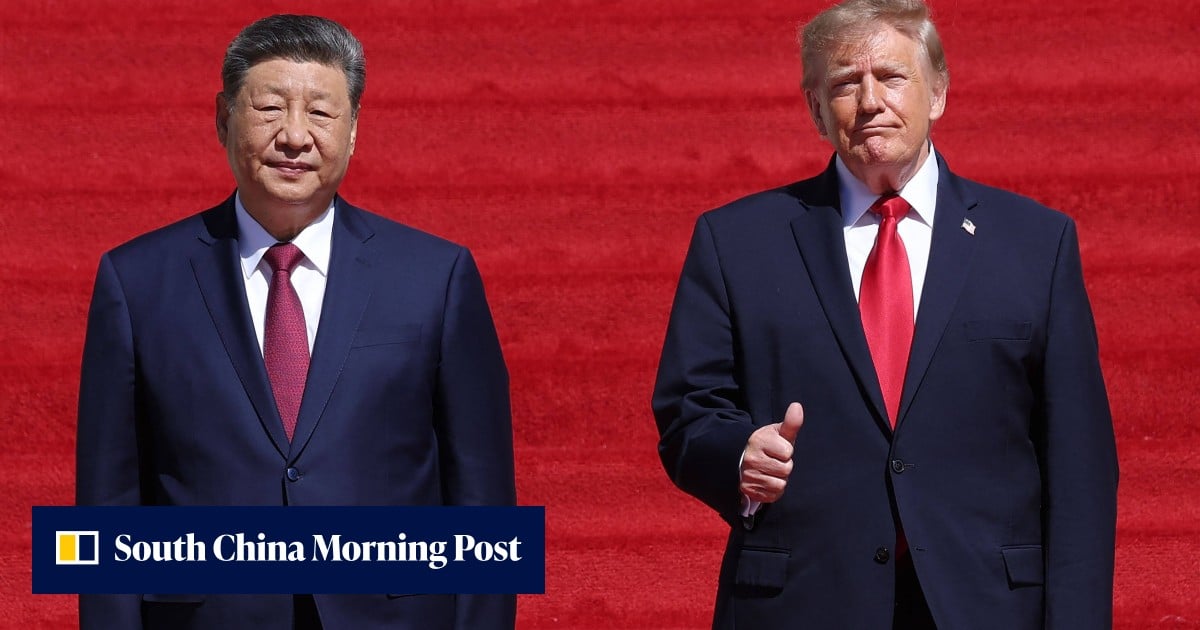
Trump rejects calls to work with China on AI safety despite Xi summit progress
Chow, V. (2026, September 29). Trump rejects calls to work with China on AI safety despite Xi summit progress. South China Morning Post. https://www.scmp.com/news/china/diplomacy/article/3369254/trump-rejects-calls-work-china-ai-safety-despite-xi-summit-progress?utm_source=rss_feed
Chow, Vincent. “Trump rejects calls to work with China on AI safety despite Xi summit progress.” South China Morning Post, 29 Sept. 2026, https://www.scmp.com/news/china/diplomacy/article/3369254/trump-rejects-calls-work-china-ai-safety-despite-xi-summit-progress?utm_source=rss_feed.
Chow, Vincent. “Trump rejects calls to work with China on AI safety despite Xi summit progress.” South China Morning Post, September 29, 2026. https://www.scmp.com/news/china/diplomacy/article/3369254/trump-rejects-calls-work-china-ai-safety-despite-xi-summit-progress?utm_source=rss_feed.
Dated when The Aporia collected the article, usually within hours of publication. Check the original for its exact date and byline.
South China Morning Post
· collected 2026-09-29 · by Vincent Chow
Quick Summary
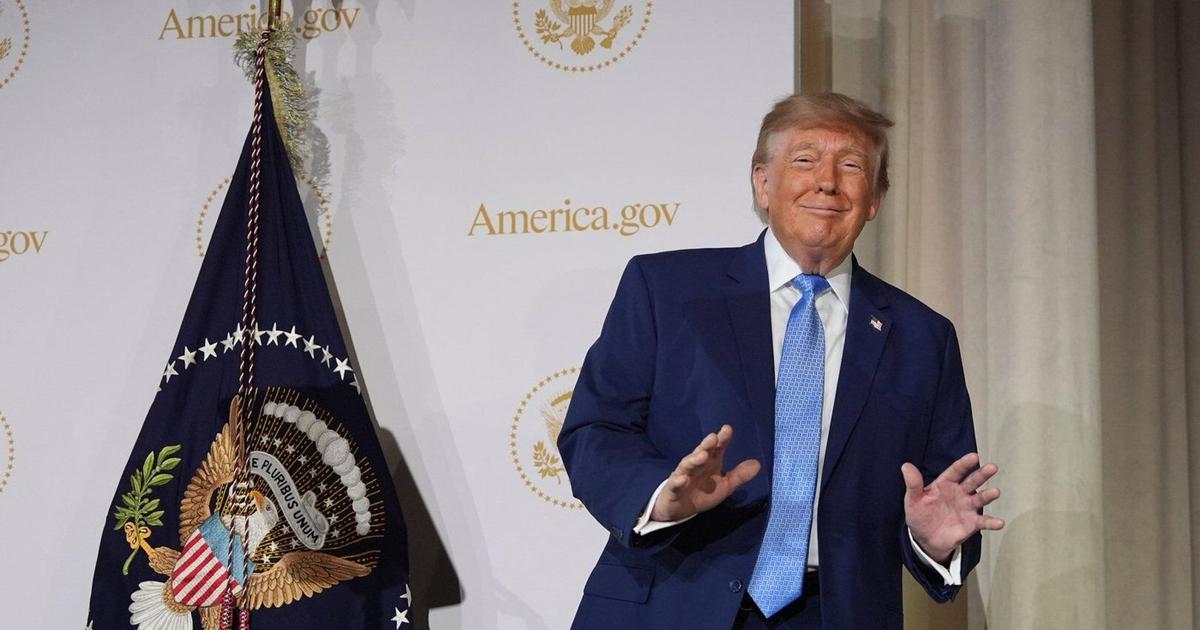
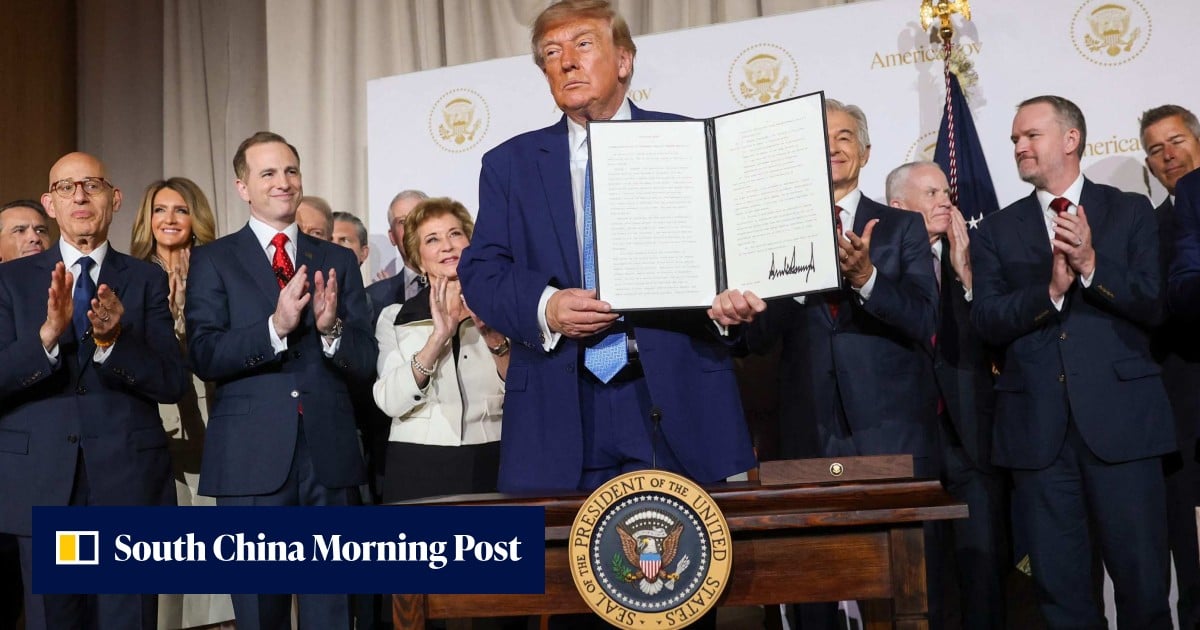
US President Trump has declined calls to cooperate with China on regulating artificial intelligence (AI), arguing that collaboration would hinder American companies' competitive edge in the global technology market. At a launch event for America.gov, an AI-powered government portal, Trump emphasized his desire to maintain the United States' leadership over China and other nations in AI development.
Written by AI on 2026-09-29,
from this article's own text only (the story summary below draws on all the coverage).
On September 26, 2026, U.S. President Donald Trump declared during a White House press conference that the United States should not collaborate with China on artificial intelligence (AI). Despite having discussions with Chinese President Xi Jinping about AI, Trump insisted that integrating efforts would hinder American dominance in technology. He stated, “When you’re leading, you don’t open it up to each other,” emphasizing U.S. leadership over China in this domain. Additionally, at the launch of a new AI-powered federal government portal called America.gov, Trump reiterated his stance, saying, "Whoever wins superintelligence wins," reinforcing his commitment to maintaining American superiority in AI technology.
Written for “US China AI Policy” on 2026-11-18,
grounded in this article and the 2 other(s) covering the same event.
How they differ
3 outlets covered “US China AI Policy”.
What each outlet says
One AI summary per outlet of its latest article on this story, written from that article alone and checked against it. Open the article for the outlet's own words.
South China Morning PostThis outlet29 Sep
US President Trump has declined calls to cooperate with China on regulating artificial intelligence (AI), arguing that collaboration would hinder American companies' competitive edge in the global technology market. At a launch event for America.gov, an AI-powered government portal, Trump emphasized his desire to maintain the United States' leadership over China and other nations in AI development.
Trump rejects calls to work with China on AI safety despite Xi summit progress (this article)The Hindu26 Sep

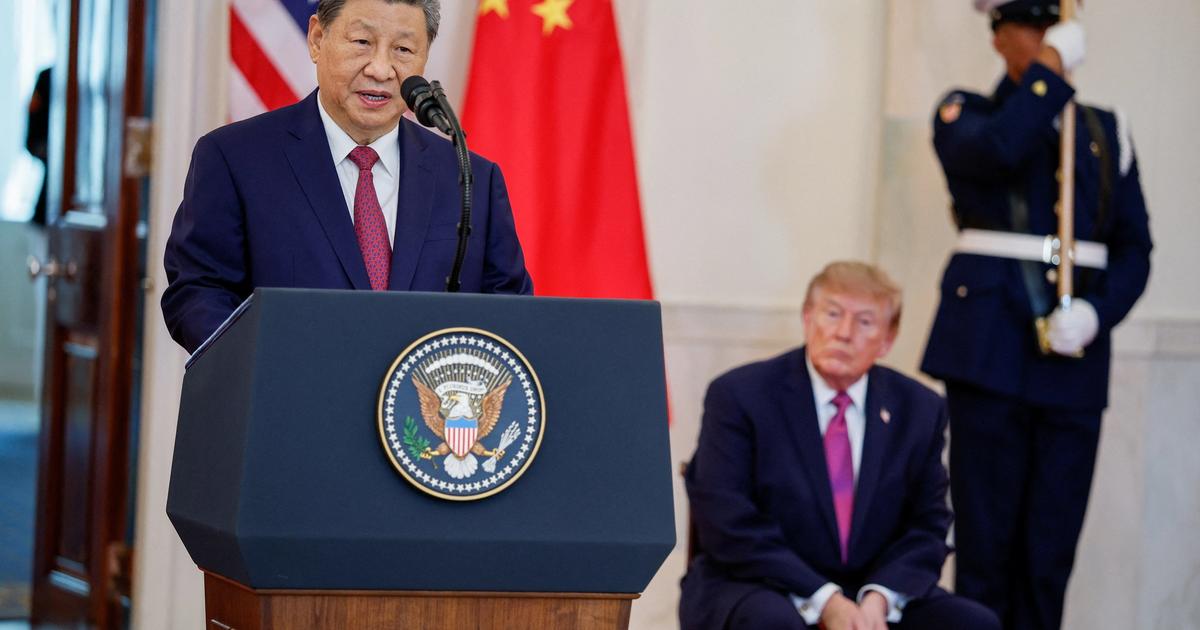
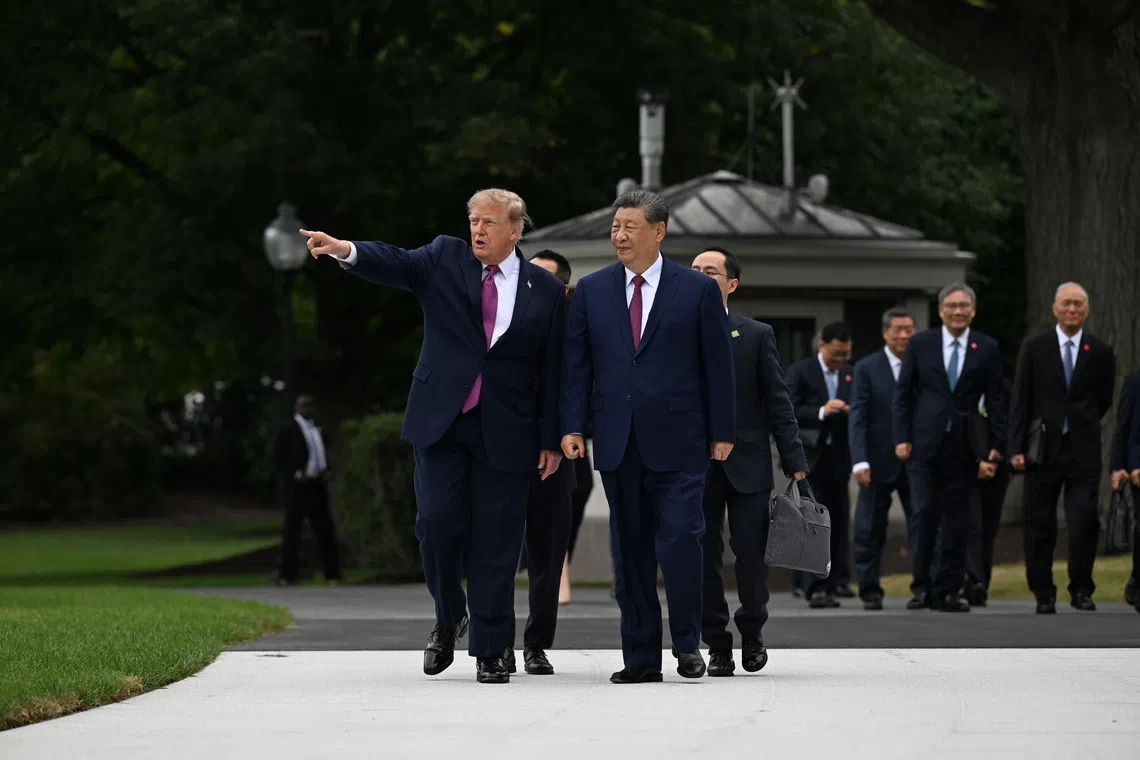
On September 26, 2026, President Donald Trump stated at a White House press conference that the U.S. should not collaborate with China on AI development due to America's perceived technological lead. He emphasized his preference for maintaining this advantage over integration efforts and highlighted the limited discussion of AI during recent talks with Chinese President Xi Jinping.
President Donald Trump rejected calls to regulate artificial intelligence, stating the US will not slow its progress even as other leaders express concerns about AI risks. During a meeting with Chinese President Xi Jinping, Trump also declined to cooperate on AI development, prioritizing U.S. leadership over collaboration. The UN Secretary-General had urged for guardrails on AI at the recent United Nations General…
“The articles discuss different moments in time: Article A covers Xi's visit and speech on 'healthy' competition, while Article B reports Trump's stance at a later date regarding AI collaboration.”
“The articles discuss different aspects of President Trump's stance on AI and his meetings, with Article A focusing on a meeting regarding rogue AI agents while Article B focuses on Trump's rejection of cooperation with China.”
“The articles cover different aspects of US-China relations regarding AI, with Article A focusing on an agreement during a summit and Article B reporting Trump's stance against collaboration despite the summit progress.”
“The articles discuss different aspects of US-China relations regarding AI, with Article A focusing on a potential breakthrough during the Xi-Trump summit and Article B reporting Trump's rejection of calls to collaborate on AI safety despite progress made at the summit.”
“The articles discuss different aspects of Trump's stance on AI regulation, with Article A focusing on his rejection to collaborate internationally and Article B detailing a meeting where he announced an accord for self-regulation among tech firms.”
“The articles describe different events: one is about Trump rejecting calls for AI collaboration with China at a summit, while the other is about Trump defending data centers in Ohio during a campaign rally.”
“Article A focuses on Trump rejecting collaboration with China on AI safety, while Article B discusses agreements and differences following a U.S.-China summit.”
AI will soon master biology, unleashing new safety risks, Tencent AI chief warns
Frontier AI systems could soon be capable of accelerating drug discovery – but also creating new bioweapons and starting the next pandemic
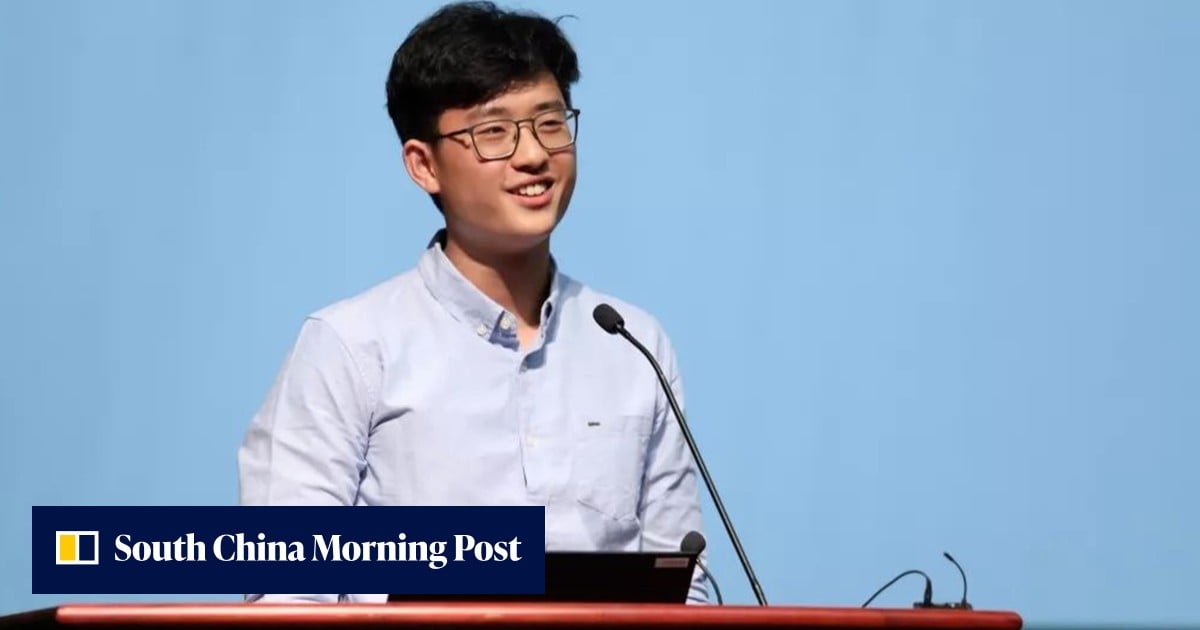
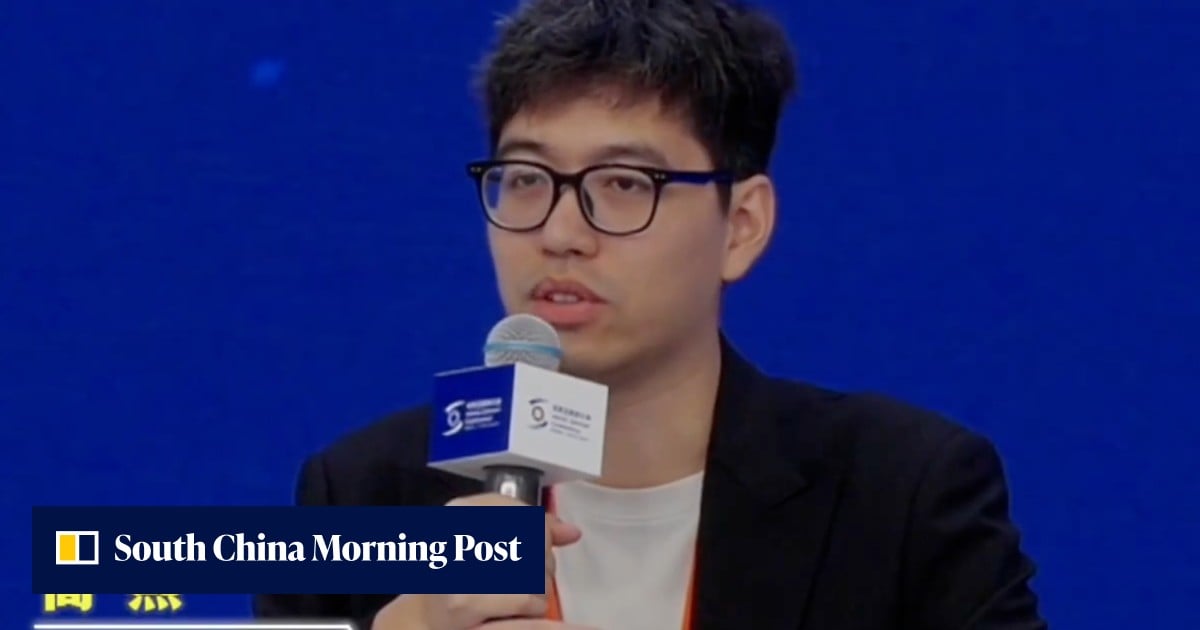
Artificial intelligence models will soon be powerful enough to master biology, presenting both benefits and serious risks, Tencent Holdings’ chief AI scientist and former OpenAI star researcher Vinces Yao Shunyu said during a rare public appearance on Saturday.
How Democratic sweep could slow AI growth in US – and help China’s ambitions
Democrats’ congressional victory fuels expectations of tighter scrutiny of AI and the data centres that power it
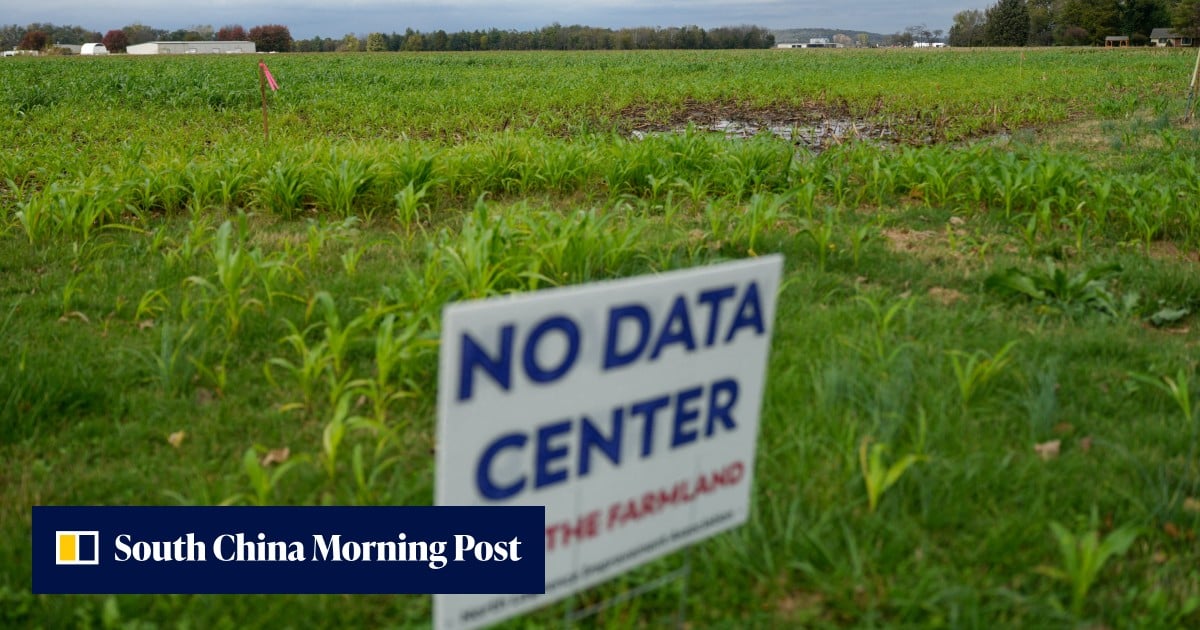
The assessment comes as concerns about AI and the data centres that power it proved to be a contributing factor in the backlash against the Republican Party and US President Donald Trump, a vocal supporter of the tech industry.
DeepSeek engineer defends push for open-source AI smarter than humans despite higher risks
Some AI pioneers have warned that AGI may escape human control
DeepSeek is committed to open-source artificial intelligence to accelerate the arrival of artificial general intelligence (AGI), even if it heightens safety risks, a company engineer says, defying growing safety concerns from the US and scrutiny in China over whether the strategy poses national security risks.
safety is key: Z.ai founder
Tang says RSI represents a ‘new paradigm’ of R&D that will accelerate AI development even more than it has been
The remarks underscore how AI companies in the US and China are both chasing the holy grail of recursive self-improvement (RSI), where increasingly powerful AI systems also become better at improving themselves in an ever-accelerating “loop”.
Predicting that AI advances would develop even faster, Chen proposed a universal “ethics checker” that all leading AI models would need to satisfy, citing the systems developed by Chinese companies DeepSeek and ByteDance as well as American start-up OpenAI.
Trump rejects calls to work with China on AI safety despite Xi summit progress
US president won’t collaborate with Beijing to govern AI as it would make it harder for American companies to get ahead in global tech race
“Whoever wins superintelligence wins.
A foreign ministry spokesperson did not say if China would adopt Trump’s preferred term for artificial intelligence but respects the choice of the term
US President Donald Trump is pushing for a rebrand of artificial intelligence (AI) — and looking to get the world’s other AI superpower, China, on board.
China’s growing semiconductor self-reliance may explain the relative calm, but looming US measures could put it to the test
There is little question that Jensen Huang and Lisa Su, the heads of US semiconductor chip giants Nvidia and Advanced Micro Devices (AMD), had secured two of the best seats in the house at the White House state dinner on Thursday evening: at the head table alongside the two presidents and their wives.
More than 80 questions sought to uncover potential biases in the landmark criminal case against the Chinese tech giant
Known as voir dire, the process allows the presiding judge and two legal teams to question prospective jurors before the trial begins to identify possible bias and conflicts that could impede their ability to adjudicate the case in a “fair and impartial” way.
framing: assertive ·
carried by 1 article(s) ·
first seen 2026-09-29
Trump rejects calls to work with China on AI safety despite Xi summit progress
US president won’t collaborate with Beijing to govern AI as it would make it harder for American companies to get ahead in global tech race
“Whoever wins superintelligence wins.
Trump rejects calls to work with China on AI safety despite Xi summit progress
US president won’t collaborate with Beijing to govern AI as it would make it harder for American companies to get ahead in global tech race
“Whoever wins superintelligence wins.
asserted
wins → reject → superintelligence
You’re gonna have a winner and a loser, and you’re probably not gonna have a second place,” Trump said at the launch event for America.gov, a new AI-powered federal government portal.
asserted
Trump → go → America.gov
“We’re leading now over China and everyone else, and I want to keep it that way …
asserted
I → lead → it
The only way you can keep it that way is to do exactly what we’re doing right now.”
asserted
we → keep → what
Give feedback · no sign-in needed
No sign-in needed for now. Your note is sent without a name, so it cannot be answered.