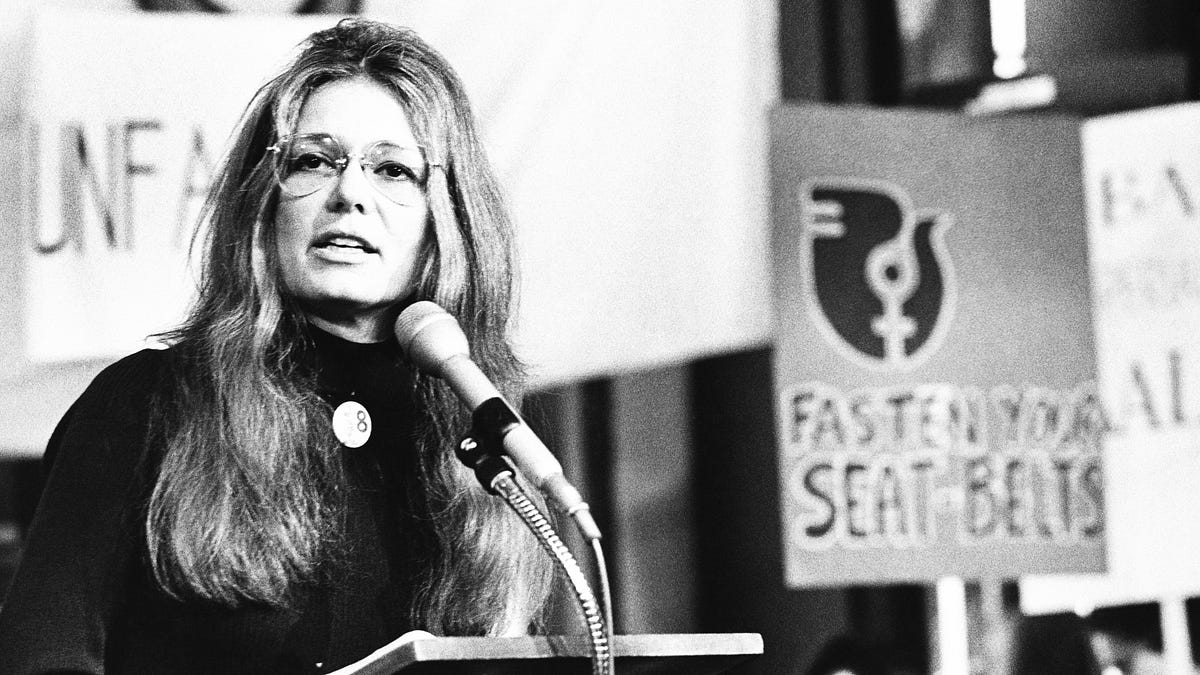
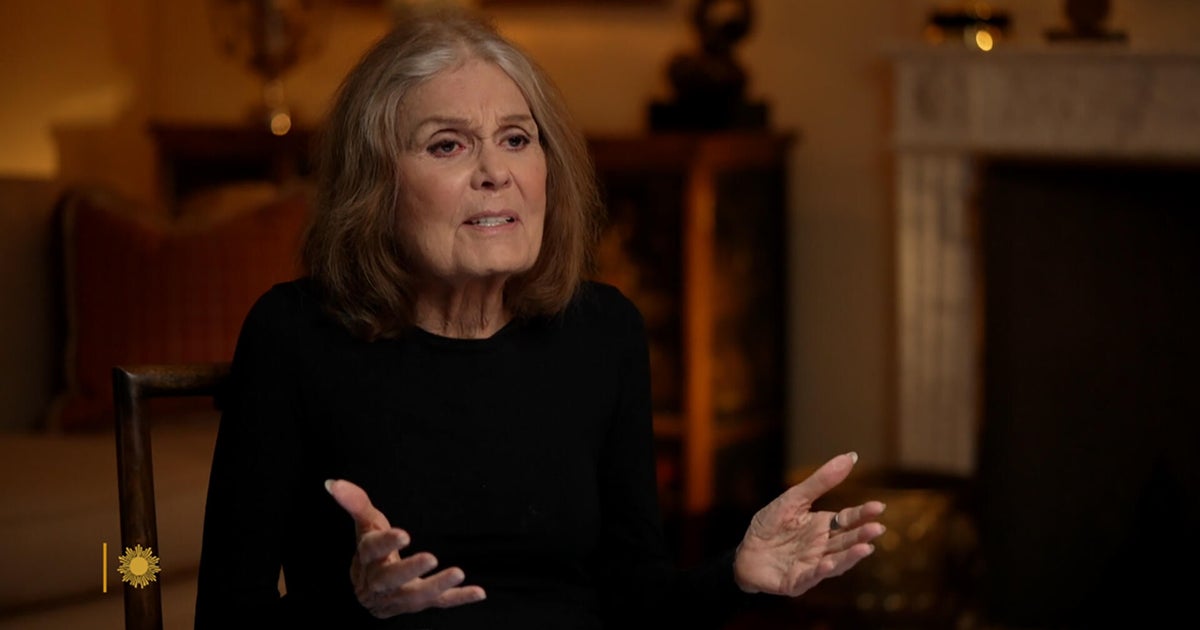
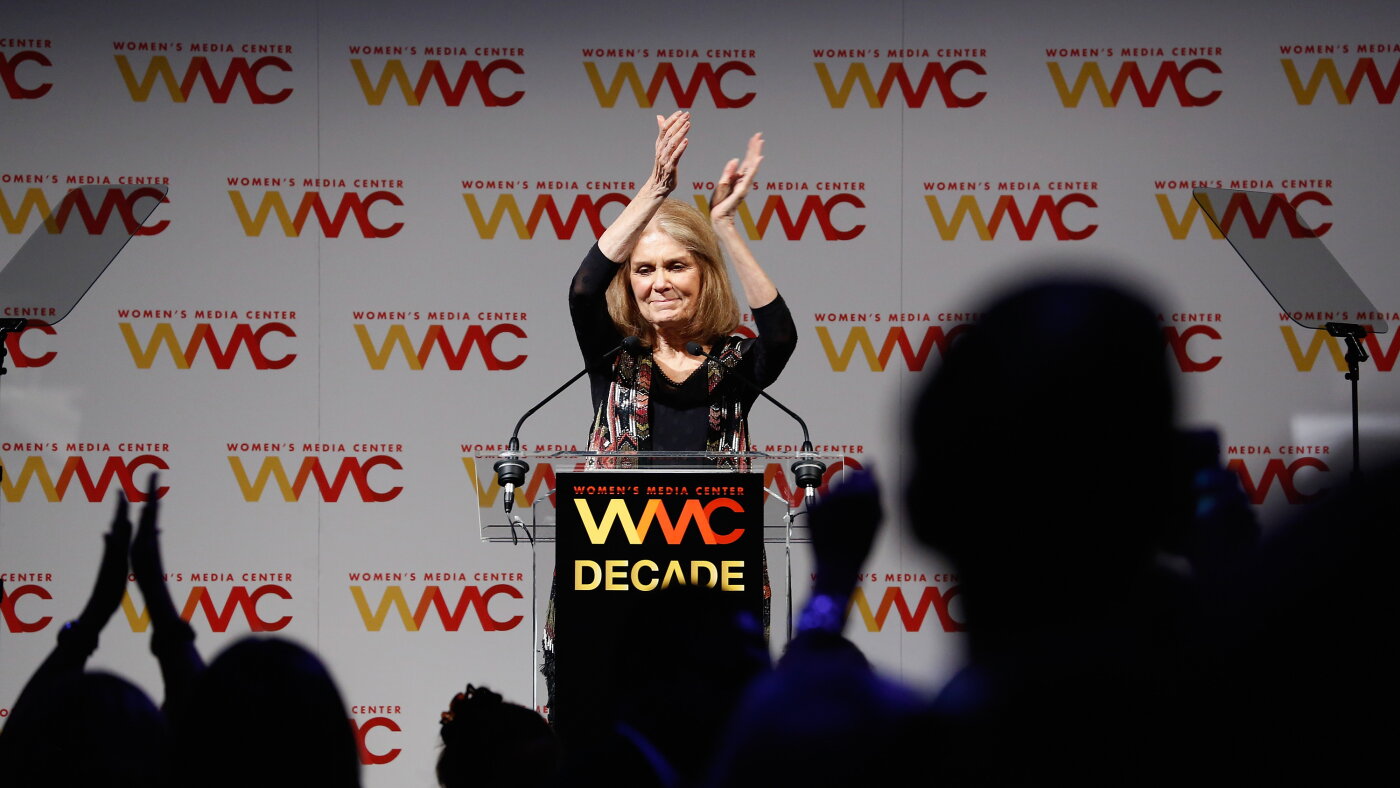
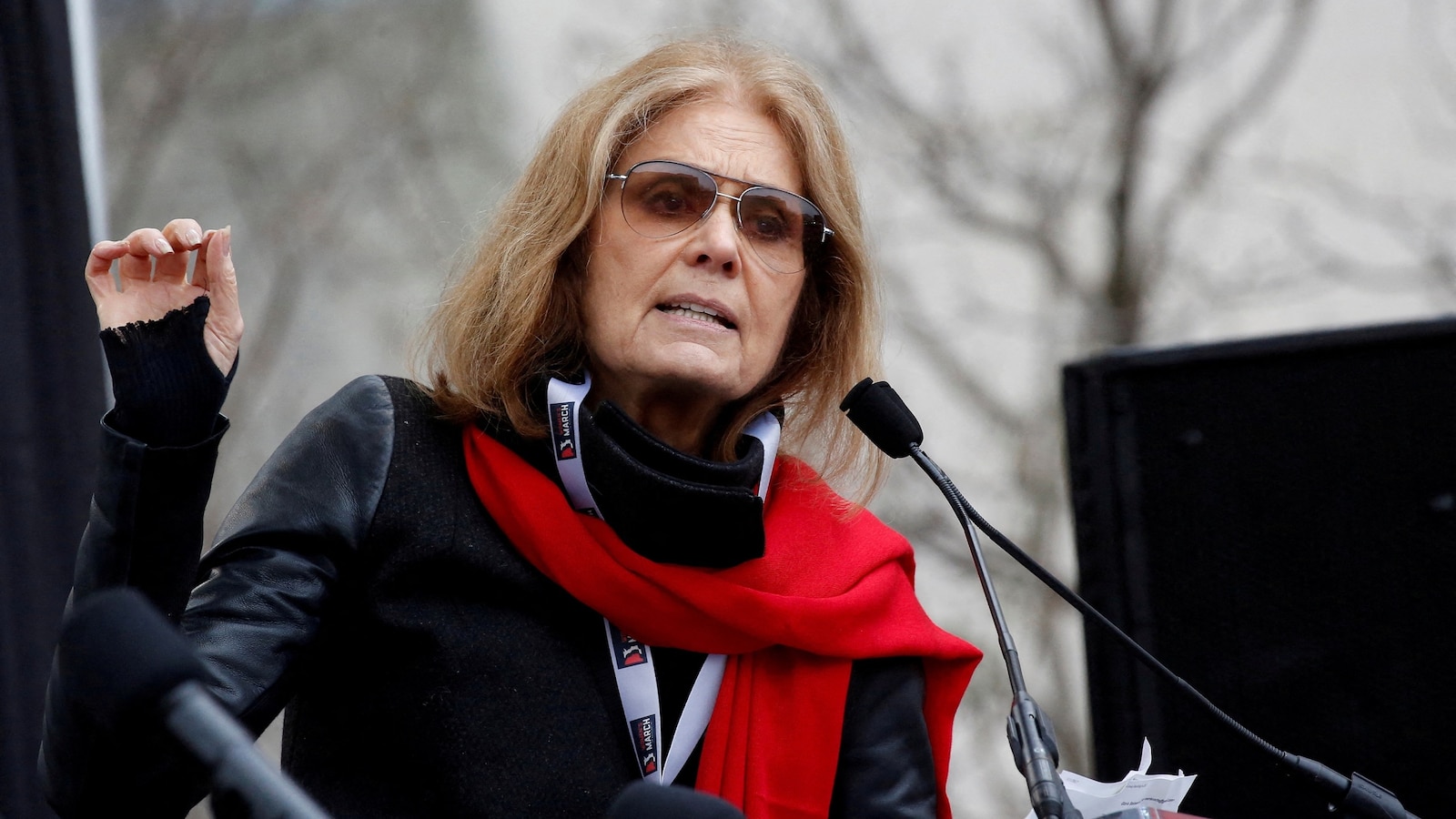
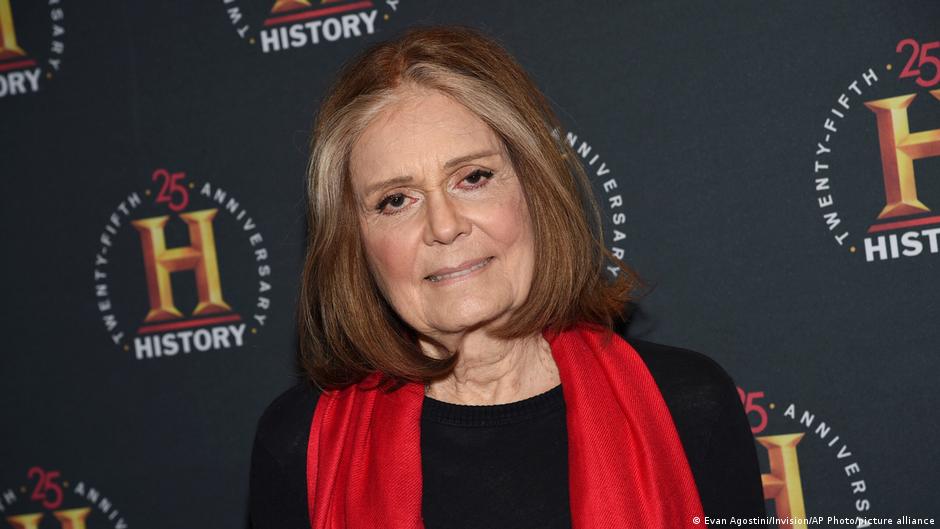
GLORIA STEINEM, THE FEMINIST JOURNALIST, activist, and self-styled “entrepreneur of social change,” who died Wednesday at the age of 92 in her Manhattan home, was the personification of an era.
asserted
who → style → era
In the late 1960s and 1970s, Steinem became an icon of the rising feminist movement.
asserted
Steinem → become → movement
The fact that she was beautiful and glamorous—her first big career success, at age 29, had been an article about going undercover as a Playboy Bunny—undoubtedly had something to do with it: Steinem was a living rebuttal to the stereotype of the frumpy spinster who turns to women’s liberation because she is too homely and unfeminine to find a husband or attract men.
asserted
she → go → men
But her very real charisma flowed from her intelligence and drive no less than looks (and was still apparent the only time I saw her in person at a 2000 event in New York, when she was 66).
asserted
she → flow → York
Reading a 1971 Steinem op-ed in the New York Times gives the sense of liberatory feminism, hopeful and brimming with vast and optimistic possibilities:
The first problem for all of us, men and women, is not to learn, but to unlearn.
asserted
problem → read → us
We are filled with the popular wisdom of several centuries just past, and we are terrified to give it up.
asserted
we → fill → it
Patriotism means obedience, age means wisdom, woman means submission, black means inferior: these are preconceptions imbedded so deeply in our thinking that we honestly may not know that they are there.
uncertain
they → mean → thinking
Whether it’s woman’s secondary role in society or the paternalistic role of the United States in the world, the old assumptions just don’t work anymore.
asserted
assumptions → ’ → world
Part of living this revolution is having the scales fall from our eyes.
asserted
scales → live → eyes
Every day, we see small obvious truths that we had missed before.
asserted
we → see → that
We need courses on sexism and American law just as much as we need them on racism.
asserted
we → need → racism
The number of laws that discriminate against women is staggering.
asserted
that → discriminate → women
Childbearing shouldn’t mean child‐rearing.
asserted
Childbearing → mean → child‐rearing
In fact, there are tribes in which the fathers rear the children, and the famous mother instinct turns out to be largely cultural.
asserted
instinct → be → children
The problem is achieving a compassionate balance, something this society has not done.
asserted
society → achieve → balance
It’s clear that most American children suffer from too much mother and too little father.
asserted
children → ’ → mother
Women don’t want to imitate the male pattern of obsessive work ending up with a heart attack and an engraved wristwatch.
asserted
Women → want → attack
We want to humanize the work pattern, to make new, egalitarian lifestyles.
asserted
We → want → lifestyles
From now on, no man can call himself liberal, or radical, or even a conservative advocate of fair play, if his work depends in any way on the unpaid or underpaid labor of women at home, or in the office.
asserted
work → call → office
Politics doesn’t begin in Washington.
asserted
Politics → begin → Washington
Politics begins with those who are oppressed right here.
asserted
who → begin → those
And maybe, if we live this revolution every day, we will put a suitable end to this second 5,000‐year period: that of patriarchy and racism.
asserted
we → live → patriarchy
Perhaps we have a chance for a third and new period—one of humanism.
asserted
we → have → humanism
This vision has its blind spots, more on which anon.
asserted
vision → have → which
Nevertheless, Steinem’s call for a humanism transcending sex as well as race was profoundly liberal in the best sense of the word.
asserted
call → transcend → word
American law and social practices at the time did discriminate against women in ways that are unimaginable today.
asserted
that → discriminate → ways
As Steinem wrote in New York magazine in 1969:
[T]here is hardly a hierarchy in the country—business, union, government, educational, religious, whatever—that doesn’t discriminate against women above the secretarial level.
asserted
that → write → level
Women with some college education earn less than men who get as far as the eighth grade.
asserted
who → earn → grade
The median income of white women employed full time is less than that of white men and Negro men.
asserted
income → employ → men
The gap between women’s pay and men’s pay gets greater every year, even though the number of women in the labor force increases (they are now a third of all workers).
asserted
they → get → workers
Forty-three states have “protection legislation” limiting the hours and place a woman can work; legislation that is, as Governor Rockefeller admitted last year, “more often protective of men.”
asserted
Rockefeller → have → men
The subtler, psychological punishments for stepping out of woman’s traditional “service” role are considerable.
asserted
punishments → step → role
And, to top it all off, the problem of servants or child care often proves insurmountable after others are solved.
asserted
others → top → servants
One may quibble here and there.
uncertain
One → quibble → ?
The gender gap in pay, for instance, derived more from differences in education and work experience than outright discrimination by employers, and the widening of the wage gap in the late 1960s was largely a result of precisely the influx of women into the workforce that Steinem mentions: Women were still flocking to majority-female occupations, and the higher supply of workers led to decreased wages.
asserted
supply → derive → wages
Steinem experienced some of those biases in her own early career, at a time when female journalists were routinely steered toward “lifestyle” coverage rather than political reporting.
asserted
journalists → experience → reporting
While her exposé of Playboy clubs made her a celebrity, she worried, not unreasonably, that it would hinder her efforts to be taken seriously.
asserted
it → make → efforts
The year after that exposé came out, she later recalled, she shared a taxi ride with Gay Talese and Saul Bellow—only to hear Talese tell Bellow, “You know how every year there’s a pretty girl who comes to New York and pretends to be a writer?
asserted
who → come → York
In 1972, Steinem launched her own media venture: Ms. magazine, which made its first appearance as a New York special insert in December 1971 but arrived on the newsstands on its own the following July.
asserted
which → launch → own
At the time, responses in the mainstream media encapsulated the type of mindset Steinem rejected: CBS anchor Harry Reasoner remarked, “I’ll give it six months before they run out of things to say.”
asserted
they → encapsulate → things
…and 48 more, not listed.
 The Aporia