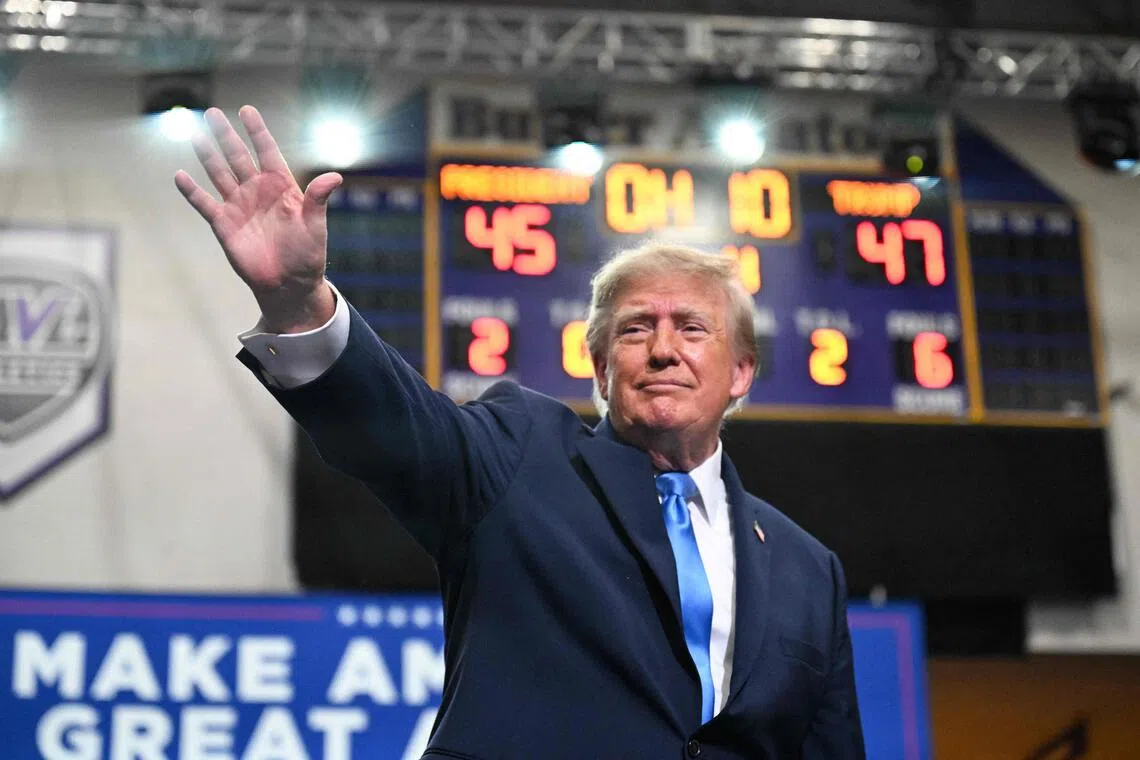
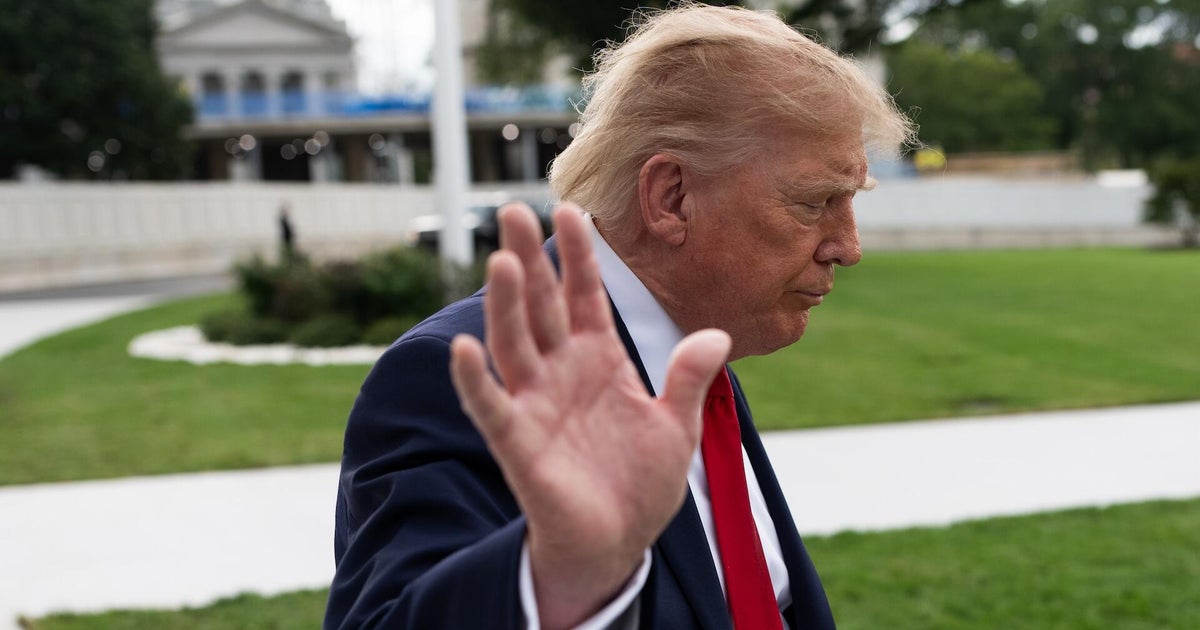
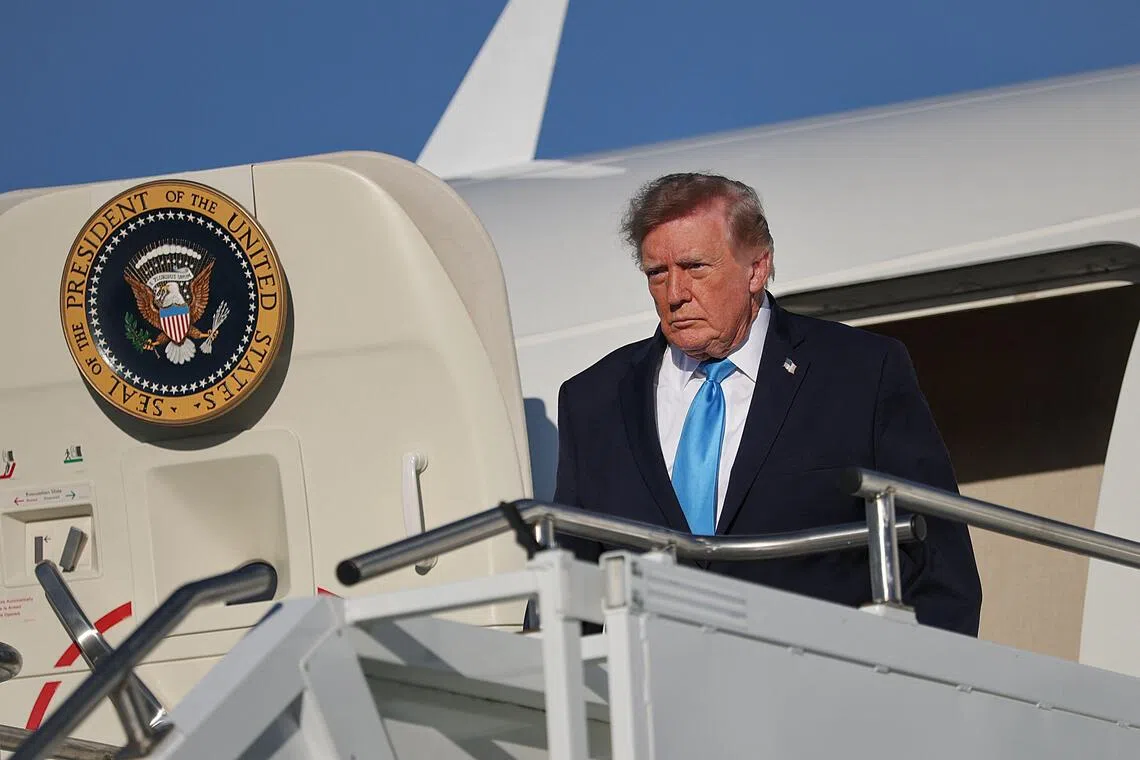
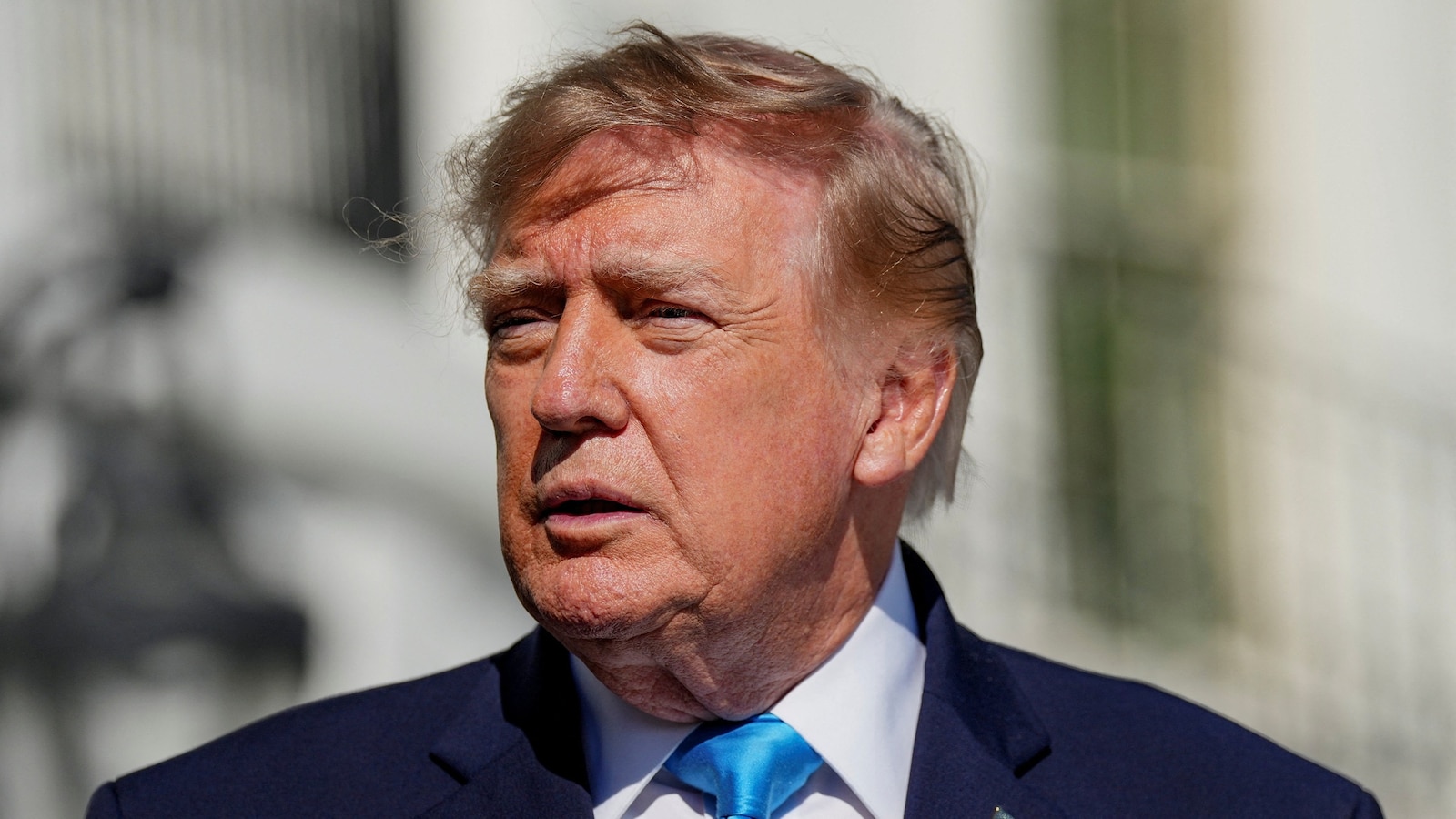
Vice President JD Vance defended taxpayer-funded TV advertisements promoting President Donald Trump as non-partisan during an appearance at Joint Base Andrews. The ads, which have cost over $2.8 million and aired across various networks, emphasize themes such as defeating communism and highlighting domestic manufacturing achievements. Critics argue that the content violates federal law due to its overtly political nature, while Vance maintains they are part of a constitutional republic’s duty to inform citizens about government actions.
Written locally by qwen2.5:14b on 2026-10-06,
using this article's own text rather than the other coverage of the
same event (that is the story summary below).
Story summary
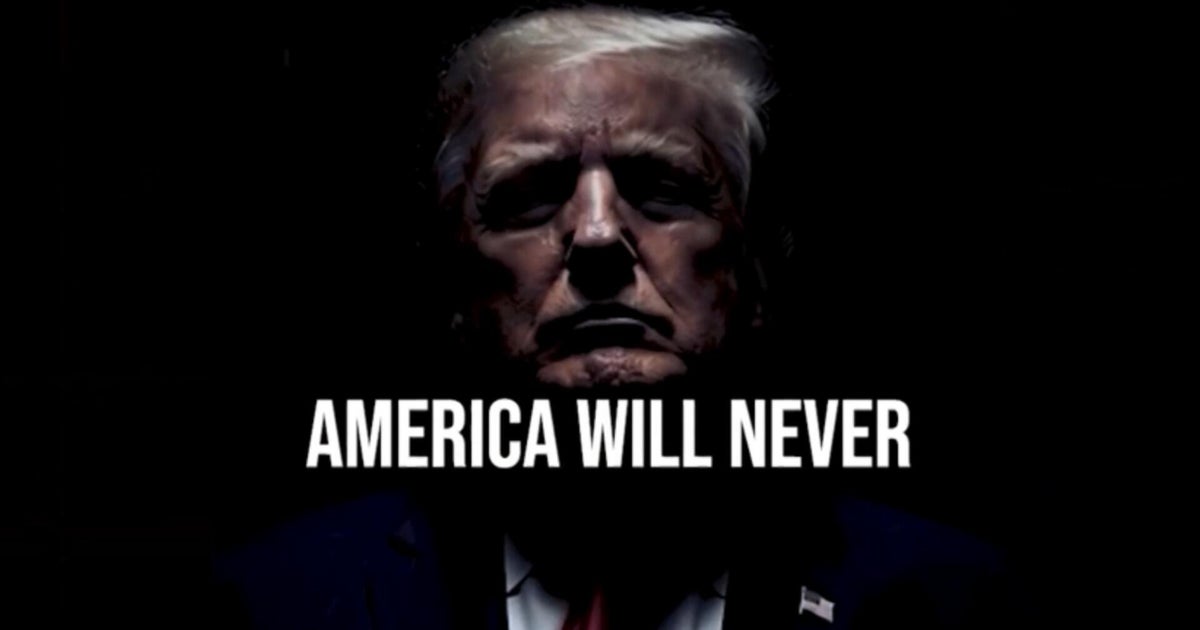
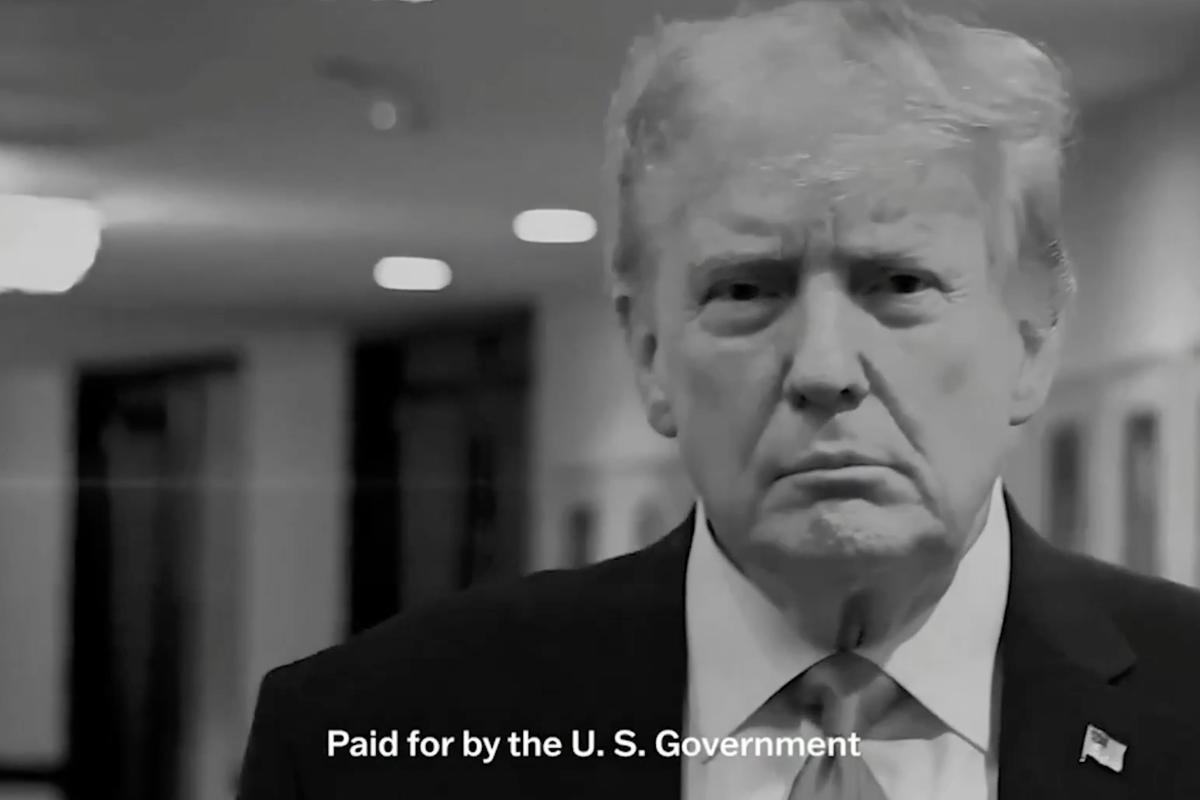
In mid-October 2018, the Trump administration began airing a series of ads on major networks like Fox News and CBS that praised President Trump's achievements. These ads were funded by taxpayer money and included phrases such as "Paid for by the U.S. Government." The first ad aired on Fox News, denouncing communism while highlighting domestic manufacturing, tax cuts, and law enforcement support.
The ad featured images of Trump at various events with patriotic music in the background and text stating, “America will never be a communist country.” It drew criticism from Democrats like Rep. Jamie Raskin (D-MD), who accused it of violating federal rules against using government funds for political campaigns. Raskin said such use could constitute "felony criminal theft" and violate the Hatch Act.
By October 19, AdImpact reported that spending on these ads had increased from $14,000 to $430,000 over three days, running in markets across the country. The White House defended the ad as a "public service announcement," arguing it was educational and patriotic rather than political.
Critics argue that with midterm elections approaching, these ads blur the line between government messaging and campaign propaganda, raising concerns about ethical violations and misuse of taxpayer dollars.
Written for “Taxpayer Funded Pro-Trump Ads” on 2026-10-06,
grounded in this article and the 43 other(s) covering the same event.
Log in
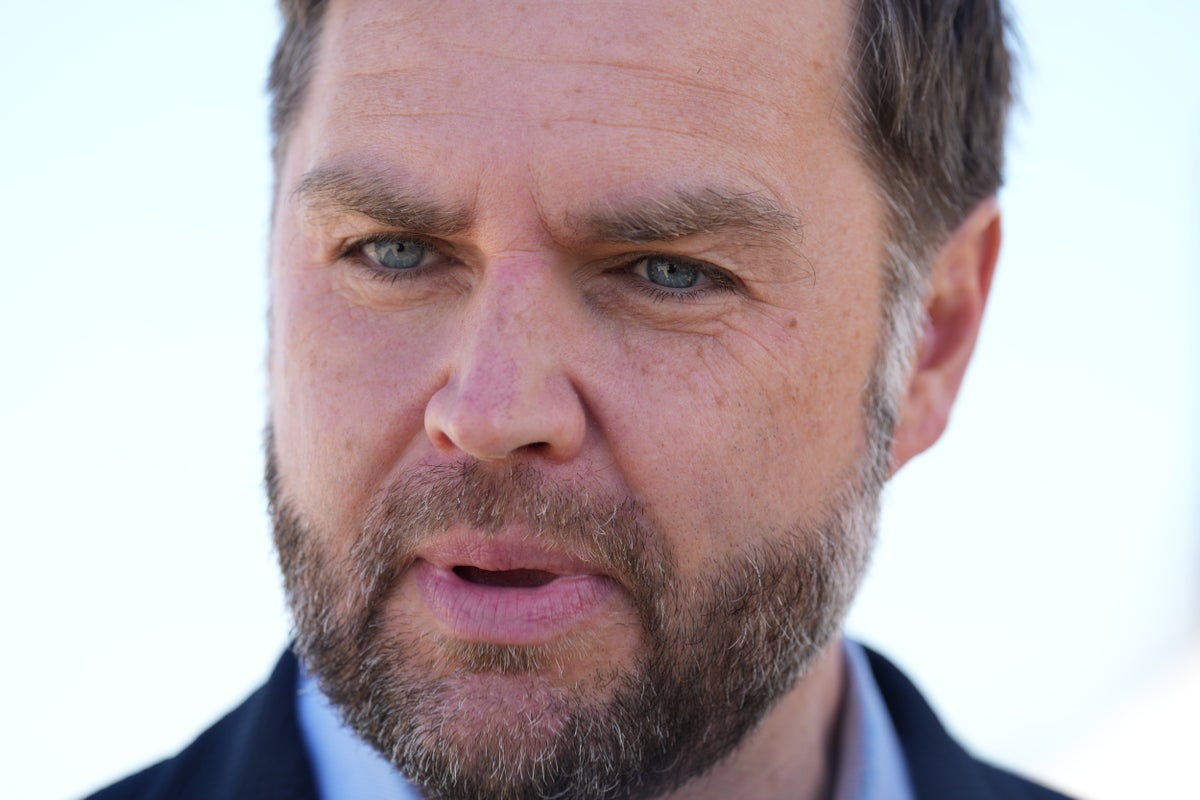
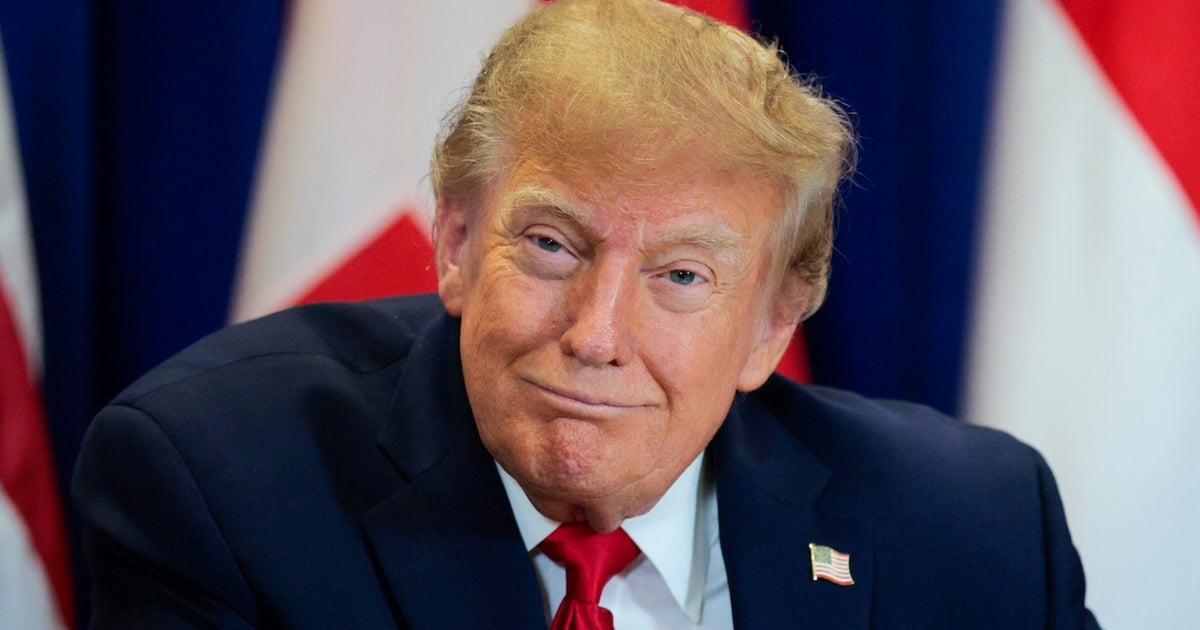
Vice President JD Vance defended the taxpayer-funded television advertisements promoting President Donald Trump, arguing that the spots are “not partisan.”
asserted
spots → log → Trump
The ads, which have aired on multiple channels in recent weeks, feature Trump pledging to “defeat communism,” “demolish the deep state” and “rout the fake news media.”
asserted
Trump → air → media
They also highlight his tax cuts and emphasis on domestic manufacturing.
asserted
They → highlight → manufacturing
Each spot includes the disclaimer: “Paid for by the U.S. government.”
asserted
spot → include → government
Critics say the ads’ overtly political content makes them a blatant violation of federal law.
asserted
them → say → law
The White House, meanwhile, has characterized the spots as “patriotic” public service announcements.
asserted
House → characterize → announcements
Speaking Monday at Joint Base Andrews, Vance was asked whether the ads were a “good use of taxpayer dollars” with the November midterm elections approaching.
asserted
elections → speak → dollars
“Well, look, if you look historically,” the vice president said.
asserted
president → look → ?
You have the people’s government using tax dollars to advertise about what the government is doing.”
asserted
government → have → what
“It’s part of actually living in a constitutional republic,” he added.
asserted
he → ’ → republic
“You have to be honest with the American people about what you’re doing, about what’s going on, and part of that is getting out there and telling the message.”
asserted
part → have → message
Vance said there was nothing improper about the ads, which the administration has reportedly spent more than $2.8 million to air across CNN, MS NOW, and other networks.
uncertain
administration → say → CNN
“I don’t think there’s anything unusual or unorthodox about it,” Vance said.
asserted
Vance → think → it
“I’m sure that some people probably don’t like it; but if you look at the message of those advertisements, they’re not partisan…
asserted
they → ’m → advertisements
We’re trying to tell a story, I think, about how great the United States of America is.”
asserted
States → try → America
The White House has made a similar argument in recent days.
asserted
House → make → days
“The PSAs are clearly not political,” a White House official told The Independent last week.
asserted
official → tell → Independent
“The President is not on the ballot and the ads don’t have a call to action.
asserted
ads → have → action
But the campaign has drawn criticism from lawmakers in both parties.
asserted
campaign → draw → parties
“This may be felony criminal theft and conversion of government property for political campaign purposes,” Rep. Jamie Raskin, a Maryland Democrat, wrote on X in late September.
uncertain
Raskin → write → September
“It is a Hatch Act violation for any government employees who worked on it or used government resources to make it.
asserted
who → work → it
It is blatantly unethical under numerous federal ethics provisions proscribing the use of government resources for political campaigns.”
asserted
It → proscribe → campaigns
The Hatch Act, a decades-old federal law, limits partisan political activity by most federal employees.
asserted
Act → limit → employees
“I don’t think any public official — including President Trump or Kristi Noem or John Kennedy — should spend public money on private ads for themselves,” Sen. John Kennedy, a Louisiana Republican, told CBS News last month.
asserted
Kennedy → think → News
 The Aporia