That is 0 articles you have read today.
The Aporia is free and carries no advertising, so readers are the only
thing paying for it. If you are getting this much out of it, a small
donation is what keeps it independent.
Daily limit reached
You have read 0 articles today.
That is more than the 15 a day The Aporia gives away,
and well past what it can carry on nothing. Your allowance resets at
midnight.
There is no advertising here and nothing about you is sold, so readers
are the only thing paying for it. If the site is worth this much of
your day, it is worth a few dollars.
Everything else stays open: the
maps, the
directory and
search do
not count against this, and neither does re-opening something you have
already read today.
During President Trump’s meeting with Chinese leader Xi Jinping, China committed to purchasing at least 10 million metric tons of US coal annually in 2027 and 2028 as part of efforts to revive America's coal industry. Additionally, both nations agreed on a trade deal through the US-China Board of Trade involving $30 billion worth of goods. This agreement includes favorable treatment for US products like agricultural items and medical devices while also covering Chinese imports such as small appliances and toys. However, previous commitments have not always been fulfilled by China, raising concerns about the implementation of this new deal.
Written locally by qwen2.5:14b on 2026-09-26,
using this article's own text rather than the other coverage of the
same event (that is the story summary below).
Story summary
Before the Xi-Trump summit last week, analysts expected soybeans to be included in tariff-reduced arrangements between China and the U.S., but China excluded them from a tariff-reduction list released on September 28, 2026, despite cutting tariffs on other agricultural goods like corn, wheat, meat, and dairy. This decision disappointed American farmers, such as John Bartman, an Illinois-based soybean farmer who called it "a missed opportunity." U.S. soybeans still face an additional tariff of 10%, which traders say is too high for private crushers to absorb, even as Chinese state buyers have stepped up purchases. Despite this exclusion, both sides agreed to form a trade council to discuss reciprocal tariff cuts on $30 billion worth of products and stabilize economic ties.
Written for “US-China Tariff Cuts Deal” on 2026-10-05,
grounded in this article and the 283 other(s) covering the same event.
Claims extracted
11
claim-shaped sentences
Uncertain
27%
3 of 11 hedged
Leaning
Leans right
of the writing, not the subject · beta estimate
Correction & hedging signals
64.4
corrections and hedging in what we collected;
not a measure of accuracy
Outlets on this story
284
Economy/Business
Narrative spread
1
articles carrying this framing
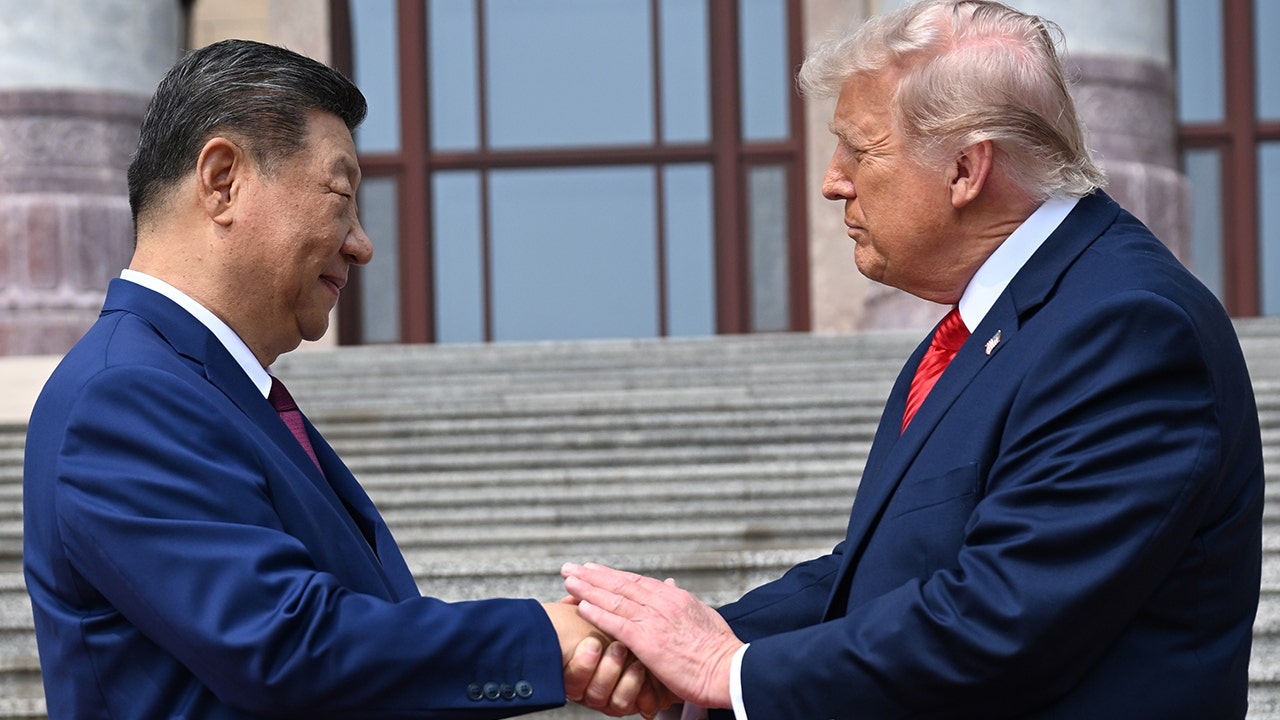
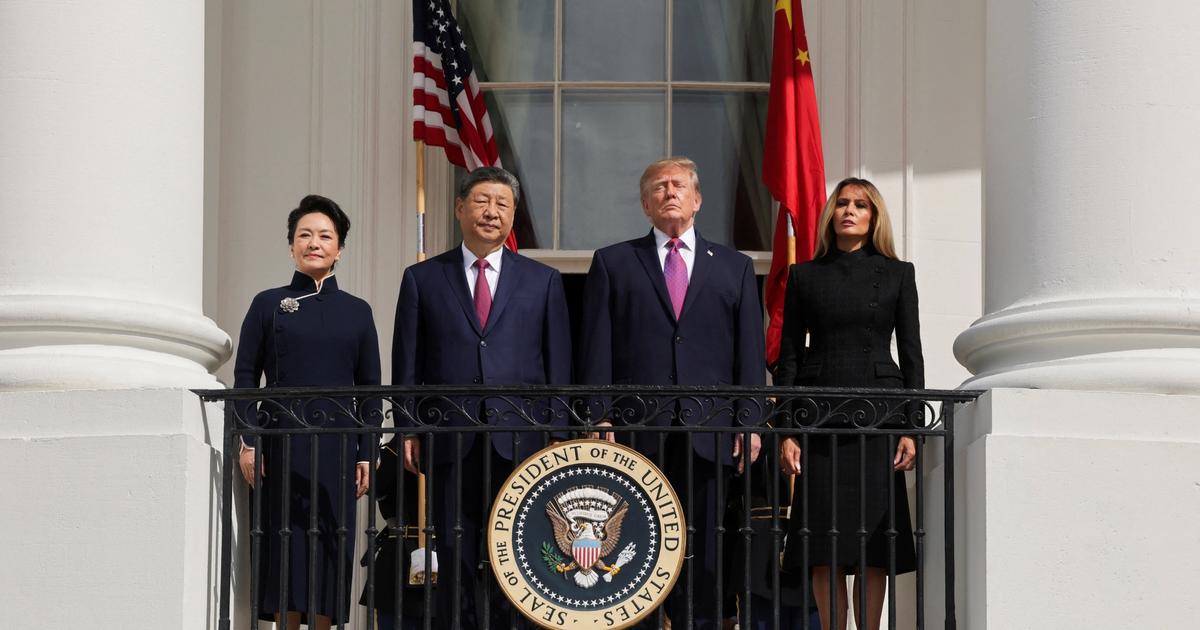
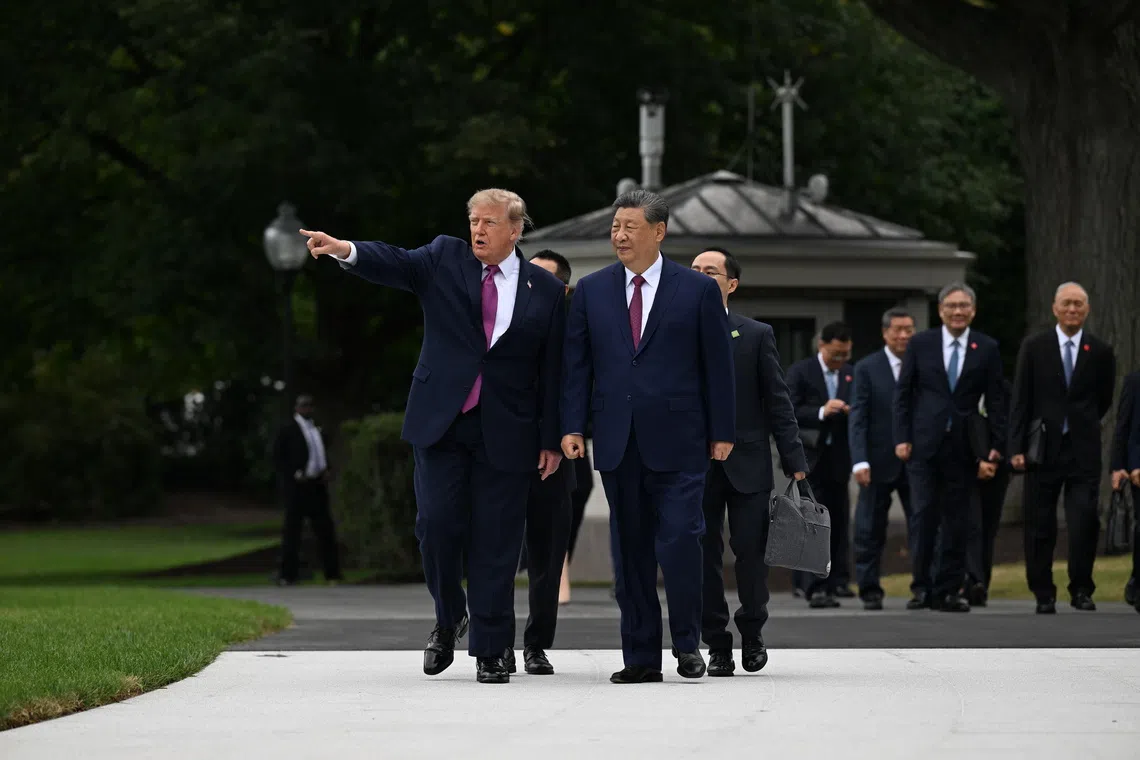
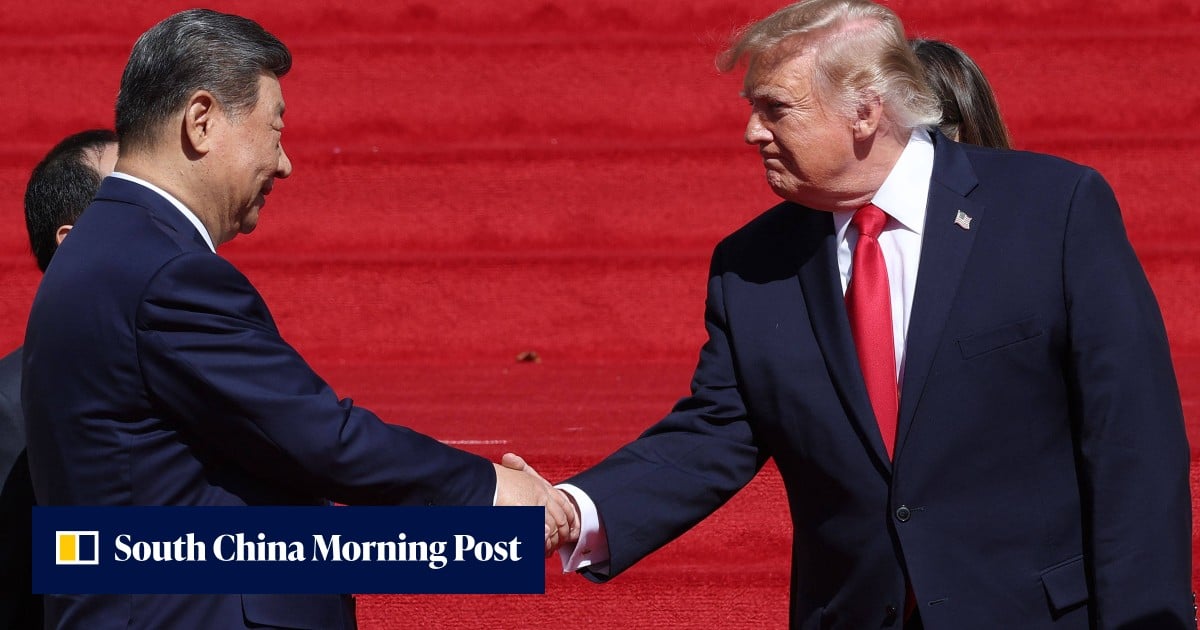
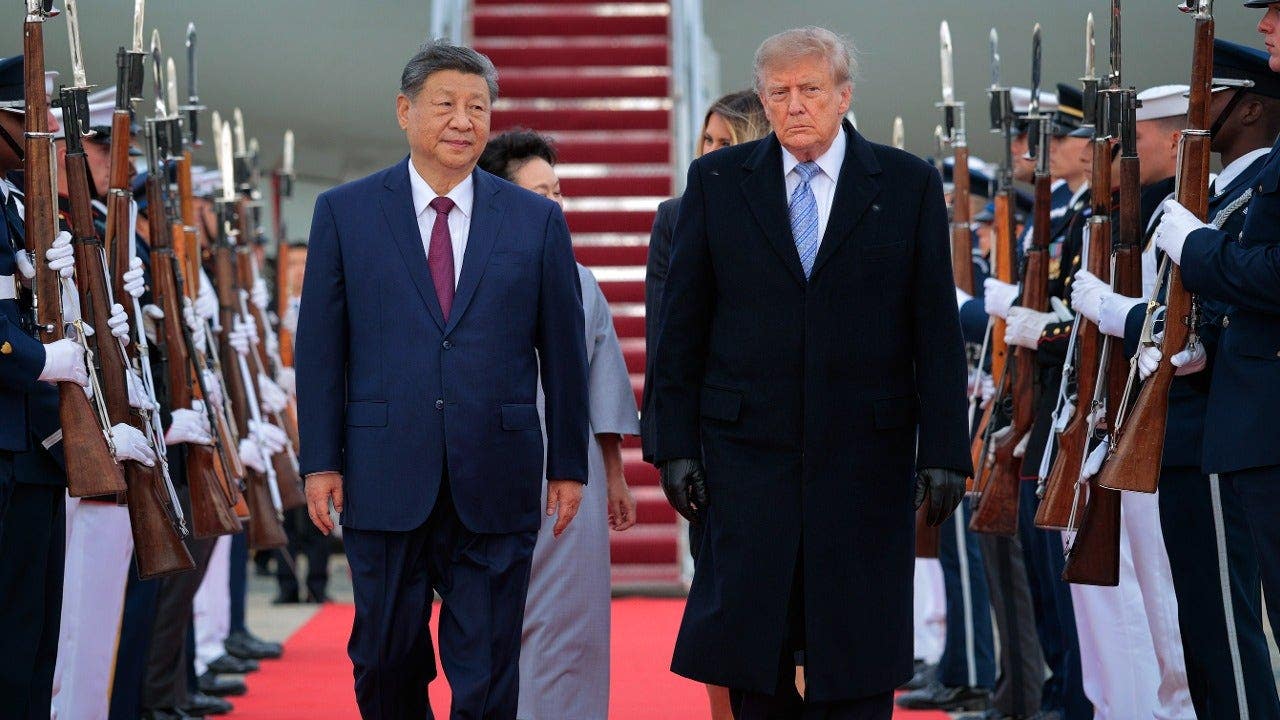
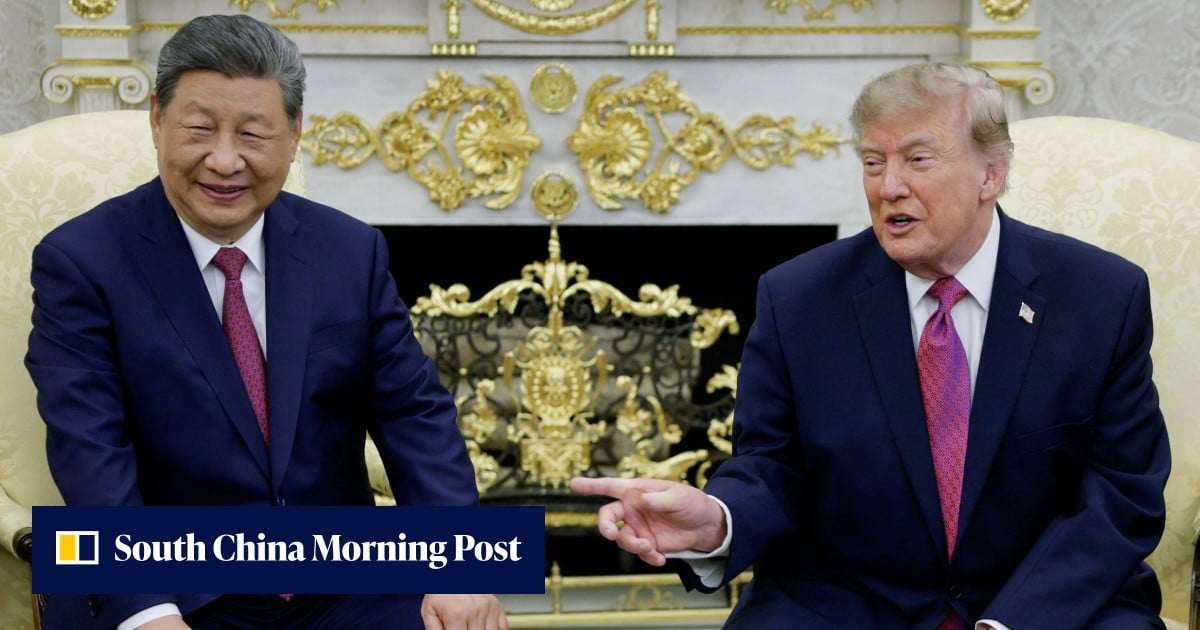
China got more than a lump of coal out of President Trump’s White House meeting with President Xi Jinping — as the communist nation agreed to buy at least 10 million metric tons of American coal each year in 2027 and 2028.
asserted
nation → get → 2027
The coal deal — part of Trump’s push to revive the US coal industry — was among a series of commitments released by the White House after the high-gloss, three-day state visit, though the two leaders did not announce major breakthroughs on several of their biggest disputes.
asserted
leaders → revive → disputes
The two countries also reached a deal through the US-China Board of Trade covering $30 billion worth of non-sensitive goods, according to the White House.
uncertain
countries → reach → House
The agreement would provide more favorable treatment for products including US agricultural goods, medical devices, fish, wood and cosmetics, while US imports from China covered by the arrangement include small appliances, toys, holiday decorations and children’s car seats
“We’ve actually reached agreement with the Chinese on a number of these things,” US Trade Representative Jamieson Greer told CNBC Friday.
asserted
Greer → provide → CNBC
Trump is eager to boost exports and find ways to lower consumer costs, as inflation continues to register as a top concern heading into the midterm elections.
asserted
inflation → boost → elections
But getting China to follow through on its promises has been another matter.
asserted
China → get → promises
China has fallen short of its pledge to buy US soybeans and of its commitment to buy $17 billion in US agriculture products overall, according to Agriculture Department data.
uncertain
China → fall → data
US farmers are already getting hit by high diesel prices affected by the US war with Iran.
asserted
farmers → hit → Iran
China’s economy is heavily reliant on coal, although it has followed up on a pledge at the UN five years ago to stop funding overseas coal plants.
asserted
it → follow → plants
The new trade commitments also come after Trump told Xi that China’s support for Iran was “totally unacceptable,” according to the US ambassador to China.
uncertain
support → come → China
And in one of the stranger takeaways from the summit, Trump and Xi agreed to call artificial intelligence “super intelligence” — a terminology change Trump had been pushing publicly.
“The two leaders agreed to use the term ‘super intelligence’ rather than ‘artificial intelligence’ to describe the applicable emerging technologies,” the White House said.
asserted
House → agree → technologies
 The Aporia