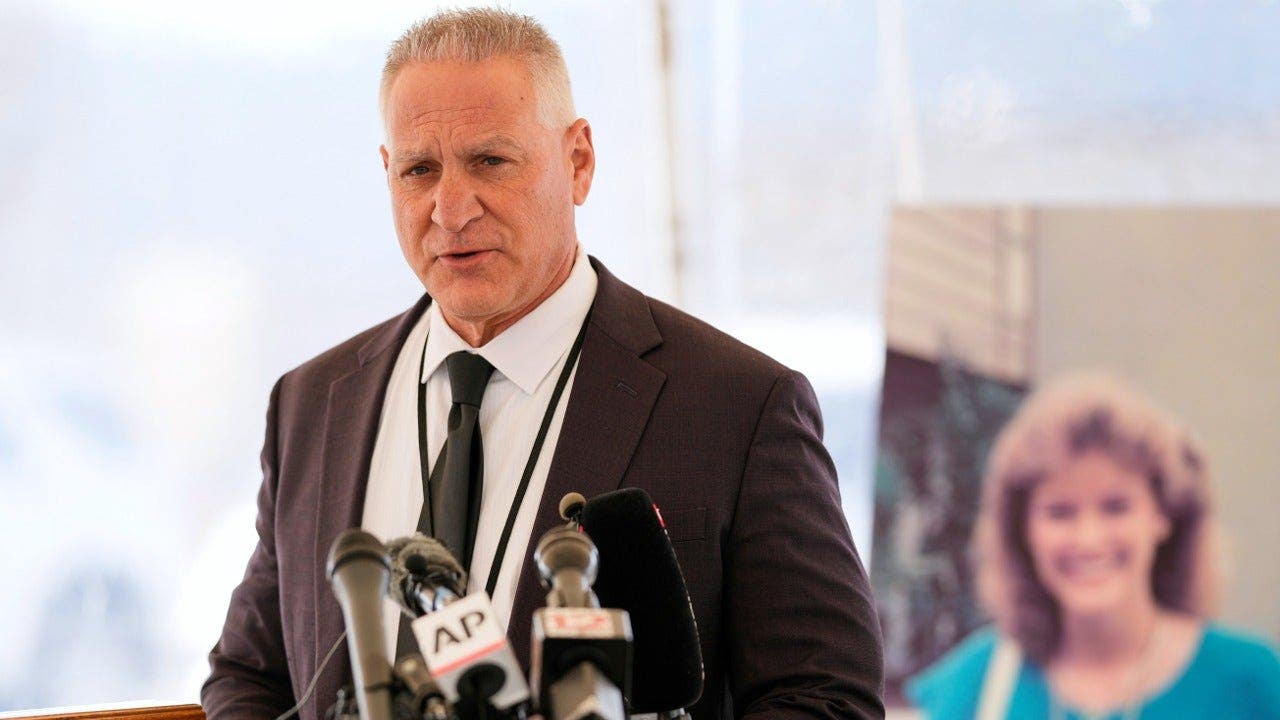
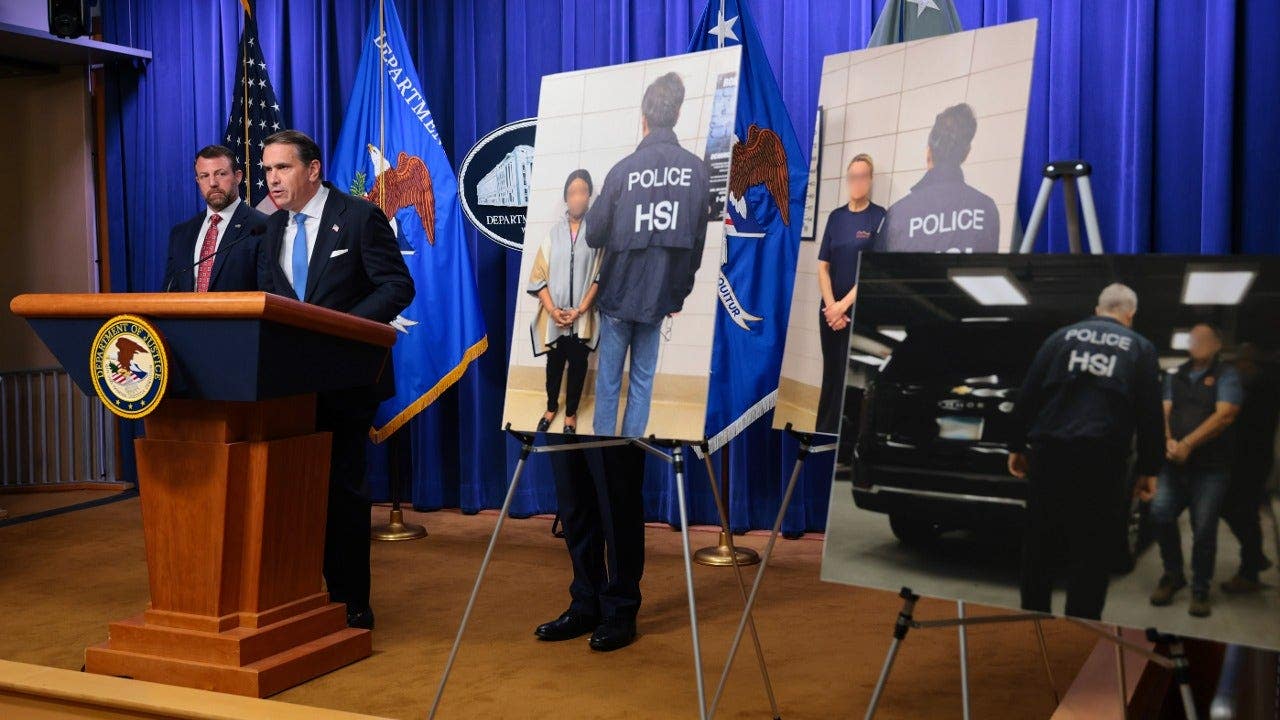
President Donald Trump used a budget maneuver known as "pocket rescission" to cancel $810 million in congressionally approved spending for programs aiding illegal immigrants and promoting diversity. The majority of the cuts, approximately $567 million, targeted Health and Human Services initiatives that support refugees and non-citizens. Other affected areas included education programs for migrant students and various grants deemed ideological or harmful by the administration. Critics argue this move undermines Congress's authority over federal spending and is potentially illegal under the Impoundment Control Act.
Written locally by qwen2.5:14b on 2026-09-26,
using this article's own text rather than the other coverage of the
same event (that is the story summary below).
Story summary
President Trump ordered the cancellation of $810 million in congressionally approved funding on Friday, marking the second use of a "pocket rescission" in 49 years. This controversial move zeroes out funds for illegal immigrants and race-focused programs across seven federal departments, including HHS, Education, and Homeland Security. Key cuts include $10 million from minority business grants, $10 million for legal services aiding illegal immigrants, and $70 million allocated to "woke" international education initiatives. Critics argue the move undermines Congress's constitutional authority over spending; Republican Senator Susan Collins called it an "illegal action."
Written for “Trump Pocket Rescission Spending” on 2026-10-05,
grounded in this article and the 13 other(s) covering the same event.
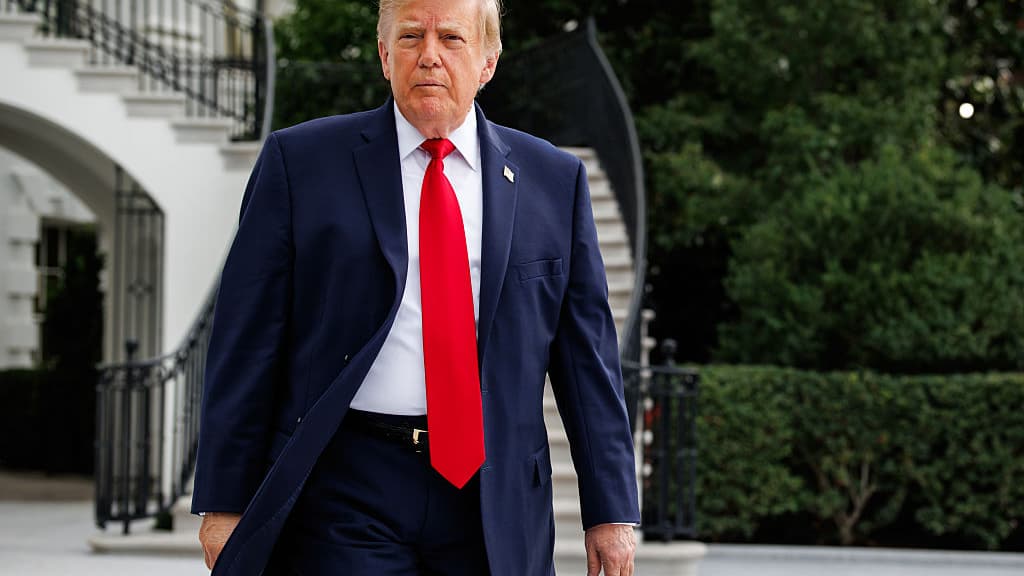
The Trump administration announced Friday that it was canceling $810 million in congressionally approved spending for programs serving illegal immigrants, diversity initiatives and other efforts the administration argued do not benefit American citizens.
asserted
administration → announce → citizens
To claw back the funds, President Donald Trump used a "pocket rescission," a budget maneuver the executive branch contends is within its authority but that Congress and the Government Accountability Office (GAO) say exceeds the president's authority.
asserted
Congress → claw → authority
The vast majority of the cuts, some $567 million, were aimed at Health and Human Services programs that provided funding to non-government organizations supporting refugees, asylees and other non-citizens.
asserted
that → aim → refugees
The White House is also seeking to rescind $25 million for education programs for migrant students, claiming they supported things such as "an LGBT youth summit" and "Therapy for Latinx workshops."
asserted
they → seek → Latinx
Programs the administration labeled "Woke International Education" were also selected for $70 million in cuts.
asserted
administration → label → cuts
The White House said the funding supports bringing foreign students and faculty to the United States and, in some cases, has funded doctoral dissertations on "queer and trans community building in foreign countries."
asserted
funding → say → countries
Other programs receiving the axe included a Justice Department office focused on reducing racial tensions, a business development initiative for minority entrepreneurs, Housing and Urban Development Department counseling services, and a series of Health and Human Services grants the administration described as "outright harmful and blatantly ideological."
asserted
administration → receive → grants
The White House's announcement about the rescissions noted that several of the organizations are led by former officials in President Barack Obama's administration.
asserted
several → note → administration
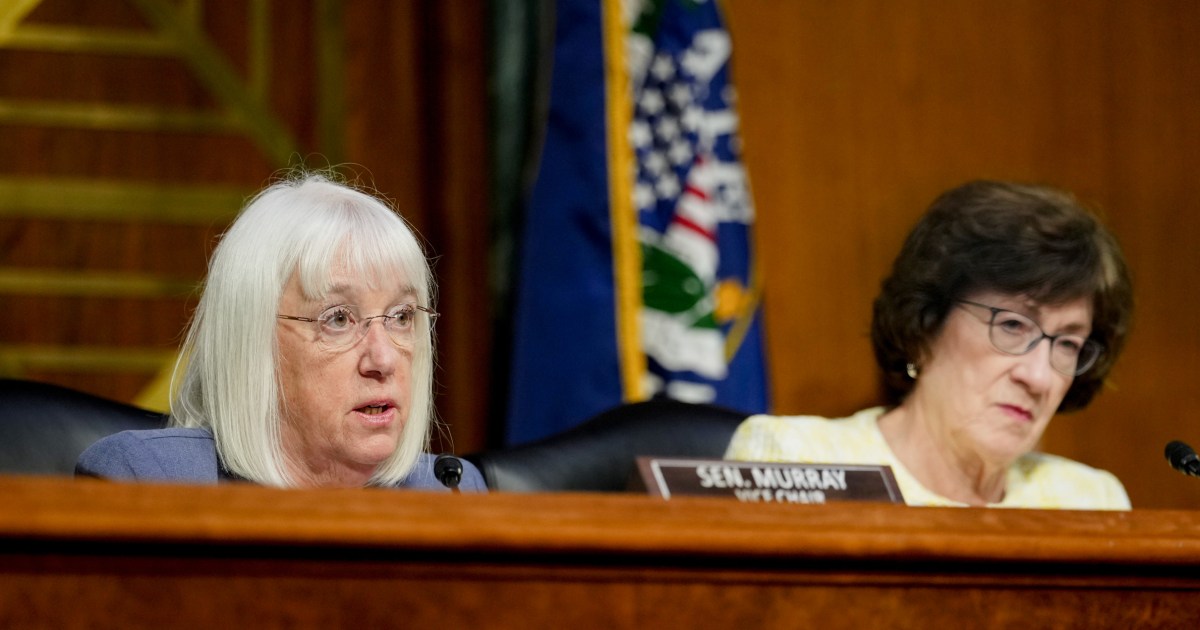
Sen. Susan Collins, R-Maine, who faces a tough re-election campaign, condemned Trump's cuts and called it "the most recent attempt by this Office of Management and Budget (OMB) to undermine Congress’s Constitutional power of the purse."
Under the most recent pocket rescission, the White House proposed canceling the funding near the end of the federal fiscal year on Sept. 30.
asserted
House → face → Sept.
Collins argued that this was intentional on the part of the Trump administration, because if the money remains unspent until Sept. 30, it expires before Congress' 45-day review period can be completed.
asserted
period → argue → Sept.
On top of that, the House of Representatives will be out of session through the November election, making it essentially impossible for Congress to respond.
asserted
Congress → make → election
"The independent Government Accountability Office has concluded that pocket rescissions are unlawful and not permitted by the Impoundment Control Act," Collins said in a statement.
asserted
Collins → conclude → statement
"I will work with my colleagues to address these illegal actions."
asserted
I → work → actions
The OMB under Trump has argued that the Impoundment Control Act does not explicitly forbid the president from rescinding funds near the end of a fiscal year, according to a summary from the Congressional Research Service (CRS).
uncertain
Act → argue → Service
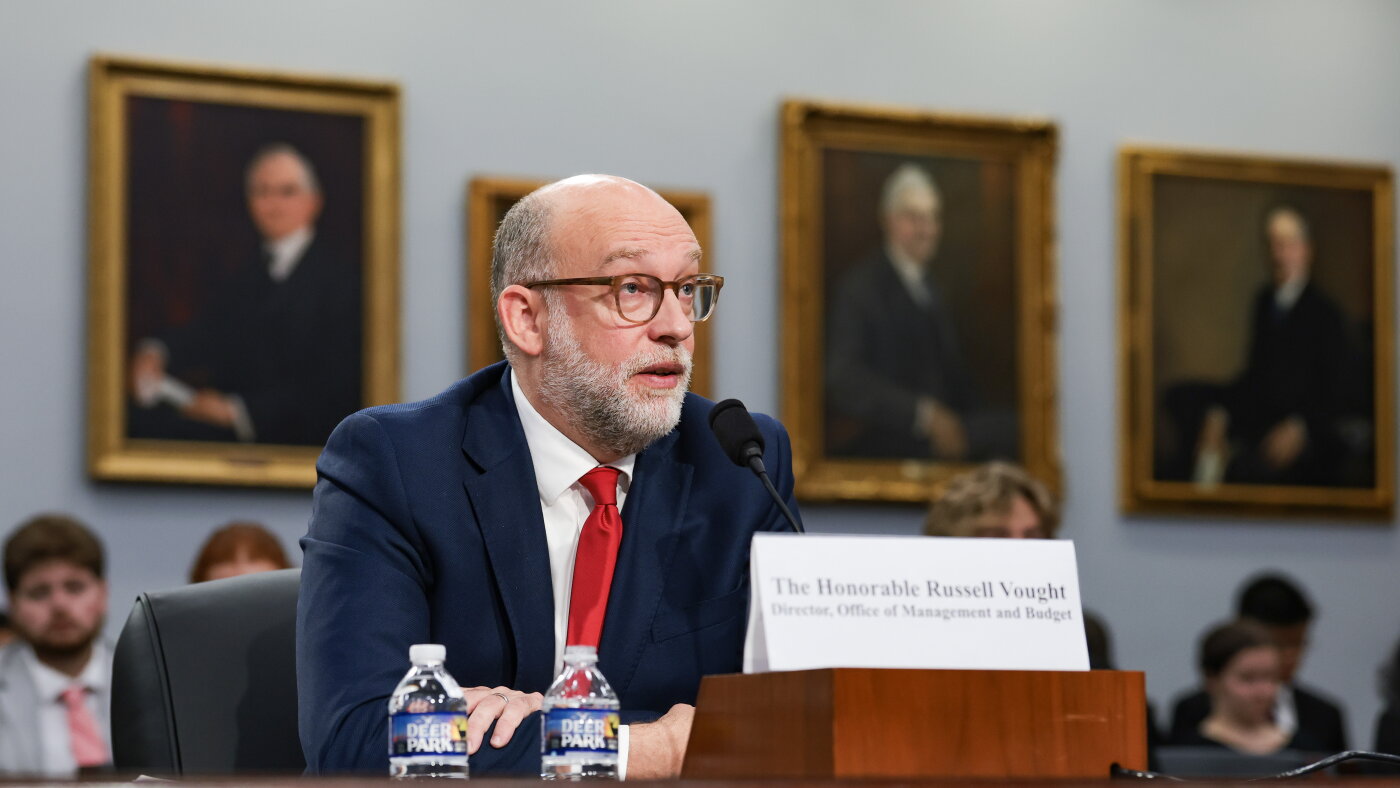
OMB Director Russ Vought has repeatedly said the same.
asserted
Vought → say → same
That same CRS summary said the GAO has likened pocket rescissions to a line-item veto, which would allow a president to strike portions of legislation without congressional approval — a power the Supreme Court ruled unconstitutional.
asserted
Court → say → power
A year ago, Trump issued the first pocket rescission in nearly 50 years, seeking to cancel $4.9 billion in congressionally approved foreign aid.
asserted
Trump → issue → aid
The Supreme Court declined to block the move, citing the president's authority over foreign affairs as it allowed litigation to continue.
asserted
litigation → decline → affairs
The last pocket rescission took place under former President Jimmy Carter, who proposed it well before the 45-day congressional review deadline.
asserted
who → take → deadline
 The Aporia