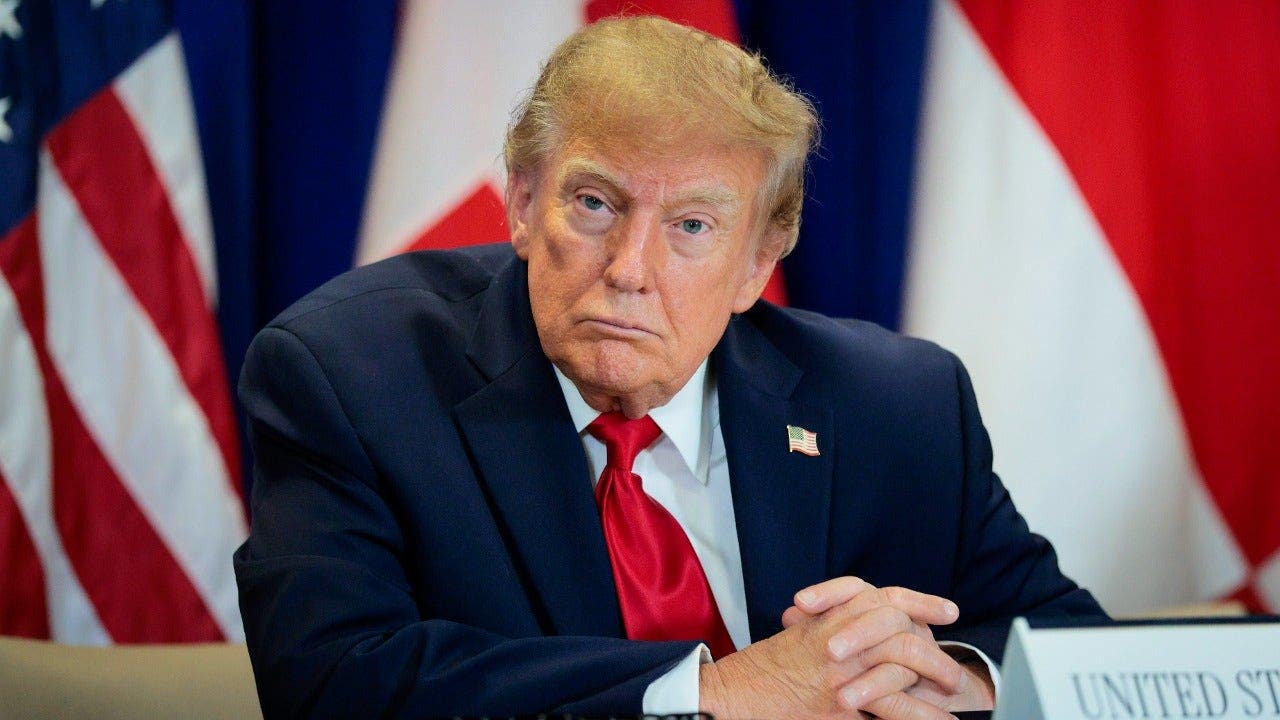
The White House said Friday that it planned to cut $810 million in bipartisan, congressionally approved funding, spurring criticism from lawmakers on both sides of the aisle.
asserted
it → say → aisle
The executive branch would effectively send the funds back to Congress using so-called pocket rescissions, a rare budgetary tactic that the Trump administration has used before to negate congressionally allocated spending.
asserted
administration → send → spending
The rejected funding affects several programs and agencies serving immigrants, minority groups and Department of Health and Human Services research programs.
asserted
funding → reject → Health
The administration has argued that while the law gives Congress a 45-day period to accept or reject a White House decision to withhold funds, there is no way to follow that protocol if the action occurs less than 45 days before the end of the fiscal year.
asserted
action → argue → year
That argument has been challenged in court and criticized by lawyers and both Republican and Democratic lawmakers.
asserted
argument → challenge → lawyers
The fiscal year ends Sept. 30, only a few days away, and the House is not scheduled to return until after the midterm elections in November.
asserted
House → end → November
The White House announced the move in a statement Friday, describing the rejected funding as “the most harmful government spending.”
asserted
House → announce → spending
“President Trump is committed to utilizing all possible tools to cut wasteful and harmful government spending that does not benefit American citizens,” the statement said.
asserted
statement → commit → citizens
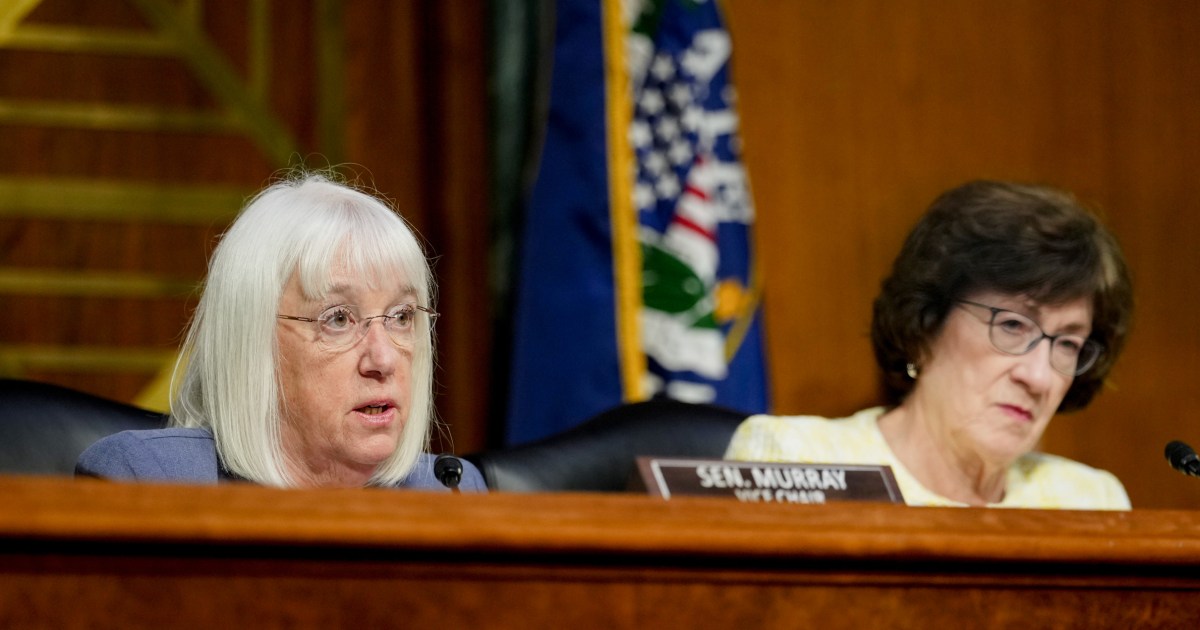
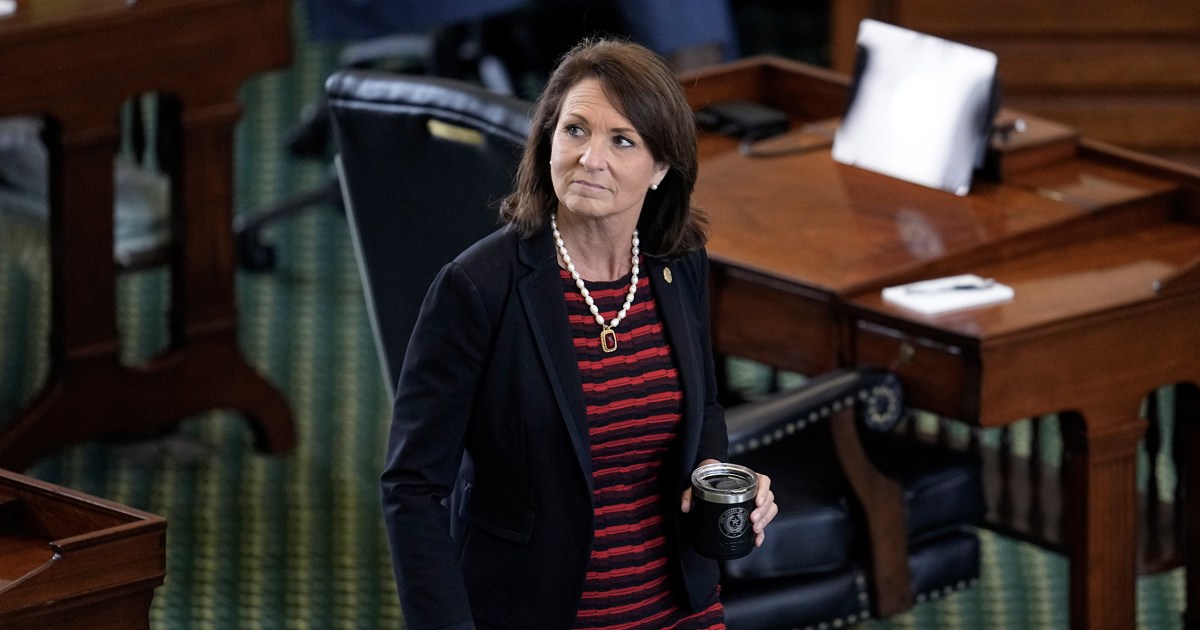
Senate Appropriations Committee Chair Susan Collins, R-Maine, called the administration’s move “unlawful” Friday and said, “I will work with my colleagues to address these illegal actions.”
asserted
I → call → actions
“This move shows that [the Office of Management and Budget] intentionally withheld these funds for months to execute this unlawful cancellation of appropriations that were approved on a bipartisan basis and signed into law,” Collins wrote in a statement.
asserted
Collins → show → statement
“Not only is the delay itself an impoundment that was not reported to Congress, but also it is a usurpation of Congress’s appropriations powers.”
asserted
it → report → powers
She wrote that as OMB is part of the executive branch, “It does not get to decide which programs are worth funding.”
asserted
programs → write → branch
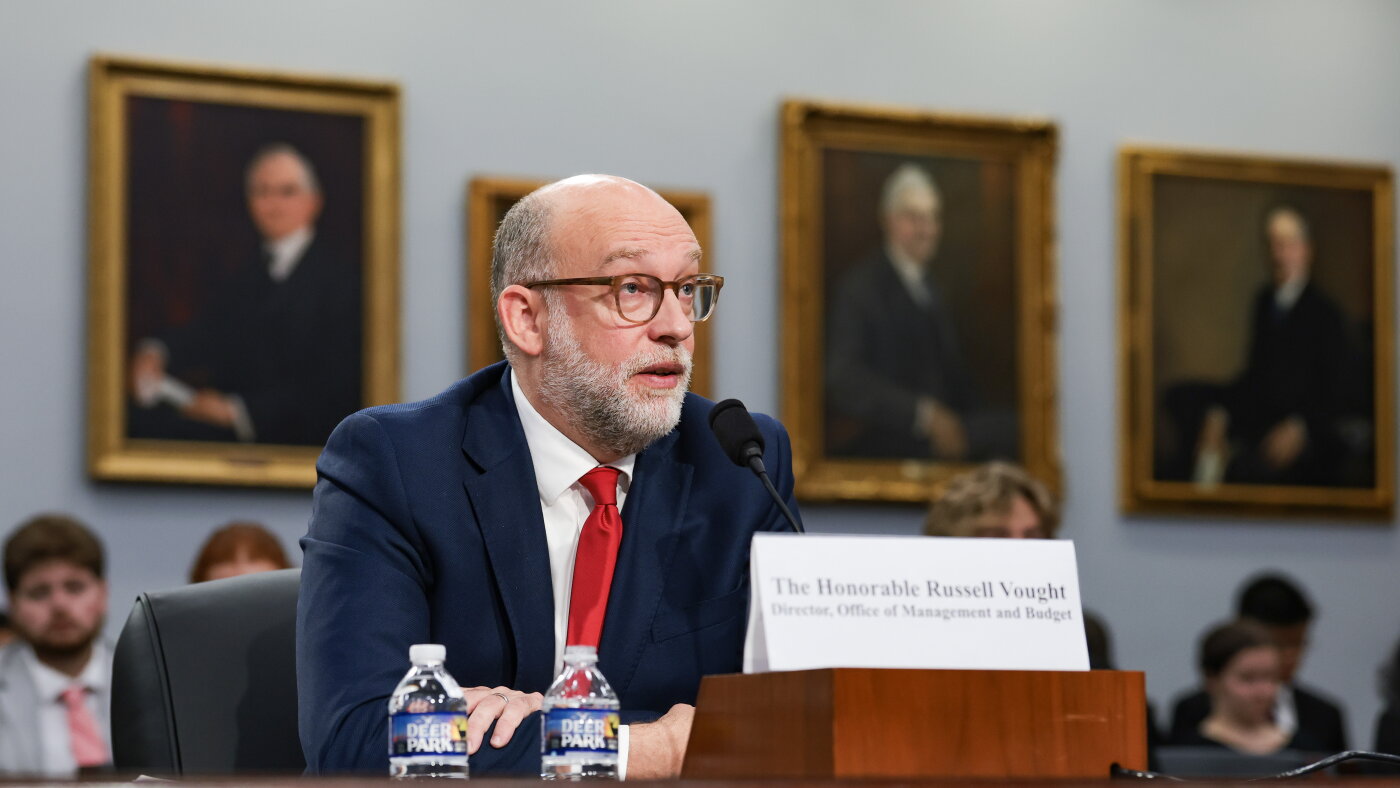
Sen. Patty Murray, D-Wash., who serves as vice chair of the Appropriations Committee, called the move a “theft from the American people” and took aim at OMB Director Russ Vought.
asserted
who → serve → Vought
“Russ Vought’s message to Congress is that your votes don’t count, and your laws are optional,” Murray said in a statement.
asserted
Murray → count → statement
“It is now time for my Republican colleagues who said they would never let this happen to stand up and join us to stop this, and remind this administration this is not how this works.”
asserted
this → say → administration
Senate Minority Leader Chuck Schumer, D-N.Y., also disparaged the tactic, writing in a statement that “With this rescissions package, the Trump administration is illegally stripping nearly $1 billion in critical funding that supports kids, K-12 students, small businesses, and health and clean air research.”
asserted
that → disparage → kids
Schumer added that Senate Democrats will “challenge Trump’s illegal cuts.”
asserted
Democrats → add → cuts
The White House listed the programs that it rejected funding for, writing that tax dollars were being “wasted.”
asserted
dollars → list → funding
The programs included funding for several nongovernmental organizations that serve immigrants and refugees, NGOs that provide housing counseling, and funding that supports bringing foreign students and faculty to U.S. academic institutions.
asserted
that → include → institutions
The administration also said it rejected funding for the Community Relations Services, a subagency of the Justice Department that was established as part of the Civil Rights Act and nicknamed “America’s Peacemaker.”
asserted
that → say → Act
The White House also listed denying funds for a program that grants debt relief to countries that implement climate change policies and a program that assists minority business owners.
asserted
that → list → owners
There were also funds rejected for what the White House deemed “overfunded and unaligned” HHS research programs.
asserted
House → be → ?
It also returned funds for the department’s Office of Minority Health.
asserted
It → return → Health
Trump used the same tactic to announce $4.9 billion in cuts last year, including $3.2 billion in cuts to USAID, $322 million in cuts for the USAID’s State Democracy fund and hundreds of millions of dollars from funding meant to support worldwide peacekeeping activities.
asserted
Trump → use → activities
The $4.9 billion foreign aid cuts were challenged in court last year, but the Supreme Court ultimately ruled in favor of the administration in September 2025.
asserted
Court → challenge → September
Congress approved a rescissions package in July 2025 that nixed $9 billion in foreign aid and for the Corporation of Public Broadcasting, which funds NPR and PBS.
asserted
which → approve → NPR
Last year, lawyers for the Government Accountability Office, a nonpartisan federal agency, wrote a post on WatchBlog that stated pocket rescissions are illegal.
asserted
rescissions → write → WatchBlog
“A pocket rescission could allow a president to avoid spending the money regardless of whether Congress approves the rescission request,” the post said.
uncertain
post → allow → request
“This would cede Congress’s power of the purse by allowing a president to, in effect, change the law by shortening the period of availability for fixed-period funds.”
asserted
president → cede → funds
In its arguments, the Trump administration has cited the Impoundment Control Act, which Congress passed in 1974 with the aim of regulating the president’s control over the budget.
asserted
Congress → cite → budget
It came after former President Richard Nixon had sought to withhold spending on programs that he did not support.
asserted
he → come → that
The administration argues that it can withhold money through pocket rescissions, which had not been used in nearly 50 years until Trump revived them last year.
asserted
Trump → argue → them
Despite the tactic’s controversy, the White House again touted the president’s use of it Friday.
asserted
House → tout → it
“Last year, President Trump took the historic step of utilizing long-neglected Presidential authorities provided to him under the Impoundment Control Act to deploy the first ‘pocket rescission’ in 50 years,” the statement said, adding, “This year, he is continuing his commitment.”
asserted
he → take → commitment
 The Aporia