Its one big export is oil, but it sits on such a huge supply of the natural resource that revenues from the sale of oil abroad offset the imports and ensured that the country had a positive trade surplus.
asserted
country → sit → surplus
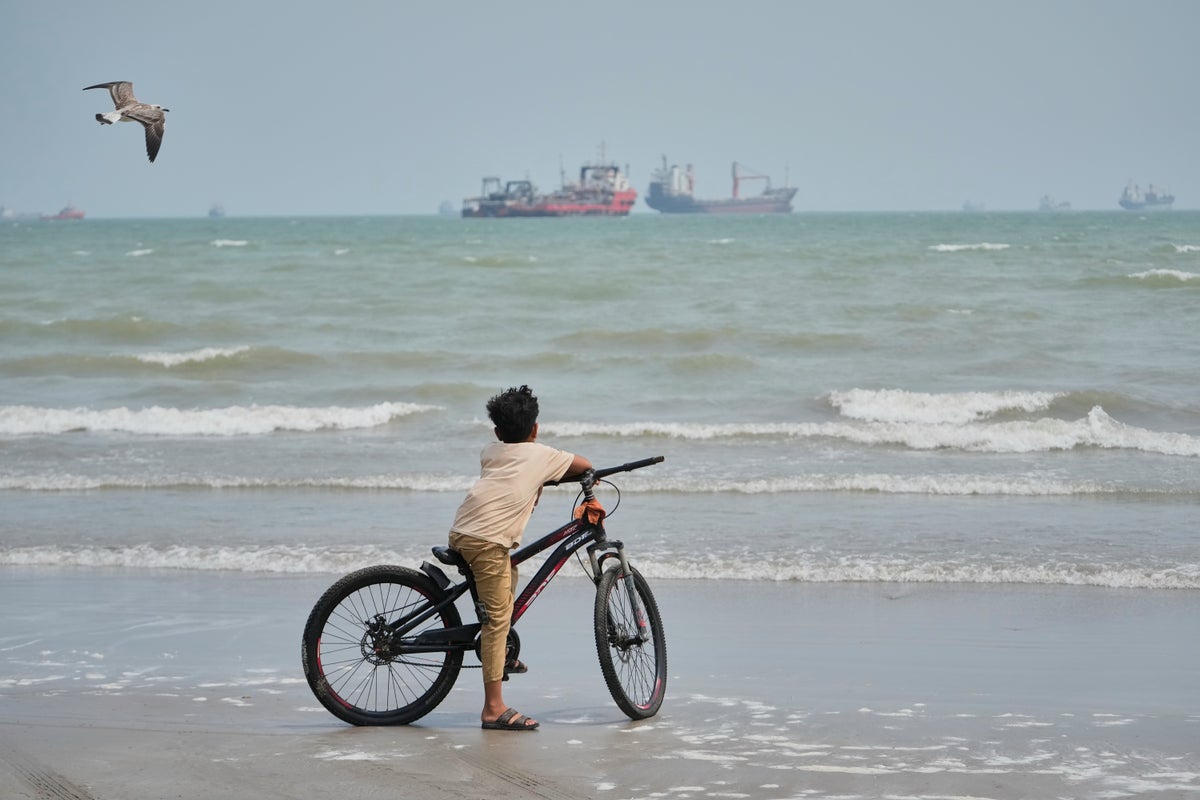
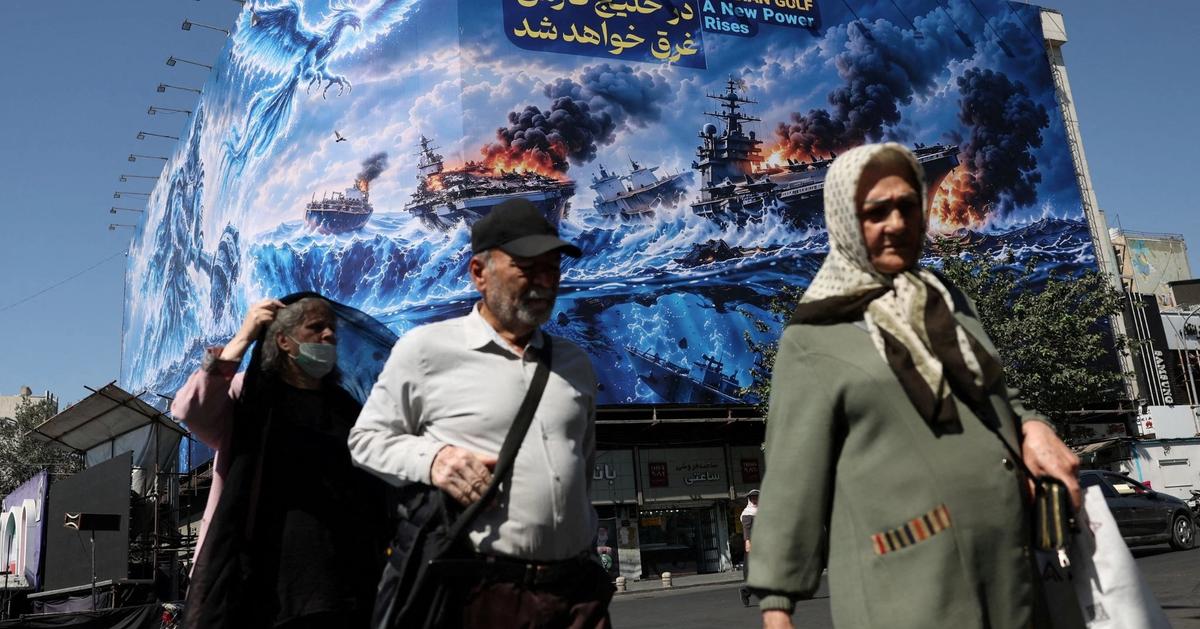
Things have changed, however, since the start of the US-Israeli war on Iran in late February, and the subsequent end to the free flow of trade through the Strait of Hormuz, through which much of the country’s trade with the rest of the world passed.
asserted
much → change → world
Now, Iraq’s Prime Minister Ali al-Zaidi has described the country as “facing extraordinary economic challenges”.
asserted
Minister → describe → challenges
Recommended Stories
list of 3 items- list 1 of 3Netanyahu’s UN belligerence wins cheers at home as world walks out
- list 2 of 3The
asserted
world → win → home
Trump-Xi summit exposes a US disadvantage in the Global South
- list 3 of 3UAE bars Iranian airlines as US sanctions squeeze Iran’s aviation sector
Al-Zaidi said earlier this week that Iraq had lost about $60bn in oil revenues as a result of the war, the result of being, for a period, unable to export about 90 percent of its oil through its usual Gulf routes, which have become central to negotiations between Washington and Tehran, with the latter linking free passage through the strait to an easing of US pressure and the lifting of a blockade on Iranian ports.
asserted
latter → expose → ports
That’s a massive blow to Iraq: oil revenues account for more than 90 percent of Iraq’s federal budget.
asserted
revenues → ’ → budget
The disruption to shipping routes has also affected supply chains, increasing transport times and costs for Iraqi businesses and consumers, in addition to reducing imports.
asserted
disruption → affect → imports
One supermarket owner in Baghdad, Alaa-Eddin Sulaibi, estimated that the percentage of imported goods sold at his store was now 70 percent, down from 90 percent before the war started.
“We have no choice but to sell local products, even if they are not of the same quality as imported ones,” he said.
asserted
he → estimate → ones
He added that the price of the imported goods had risen by between 25 and 30 percent.
asserted
price → add → percent
“The reasons [for the price increase] extend beyond disruptions in the Gulf, but also longer delivery times for goods arriving from China, and higher fuel and transportation costs, particularly for trade with Turkiye,” he said.
asserted
he → extend → Turkiye
Several merchants who spoke to Al Jazeera said goods imported from China were now facing significant delays, in some cases taking up to three months to arrive because of the increase in transportation costs as a result of importers being forced to take more circuitous routes to bypass the Strait of Hormuz, or being delayed at the maritime chokepoint.
asserted
importers → speak → chokepoint
Dollar rises against Iraqi dinar
asserted
Dollar → rise → dinar
The crisis has put pressure on the Iraqi dinar, which has dropped against the US dollar, in a development that has triggered concern among Iraqis.
asserted
that → put → Iraqis
The dollar rose to about 1,600 Iraqi dinars on the parallel market last week, before easing to about 1,575 this week.
asserted
dollar → rise → 1,575
The widening gap between the official exchange rate – approximately 1,300 dinars to the dollar – and the parallel market rate has also created uncertainty for businesses and added to the financial burden on consumers.
asserted
gap → widen → consumers
The official market rate is largely not available to everyday people, and the divergence in rates allows for some businesses to obtain dollars at the cheaper official rate, while others are forced to use the parallel market and pay more.
asserted
others → allow → more
At the same time, the Iraqi government is also dealing with concerns about the availability and transfer of dollars that Baghdad receives through arrangements linked to its oil revenues.
asserted
Baghdad → deal → revenues
Following the fall of the regime of President Saddam Hussein after the 2003 US invasion of Iraq, the country’s oil revenues were placed in a special account in the US, with money then transferred to Baghdad.
asserted
money → follow → Baghdad
This transfer is renewed annually by the US president, with the stated purpose of safeguarding Iraq’s financial resources.
asserted
transfer → renew → resources
But the system also gives Washington a large degree of oversight over the flow of dollars from the account to Iraq.
asserted
system → give → Iraq
In April, the Trump administration began halting the shipment of physical cash from the account to Iraq, releasing only electronic dollar transfers, with some reporting indicating that the halt in physical cash transfers was linked to pressure over the activities of Iran-backed militias in Iraq.
asserted
halt → begin → Iraq
Some physical cash shipments resumed in July, but the US has also accused several private Iraqi banks of being involved in large-scale dollar smuggling operations to Iran.
asserted
US → resume → Iran
Local reports have suggested that the Central Bank of Iraq (CBI) is facing difficulties supplying commercial banks with sufficient dollars, particularly for financing imports, potentially leading to higher prices in local markets.
uncertain
Bank → suggest → markets
The CBI has denied that it is facing a shortage, saying in a statement on Saturday that it “has sufficient foreign reserves to meet all demands for foreign currency”, adding that included “financing foreign trade”.
asserted
that → deny → trade
The central bank blamed the rise in the parallel market dollar exchange rate on “speculation, expectations, and the misuse of regional geopolitical conditions by certain parties seeking to disrupt Iraq’s economic and financial stability”.
asserted
bank → blame → stability
‘Deep imbalances’ in the economy
The pressure on Iraq’s finances is nevertheless intensifying as the war continues and oil revenues fall.
Mudher Mohammed Salih, the Iraqi prime minister’s financial adviser, said in a television interview this week that the CBI’s foreign reserves had fallen from about $106bn before the war began, to roughly $80bn by late August.
asserted
war → intensify → August
Economists say the crisis has exposed longstanding structural weaknesses in Iraq’s economy, particularly its dependence on oil revenues and imported goods.
asserted
crisis → say → revenues
“This crisis has revealed the deep imbalances within the structure of the Iraqi economy, most notably the absence of safeguards capable of protecting the economy during times of turmoil,” Ziad al-Hashimi, a PhD researcher in international economics at Anglia Ruskin University, told Al Jazeera.
asserted
Hashimi → reveal → Jazeera
“The crisis has also shown that the Iraqi government lacks genuine solutions or effective measures that could bring about the kind of structural change needed to overcome the situation,” he added.
uncertain
he → show → situation
Al-Hashimi said that the government’s immediate options were limited.
asserted
options → say → ?
“All the Iraqi government can do are short-term measures that may have only limited the impact in the coming period, such as resorting to borrowing, which is not a genuine solution,” he said.
uncertain
he → do → borrowing
“Real solutions require a long time before results can be seen.
asserted
results → require → time
They include diversifying Iraq’s oil export markets abroad, managing public spending in a more systematic way to avoid unnecessary expenditures, and continuing efforts to combat corruption.”
asserted
They → include → corruption
 The Aporia