One after the other they lined up to speak: national leaders warning of increasing imminent danger to their countries.
asserted
leaders → line → countries
World leaders spent this week bemoaning the big challenges facing the world in speeches to the United Nations General Assembly.
asserted
leaders → spend → Assembly
But the more extraordinary line up of warnings has been coming from Europe over the past week.
asserted
up → come → week
Last weekend, France, the Netherlands, Finland, Lithuania, and Switzerland all individually warned their citizens of increased threats from Russia.
asserted
France → warn → Russia
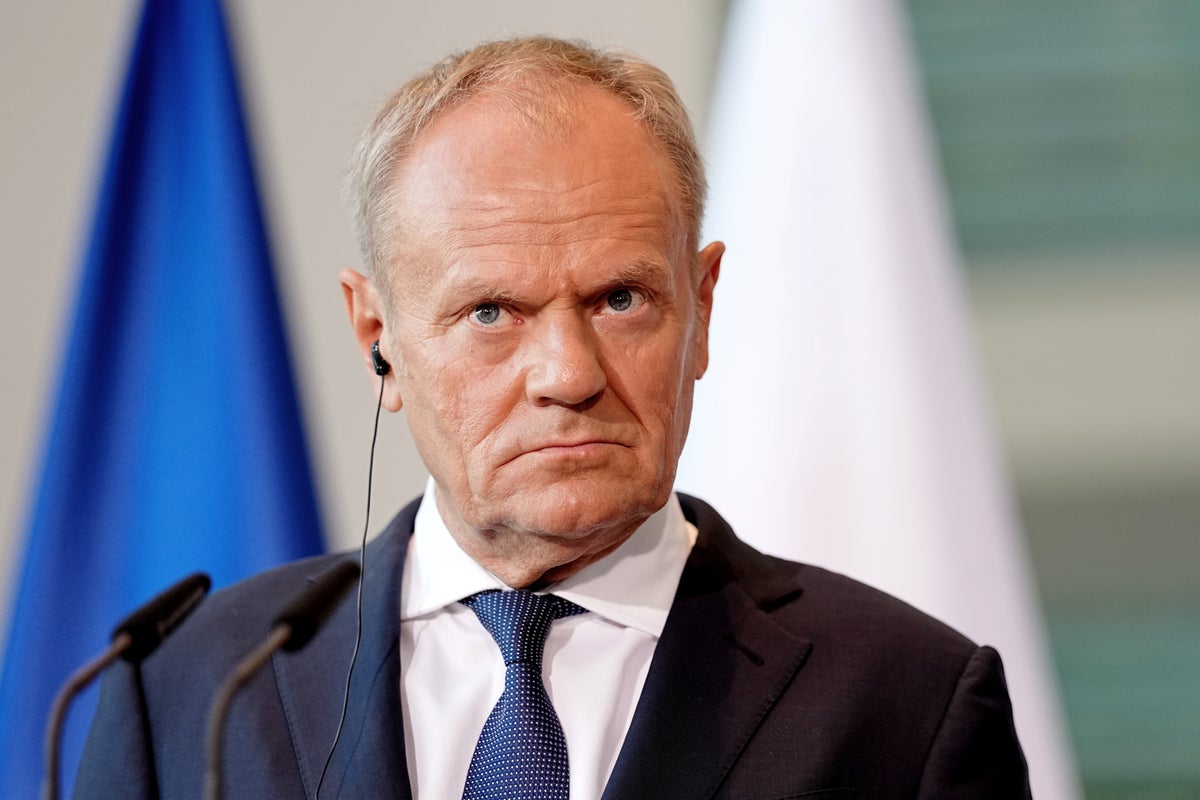
This followed Polish prime minister Donald Tusk, citing intelligence assessments, telling the Polish parliament last week that Russia could launch "hybrid drone and missile strikes" against Poland and other NATO countries supporting Ukraine, while portraying them as accidental.
uncertain
Russia → follow → them
Such attacks could form part of a Russian effort to test NATO's resolve, he said, and cast doubt on whether the alliance would invoke Article 5, under which an attack on one member is treated as an attack on all.
uncertain
attack → form → all
"These possibilities have been discussed for some time, but the information is now highly consistent and, unfortunately, convincing," he added.
asserted
he → discuss → time
"I want to present the public with the most likely scenario for the next few months, because it is one that envisages serious events and requires focus, seriousness and the mental readiness to face difficult tests," he said.
asserted
he → want → tests
The French president, Emmanuel Macron, followed by calling the leaders of France's political parties — and 2027 presidential candidates — to an emergency briefing at the Elysee Palace to discuss Ukraine, Iran and the growing energy crisis.
asserted
president → follow → Ukraine
He called Tusk's warnings "sound and well-documented" as he announced a new critical infrastructure protection plan.
asserted
he → call → plan
Guillaume Lacroix, leader of the Radical Party of the Left, left the meeting saying: "At the age of 50, I have rarely felt such vertigo".
asserted
I → leave → vertigo
"No one is safe," Macron said.
asserted
Macron → say → ?
Then, on Thursday, the Danish government's defence intelligence service released an assessment that concluded that Russia would increase its threats to NATO nations, "with greater consequences for the targeted countries than in the past" of hybrid war and sabotage.
asserted
Russia → release → war
Underlying all these assessments of changing threats are not just warnings of greater cyber interference, or the occasional drone over NATO airspace.
asserted
warnings → underlie → airspace
The concern is that Russia may be planning to target critical infrastructure as it concentrates more on civilian targets in countries supporting Ukraine.
uncertain
it → plan → Ukraine
Several railway lines in the Netherlands and France have recently been sabotaged, for example, with at least one causing many injuries.
asserted
one → sabotage → injuries
Le Monde reported this week that ''more and more experts argue that it is time to abandon the term 'hybrid warfare' and simply call it war".
asserted
it → report → it
It is not that European leaders are worried about the threat of an imminent land invasion.
asserted
leaders → worry → invasion
It's more the spectre of finding themselves in the same situation as the Gulf countries that have been enduring months of Iranian missile and drone attacks on military and civilian targets as the stalemate between Iran and the US continues.
asserted
stalemate → find → Iran
Germany's lame duck
The European warnings came as the far right, pro-Russian Alternative for Deutschland (AfD) party made more gains in state elections in Germany last weekend and the support for the centre right party of Chancellor Friedrich Merz collapsed.
asserted
support → come → Merz
Merz's leadership of the country was left on life support amid agonising over how he could be removed (apparently not as easy as it is in Australia).
uncertain
it → leave → Australia
In the meantime, there is a sense of lame duck around German politics which is just what Europe doesn't need from its biggest economy just now.
asserted
Europe → be → economy
The AfD is pushing for Germany to buy more oil and gas from Russia ahead of an expected cold winter — and generally become more friendly.
asserted
Germany → push → winter
Given the German industrial base is undergoing its biggest transformations in a century — from car manufacturing to weapons and defence material — it's hardly surprising that some of its neighbours are watching developments with alarm.
asserted
some → give → alarm
However, it turns out that the AfD is not the only group wanting to buy Russian oil.
asserted
AfD → turn → oil
The Financial Times reported this week that the US government and Gulf power brokers with ties to the Trump family are backing a bid for the international assets of the Russian oil company Lukoil — put up for sale after it was hit with US sanctions last year.
asserted
it → report → sanctions
Lukoil's international assets were originally due to be sold to the US private equity group Carlyle.
asserted
assets → sell → group
But that deal "has stalled in Washington awaiting final US approval".
asserted
deal → stall → approval
"Lukoil's overseas assets, valued at $US20 billion ($28 billion) when they were written off in March, include oil and gas fields from central Asia to Mexico, thousands of petrol stations and a large European refining portfolio," the Financial Times reported.
"The sale of the assets presents a rare opportunity to snap up more than 3 billion barrels of proven and probable reserves, as well as some of Bulgaria and Romania's biggest refineries."
asserted
sale → value → refineries
The proposal "would put the US government in the unusual position of simultaneously bidding for the assets while another part of the administration decides their fate," the Financial Times noted with some understatement.
"
asserted
Times → put → understatement
The proposal raises the question of whether Carlyle would be disadvantaged if pitted against a consortium involving the US government and investors with ties to the administration, in a decision made by the White House.
asserted
Carlyle → raise → House
One person familiar with the process said: 'Yes, there is that concern'."
asserted
person → say → process
The Trump family's business interests continue to plough on apace, it seems, even as President Donald Trump's power base seemed to be diminishing in inverse proportion to his boasts at the UN General Assembly.
asserted
base → continue → Assembly
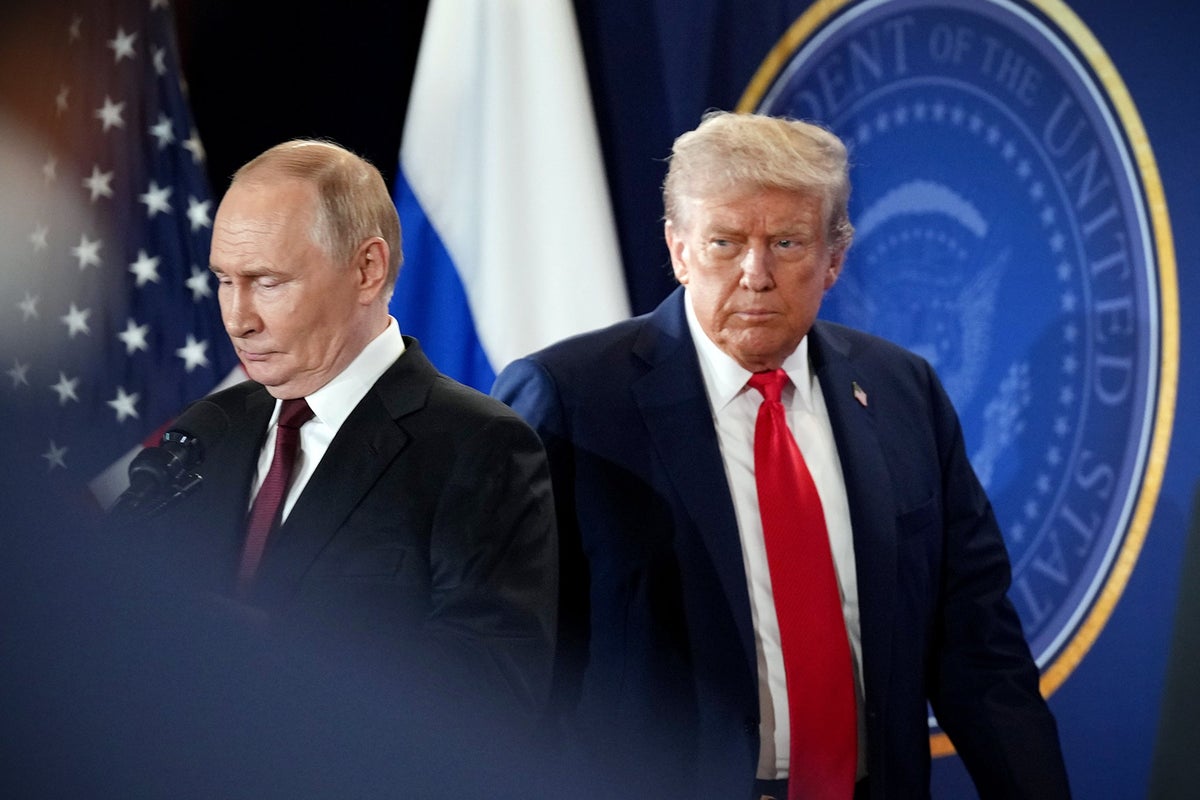
"I have a big decision to make,″ Trump had told the UN on Tuesday.
asserted
Trump → have → Tuesday
Yet few other world leaders gave it much credence.
asserted
leaders → give → credence
It was striking that in the addresses of others, the US/Israeli war on Iran seemed to feature relatively little in speeches, except perhaps from the Gulf states, with more (rhetorical) focus notably on Israel and its actions in Gaza and the West Bank.
asserted
war → seem → Gaza
Trump's speech seemed particularly directed at his ebbing political support in the US, ahead of mid-term elections.
asserted
speech → seem → elections
He boasted he was "reasserting American power" and the country's "unmatched military might": boasts that sounded particularly hollow after a weekend in which he had been building up to join the attack on the Houthis in Yemen, only to pull out at the last moment, reportedly among concerns from military advisers about the perilous state of US weapons stocks.
uncertain
he → boast → stocks
Despite almost criminal overuse of the words "pomp, and pageantry and red carpet", the media coverage of the state visit of Chinese President Xi Jinping was all framed in terms of the Chinese leader's better tactical hand on AI and other issues.
asserted
coverage → frame → AI
Israel's prime minister, Benjamin Netanyahu, was also using the platform of the UN to appeal to a domestic audience back home ahead of an imminent election, attacking the many detractors who had used the same podium this week to accuse Israel of genocide in Gaza.
asserted
who → use → Gaza
…and 7 more, not listed.
 The Aporia