European officials at the UN General Assembly warn of increasing Russian sabotage and cyberattacks across Europe to undermine support for Ukraine, while dismissing fears of a direct NATO attack. EU foreign policy chief Kaja Kallas stated that Russia is intensifying drone incursions, cyber operations, and other covert actions aimed at sowing fear and weakening Western unity. Polish Foreign Minister Radoslaw Sikorski cited multiple incidents including arson and explosions as actual attacks rather than mere threats. Romanian officials reported over 100 drone incursions into their territory near Ukraine’s borders with the Black Sea and Danube. Despite these activities, Estonian Foreign Minister Margus Tsahkna asserts there is no imminent threat of a Russian assault on NATO member states.
Written locally by qwen2.5:14b on 2026-09-23,
using this article's own text rather than the other coverage of the
same event (that is the story summary below).
Europeans warn of rising Russian sabotage but see no imminent NATO attack
UNITED NATIONS, Sept 23 - Russia is intensifying sabotage, cyberattacks and other hybrid attacks across Europe to undermine support for Ukraine, European ministers said, while dismissing concerns that Moscow is capable of launching a direct assault on NATO.
asserted
Moscow → warn → NATO
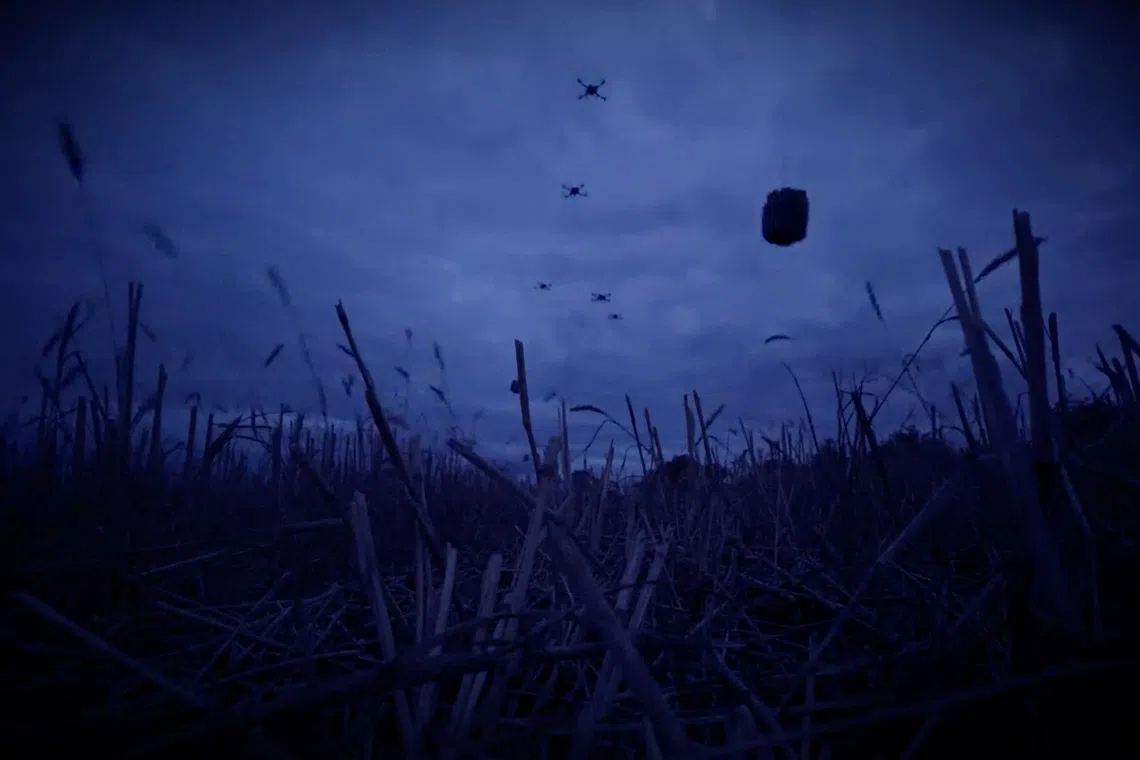
Speaking on the sidelines of the UN General Assembly this week, officials from countries on NATO's eastern flank said Moscow was increasingly using drone incursions, cyberattacks, sabotage and other covert operations to sow fear, test Western resolve and weaken backing for Kyiv.
asserted
Moscow → speak → Kyiv
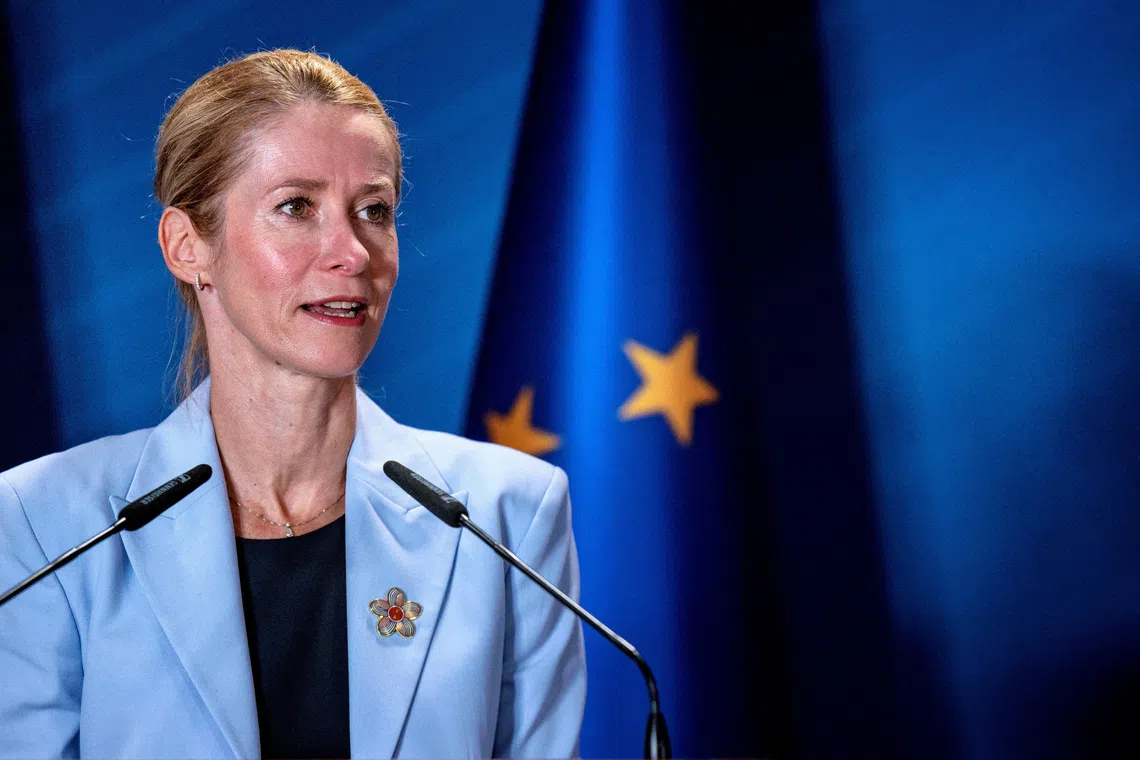
"Europe faces a fast proliferation of sabotage attacks and airspace violations," EU foreign policy chief Kaja Kallas told reporters.
asserted
Kallas → face → reporters
"Moscow is trying to scare Europe into winding down its support for Ukraine."
asserted
Moscow → try → Ukraine
European governments increasingly see Russia's most immediate threat not as a conventional military attack, but as a campaign of covert and deniable actions aimed at unsettling Ukraine's allies and eroding Western unity as the war drags on.
asserted
war → see → unity
Kallas said Russia appeared willing to take greater risks and argued the answer was to increase pressure on Moscow through tougher sanctions, including measures targeting its "shadow fleet" and military-industrial complex.
asserted
answer → say → fleet
"Russia's economy is one of its weakest parts, and we need to increase the pressure on it so that they would stop this war," she said.
asserted
she → need → war
Polish Foreign Minister Radoslaw Sikorski said such activity was no longer merely a threat.
asserted
activity → say → ?
"They're not just threats; they're actual attacks," Sikorski told Reuters, citing arson, explosions, drone incursions and what Warsaw says was a deliberate cruise missile violation of its territory.
asserted
Warsaw → tell → territory
The Polish Army Operational Command said on Wednesday a Russian military Mi-8 helicopter made a brief incursion into its airspace from the Russian exclave of Kaliningrad.
asserted
helicopter → say → Kaliningrad
"Our F-16s are scrambled up almost every day now because you just never know when these drones or missiles that approach might not actually be possible," he said.
uncertain
he → scramble → ?
Romanian Foreign Minister Oana Toiu told Reuters Bucharest had seen more than 100 incursions by drones or drone fragments onto its territory as Russia intensified attacks on Ukrainian infrastructure near the Danube and Black Sea.
asserted
Russia → tell → Danube
"We do not have data to indicate we're targeted directly, but that doesn't change the responsibility of Russia for the risk it creates," she said.
asserted
she → have → risk
Romania has responded by closing Russia's consulate in Constanta and coordinating diplomatic measures with European allies, she added.
asserted
she → respond → allies
The Kremlin consistently denies conducting sabotage operations in NATO countries or plotting any confrontation.
asserted
Kremlin → deny → confrontation
Despite the incidents, ministers drew a distinction between Russia's covert campaign and the prospect of a direct attack on NATO territory.
asserted
ministers → draw → territory
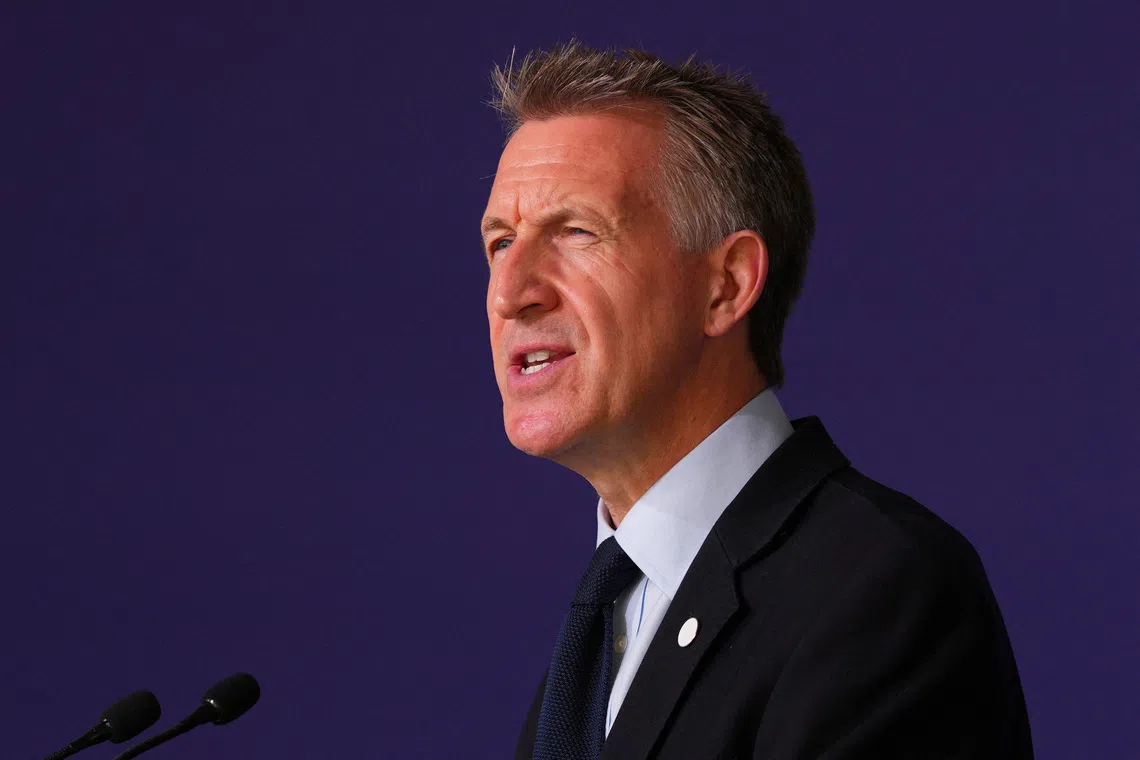
Estonian Foreign Minister Margus Tsahkna told Reuters alarmist predictions of an imminent Russian assault on the alliance were misplaced.
asserted
predictions → tell → alliance
"We don’t see that Russia is able and even preparing for some kind of active military aggression against NATO or the European countries," he said, arguing Moscow lacked the capabilities for such an operation while its forces remained heavily engaged in Ukraine.
asserted
forces → see → Ukraine
He said Moscow's campaign was designed primarily to create fear and divisions within Western societies.
asserted
campaign → say → societies
"This is mainly meant for creating fear, fear of escalation, to divide us, to play with our unity," Tsahkna said.
asserted
Tsahkna → mean → unity
"The main message is: Don't let Putin play with the fear of escalation," he said, referring to Russian President Vladimir Putin.
asserted
he → let → Putin
Lithuanian Foreign Minister Kestutis Budrys said allied intelligence pointed to a risk that Russia could seek to broaden pressure on NATO countries through attacks on critical infrastructure and other forms of hybrid activity.
uncertain
Russia → say → activity
"There are some considerations on the Russian side to escalate horizontally, so to say, or geographically," Budrys told Reuters.
asserted
Budrys → be → Reuters
The ministers said the best way to counter such tactics was through unity, deterrence and continued support for Ukraine, particularly ahead of winter, when Russia is expected to intensify attacks on energy infrastructure.
asserted
Russia → say → infrastructure
Budrys warned that "the cold will be weaponized by Russia" and urged European countries to provide more assistance, arguing support remained patchy across the bloc.
asserted
support → warn → bloc
Several ministers argued that firm responses had already shown results.
asserted
responses → argue → results
Tsahkna pointed to the sharp reduction in serious Russian airspace violations on NATO's eastern flank following a strong allied reaction to previous incidents.
asserted
Tsahkna → point → incidents
"Putin is carefully watching," he said.
asserted
he → watch → ?
"We have lots of leverage, but we just need to have self-confidence and be clear about our language."
asserted
we → have → language
 The Aporia