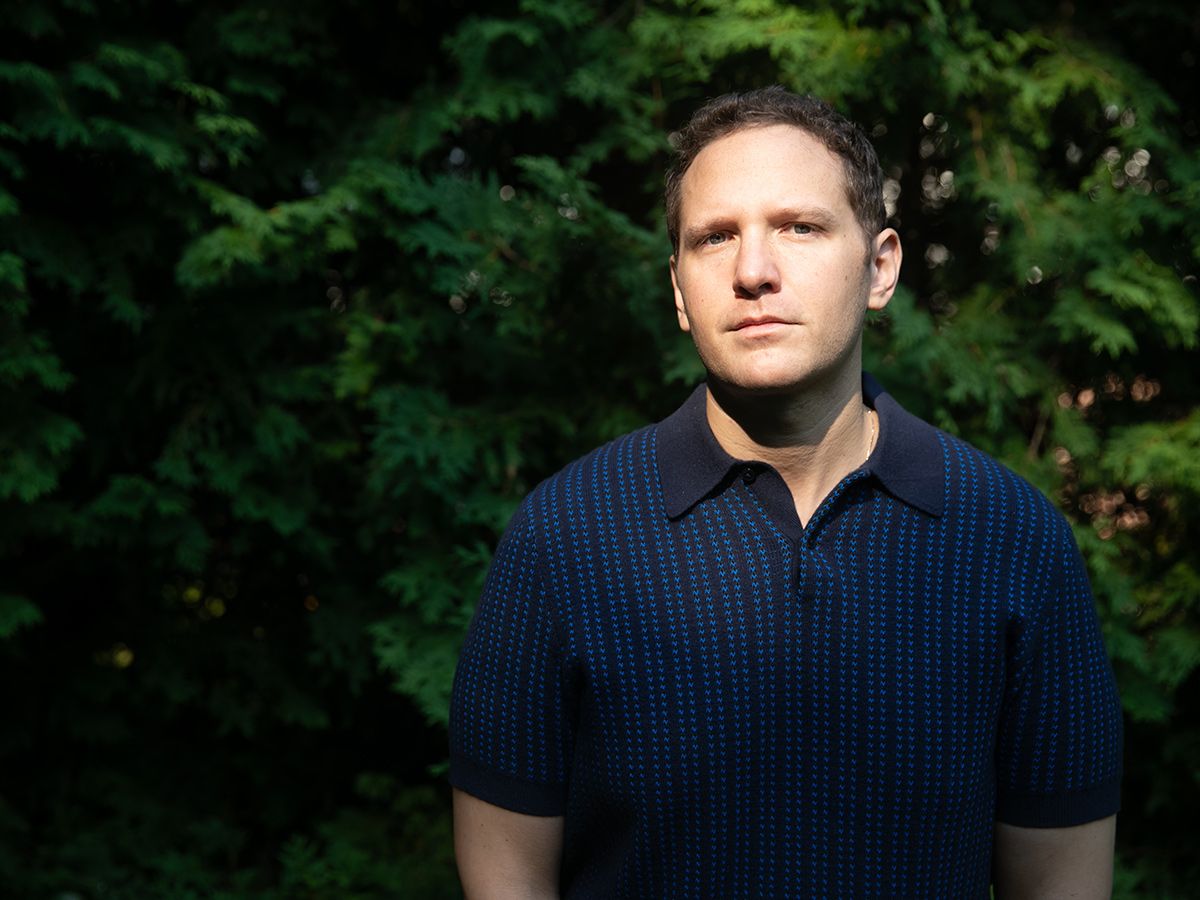
Josh Dehaas: A Carney oil blockade would be playing with fire, even if constitutional

National Post · collected 2026-09-03 · by Special to National Post analysis
Read the original at National Post ↗

Summary

The article discusses Ontario Premier Doug Ford's suggestion that the federal government block oil exports to the United States as leverage in the trade war, and whether such a move would be constitutional. According to the Constitution Act of 1867, Parliament has residual powers to make laws for Canada's peace, order, and good government, which could potentially override provincial control over natural resources. The article cites several Supreme Court decisions that suggest Ottawa may have strong arguments in favor of imposing embargoes or taxes on Alberta oil exports.
Written by the local model on 2026-09-03, using this article's own text rather than the other coverage of the same event (that is the story summary below).

Signals How these are calculated →

Claims extracted
26
claim-shaped sentences
Uncertain
27%
7 of 26 hedged
Leaning
Leans left
of the writing, not the subject
Publisher trust
95.7
red-flag proxy, not a credibility rating
Outlets on this story
2
Politics
Narrative spread
1
articles carrying this framing
Analyzed 2026-09-03 · how these are computed

AI analysis (generated at analysis time, not now)

Story summary

Ontario Premier Doug Ford has suggested that the federal government block oil exports to the United States as leverage in the trade war between Canada and the US. However, this idea is met with skepticism by experts who argue it could backfire on Canada.

According to Heather Exner-Pirot, a senior fellow at the Macdonald-Laurier Institute, using energy exports as leverage against the US would likely have negative consequences for Canada's oil producers and supply chains, and may even invite further American retaliation.

The federal government has the constitutional power to impose an export tax or restrictions on Canadian oil exports under its residual authority, but Alberta and Saskatchewan have warned against such a move. They argue that it could hurt domestic oil producers and undermine Canada's reputation as a stable and reliable supplier of energy.

Experts predict that if Prime Minister Mark Carney were to implement such measures, the federal government would likely face opposition from Alberta and other provinces.

Written for “US Oil Blockade Threats” on 2026-09-03, grounded in this article and the 1 other(s) covering the same event.
Why this leaning score
The article's own words the score was based on. Each is quoted verbatim and was checked against the article text before being stored, so you can find it in the original.
Score -0.35 Confidence high
Leaning score -0.35 for article 3582 (high confidence, 2 verified quotes) · logged 2026-09-03

Story

📰 US Oil Blockade Threats
Politics · 2 article(s) covering the same event.

How this is being covered How these are calculated →

Article leaning vs. publisher reliability
Source leaning vs. consistency

Compared with similar articles

This article reads leans left and hedges 27% of its claims. Each row says how that neighbour differs.
National Post
⚖️ Leans right further right than this 🔴 40% hedged 2 of 5 📰 publisher trust 96
“Both articles refer to the same exact news item about Canadian leaders considering an oil export tax or restrictions as leverage in a trade dispute, and are dated just seconds apart.”

Publisher

National Post · 86 article(s) · 0 correction(s) detected
SignalValueWeight
Correction rate 0.000 0.4
Uncertainty density 0.086 0.25
Assertive mismatch rate 0.000 0.35
No corrections detected for this publisher. That may mean careful reporting, or simply that nothing has been checked.

Who wrote this

Special to National Post
17 article(s) here · 1 carrying a prediction
🔮 The Constitution Act of 1867 assigns all matters that governments may regulate exclusively to either the provinces or the feds, and provides a residual power to Parliament to “make laws for the peace, order, and good government of Canada, in relation to all matters not coming within the classes of subjects by this act assigned exclusively to the legislatures of the provinces.” It’s not always easy to assign a matter exclusively to one level of government.
🔮 When Germany invaded Poland on Sept. 1, 1939, Prime Minister William Lyon Mackenzie King reacted by immediately recalling Parliament, which was not due to sit for another months, and ask for its blessing before declaring war on Germany.
🔮 Buying through us may earn us a commission, which supports our work.
2026-09-03 · assertive framing · Interior design: A new angle on tile
🔮 There was a sense that history would be made.
🔮 U.S. special envoy Jared Kushner recently said that Gaza will not be rebuilt until it’s demilitarized.
🔮 Wine is not unique, it is simply a useful example because settlement-produced wine has already been tested in Canadian courts Canada has dealt with precisely such wines before, the resulting Canadian litigation concerned how they could be labelled, not whether Canadians were prohibited from buying them.
🔮 So when this new round of crop of counter-tariffs takes effect on Sept. 8, we can expect that at least some of the costs will be passed on to Canadian consumers.
🔮 Yet, they did not care to explain how professors teaching courses unrelated to the Middle East might think it was a good idea to assign a podcast arguing that Zionism was similar to Nazism, or spend weeks discussing Gaza and the creation of the State of Israel, repeatedly referring to it as a “Zionist political project.”
🔮 At his Davos 2026 address, Carney drew a false equivalence between the U.S. and China, suggesting Canada could somehow float above the fray as a neutral middle-power broker.
🔮 One of the most pressing questions facing the Canadian public right now is one that most people will have never been asked before, which is: are we techno-optimists?
More on this subject from Special to National Post
All 17 articles by Special to National Post →

Topics

Alberta Canada Ontario Ottawa the United States

Subjects

Alberta GPE · 8× Canada GPE · 4× The Supreme Court ORG · 3× Carney PERSON · 2× Ottawa ORG · 2× Pierre Trudeau PERSON · 2× the United States GPE · 2× Doug Ford PERSON · 1× Mark Carney PERSON · 1× Ontario GPE · 1×

Narrative

Here Alberta’s argument would be stronger, but one would expect the federal government to push back by arguing the embargo is within its jurisdiction under peace, order and good government, either because it’s an emergency or a national concern.
framing: mixed · carried by 1 article(s) · first seen 2026-09-03
🔮 The Constitution Act of 1867 assigns all matters that governments may regulate exclusively to either the provinces or the feds, and provides a residual power to Parliament to “make laws for the peace, order, and good government of Canada, in relation to all matters not coming within the classes of subjects by this act assigned exclusively to the legislatures of the provinces.” It’s not always easy to assign a matter exclusively to one level of government.

Claims (26 extracted, 7 hedged)

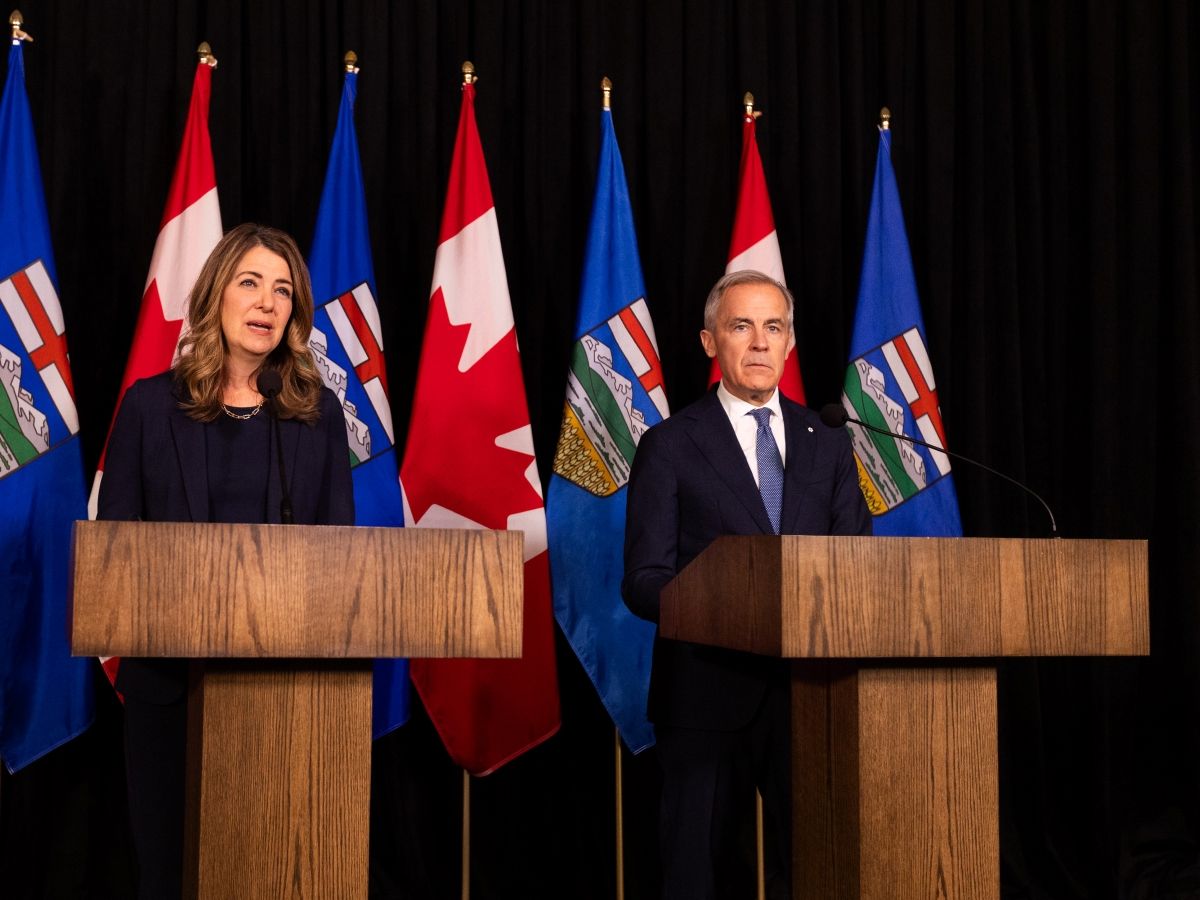
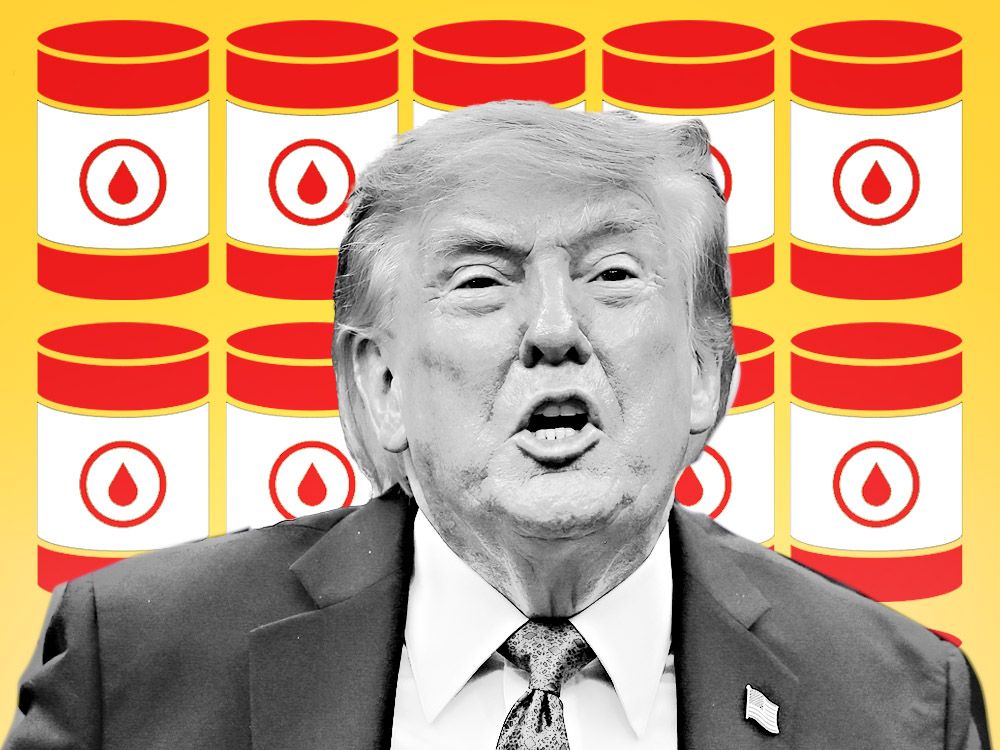
Ontario Premier Doug Ford says the federal government should consider blocking oil exports to the United States to give Canada leverage in the trade war that’s now hitting that province hard. asserted
that → say → province
“Although I understand the need to respond strongly to these tariffs, I cannot think of a more disastrous policy decision than cutting off or taxing Alberta’s oil to the United States,” she said. asserted
she → understand → States
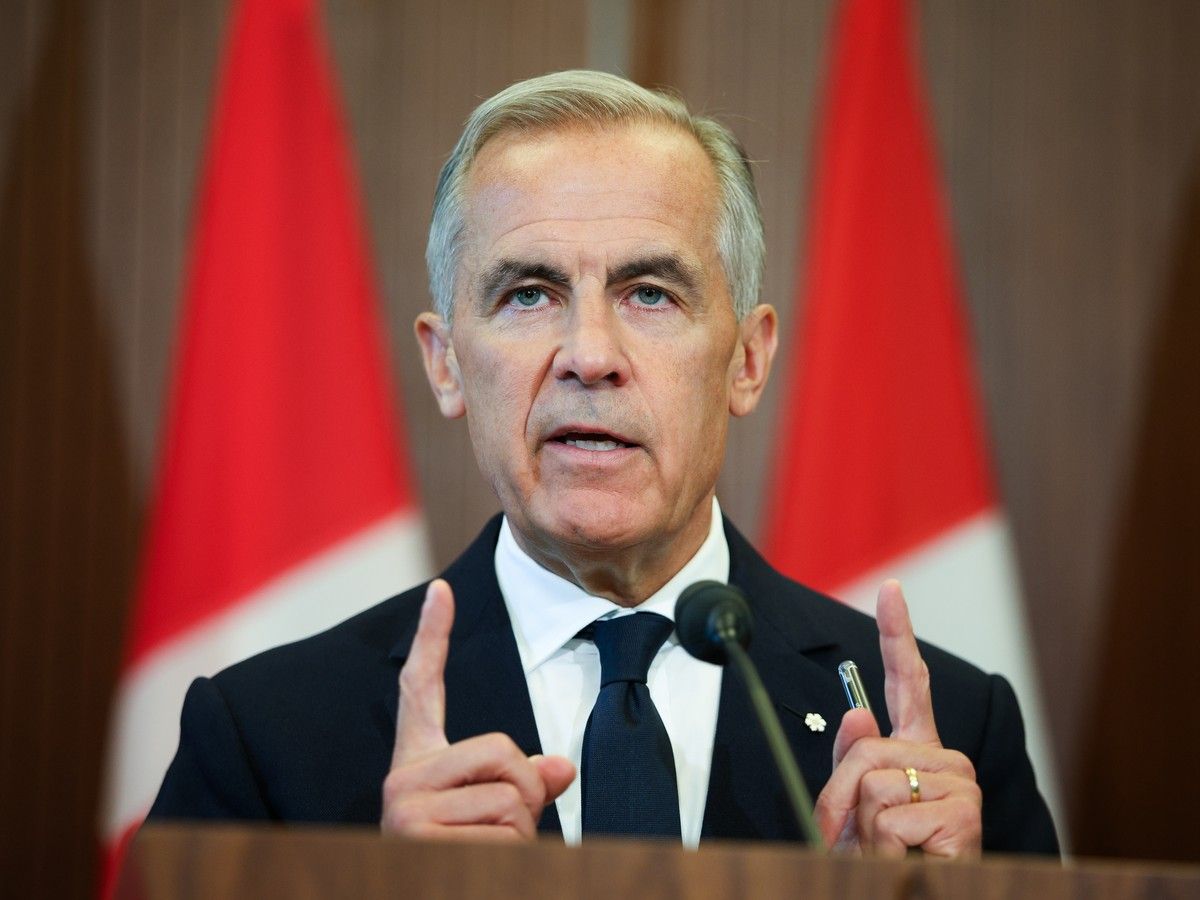
This means the metaphorical taps are now in Prime Minister Mark Carney’s hands. asserted
taps → mean → hands
But can Carney really cut off or put an export tax on Alberta oil without violating the constitutional division of powers? asserted
Carney → cut → powers
The answer is probably yes, but don’t expect Alberta to go down without a fight. asserted
Alberta → expect → fight
The Constitution Act of 1867 assigns all matters that governments may regulate exclusively to either the provinces or the feds, and provides a residual power to Parliament to “make laws for the peace, order, and good government of Canada, in relation to all matters not coming within the classes of subjects by this act assigned exclusively to the legislatures of the provinces.” It’s not always easy to assign a matter exclusively to one level of government. uncertain
It → assign → government
The court has developed certain rules to deal with this reality, but it’s not always clear how they will be applied. asserted
they → develop → reality
For example, if two laws are in conflict and it’s impossible to comply with both laws, the federal law may prevail under the doctrine of paramountcy. uncertain
law → ’ → paramountcy
That said, if a law intrudes on the “core” or the “basic, minimum and unassailable content” of the other order of government’s powers, it may be deemed inapplicable under the doctrine of interjurisdictional immunity. uncertain
it → say → immunity
One thing that’s clear under the Constitution is who owns the oil (and forests … and potash). asserted
who → ’ → oil
Canada transferred ownership of natural resources to the Prairie provinces through the Natural Resources Transfer Agreements and related acts, which became part of the Constitution in 1930. asserted
which → transfer → 1930
It’s also clear that Alberta has exclusive control over the “development, conservation and management of non-renewable natural resources and forestry resources in the province.” asserted
Alberta → ’ → province
That’s from the text of Section 92A, which was added to the Constitution Act of 1982 at Alberta’s insistence. asserted
which → ’ → insistence
If the provinces own their natural resources and have control over their development, how can Ottawa impose embargoes or taxes that would stifle their sale or development? asserted
that → own → sale
It turns out, Ottawa would have a number of strong arguments. asserted
Ottawa → turn → arguments
First, it could point to the 1982 Supreme Court decision in the Exported Natural Gas Tax Reference, where the court examined a federal tax proposed by the Pierre Trudeau government on natural gas, including on exported natural gas, which Alberta opposed. uncertain
Alberta → point → which
Alberta argued that Section 125 of the Constitution Act of 1867, which says, “No lands or property belonging to Canada or any province shall be liable to taxation,” blocked the proposed tax. asserted
lands → argue → tax
The Supreme Court ruled that the proposed tax was a valid exercise of the federal taxation power outlined under Section 91(3) of the act. asserted
tax → rule → act
The court also reasoned that this was not an export tax because it applied also to Canadian consumers, but had it been an export tax, the federal government may have been able to impose that anyway under its “trade and commerce” power, as it had long done with customs duties. So what about a total embargo? uncertain
it → reason → embargo
Here Alberta’s argument would be stronger, but one would expect the federal government to push back by arguing the embargo is within its jurisdiction under peace, order and good government, either because it’s an emergency or a national concern. asserted
it → expect → peace
In 1976, a majority of the Supreme Court held in the Anti-Inflation Act Reference that the Pierre Trudeau government’s price controls aimed at runaway inflation were a valid exercise of that power. asserted
controls → hold → power
More recently, in 2021, the Supreme Court upheld the federal carbon tax as a national concern in the Greenhouse Gas Pollution Pricing Act References. asserted
Court → uphold → References
Of course, legal arguments aside, it seems obvious the Carney government would be playing with fire by blocking oil exports. asserted
government → seem → exports
While such a move might play well in Ontario and Quebec, Albertans are angry enough about the lost years of oil sands production that have already occurred. uncertain
that → play → production
Any move Carney makes now could antagonize Alberta right before it votes on whether to hold a separation referendum. uncertain
it → make → referendum
National Post Josh Dehaas is Interim Litigation Director with the Canadian Constitution Foundation, a charity that fights for Canadians’ rights and freedoms. asserted
that → fight → rights

💬 Give feedback
🕘 History 🎫 Support