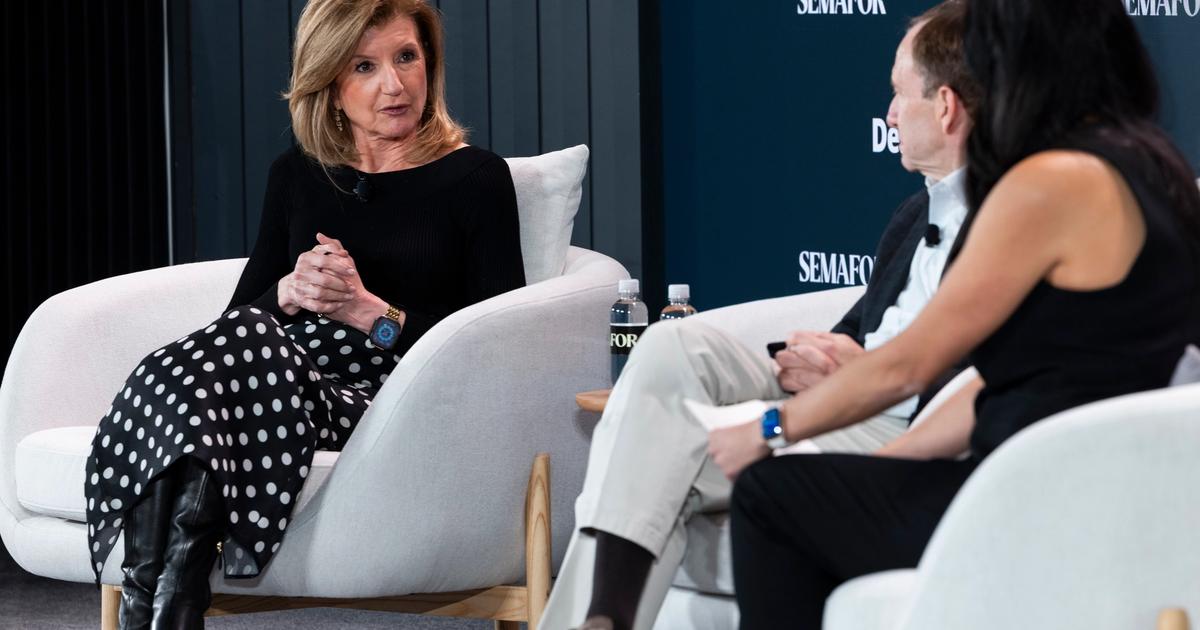
Photo via Semafor

Meta’s Muse taps into 'kidult' market

Read the original at Semafor ↗
Cite

Capelouto, J. (2026, September 25). Meta’s Muse taps into 'kidult' market. Semafor. https://www.semafor.com/article/09/25/2026/metas-muse-taps-into-kidult-market

Dated when The Aporia collected the article, usually within hours of publication. Check the original for its exact date and byline.

Semafor · collected 2026-09-25 · by J.D. Capelouto

Quick Summary

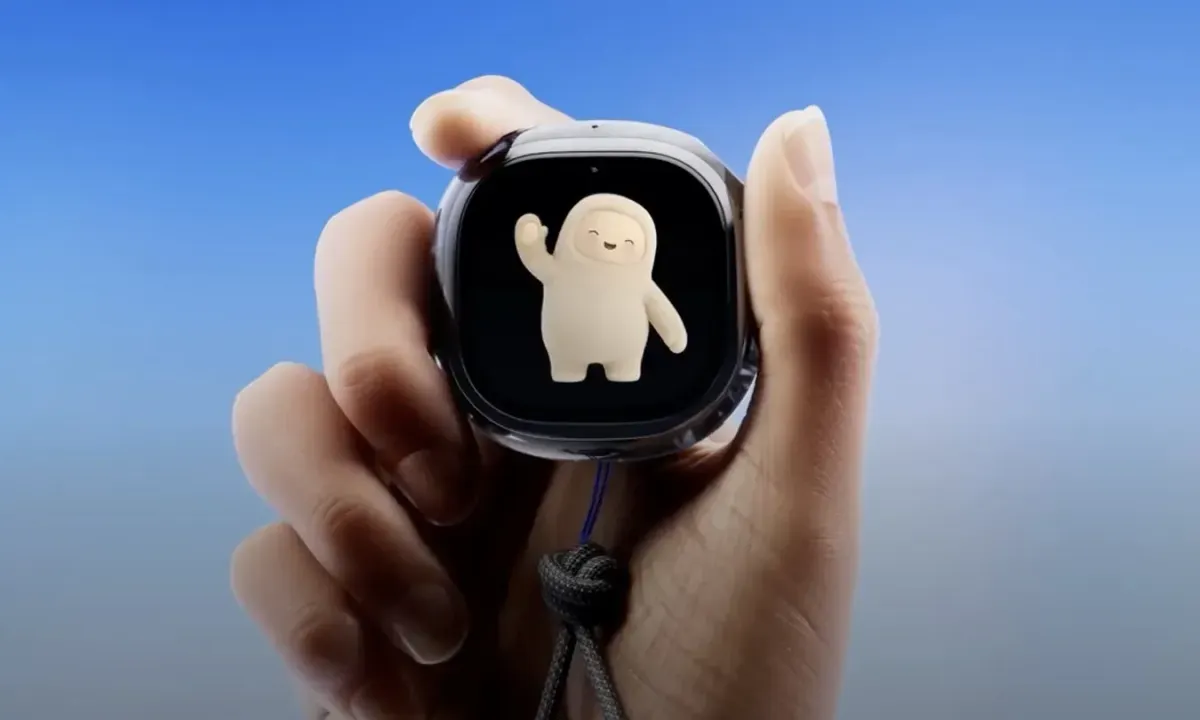
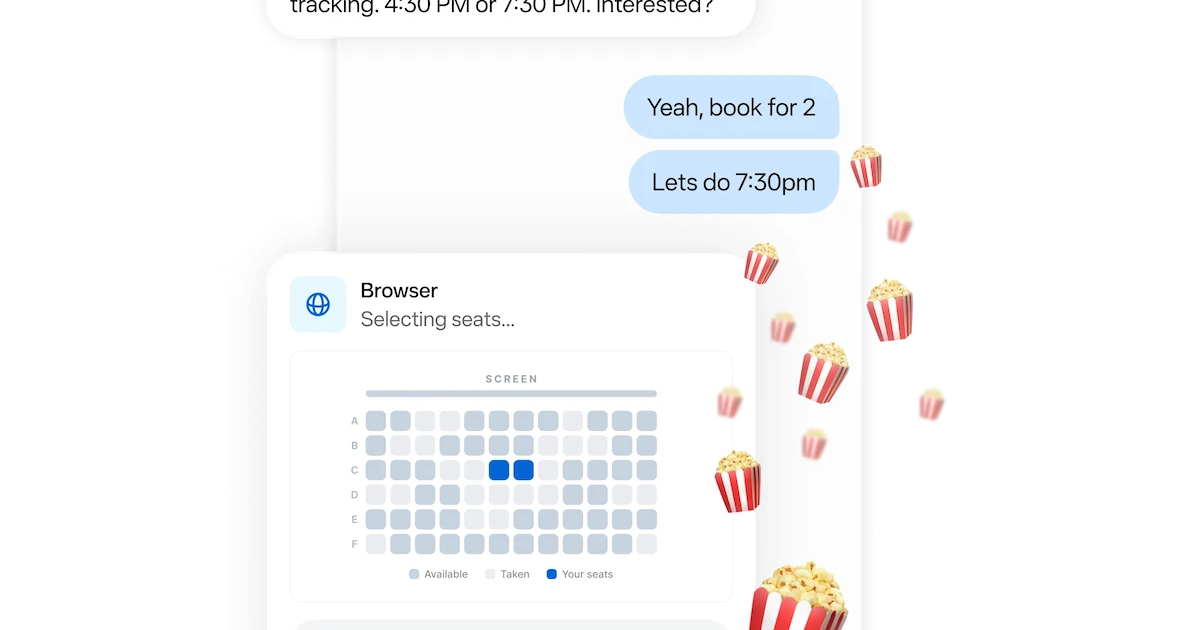
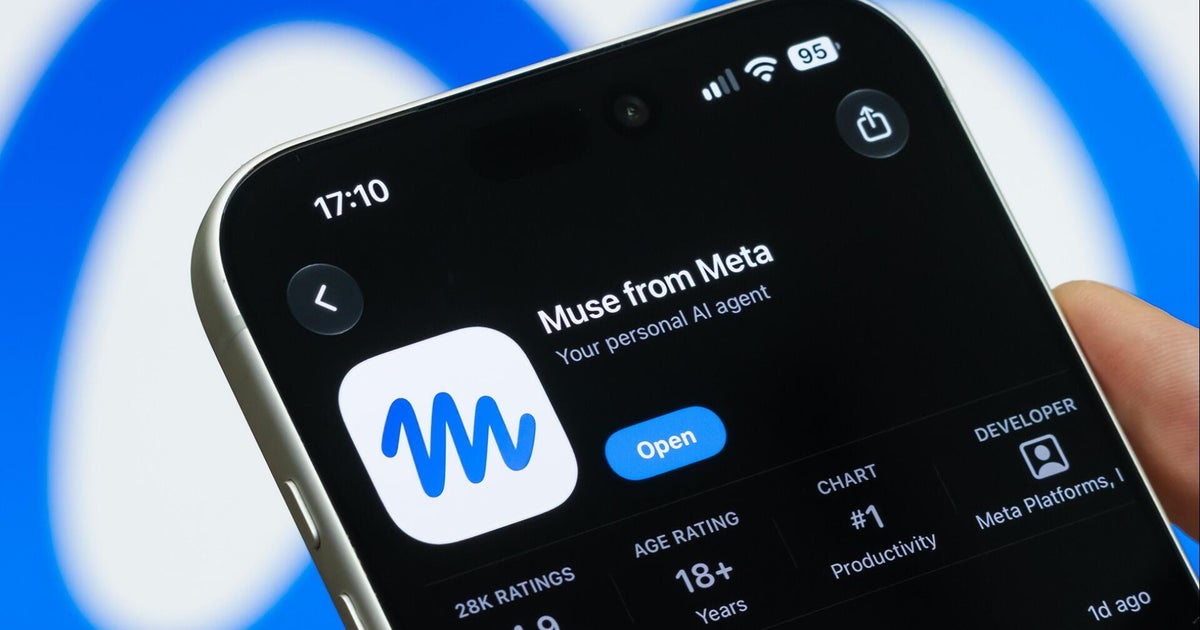
Meta recently launched its AI agent Muse and a keychain called Muse Charm that allows users to summon the agent with a tap. The product launch has boosted Meta’s stock by over 25% since early this month, leading some analysts to predict it could be pivotal for consumer AI adoption. The company is targeting the "kidult" market—adults who enjoy products typically aimed at children—with a cute aesthetic that contrasts with the intellectual branding of other tech companies. However, there are concerns about the product’s longevity in an industry known for fleeting trends.
Written by AI on 2026-10-02, from this article's own text only (the story summary below draws on all the coverage).

AI analysis

Story summary

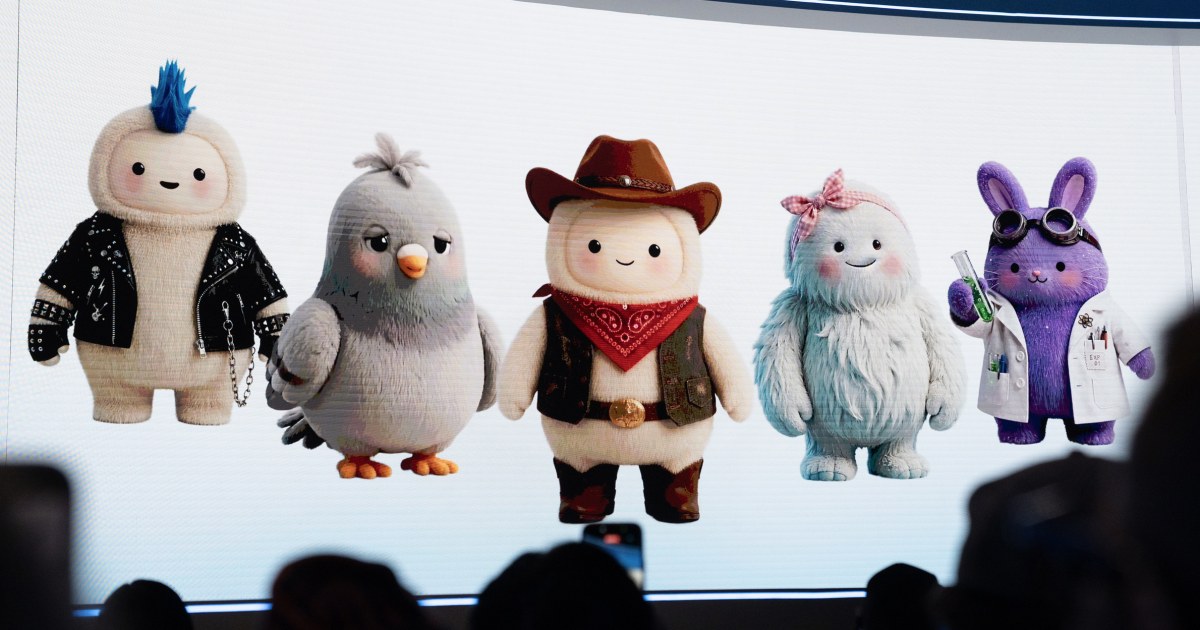
Meta recently unveiled its $1,299 VR glasses along with a new product called Muse Charm, described as a Tamagotchi-like keychain priced at an undisclosed amount. The Muse Charm allows users to summon Meta's AI agent by tapping on it and features avatars of the company’s fluffy Muse mascot. This launch follows a rough summer for Meta due to negative press about its VR glasses and social media addiction trials. Since announcing these new products, Meta shares have increased by over 25%. Some analysts predict that this product could be a catalyst for agentic AI moving from business applications into consumer markets. The cutesy aesthetic of the Muse Charm is seen as a strategic move to attract what marketers call "kidults," or adults who are nostalgic for childhood toys and games, in contrast with the more intellectual branding of other tech companies. However, there's concern that like many fad products, these new items might lose popularity quickly once their novelty wears off.
Written for “Meta's Muse Marketing Strategy” on 2026-11-18, grounded in this article and the 0 other(s) covering the same event.

Compared with similar articles

This article reads unscored and hedges 17% of its claims. Each row says how that neighbour differs.
Semafor
Leans right Hedges 0 of 7 claims Outlet record 65/100
“The articles discuss different aspects of Meta's AI assistant and its market reception, not the same specific incident.”
CBS News
Hedges 0 of 2 claims Outlet record 67/100
“While both articles discuss Meta's new AI assistant Muse and its success, they describe different aspects of the product's impact and features.”
Dawn
Leans left Hedges 1 of 16 claims Outlet record 67/100
“The articles cover related developments but describe different aspects and time periods of Meta's AI strategy.”
New York Post
Hedges 11 of 26 claims Outlet record 66/100
“The articles discuss different aspects of Meta's Muse AI agent and its impact on different markets (financial stocks vs. consumer market).”
Platformer
Hedges 6 of 87 claims Outlet record 96/100
“The articles discuss Meta's AI developments but focus on different aspects and outcomes related to Muse.”
NBC News
Hedges 1 of 28 claims Outlet record 78/100
“While both articles discuss Meta's new AI product Muse, Article A focuses on its debut and popularity at the Meta Connect conference, while Article B mentions the stock market reaction and a related accessory called Muse Charm.”
New York Post
Hedges 1 of 15 claims Outlet record 66/100
“The articles describe different aspects of Meta's new AI assistant, one focusing on market performance and product features while the other focuses on a mascot redesign.”
Global News
Leans left Hedges 9 of 75 claims Outlet record 63/100
“The articles discuss different aspects of Meta's new AI agent, Muse, but do not describe the same specific incident or outcome.”

Story

Meta's Muse Marketing Strategy
Technology · 1 article(s) covering the same event.
How this article was measured signals, leaning charts, publisher record, byline, topics and claims

Signals How these are calculated →

Claims extracted
6
sentences that state something as happening or true
Uncertain
17%
1 of 6 hedged ("reportedly", "may", "according to")
Leaning
not political
takes no side on a contested political question
Publisher signals
65/100
Semafor's corrections and hedging, across everything collected from it. Not a measure of accuracy.
Outlets on this story
1
Technology
Same framing elsewhere
1
articles that frame the event the way this one does
Analyzed 2026-09-25 · how these are computed

How this is being covered How these are calculated →

Article leaning vs. publisher reliability
Source leaning vs. consistency

Publisher

Semafor · 1856 article(s) · 6 correction(s) detected
Running correction rate · 6 correction(s)

Who wrote this

J.D. Capelouto
39 article(s) here · 1 carrying a prediction
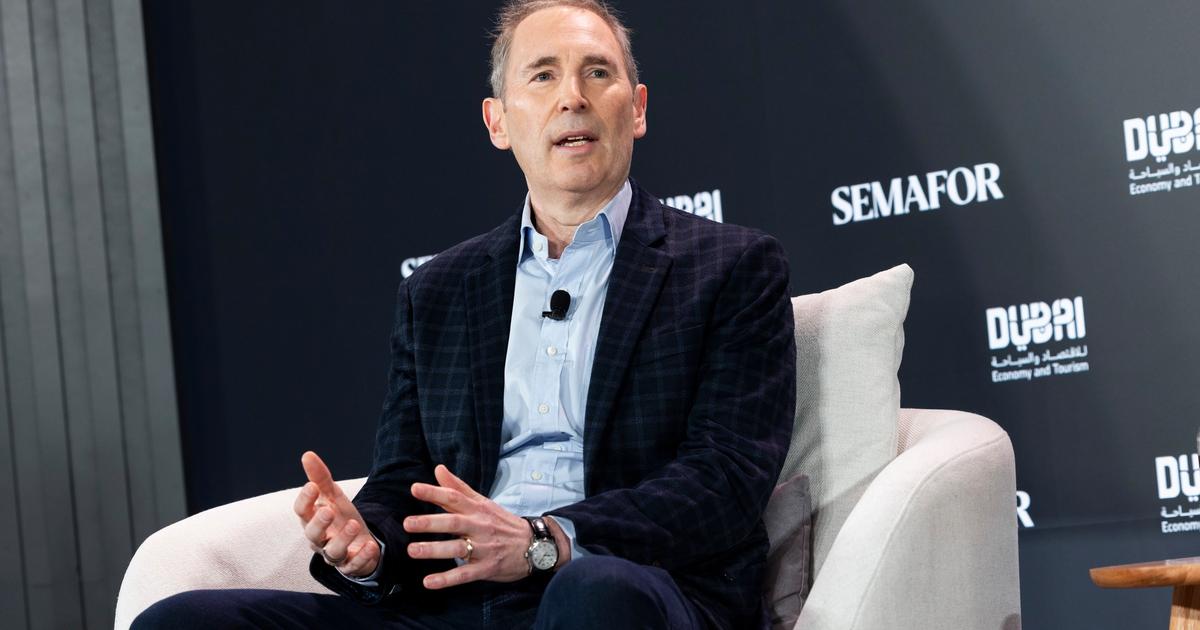
Amazon CEO Andy Jassy said Tuesday it would be a “historic mistake” for the US to pull back on its AI infrastructure buildout following the data center backlash during the midterm elections.
Asked whether “winter is coming” — a nod to fears that the AI boom could face a correction — Al Mubarak said it was, but that “winter doesn’t mean minus 30 degrees.
Speaking alongside Huffington on the panel, Willett Advisors CEO Steven Rattner said the idea of bringing Huang back as CEO is “ridiculous.”
Billionaire hedge fund manager Bill Ackman said Monday it was “unlikely” that he would get directly involved in an effort to reinstate former Nvidia CEO Jensen Huang.
Indians see AI as less of a threat than people in the US because fewer workers hold the “cognitive and office-oriented jobs” that the technology could replace, one of the country’s top tech officials said.
Those ties went beyond business: Hou referenced a New York Times article in which Huang’s longtime hairstylist admitted he was too upset to sleep, drank a bottle of red wine, and prayed for the former chip CEO after his resignation.
They see the model as particularly useful in sales and executive hiring, where a search firm could prompt it to evaluate an interview transcript to gauge how a candidate will behave under pressure.
2026-11-12 · assertive framing · A new AI model wants to read between the lines
“If we leave a market altogether, there’s no question somebody else would step in,” he told Michael Milken in May 2025.
2026-11-11 · assertive framing · Tracking how Jensen Huang changed his stance on China
The votes were hyperlocal and often emotional in nature, but they could carry financial consequences, because some of the projects at stake were already in motion.
Anthropic advertises a salary floor of $265,000 for charmers willing to spend half their time on the road in increasingly hostile territory.
2026-10-30 · assertive framing · The AI boom spawns job market for data-center liaisons
Also by J.D. Capelouto
Nothing else under this byline is closely related to this article, so these are simply their most recent.
All 39 articles by J.D. Capelouto →

Topics

Charm Labubus Meta Muse Muse Charm

Subjects

Meta ORG · 4× Mark Zuckerberg PERSON · 1×

Narrative

And alongside its new $1,299 VR glasses, Meta this week unveiled a Tamagotchi-like keychain called Muse Charm that allows a user to summon the agent with a tap, featuring avatars of its fluffy Muse mascot.
framing: assertive · carried by 1 article(s) · first seen 2026-09-25
Some analysts predict it could be the catalyst for agentic AI to leap from business to consumer applications.
2026-09-25 · Semafor
Meta’s Muse taps into 'kidult' market · assertive framing

Claims (6 extracted, 1 hedged)

The Mark Zuckerberg-led tech giant is having a consumer AI moment after a rough summer of negative headlines about its glasses and social media addiction trials. asserted
giant → lead → glasses
Now, its new Muse agent is looking like a commercial hit, lifting Meta shares more than 25% since the launch earlier this month. asserted
agent → look → launch
Some analysts predict it could be the catalyst for agentic AI to leap from business to consumer applications. uncertain
AI → predict → applications
And alongside its new $1,299 VR glasses, Meta this week unveiled a Tamagotchi-like keychain called Muse Charm that allows a user to summon the agent with a tap, featuring avatars of its fluffy Muse mascot. asserted
user → unveil → mascot
In a world of Labubus and “kidults,” the cutesy aesthetic is a smart play for the company as an antidote to the intellectual and brainy vibe that much of the industry strives for. asserted
much → strive → industry
But like faddish gadgets, video games, and toys, including Meta’s older-generation VR headsets (remember the metaverse?), Charm and Muse risk fizzling out like a summer pop song when the first frost hits. asserted
frost → include → song
Give feedback · no sign-in needed

No sign-in needed for now. Your note is sent without a name, so it cannot be answered.

History Support