Meta introduced its new AI agent called Muse at the Meta Connect conference, which quickly became popular on the Apple App Store. Designed to assist with daily tasks, Muse is presented as an accessible technology for everyone, including tech novices, featuring a customizable, cute avatar named Jolly. Mark Zuckerberg highlighted the potential of Muse in integrating AI into everyday life through its charming design and functionality, such as ordering groceries or generating recipes, while emphasizing privacy measures like secure virtual machines to protect user data.
Written locally by qwen2.5:14b on 2026-09-25,
using this article's own text rather than the other coverage of the
same event (that is the story summary below).
Meta hopes its new AI agent will win people over by being cute.
asserted
agent → hop → people
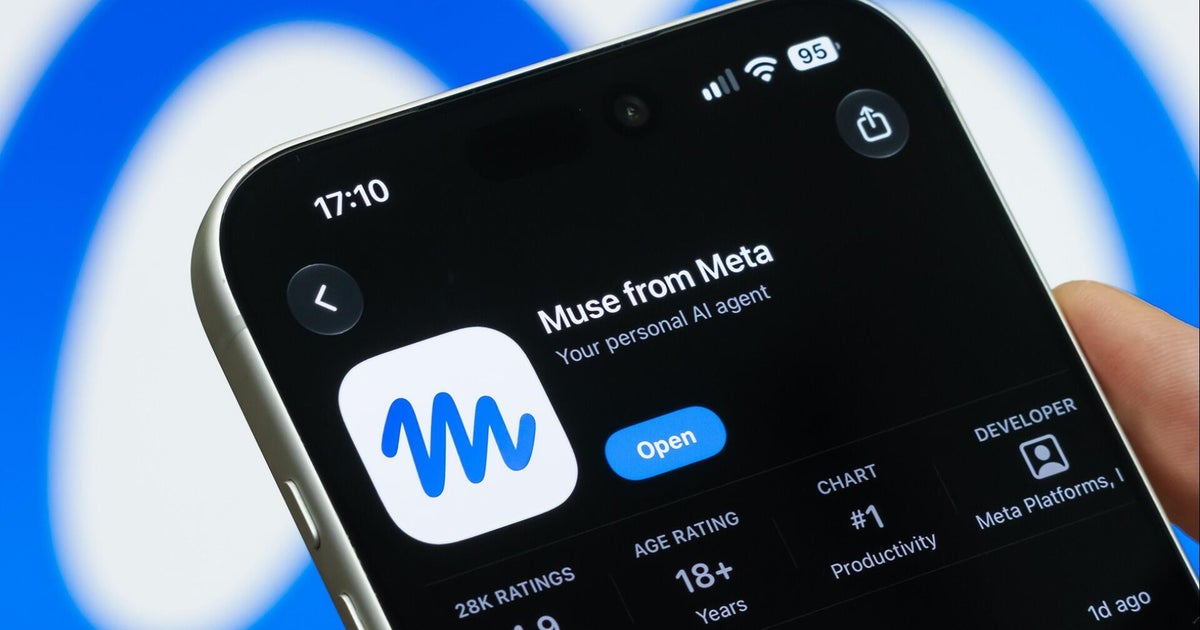
Muse, the tech giant’s cuddly, doll-like AI agent, shot to the top of the Apple App Store charts after it was featured this week at the company’s Meta Connect conference.
asserted
it → shoot → conference
The company is touting the tool, designed to help people with their everyday tasks, as an AI agent “built for everyone,” including those who lack experience with technology.
asserted
who → tout → technology
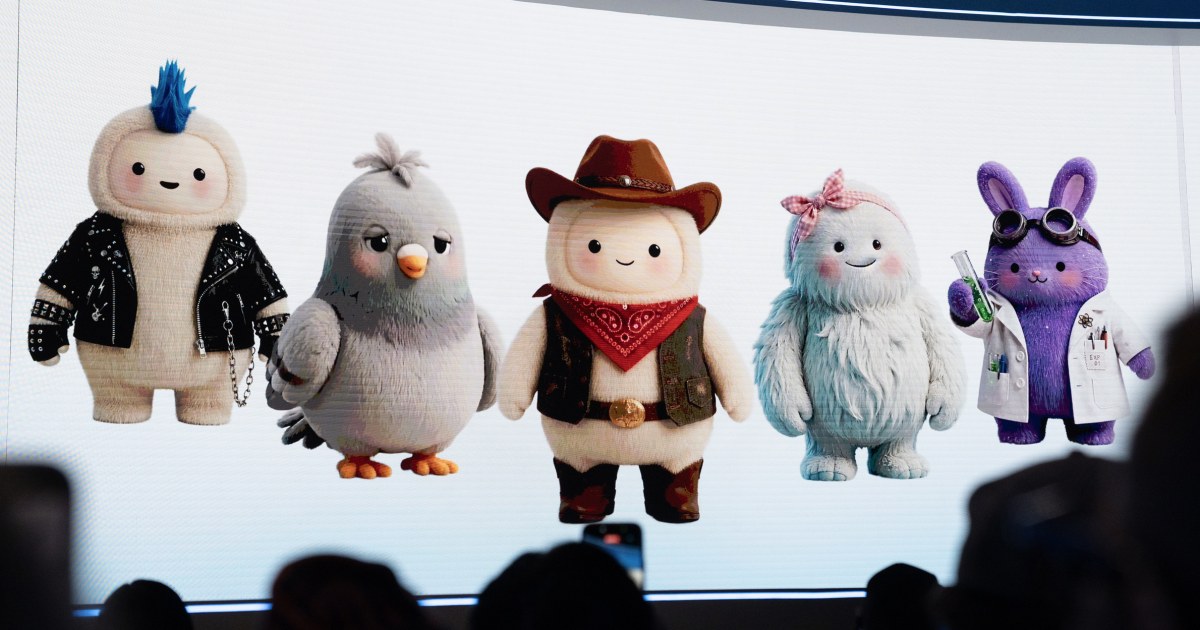
Meta CEO Mark Zuckerberg said the default Muse avatar, which is cream-colored and has beady black eyes and an upward smile, is named “Jolly,” for its “jolly and completely customizable character and personality.”
asserted
which → say → character
Muse is being launched as tech companies seek to make their AI-powered products more palatable to humans, often by giving them cute, almost petlike appearances, voices and personalities.
asserted
products → launch → appearances
Experts have said design choices that humanize technology may become more common as robot-human interaction grows more prevalent in everyday spaces, as cuteness evokes “deep-seated biological responses” in people.
uncertain
cuteness → say → people
“It was only about six months ago that having a personal agent running on your own computer was the sign of someone who is completely AI-pilled and thinking nonstop about agents,” Alexandr Wang, Meta’s chief AI officer, said Wednesday.
asserted
Wang → have → agents
“But for that small group of nerds ... it looked like the beginning of personal superintelligence.
asserted
it → look → superintelligence
And today with Muse, we’ve brought that magic to everyone.”
asserted
we → bring → everyone
Muse agents can take on a variety of appearances, with users able to customize everything from their names to their attire.
asserted
users → take → attire
Zuckerberg’s agent, which wears a toga and a wreath around its head, is named Agrippa, after the Roman general and statesman.
asserted
which → wear → general
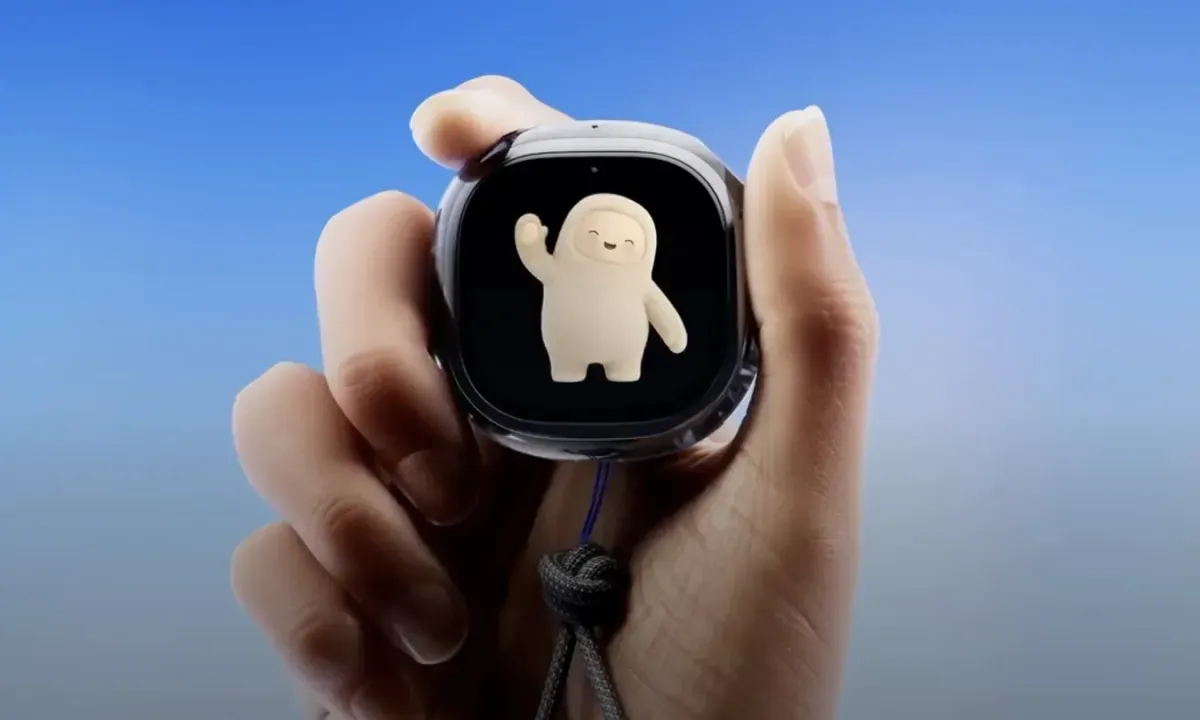
During the event, Zuckerberg also teased what he calls the “Muse charm,” a small handheld device that can activate the agent on the go.
asserted
that → tease → go
He raised the keychain charm onstage at Meta Connect in Menlo Park, California, showing off what looks like a blend of a Labubu and a Tamagotchi.
“Talking to your Muse is often the fastest way to get things done, and it is also just really fun and cute,” he said, saying he used Agrippa to come up with a baking recipe and order ingredients for him and his daughter.
asserted
he → raise → him
Muse is also being integrated directly into Meta’s expanding lineup of AI-powered glasses, which have been criticized over fears of casual surveillance.
asserted
which → integrate → surveillance
Zuckerberg has told NBC News that Meta will continue to bolster privacy safeguards for its smart glasses.
asserted
Meta → tell → glasses
Zuckerberg said every Muse agent has its own private and secure computer called Muse Secure VM, a dedicated secure computer that houses both the agent and the user’s personal data.
asserted
that → say → agent
Down the line, he said, Meta plans to release Muse Confidential VM “so that even Meta won’t be able to see that information.”
asserted
Meta → say → information
“In the coming years, I expect that Muse is going to grow into the personal superintelligence that billions of people around the world are going to use to accomplish their goals and improve their lives,” he said.
asserted
he → come → lives
Wang, Meta’s chief AI officer, posted a flurry of memes inserting Muse into moments from movies, shows and historical events.
asserted
Wang → post → movies
Some followed his lead by making their own avatars and sharing screenshots on social media.
asserted
Some → follow → media
Others, however, expressed skepticism, citing security concerns.
asserted
Others → express → concerns
“Am I the only one who doesn’t want to let meta have access to my whole life
asserted
meta → want → life
?” a user posted.
asserted
user → post → ?
“We are going to need some tight defenses and 3rd party testing of these platforms... like all software products,” entrepreneur and angel investor Jason Calacanis wrote.
asserted
Calacanis → go → products
Zuckerberg has continued to be bullish on AI despite recent calls from tech executives and government officials to pump the brakes on AI development amid surging fears about the existential risk the technology poses.
asserted
technology → continue → risk
He shared his thoughts recently on X, saying market forces should be enough to keep AI companies in line.
“My view is that trust and alignment are quickly becoming the most important capabilities that will differentiate agents and models.
asserted
that → share → agents
Any lab that doesn’t focus on alignment will fall behind,” he wrote, adding: “Meta delayed shipping Muse for several months to focus on safety and security.
asserted
Meta → focus → safety
We didn’t call for everyone else to do this before we would.”
asserted
we → call → this
 The Aporia