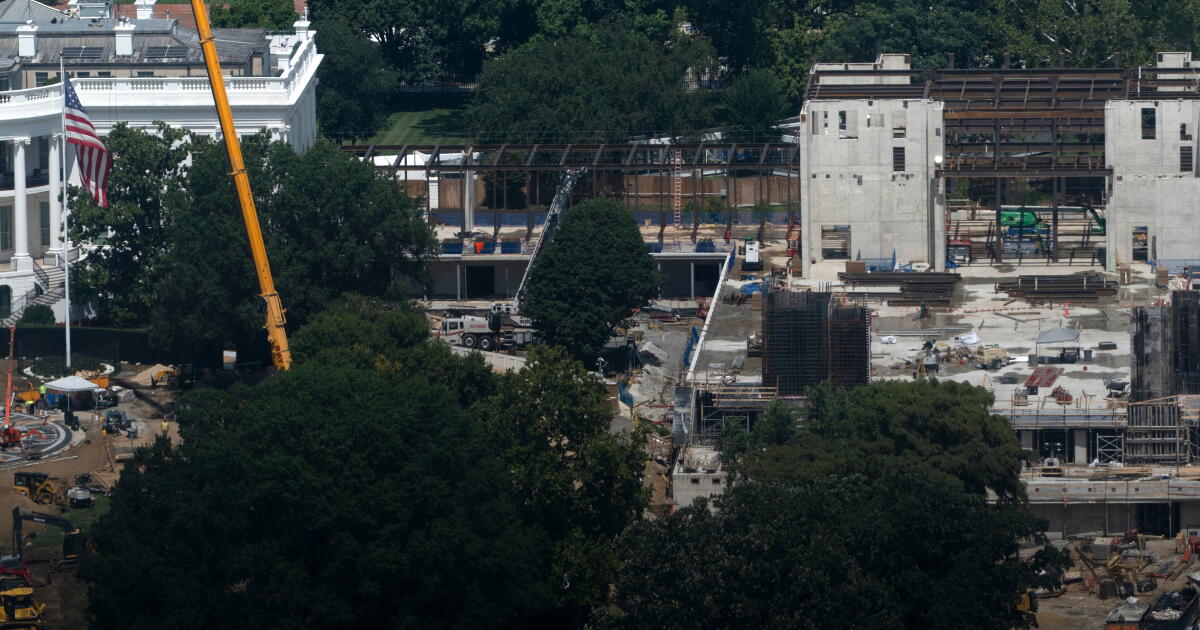
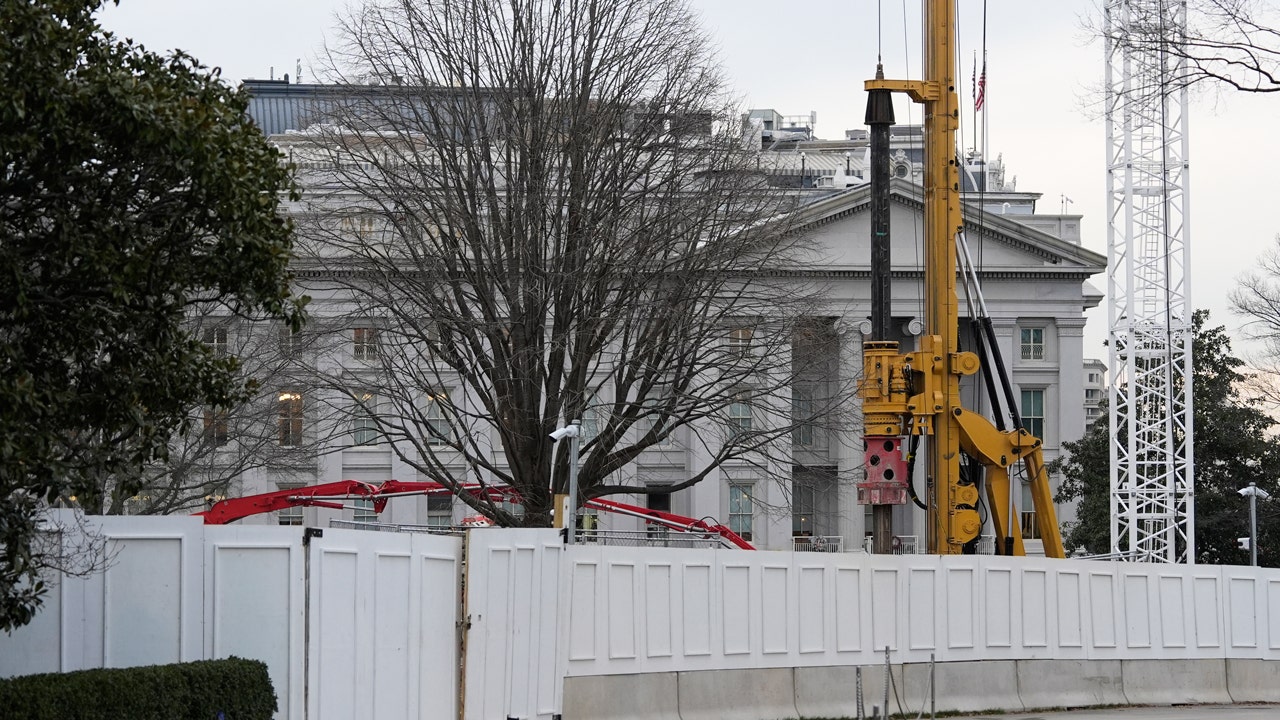
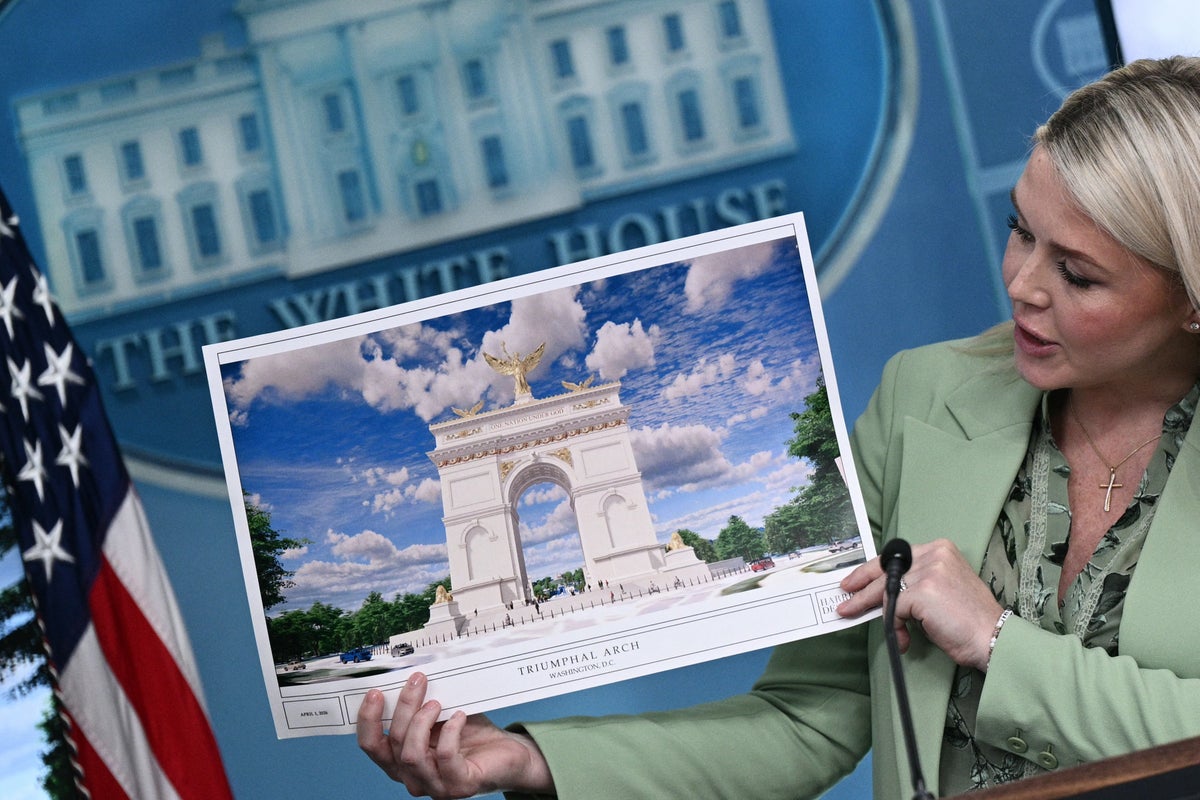
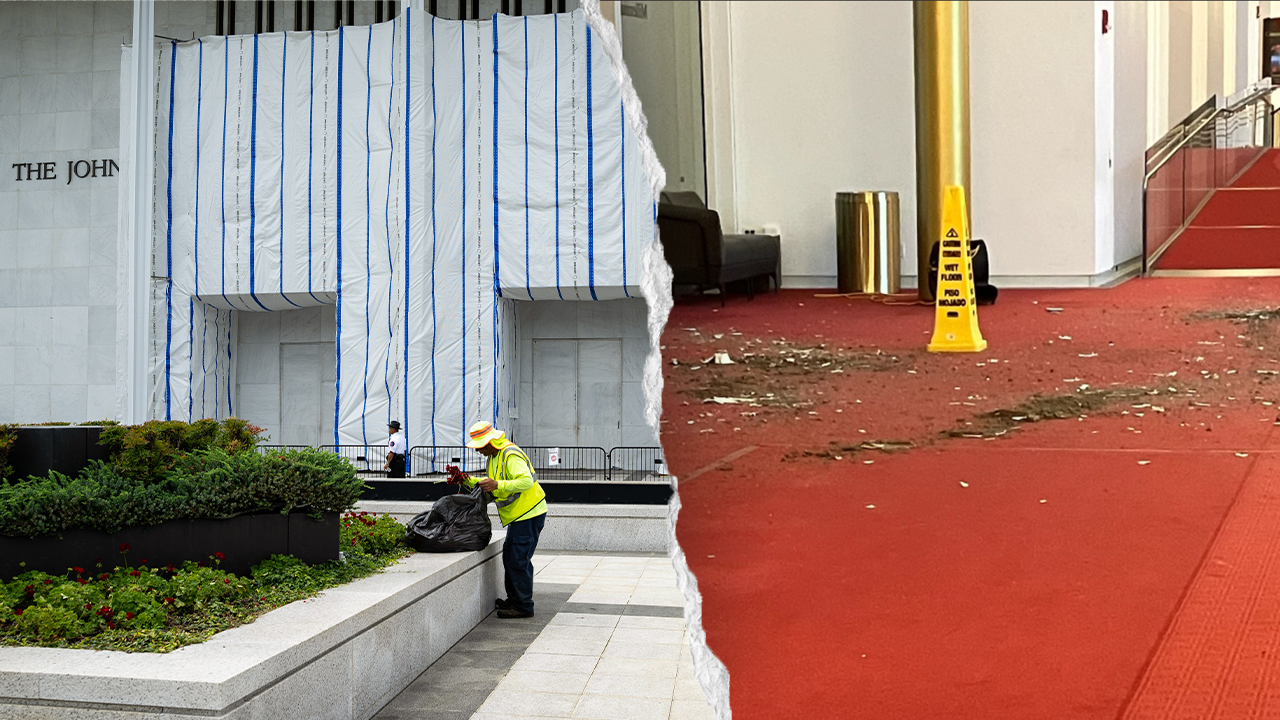
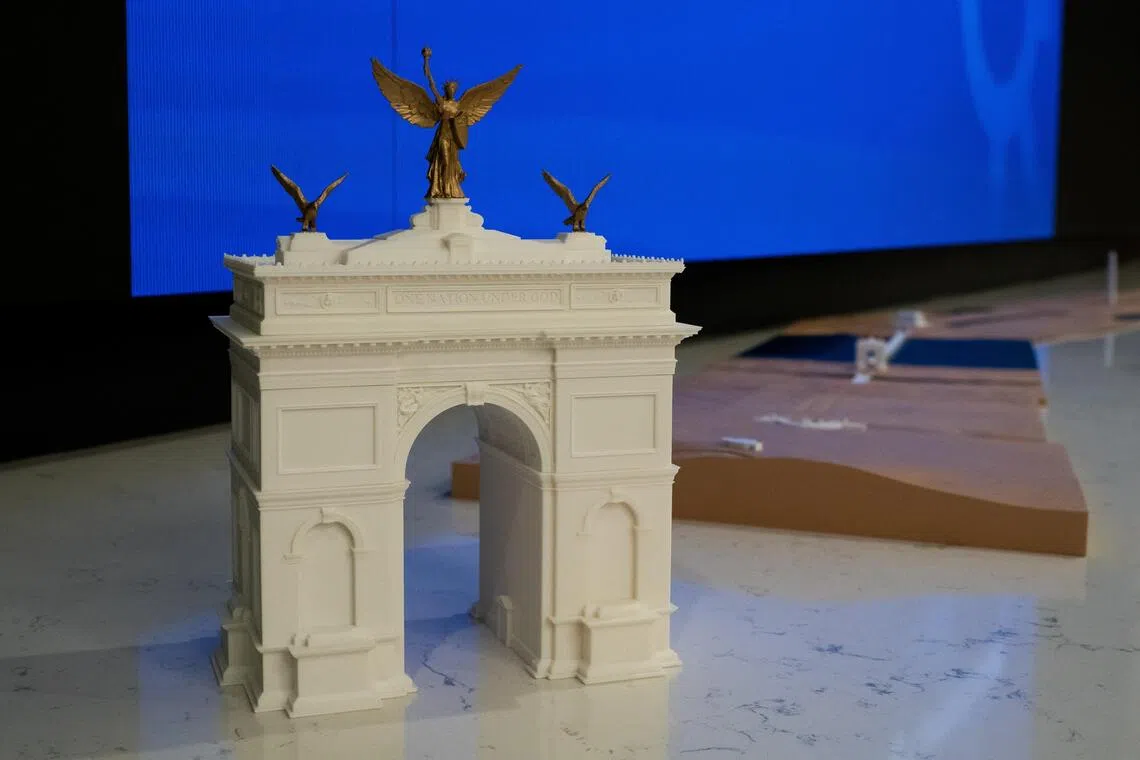
Yesterday, by a vote of 5–4, the United States Supreme Court allowed Trump to continue to build his ballroom.
asserted
Trump → allow → ballroom
The five right-wing justices concluded that the National Trust for Historic Preservation, which had sued to stop the construction of the ballroom, did not have legal standing to sue and that national security considerations came down on the side of construction.
asserted
considerations → conclude → construction
The majority said it was not resolving the issue of whether the project is legal.
asserted
project → say → issue
It was Chief Justice John Roberts who covered that aspect of the controversy.
asserted
who → cover → controversy
He wrote in dissent that the project is “likely unlawful.”
asserted
project → write → dissent
“The White House is an iconic American building whose symbolism and history are wrapped up in its architecture,” Roberts wrote.
asserted
Roberts → wrap → architecture
He wrote that it is critical to “ensure that those responsible follow the rules in deciding what to tear down and what to build up at the People’s House.”
asserted
those → write → House
Nonetheless, as Josh Gerstein of Politico reported, the project will likely be completed before the question of its legality is resolved.
asserted
question → report → legality
Under President Ronald Reagan in the 1980s, those eager to stop Congress from passing legislation that benefited the American people at the expense of businessmen began to argue for the idea that because the president was the head of one of the three branches of the U.S. government, he could not be checked by either of the other two branches: the legislative branch (Congress) or the judicial branch (the courts).
uncertain
he → stop → branches
On July 1, 2024, the United States Supreme Court, stacked with Trump’s appointees, took this theory to a conclusion that overturned the central premise of American democracy: that no one is above the law.
asserted
one → stack → law
It decided that the president of the United States has “absolute immunity” from criminal prosecution for crimes committed as part of the official acts at the core of presidential powers.
asserted
president → decide → powers
The court also said it should be presumed that the president also has immunity for other official acts as well, unless that prosecution would not intrude on the authority of the executive branch.
asserted
prosecution → say → branch
Writing for the majority, Chief Justice Roberts said that a president needs such immunity to make sure the president is willing to take “bold and unhesitating action” and make unpopular decisions, although no previous president ever asserted that he was above the law or that he needed such immunity to fulfill his role.
asserted
he → write → role
Roberts’s decision didn’t focus at all on the interest of the American people in guaranteeing that presidents carry out their duties within the guardrails of the law.
asserted
presidents → focus → law
This permission structure appears to have convinced Trump he can do whatever he wishes, including rigging elections so he cannot lose.
asserted
he → appear → elections
Yesterday Senator Richard Blumenthal (D-CT) of the Senate Committee on Homeland Security and Governmental Affairs, who is the top-ranking Democrat on the Permanent Subcommittee on Investigations, exposed what appears to be a plot to steal the 2026 midterm elections.
asserted
what → rank → elections
Blumenthal released a letter he had written to Postmaster General David Steiner calling attention to an official whistleblower report, which he attached to the letter.
asserted
he → release → letter
It’s eye-popping.
asserted
It → ’ → ?
The whistleblower warns that there are “potentially catastrophic problems in the development of the United States Postal Service’s…new system for handling federal election ballot mail.”
asserted
whistleblower → warn → mail
According to the whistleblower, the “process for the creation and implementation of an entirely new and untested set of IT systems” for delivering ballots to voters for the midterm election has been “secretive, rushed, chaotic, and fundamentally flawed.”
uncertain
process → accord → election
The whistleblower says “the administration has hidden the high likelihood that the new ballot mail verification processes will result in major disruptions in mail ballots ever getting delivered to voters.
asserted
ballots → say → voters
As presently designed, if even one bar code on one single ballot in a bulk-mailing of 10,000 ballots fails to properly scan during the verification process, the entire batch is rejected and sent back to the state—effectively stopping the ballots from being mailed to voters.”
asserted
batch → design → voters
The complaint continues: “Even under ordinary circumstances this would be problematic because of predictable errors in any barcode scanning process.”
asserted
this → continue → process
But the rushed IT development of the new system means it “will almost certainly have significant operating problems when released to the public.”
asserted
it → mean → public
The whistleblower notes that multiple officials from the USPS have described the development process for the system as “a sh*t show.”
asserted
officials → note → show
The whistleblower said that work on the “USPS election ballot mail IT project” began in June 2026 and has continued despite an injunction from a federal court ordering work on it to stop.
asserted
work → say → it
Normally, it would take “nine months to a year or more” to roll out a project “of this complexity, magnitude, and importance.”
asserted
it → take → complexity
Considering the rush and the consequences, the whistleblower wondered “whether catastrophic failure would be a feature rather than a bug.”
asserted
failure → consider → rush
The complaint says: “The apparently sloppy and rushed manner in which the Federal Ballot Mail Portal and supporting IT systems are being built poses significant risk.
asserted
Portal → say → risk
Potentially millions of American voters may not receive their mail-in ballot this election cycle in a timely manner, or at all.”
uncertain
millions → receive → manner
Blumenthal noted that the USPS has a restrained role as a mail carrier.
asserted
USPS → note → carrier
It has never before played a gatekeeping function and yet is now building an entirely new system to put itself “in a position to refuse to mail ballots that state election officials have determined should be sent out.”
asserted
officials → play → ballots
He called for Postmaster General Steiner to “to abandon this ill-conceived, unconscionable plan and ensure that all Americans can exercise their constitutional right to vote, including by mail, without interference by USPS.”
asserted
Americans → call → USPS
Blumenthal demanded Steiner answer no later than Friday whether the USPS has stopped work on the project as ordered by the courts, as well as provide the names of those who worked on the project and the dates they were active.
asserted
they → demand → project
By September 8, he wants to see all records about the project.
asserted
he → want → project
Blumenthal told reporters: “The main takeaway for me is that the Postal Service has designed a system to disenfranchise millions of Americans.
asserted
Service → tell → Americans
One third of all Americans cast their ballots by mail, and the USPS puts all of their votes at risk.”
asserted
USPS → cast → risk
The administration’s attack on elections is especially concerning considering the recent suggestions that Trump is spending most of his time on his legacy projects like the ballroom, leaving him largely unaware of what is going on in the administration.
asserted
what → consider → administration
Nancy A. Youssef, Missy Ryan, and Michael Scherer of The Atlantic reported yesterday that when Army Secretary Dan Driscoll went directly to Trump with his concerns about what Hegseth is doing to the Army, Trump was surprised to learn “how many generals and other top officers had been fired, pushed out, or passed over for promotion under Hegseth” and “expressed concern about the deep cuts to the Army’s senior leadership.”
asserted
generals → report → leadership
Driscoll resigned yesterday.
asserted
Driscoll → resign → ?
…and 2 more, not listed.
 The Aporia