The Aporia
The Aporia
The Aporia
NYC temporarily bans AI in most public school classrooms. (2026, September 3). CBS News. https://www.cbsnews.com/video/nycs-push-to-temporarily-ban-ai-in-most-public-school-classrooms/
“NYC temporarily bans AI in most public school classrooms.” CBS News, 3 Sept. 2026, https://www.cbsnews.com/video/nycs-push-to-temporarily-ban-ai-in-most-public-school-classrooms/.
“NYC temporarily bans AI in most public school classrooms.” CBS News, September 3, 2026. https://www.cbsnews.com/video/nycs-push-to-temporarily-ban-ai-in-most-public-school-classrooms/.
Dated when The Aporia collected the article, usually within hours of publication. Check the original for its exact date and byline.
Here is a summary of the news story:
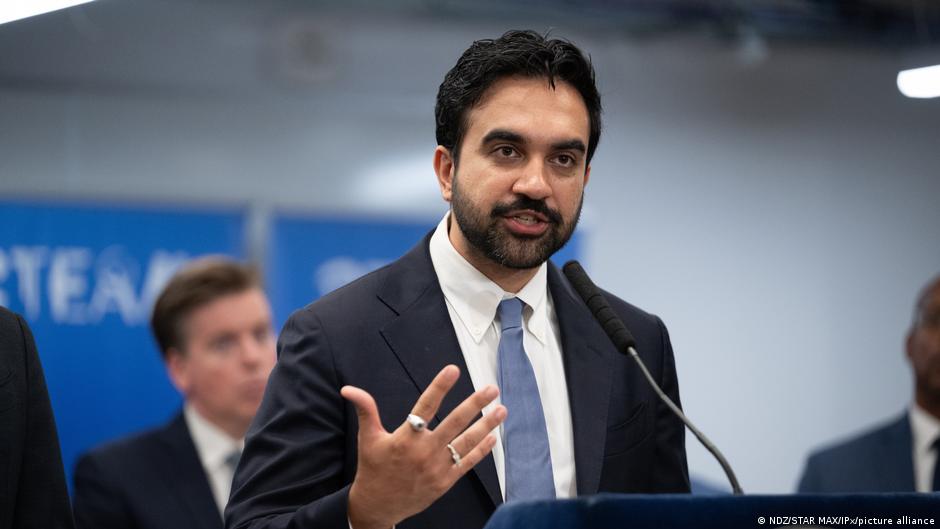
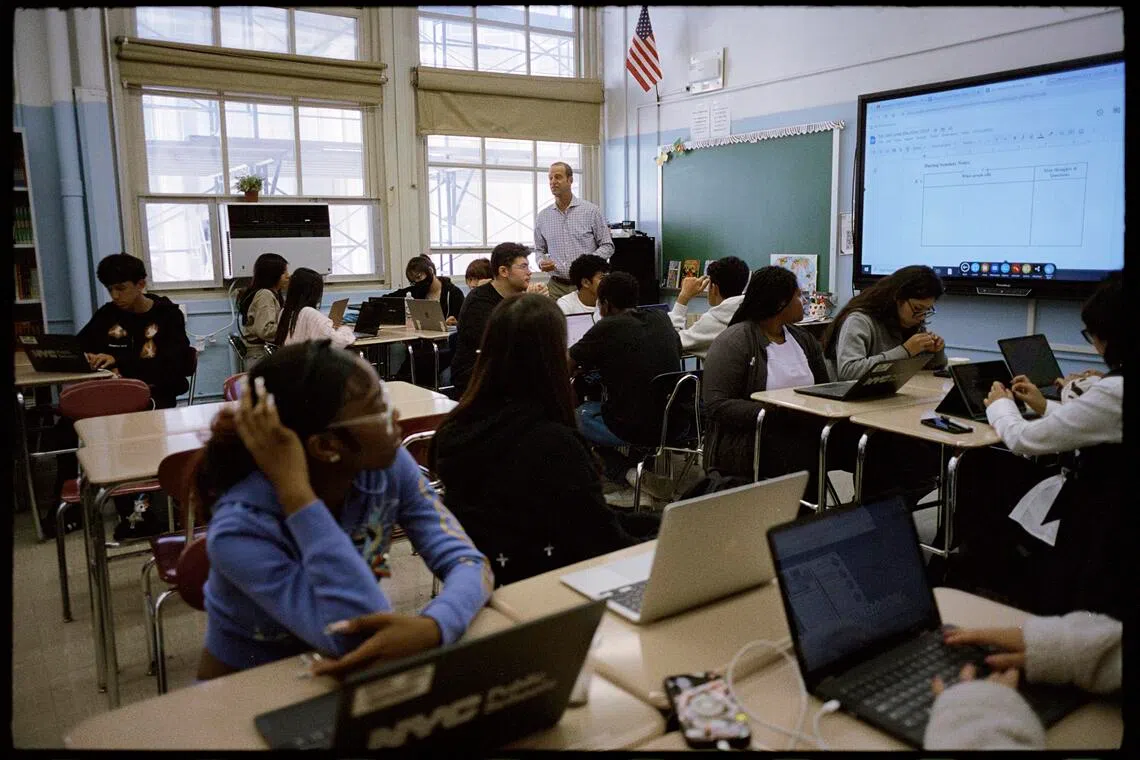
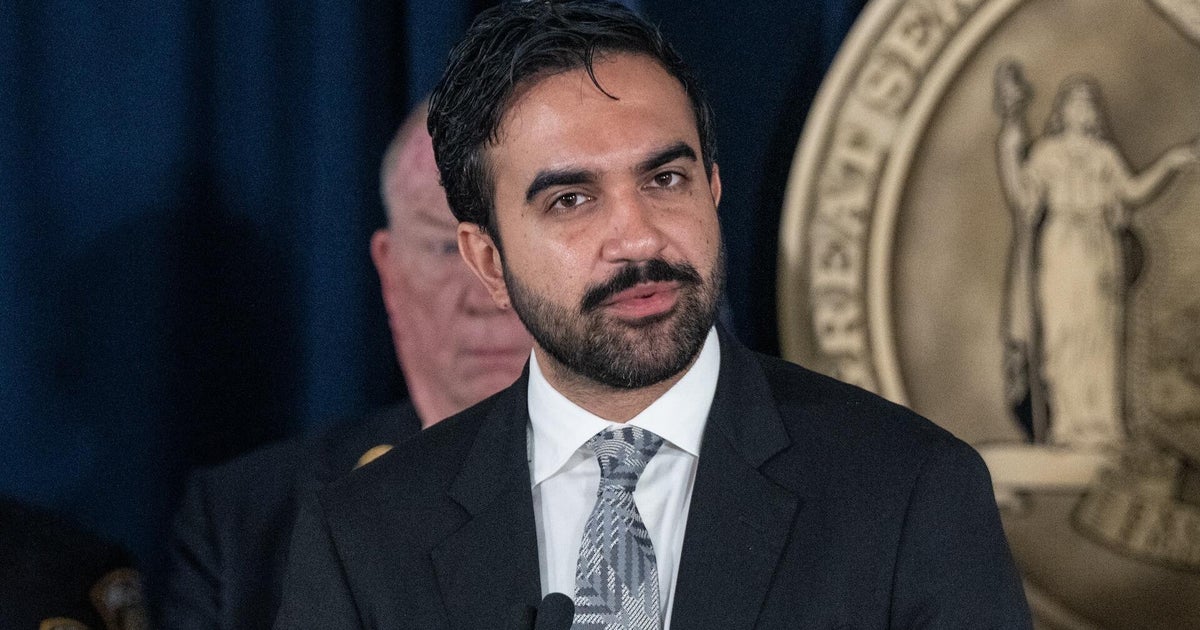
New York City Mayor Zohran Mamdani announced a one-year moratorium on the use of artificial intelligence (AI) in public school classrooms for elementary and middle school students, affecting approximately 600,000 students. The ban applies to student-facing generative AI software and companion chatbots, which will be prohibited across all grade levels. However, high schoolers will still be able to use some AI tools under teacher supervision.
The decision is part of a sweeping new policy aimed at limiting digital devices and AI tools in the city's school system. The moratorium will allow officials to study the impact of AI on students and teachers, while also introducing biannual AI critical thinking training for high schoolers.
Mayor Mamdani framed the decision as a way to prioritize human connection and relationships in education, stating that children need "their teachers and human connection in order to learn and grow."