That is 0 articles you have read today.
The Aporia is free and carries no advertising, so readers are the only
thing paying for it. If you are getting this much out of it, a small
donation is what keeps it independent.
Daily limit reached
You have read 0 articles today.
That is more than the 15 a day The Aporia gives away,
and well past what it can carry on nothing. Your allowance resets at
midnight.
There is no advertising here and nothing about you is sold, so readers
are the only thing paying for it. If the site is worth this much of
your day, it is worth a few dollars.
Everything else stays open: the
maps, the
directory and
search do
not count against this, and neither does re-opening something you have
already read today.
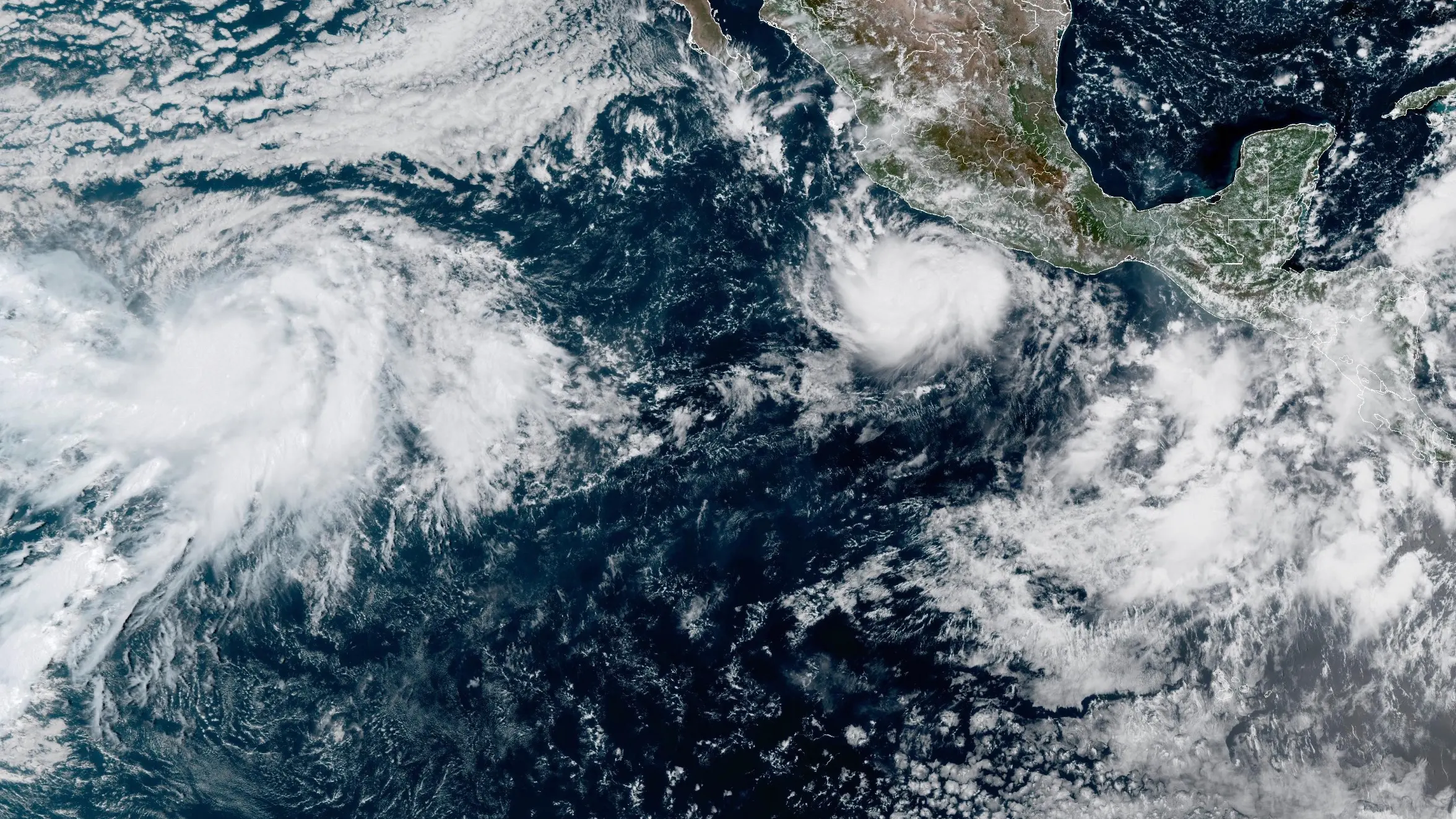
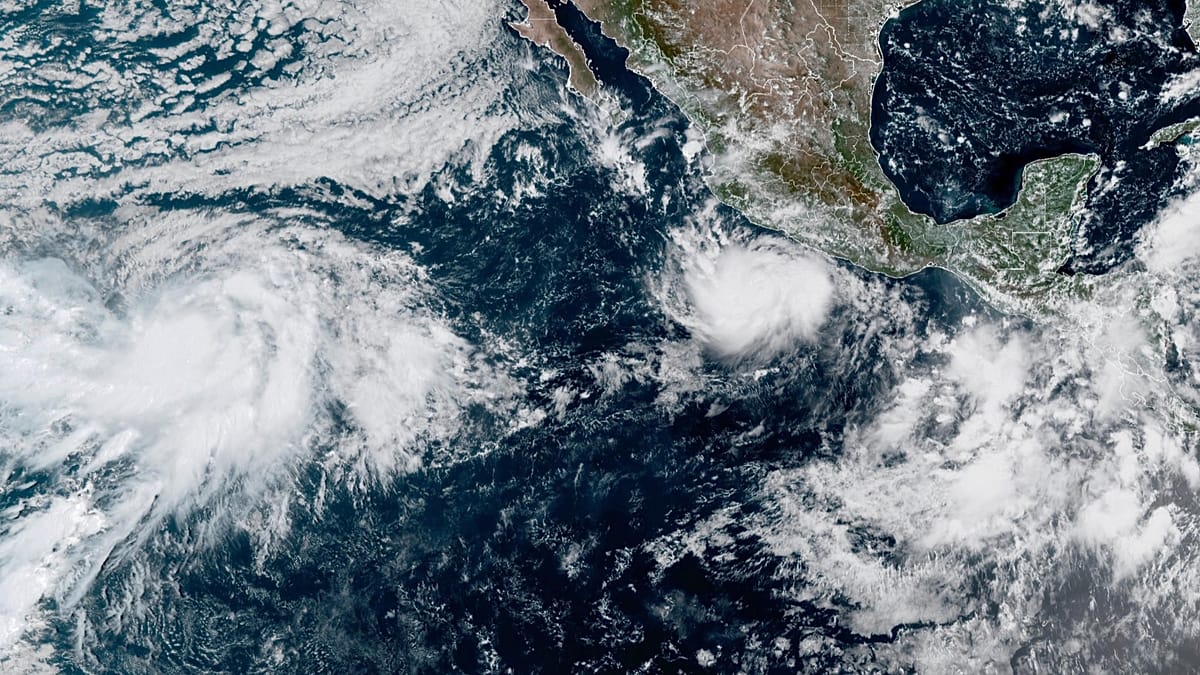
Hurricane Polo is moving towards the Baja California region of Mexico with maximum sustained winds of around 150mph and hurricane-force winds extending up to 40 miles from its center. On September 22, it registered at 892 millibars, making it the second-most intense east Pacific hurricane on record. The article reports that Polo is fueled by warm Pacific waters, maintaining its strength as it tracks northwestward, potentially causing significant impacts with heavy rainfall and dangerous seas.
Written locally by qwen2.5:14b on 2026-09-25,
using this article's own text rather than the other coverage of the
same event (that is the story summary below).
Story summary
Hurricane Polo, a powerful Category 3 hurricane, was barreling towards Mexico's Baja California Sur state on September 28, threatening high winds, floods, and mudslides. The storm had maximum sustained winds near 115 mph (185 km/h) and was expected to make landfall later that day or early Tuesday morning. Residents stocked up on essentials like drinking water and food as the hurricane approached, while officials warned of life-threatening conditions due to heavy rainfall and potential flash flooding.
The storm forced evacuations in some areas, such as Puerto San Carlos, a fishing town with around 5,700 people, where residents feared seawater could breach barriers. Meanwhile, forecasters predicted Polo would dump between 6 to 12 inches (15 to 30 cm) of rain across Baja California Sur, raising the risk of life-threatening flooding and mudslides.
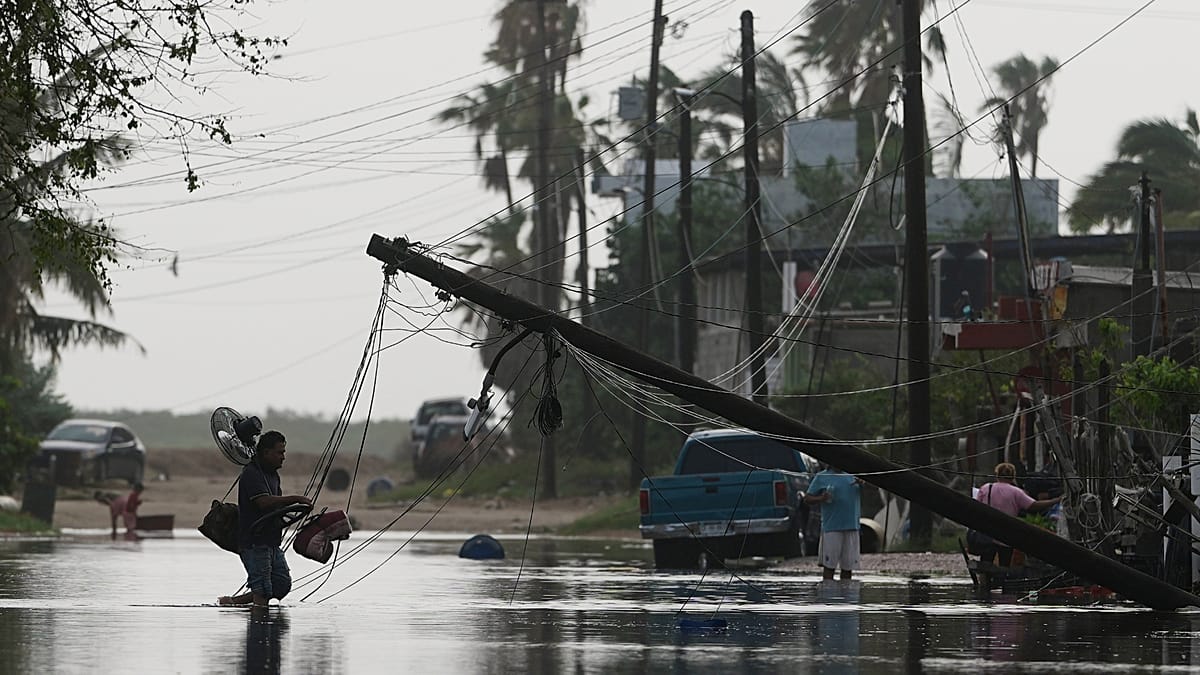
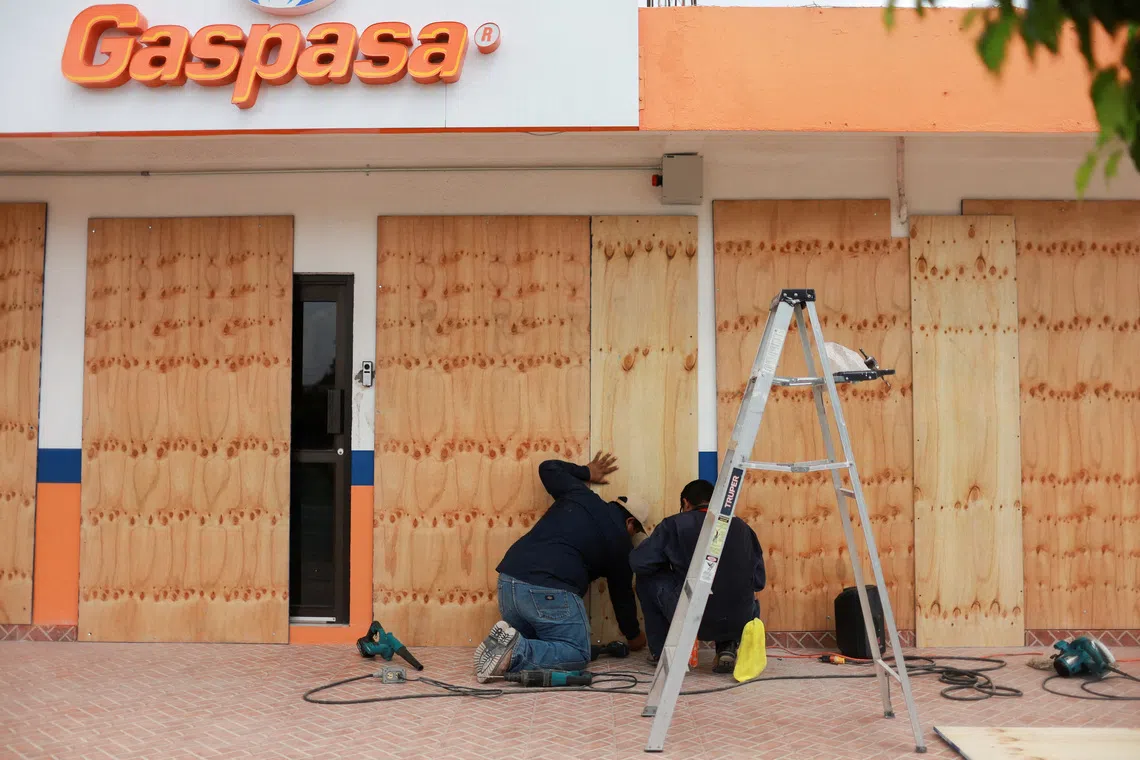
As Hurricane Nolo moved away from Hawaii, it still posed a threat with potential torrential rain. Mexican authorities urged residents to prepare for the imminent arrival of Hurricane Polo by unplugging electrical appliances and securing their homes against strong winds and heavy rains that could cause power outages. Local businesses boarded up doors and windows overnight in coastal cities like Loreto and Ciudad Constitucion, as worsening weather conditions hampered further preparations. Schools were ordered closed on Monday to ensure public safety.
Written for “Hurricane Polo Threatens Mexico” on 2026-10-05,
grounded in this article and the 19 other(s) covering the same event.
Hurricane Polo is barreling towards the Baja California region of Mexico, the latest system in a Pacific hurricane season that has been notably active in recent months.
asserted
that → barrel → months
On 22 September, a measurement of 892 millibars was registered for Hurricane Polo, making it the second-most intense hurricane on record in the east Pacific.
asserted
it → register → Pacific
It is fuelled by exceptionally warm waters across the Pacific Ocean, providing favourable conditions for the system to maintain its considerable strength.
asserted
system → fuel → strength
Polo is expected to turn towards the west-north-west, before taking a more north-westerly trajectory on Saturday.
asserted
Polo → expect → Saturday
It has maximum sustained winds of around 150mph, with even stronger gusts occurring within the most intense parts of the hurricane.
asserted
gusts → have → hurricane
Hurricane-force winds extend outward for approximately 40 miles from the centre, while tropical storm-force winds reach as far as 125 miles.
asserted
winds → extend → miles
These powerful winds, combined with torrential rainfall and dangerous seas, could have significant impacts.
uncertain
winds → combine → impacts
Although some fluctuations in intensity are possible over the coming days, Polo is expected to remain powerful as it tracks north-westwards.
asserted
it → come → days
In India, a deep 988-millibar low-pressure system – a tropical storm in this case – is centred along the east coast, bringing widespread and potentially disruptive weather conditions to Odisha and surrounding areas.
asserted
system → centre → Odisha
The system is producing heavy rainfall across the region, with the latest forecast models suggesting totals could exceed 200mm in some locations over a 24-hour period.
uncertain
totals → produce → period
Rainfall rates are expected to be particularly intense at times, with hourly totals potentially exceeding 30mm in the heaviest downpours.
asserted
totals → expect → downpours
Such intense rainfall could cause significant surface water and localised flooding, particularly in low-lying areas and places with poor drainage.
uncertain
rainfall → cause → drainage
Strong and gusty winds are also affecting coastal parts of Odisha.
asserted
winds → affect → Odisha
Winds are forecast to reach around 50-60mph, creating hazardous conditions in exposed areas and potentially causing disruption to travel, infrastructure and power supplies.
asserted
Winds → forecast → travel
Authorities have closed numerous schools across the affected districts for safety reasons.
asserted
Authorities → close → reasons
Meanwhile, in Iberia, the relentless heat of summer is extending into meteorological autumn, with temperatures rising into the high 30s celsius on 23 September.
asserted
heat → extend → September
Alvega, in Portugal, recorded a maximum temperature of 41.7C, smashing many July records from previous decades.
asserted
Alvega → record → decades
 The Aporia