Toronto Star
· collected 2026-09-25 · by Craig Lord The Canadian Press
OTTAWA - Labour experts say the Liberal government’s latest major legislative push will test the limits of Ottawa’s power to intervene in collective bargaining when economic interests are at stake.
asserted
interests → say → stake
The Liberals tabled Bill C-39, the Building Canada Strong Act, on Monday.
asserted
Liberals → table → Monday
It proposes measures to streamline project approvals across Canada, as well as changes to the Canada Labour Code.
asserted
It → propose → Code
The most consequential of those changes are adjustments to Section 107, which was introduced to the labour code in 1984.
asserted
which → introduce → 1984
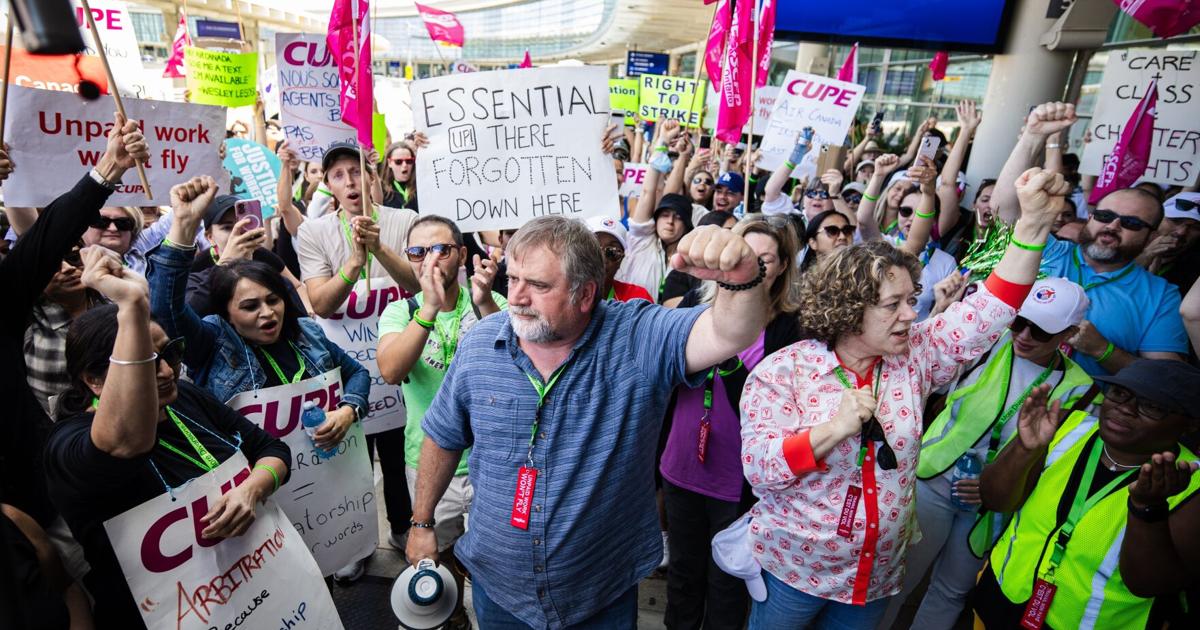
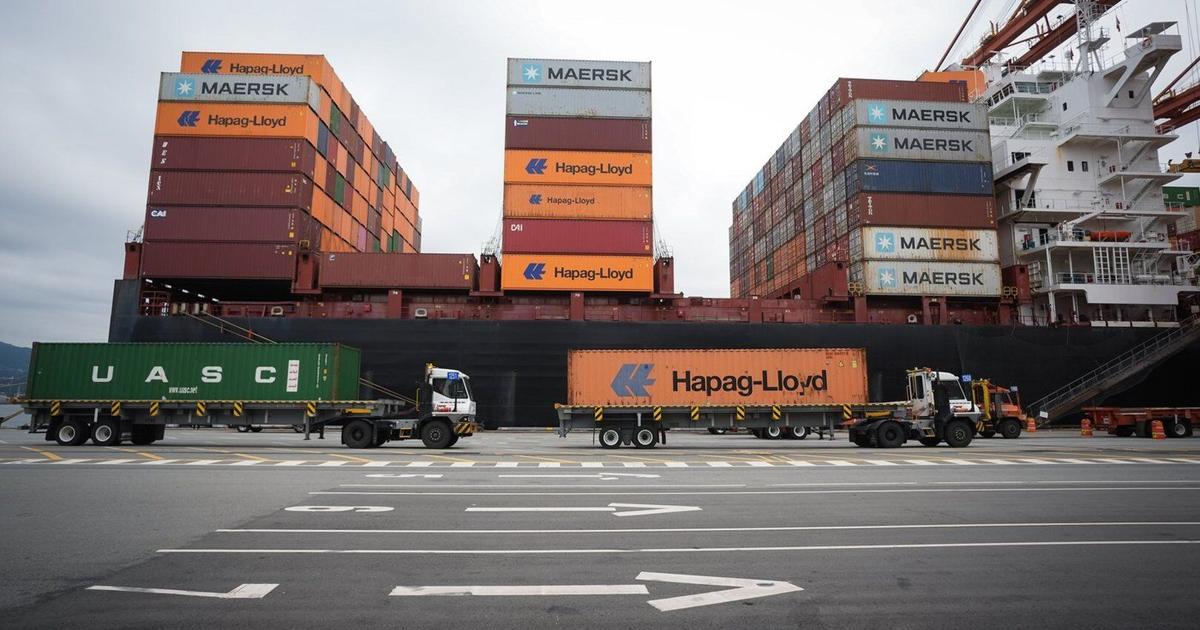
The Liberals have in recent years leaned on this contentious part of the law to shut down strikes in federally regulated sectors such as rail, ports and air transportation.
asserted
Liberals → lean → rail
The minister can trigger the section to direct the Canada Industrial Relations Board to “do such things as the minister deems necessary” to settle disputes and ensure industrial peace.
asserted
minister → trigger → peace
Whether the section’s broad wording actually gives the federal government the authority to direct the industrial board to end strikes is up for debate.
asserted
gives → give → debate
It’s also the subject of ongoing court challenges stemming from government actions to settle recent disputes affecting Canadian railways and ports, and at Air Canada and Canada Post.
asserted
It → ’ → Canada
Bill C-39 changes the language in Section 107 to explicitly state that a minister can order a business under federal jurisdiction to resume operations or put parties into binding arbitration.
asserted
minister → change → arbitration
It also adds conditions the federal government must meet before triggering the section: it must consider a special mediator’s report and determine whether a work stoppage is adversely affecting the “national interest.”
asserted
stoppage → add → interest
The federal government argues this revised Section 107 measure doesn’t constitute a new power to intervene in labour disputes.
asserted
measure → argue → disputes
“The changes proposed in the bill would clarify the minister’s existing ability to direct the board to take specific measures by establishing clear guardrails around the use of Section 107,” said Maja Stefanovska, spokesperson for Employment and Social Development Canada, in an email.
asserted
Stefanovska → propose → email
Labour experts who spoke to The Canadian Press this week argue the new language likely does confer additional powers on the minister — and those powers will be subject to Charter challenges questioning their constitutionality.
asserted
powers → speak → constitutionality
“They’re pitching it as trying to clarify it and, as they said, put some guardrails around Section 107,” said Adam King, assistant professor in the labour program at the University of Manitoba.
asserted
King → pitch → Manitoba
“But I think that’s a mischaracterization.
asserted
that → think → ?
What they’ve done is really enhanced that power.
asserted
done → do → power
It’s really Section 107 on steroids.”
asserted
It → ’ → steroids
As of Thursday afternoon, the federal government had not yet published a Charter statement regarding Bill C-39 to advise of any potential consequences the legislation might have for Canadians’ rights and freedoms.
uncertain
legislation → publish → rights
Bethany Hastie, associate professor in law and director of the Centre for Law in the Contemporary Workplace at Queen’s University, said the federal government is setting out a “clearer process” to use Section 107 to interfere in collective bargaining.
asserted
government → say → bargaining
Hastie said this approach has the potential to “significantly impact” workers’ rights to strike, which was upheld by the Supreme Court of Canada in 2015.
asserted
which → say → 2015
The government will have to prove that the way it uses these powers will constitute a reasonable limit on that right to strike, she noted.
asserted
she → have → right
So far, most reasonable limits to those rights in the Canadian labour context have revolved around essential services — occupations like firefighting or nursing where work stoppages can create immediate threats to health and safety.
asserted
stoppages → revolve → health
“There have been arguments made that perhaps the right to strike could be reasonably limited where there are significant adverse economic consequences, but that is not something that’s yet been pronounced on” at the Supreme Court, Hastie said.
uncertain
Hastie → make → Court
That’s where the “national interest” condition proposed in Bill C-39 comes in.
asserted
condition → ’ → Bill
The text of the legislation says the minister can take into account “any relevant considerations” to determine if the “national interest” is at stake.
asserted
interest → say → stake
They could include economic impacts and social disruption, but also the right to free association — workers’ right to strike.
uncertain
They → include → association
Critics called on the federal government to define “national interest” when it showed up in the Building Canada Act passed last year.
asserted
it → call → Act
Under that legislation, projects deemed to be in the “national interest” are eligible for faster approval processes, which could include exemptions from certain environmental laws.
uncertain
which → deem → laws
Jobs Minister Patty Hajdu has said the national interest qualifier is a “high bar” to meet.
asserted
qualifier → say → ?
She also said in a Monday interview there is no “blanket answer” to the question of where that bar is set, since each strike is different.
asserted
strike → say → question
“I think the pressure is extremely high when it’s in a transportation sector that is transporting essential goods, transporting perishable goods,” she said.
asserted
she → think → goods
“There are a number of different scenarios where the pressure really mounts.
asserted
pressure → be → scenarios
And it’s intended to mount.
asserted
it → intend → ?
That’s a point of a strike.”
asserted
That → ’ → strike
Brent Marks, a lawyer in the labour and employment division at Nelligan Law, said strikes are supposed to impose economic discomfort.
asserted
strikes → say → discomfort
He said it appears easy to justify the claim that a strike at Air Canada that disrupts thousands of flights and related services would trigger the conditions Ottawa has set out in the bill.
uncertain
Ottawa → say → bill
“Obviously that’s something that engages the national interest,” Marks said.
asserted
Marks → ’ → interest
The government already has a tool to intervene in labour disputes in federally regulated sectors: passing back-to-work legislation in Parliament.
asserted
government → have → Parliament
Hajdu argued it’s not always possible to convene the House of Commons when necessary to resolve a dispute.
asserted
it → argue → dispute
Marks said the changes to Section 107 seem to suggest Ottawa is looking for a less overt way to end labour disruptions.
asserted
Ottawa → say → disruptions
…and 4 more, not listed.
 The Aporia