That is 0 articles you have read today.
The Aporia is free and carries no advertising, so readers are the only
thing paying for it. If you are getting this much out of it, a small
donation is what keeps it independent.
Daily limit reached
You have read 0 articles today.
That is more than the 15 a day The Aporia gives away,
and well past what it can carry on nothing. Your allowance resets at
midnight.
There is no advertising here and nothing about you is sold, so readers
are the only thing paying for it. If the site is worth this much of
your day, it is worth a few dollars.
Everything else stays open: the
maps, the
directory and
search do
not count against this, and neither does re-opening something you have
already read today.
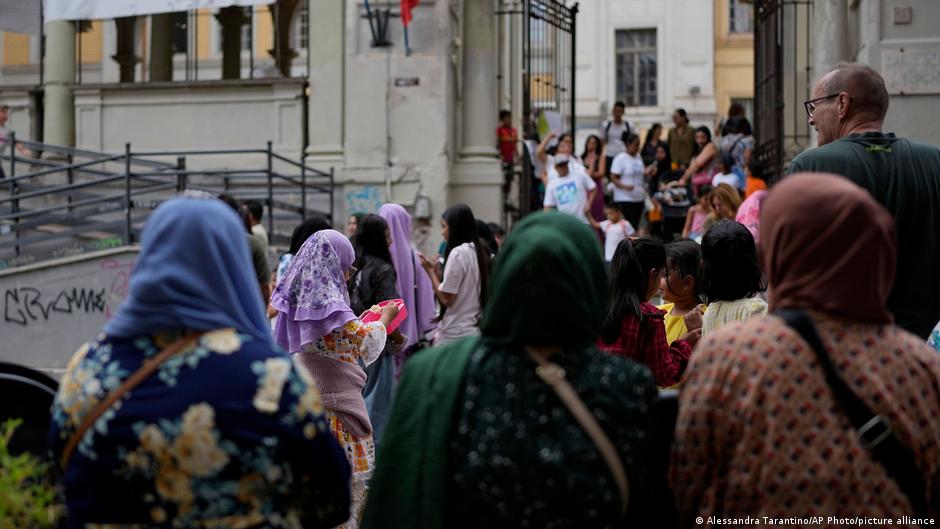
Italy's conservative government has approved measures banning burqas and niqabs in schools and setting limits on foreign students with poor Italian language skills to 30% per classroom. Prime Minister Giorgia Meloni defends these rules as tools for integration, while opponents like opposition leader Elly Schlein denounce them as divisive. The decree affects approximately 1,000 classrooms nationwide, about 0.3% of the total, and fines non-compliant schools up to €1,000 ($1,140). Critics argue that such restrictions could lead to educational segregation and discrimination against migrant students.
Written locally by qwen2.5:14b on 2026-09-25,
using this article's own text rather than the other coverage of the
same event (that is the story summary below).
Story summary
Giorgia Meloni, Prime Minister of Italy, announced on September 24 at a youth event organized by her right-wing Brothers of Italy party in Rome, plans to ban face coverings like burqas and niqabs in schools. She also proposed capping the number of foreign students per class, requiring parents of foreign students facing integration difficulties to learn Italian, and making it mandatory for students to attend school with their faces uncovered. Meloni emphasized that immigrants must learn Italian, understand Italian culture, and respect Italian rules if they want a future in Italy. This move is part of efforts to address the contentious issue of migrant integration amid high levels of immigration to Italy, due to its location in the central Mediterranean. The proposed measures need Cabinet approval before being presented to parliament for final passage within 60 days.
Written for “Italy School Ban Burqas Limit Foreign…” on 2026-10-05,
grounded in this article and the 19 other(s) covering the same event.
Italy's conservative government on Thursday approved a new decree banning face-covering Islamic veils — including burqas and niqabs — in schools and putting a limit on the number of students with a poor command of the Italian language in each classroom.
asserted
government → approve → classroom
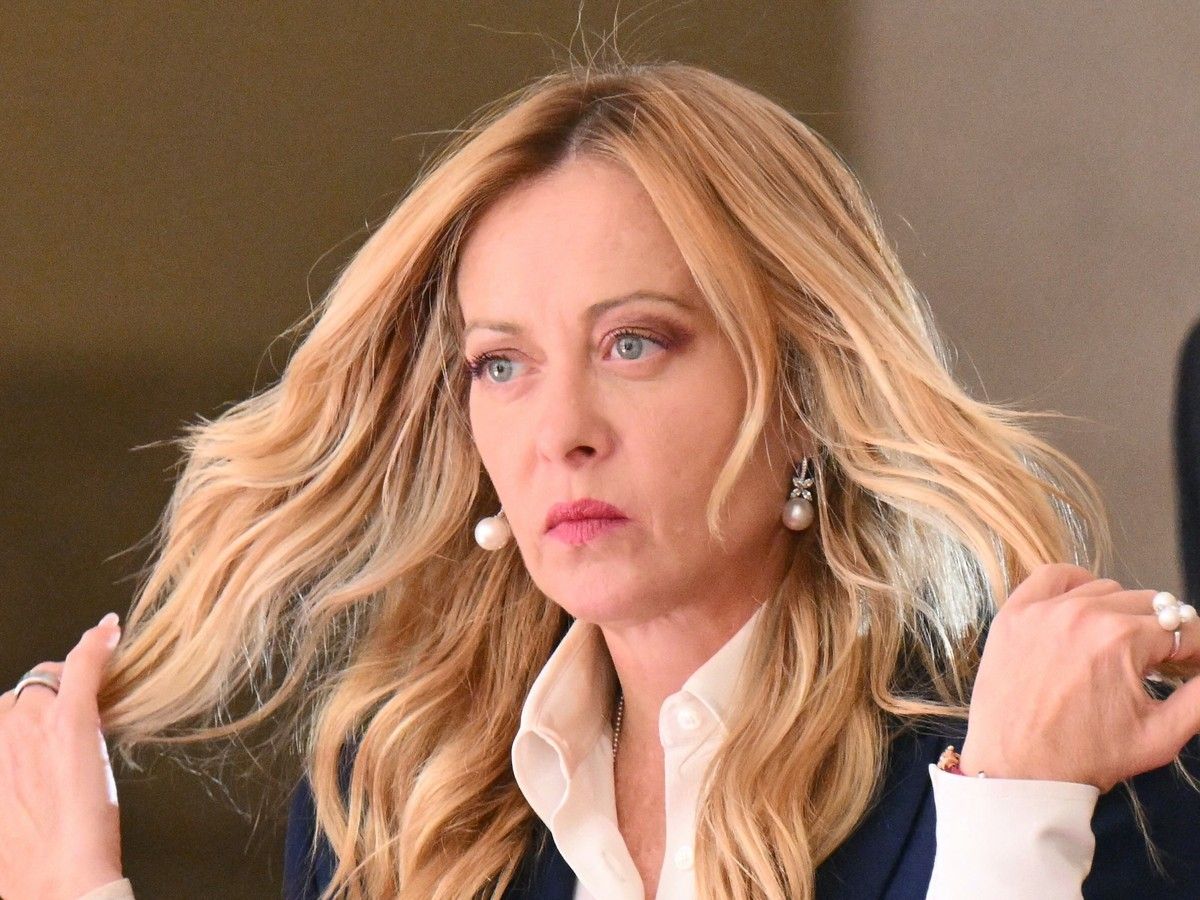
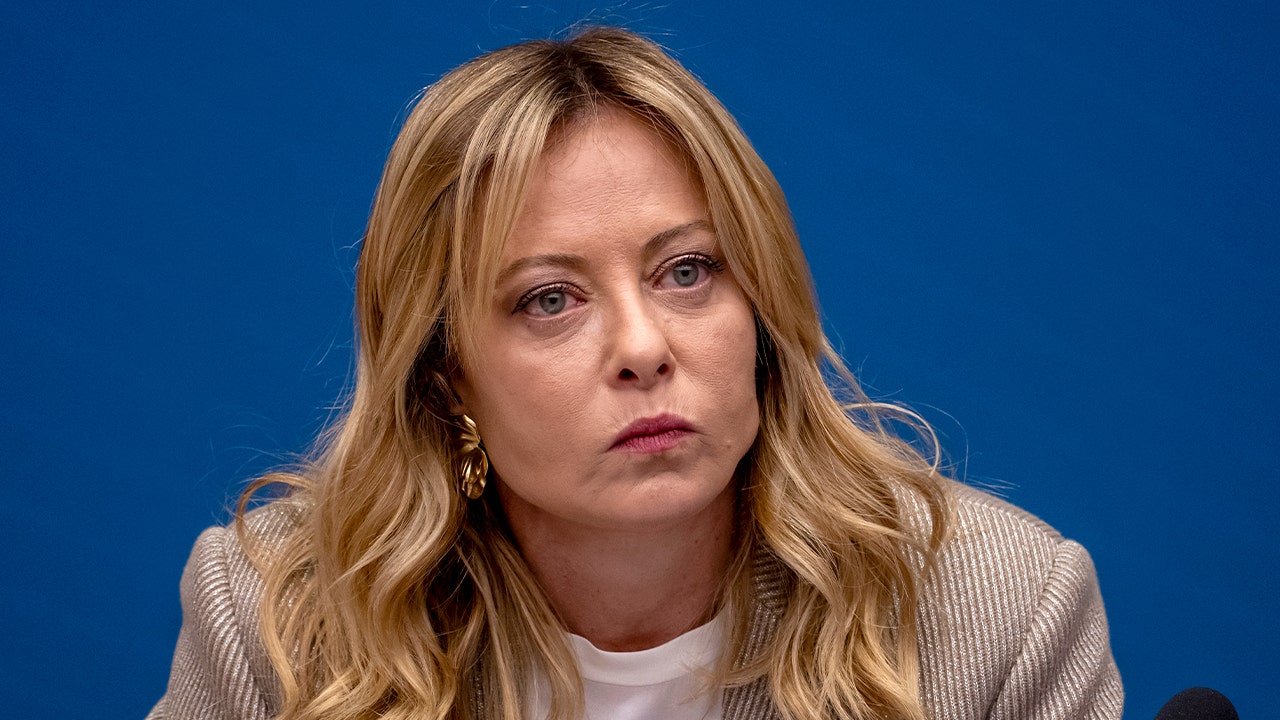
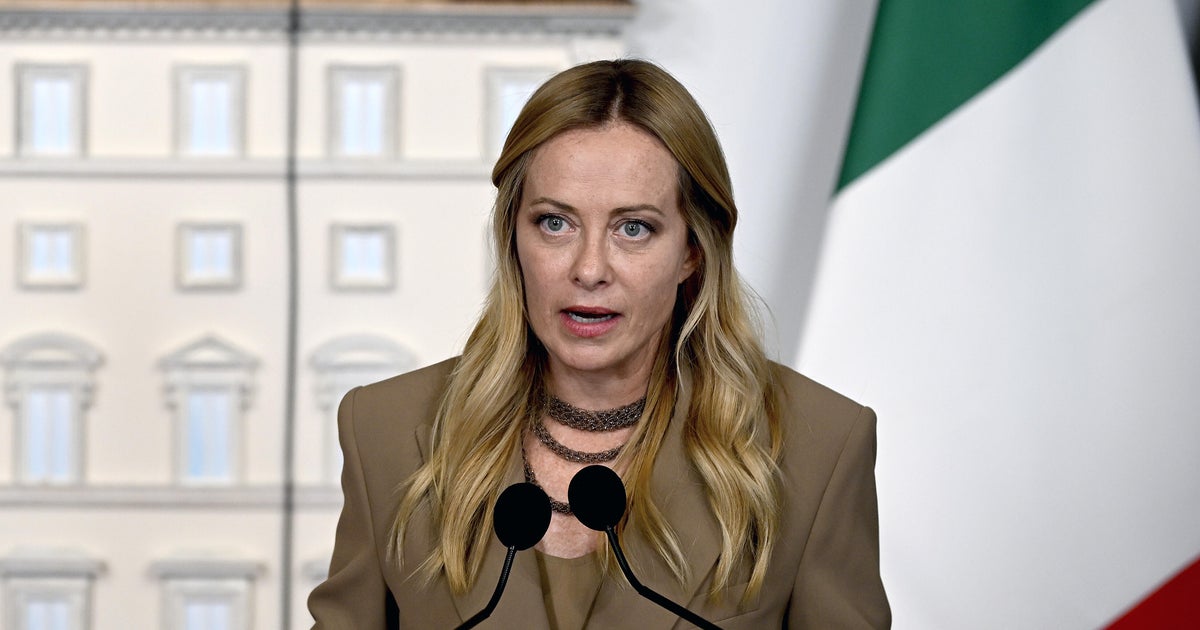
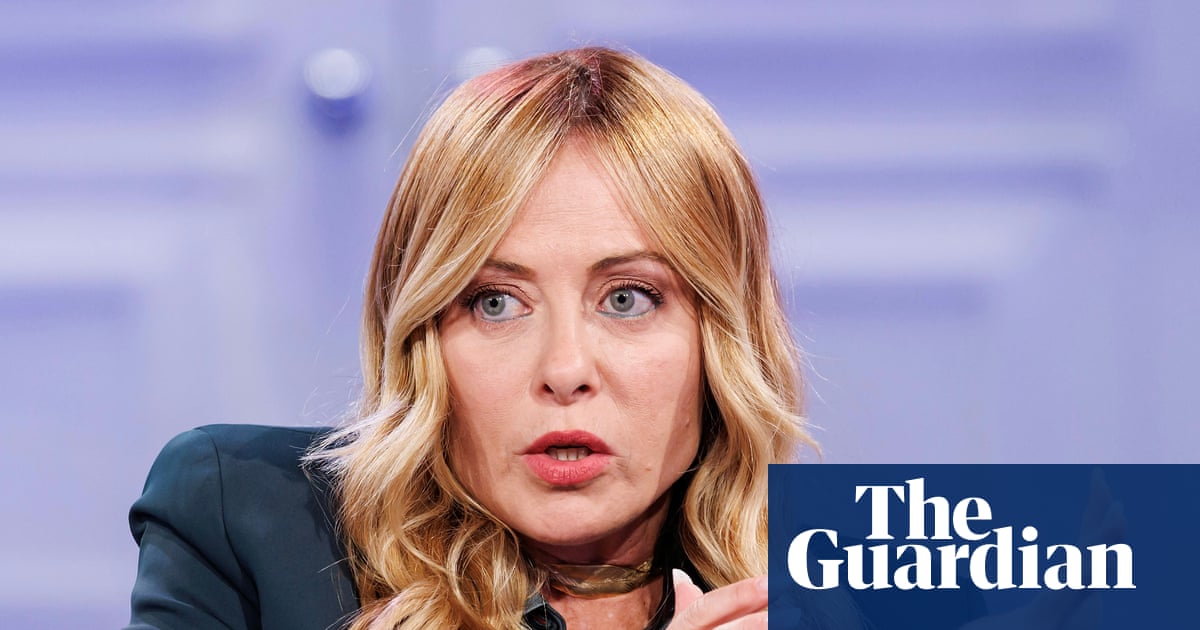
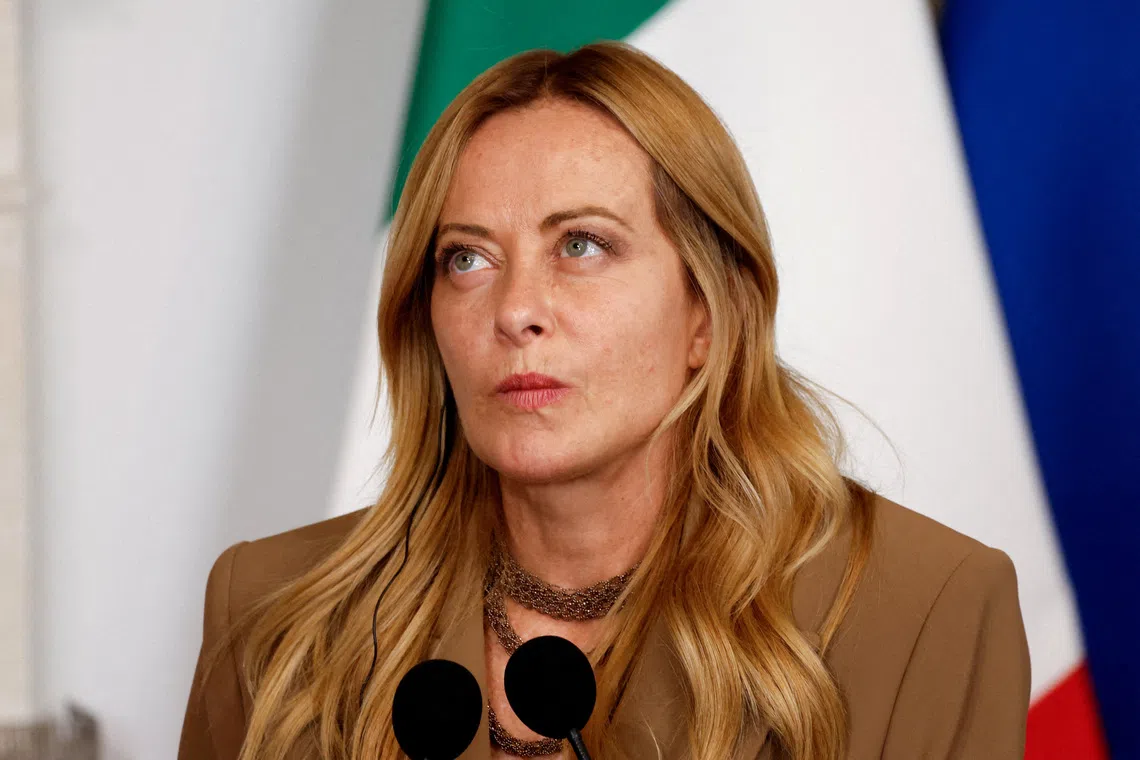
Italian Prime Minister, Giorgia Meloni, called her Cabinet's measures "tools of common sense that do not divide," adding that they will help integration by avoiding what the right-wing leader called "ghetto classes."
She went on to say the rules would lead to all students receiving the "same opportunities."
Opposition parties and other critics have denounced the move by Meloni's government, with some calling it a "witch hunt” and others accusing the government of turning immigration into more of a political issue ahead of next year's general election.
asserted
others → call → election
What do Italy's new school rules entail?
asserted
rules → entail → What
The measures take effect right away but still require parliamentary approval within 60 days.
asserted
measures → take → days
Meloni's coalition currently holds a majority in the country's legislature.
asserted
coalition → hold → legislature
Here is what the decree includes:
- A per-classroom cap of 30% for foreign students who lack sufficient proficiency in Italian
-
asserted
who → include → Italian
In primary schools, the limit applies to pupils without Italian citizenship who were not born in Italy or did not attend at least two years of preschool
-
asserted
who → apply → preschool
In lower and upper secondary schools, the same limit applies to students without Italian citizenship who have not attended the country's school system for at least three years
-
asserted
who → apply → years
Failure to comply with the decree is punishable by a fine of up to €1,000 euros ($1,140)
Face-coverings banned in schools
The decree bans burqas and niqabs in schools but will continue to allow hijabs.
asserted
decree → comply → hijabs
Meloni said the burqa ban was "a matter of security.
asserted
ban → say → security
"
"When a woman — or worse, a young girl — is forced to cover her face, she is being denied fundamental rights and the very integration that is so often loudly championed," Meloni was quoted as saying in a television interview.
asserted
Meloni → force → interview
Italian Education Minister Giuseppe Valditara said the decree would affect about 1,000 classrooms, which come up to 0.3% of the nationwide tally.
asserted
which → say → tally
According to official data, pupils without Italian citizenship comprised 11.2% of Italy's school population from 2022 to 2023, while classes with over 30% foreign students stood at 7.6% of the total.
uncertain
classes → accord → total
What do critics say?
asserted
critics → say → What
Opponents of the decree are worried that the new measure could force students to attend schools far from the neighborhoods where they live.
uncertain
they → worry → neighborhoods
Reports have also highlighted concerns among school authorities regarding how the rules would work in areas with large migrant populations.
asserted
rules → highlight → populations
Independent child rights organization Save the Children had on Wednesday called on the Italian government to weigh the measure "with the utmost political responsibility,” adding that it risked creating discriminatory effects.
"Such a criterion would create ‘first-class' and 'second-class' students," the organization said in its statement.
asserted
organization → call → statement
Meanwhile, opposition leader Elly Schlein railed against the decree, accusing Meloni's government of "a new witch hunt at the expense of children."
Meloni is at the head of the most right-wing government that Italy has seen since World War II.
If you rely on our team for trusted reporting, please take a moment to select us as your Preferred Source on Google so you'll always see our verified news first.
asserted
you → rail → news
 The Aporia