Italian Prime Minister Giorgia Meloni announced plans on September 20 to introduce legislation that would limit the number of foreign students in Italian classrooms and ban burqas and niqabs in schools. The proposal aims to promote cultural integration and protect Italian cultural identity, with Meloni arguing that high concentrations of non-native speakers can hinder learning for all students. Students without Italian citizenship currently make up around 11.6% of school enrollment nationwide. The legislation would also require mandatory Italian-language lessons for parents of foreign pupils facing integration challenges.
Written locally by qwen2.5:14b on 2026-09-22,
using this article's own text rather than the other coverage of the
same event (that is the story summary below).
Story summary
Giorgia Meloni, Prime Minister of Italy, announced on September 24 at a youth event organized by her right-wing Brothers of Italy party in Rome, plans to ban face coverings like burqas and niqabs in schools. She also proposed capping the number of foreign students per class, requiring parents of foreign students facing integration difficulties to learn Italian, and making it mandatory for students to attend school with their faces uncovered. Meloni emphasized that immigrants must learn Italian, understand Italian culture, and respect Italian rules if they want a future in Italy. This move is part of efforts to address the contentious issue of migrant integration amid high levels of immigration to Italy, due to its location in the central Mediterranean. The proposed measures need Cabinet approval before being presented to parliament for final passage within 60 days.
Written for “Italy School Ban Burqas Limit Foreign…” on 2026-10-05,
grounded in this article and the 19 other(s) covering the same event.
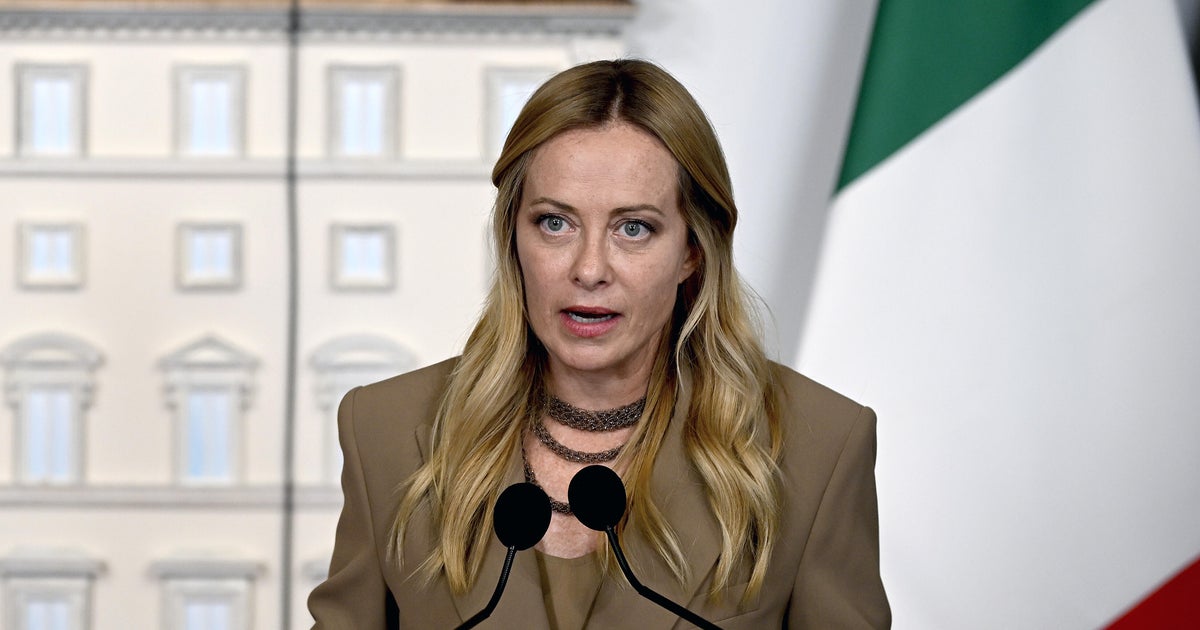
Italian Prime Minister Giorgia Meloni announced plans Sept. 20 to introduce legislation capping the number of foreign students in Italian classrooms and banning face-covering garments, including burqas and niqabs, in schools.
asserted
Meloni → announce → schools
The conservative leader said her proposed measures aim to foster integration, preserve Italian cultural identity and ensure that native children do not feel sidelined in the classroom.
"There’s no way that in an Italian classroom, the ones who feel marginalized are Italian children because they have become a minority," Meloni said during a speech to Gioventù Nazionale, the youth wing of her conservative Brothers of Italy party, in Rome, according to reports.
uncertain
Meloni → say → reports
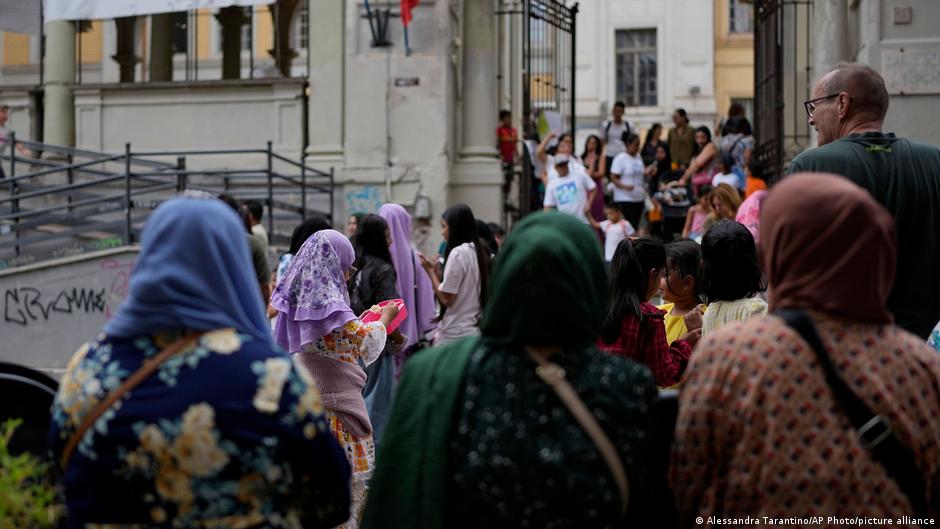
Under the proposal, individual classrooms would have limits on non-Italian students to prevent heavy concentrations in specific districts.
asserted
classrooms → have → districts
Meloni did not specify the exact cap but said the government would also require mandatory Italian-language lessons for parents of foreign pupils who struggle to integrate.
asserted
who → specify → pupils
"For us, anyone who comes to Italy and wants to build their future here must learn our language, understand our culture, and respect our rules," Meloni said, The Associated Press reported.
asserted
Press → come → rules
"It is the only serious way to welcome them."
Students who don't hold Italian citizenship account for around 11.6% of school enrollment nationwide, according to Italy’s Education Ministry cited by the ISMU ETS Foundation.
uncertain
who → welcome → Foundation
Under Italian law, children born to foreign parents also do not automatically gain citizenship at birth and must wait until age 18 before they can apply.
asserted
they → bear → age
Meloni argued that high concentrations of non-native speakers impact the learning process for everyone involved.
asserted
concentrations → argue → everyone
"If in a classroom there is only one child who doesn’t understand Italian, it is possible that that child will manage, with the help of his peers and teachers, to learn the language and integrate fast," she said.
asserted
she → be → language
"But if these children are many, or even the majority, that’s not integration anymore, that’s abandonment."
asserted
that → ’ → ?
The proposed package also targets religious face coverings, explicitly prohibiting burqas and niqabs in educational institutions while permitting other forms of Islamic dress, such as the hijab.
asserted
package → propose → hijab
In a series of posts on X on Monday, the Brothers of Italy party reinforced the prime minister’s message:
"Those who choose to build their future in Italy must learn our language, know our culture, and respect our rules.
asserted
who → reinforce → rules
School is attended with one's face uncovered.
asserted
face → attend → ?
No tradition can impose on a young woman the obligation to hide herself."
asserted
tradition → impose → herself
A subsequent post added: "Limit on the number of foreign students in classrooms, obligation for parents of pupils with serious integration difficulties to learn Italian, and ban on burqas and niqabs in educational institutions.
asserted
parents → add → institutions
"Integration comes through knowledge of our language, respect for our rules, and protection of our cultural identity.
asserted
Integration → come → identity
Several European neighbors, including France and Belgium, have previously imposed bans on face-coverings in public places, though enforcement and legal frameworks differ.
asserted
frameworks → include → places
The proposed Italian legislation is expected to be considered by Italy’s Council of Ministers before being sent to Parliament for consideration.
asserted
legislation → propose → consideration
Meloni, who has led Brothers of Italy since 2014 and served as president of the European Conservatives and Reformists Party from 2020 to 2025, has governed Italy since 2022.
asserted
who → lead → 2022
Her administration recently surpassed previous records set by Silvio Berlusconi to become the longest-serving uninterrupted government in modern Italian history.
asserted
administration → surpass → history
 The Aporia