Singapore’s former US ambassador Chan Heng Chee views the recent Trump-Xi summit as yielding significant diplomatic progress, contrary to other analysts' skepticism. She emphasizes that the core deliverable is a constructive strategic relationship aimed at preventing rivalry from escalating into crisis or war. Noting public interactions and comments during the summit, including Xi Jinping's reference to overcoming the "Thucydides trap," Chan sees efforts by both leaders to establish mutual comfort and respect in their dealings.
Written locally by qwen2.5:14b on 2026-09-25,
using this article's own text rather than the other coverage of the
same event (that is the story summary below).
Story summary
Before the Xi-Trump summit last week, analysts expected soybeans to be included in tariff-reduced arrangements between China and the U.S., but China excluded them from a tariff-reduction list released on September 28, 2026, despite cutting tariffs on other agricultural goods like corn, wheat, meat, and dairy. This decision disappointed American farmers, such as John Bartman, an Illinois-based soybean farmer who called it "a missed opportunity." U.S. soybeans still face an additional tariff of 10%, which traders say is too high for private crushers to absorb, even as Chinese state buyers have stepped up purchases. Despite this exclusion, both sides agreed to form a trade council to discuss reciprocal tariff cuts on $30 billion worth of products and stabilize economic ties.
Written for “US-China Tariff Cuts Deal” on 2026-10-05,
grounded in this article and the 283 other(s) covering the same event.
Trump-Xi summit has a clear deliverable, says Singapore’s former US ambassador Chan Heng Chee
PHILADELPHIA -
asserted
PHILADELPHIA → have → deliverable
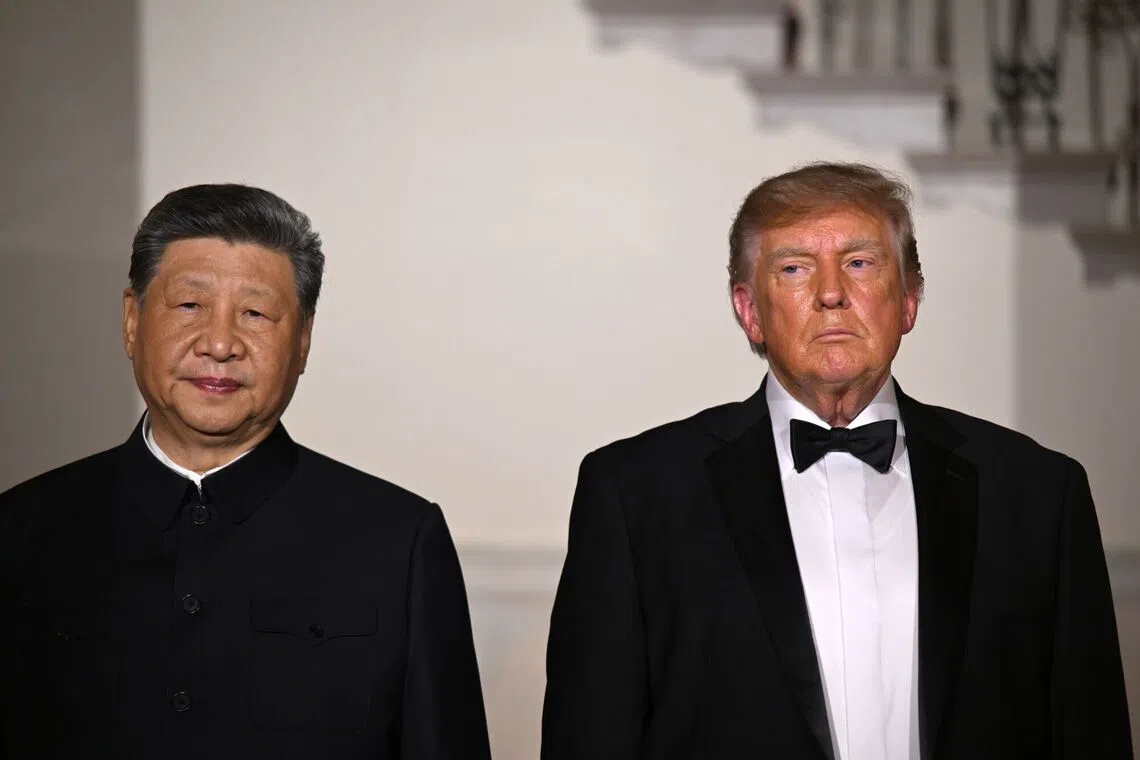
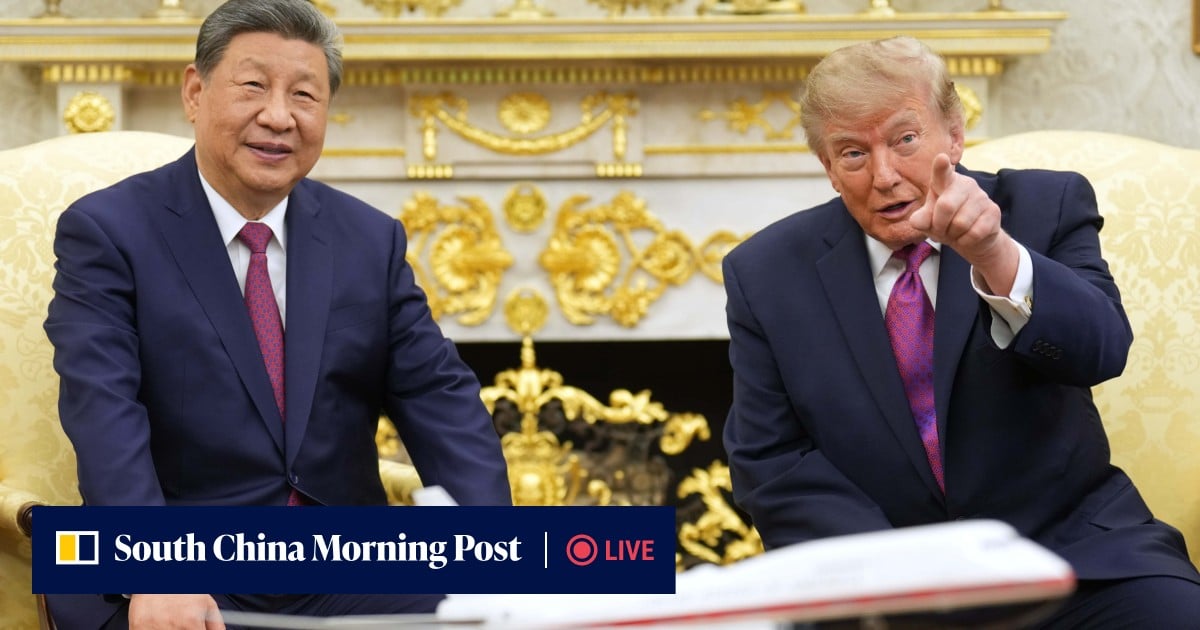
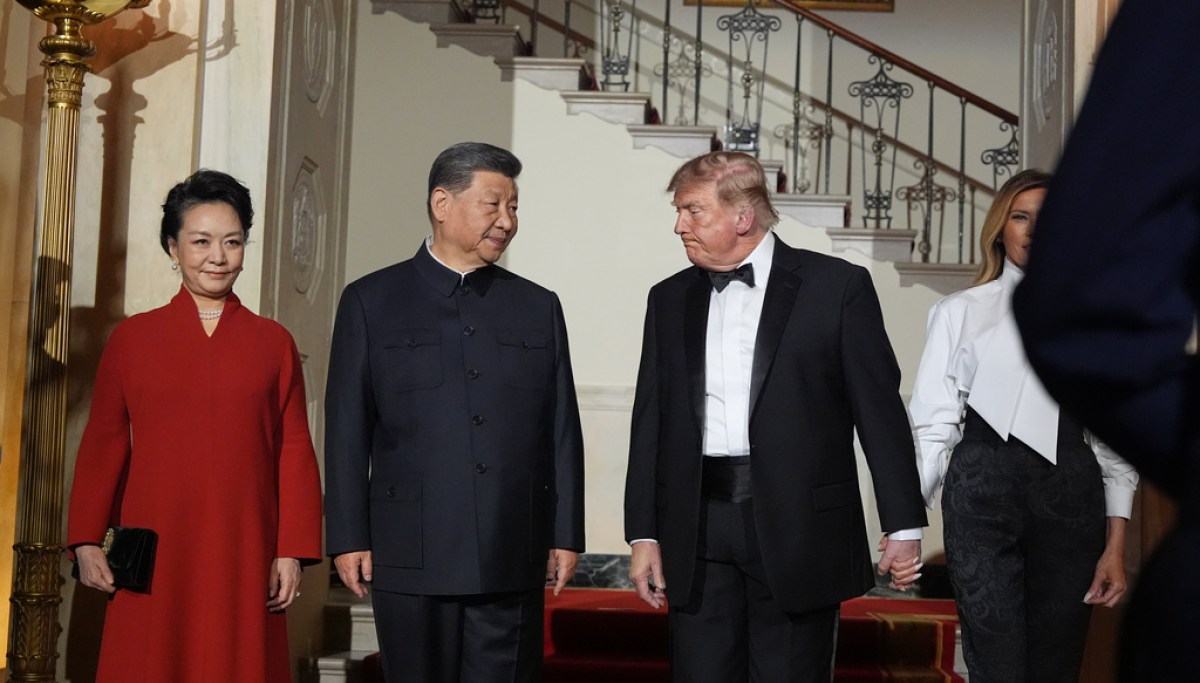
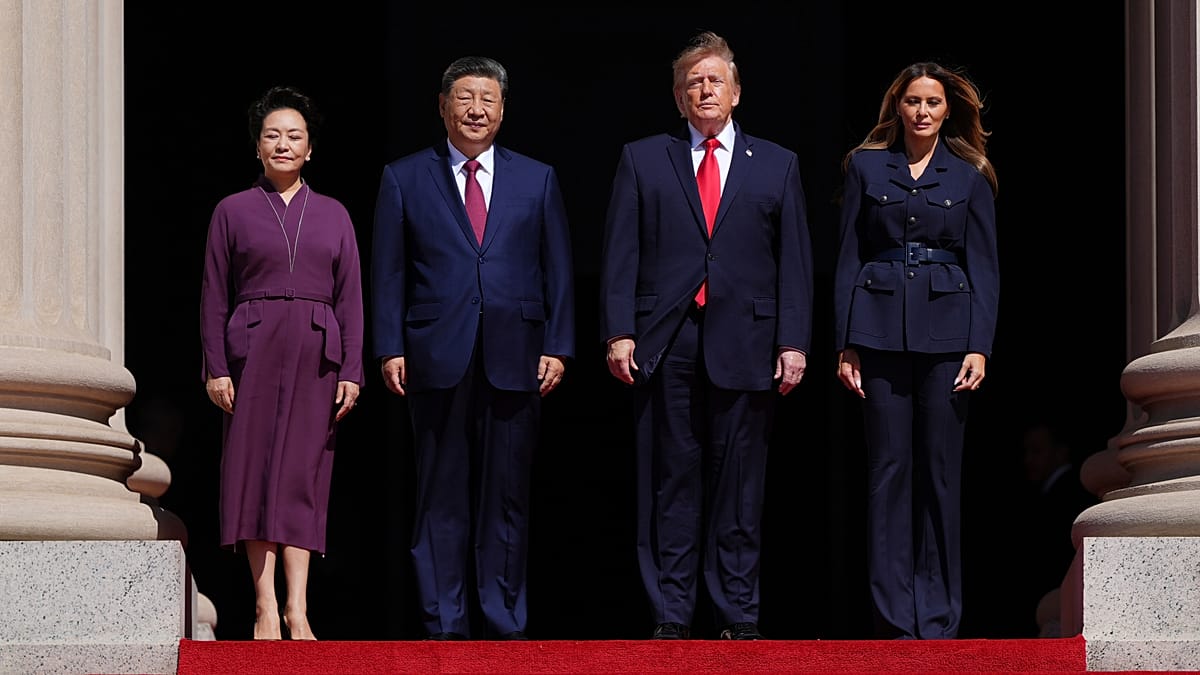
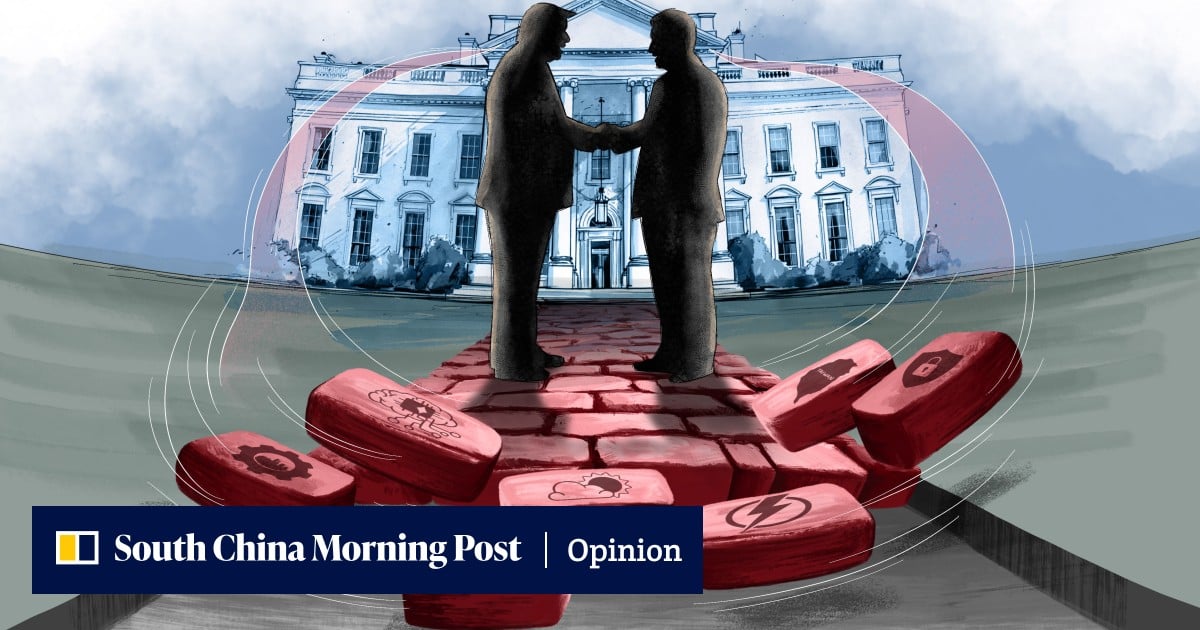
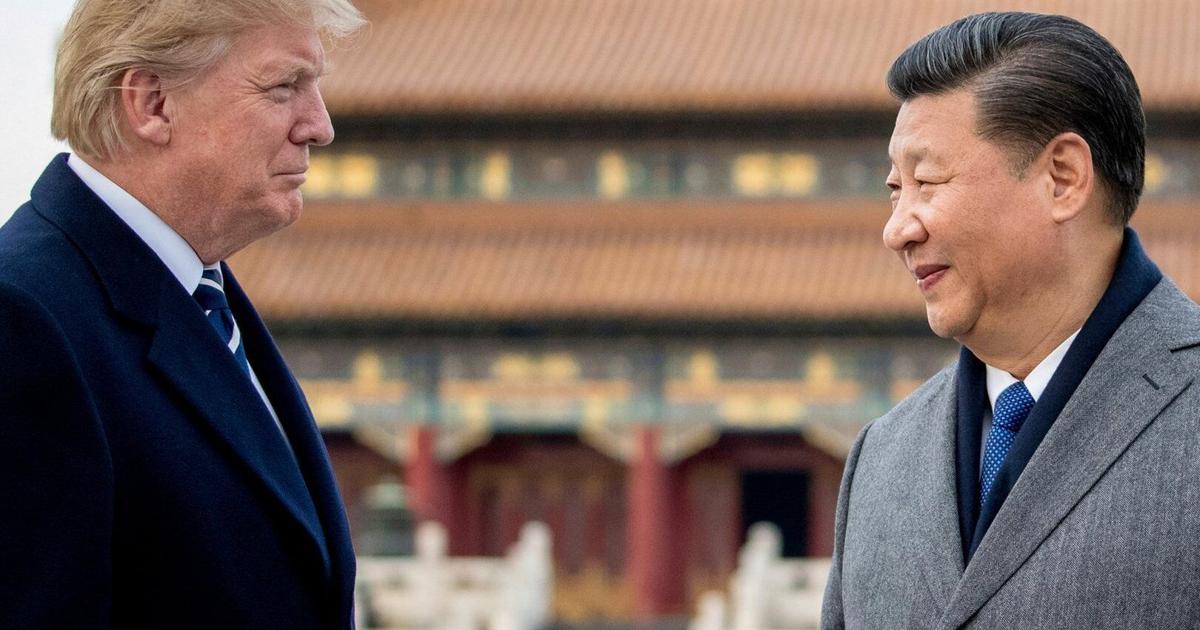
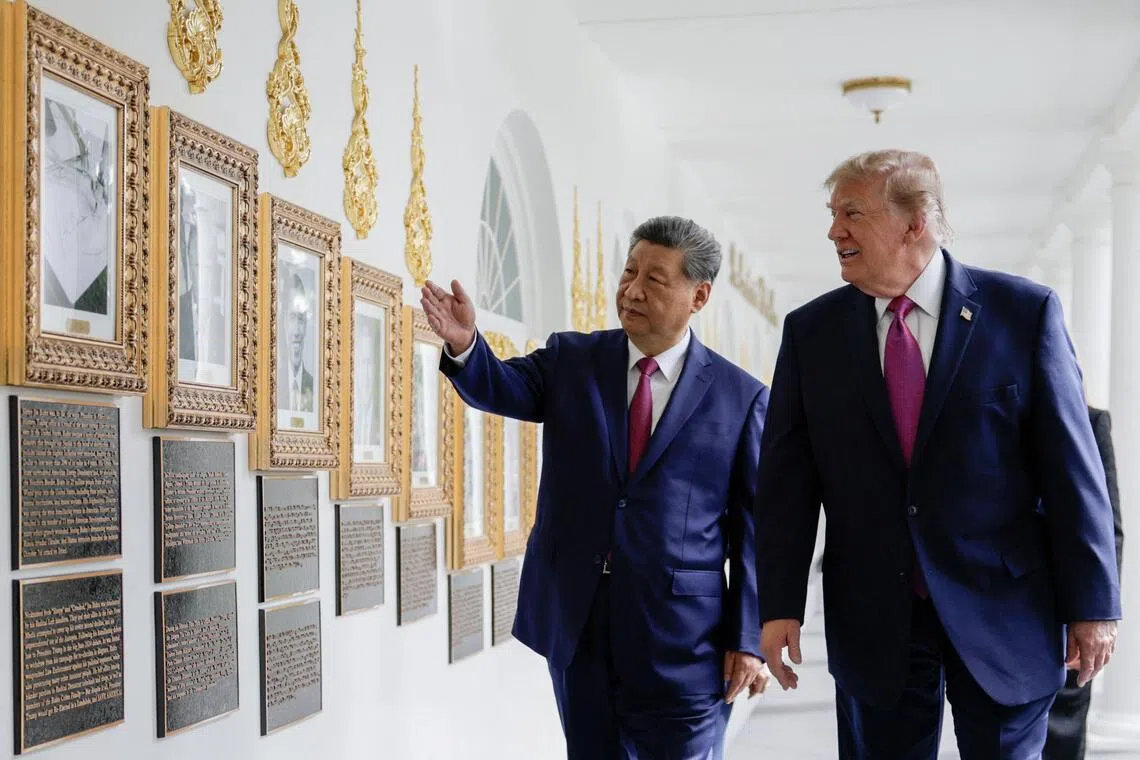
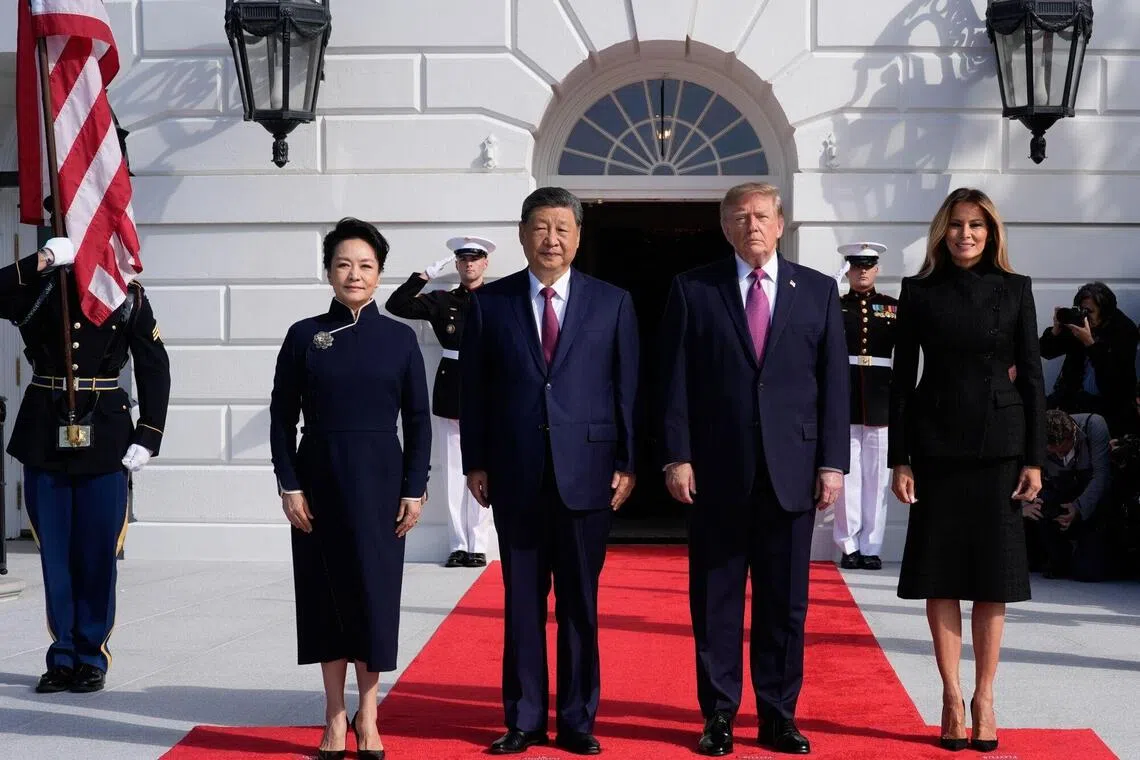
Watching from halfway across the world as President Donald Trump rolled out the red carpet for his Chinese counterpart Xi Jinping, Professor Chan Heng Chee saw signs that both leaders were keen to build a workable relationship amid their strategic rivalry.
asserted
leaders → watch → rivalry
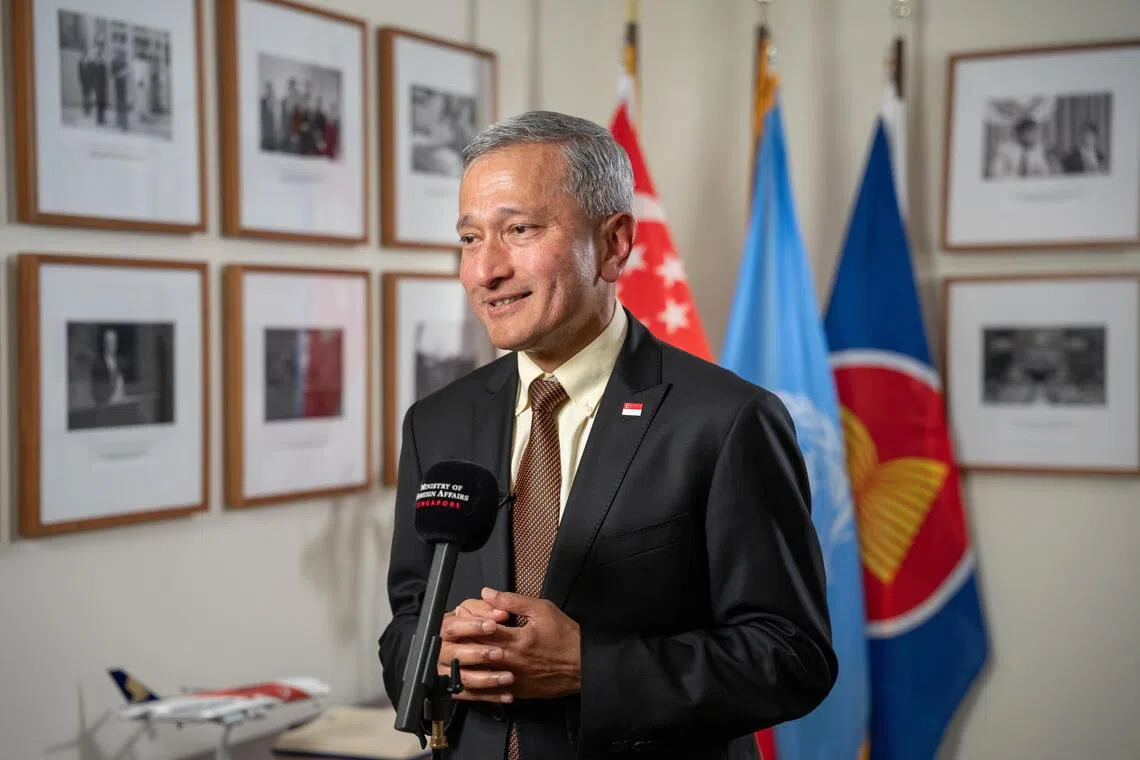
The veteran Singaporean diplomat, who was Singapore’s longest-serving envoy in Washington, said she does not concur with assessments by most analysts that the second meeting between the two presidents in four months was more hype than substance.
asserted
meeting → serve → substance
“The Trump-Xi summit has a clear deliverable – a relationship,” she told The Straits Times in an interview on Sept 24.
asserted
she → have → Sept
For President Xi, she said, the central objective of the visit was to advance what he has called a relationship of “constructive strategic stability”.
asserted
he → say → stability
“I think that was his main interest in this trip because it leads to other things,” Chan said.
asserted
Chan → think → things
The phrase, used by Xi in speeches delivered in Washington, refers to a broad diplomatic framework for managing the US-China rivalry so that their competition does not worsen into a full-blown crisis or war.
asserted
competition → use → crisis
The two leaders adopted it during their May 13-15 meeting in Beijing.
uncertain
leaders → adopt → Beijing
They interpret it differently, but see value in putting guardrails around their rivalry.
asserted
They → interpret → rivalry
Taiwan illustrates the difficulty in doing so.
asserted
Taiwan → illustrate → difficulty
Beijing would see US arms sales or senior-level contacts with Taiwan as undermining stability in its relationship with the self-ruled island, which China regards as a breakaway province awaiting reunification.
asserted
China → see → reunification
Washington, on the other hand, is likely to see arming Taiwan as necessary for preserving stability and making a potential invasion by China less attractive.
asserted
invasion → see → China
Chan said Trump’s comments in a Fox News interview after the Beijing summit offered an insight into how he viewed the relationship.
asserted
he → say → relationship
Anchor Bret Baier had asked Trump about the most significant outcome for the US.
asserted
Baier → ask → US
“I think the most important thing is relationship.
asserted
thing → think → ?
It’s all about relationship,” Trump said.
asserted
Trump → ’ → relationship
“I have a very good relationship with President Xi and with China.
asserted
I → have → China
And it sounds like something that doesn’t mean anything, but it’s everything,” he added.
asserted
he → sound → anything
Chan said the assessment was understandable.
asserted
assessment → say → ?
“If you have a relationship, you can do a deal, and you can solve other problems.
asserted
you → have → problems
She also took cues from the commentary on the leaders’ public interactions.
asserted
She → take → interactions
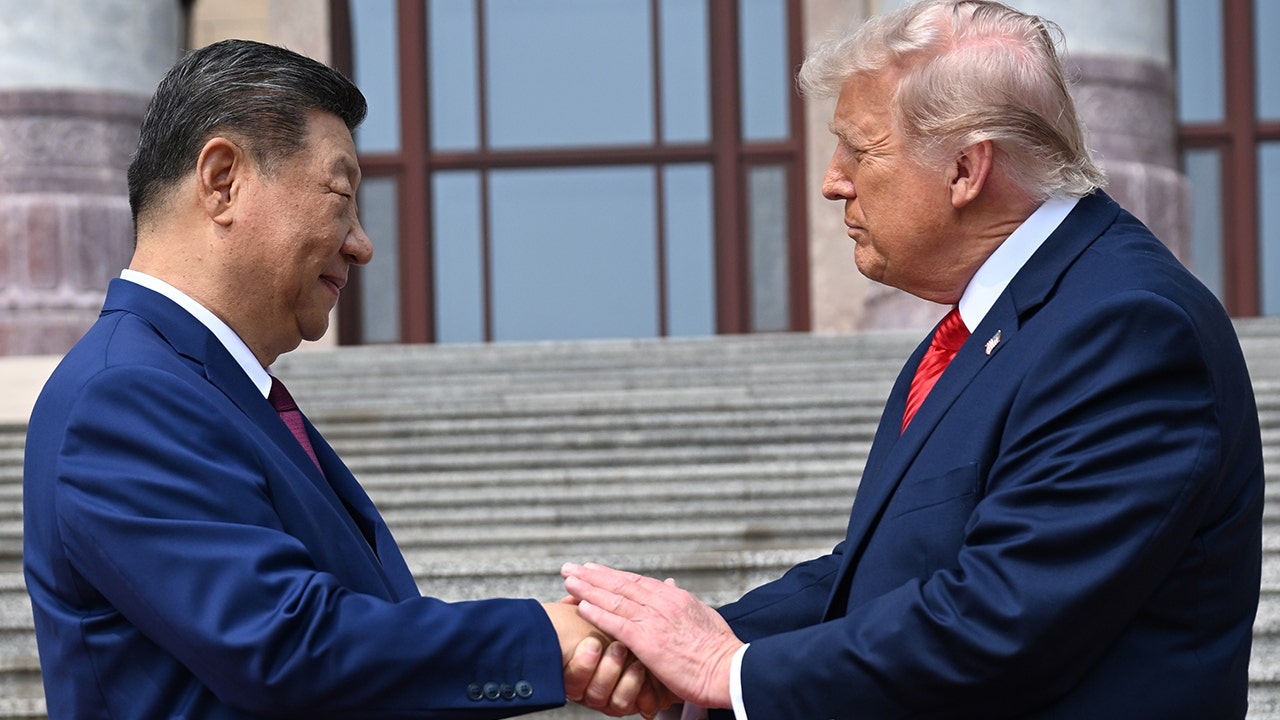
“I read that experts were noting that they were touching each other’s arms.
asserted
they → read → arms
Trump was patting Xi on the back.
asserted
Trump → pat → back
Of course, it is also to show ‘I’m more dominant’.
asserted
I → show → ?
But Xi also patted Trump on the back.
asserted
Xi → pat → back
They were trying to establish a comfort level,” she said.
asserted
she → try → level
More substantively, Chan said Xi’s reference to overcoming the “Thucydides trap” – the idea that rivalry between an established power and a rising power tends towards war unless checked – was encouraging.
asserted
rivalry → say → war
“He was saying ‘we do not have to be in conflict’,” she said.
asserted
she → say → conflict
“The touch points were the times they worked together,” she said, “so I think they’re trying to focus on cooperation.”
asserted
they → work → cooperation
Chan said it would matter if Trump and Xi carried on meeting at the upcoming APEC and G20 meetings, and into the following year.
asserted
Trump → say → year
“Because when they meet, they establish a relationship,” she said.
asserted
she → meet → relationship
 The Aporia