Ann Arbor, Michigan
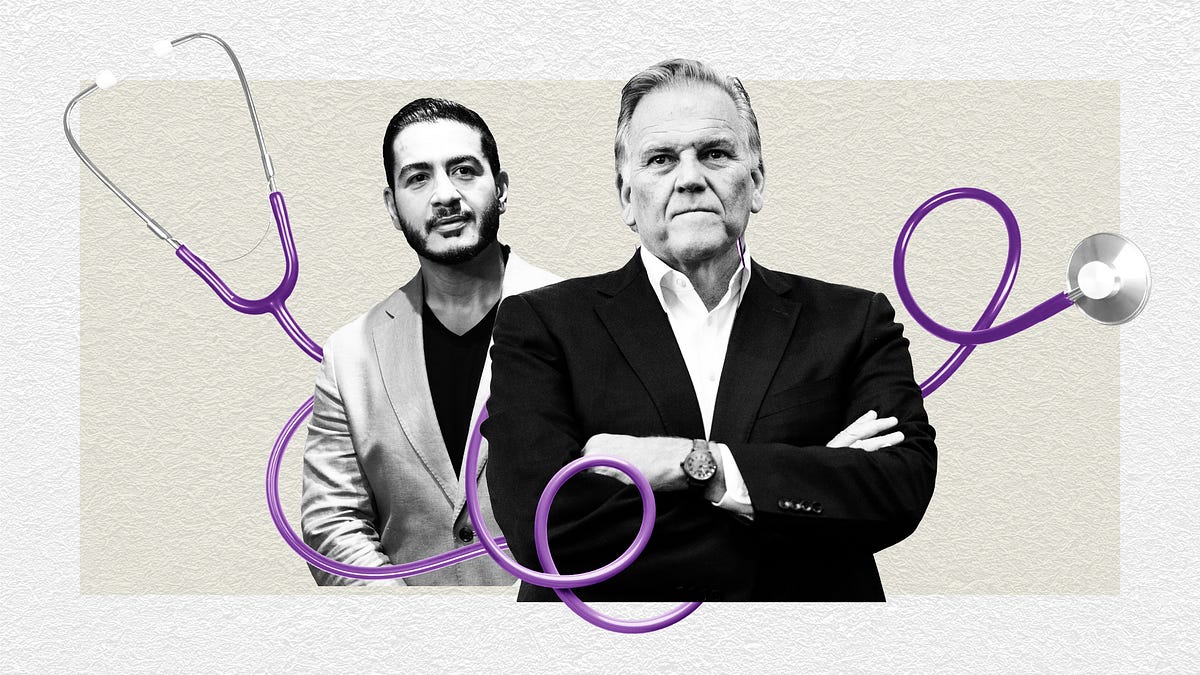
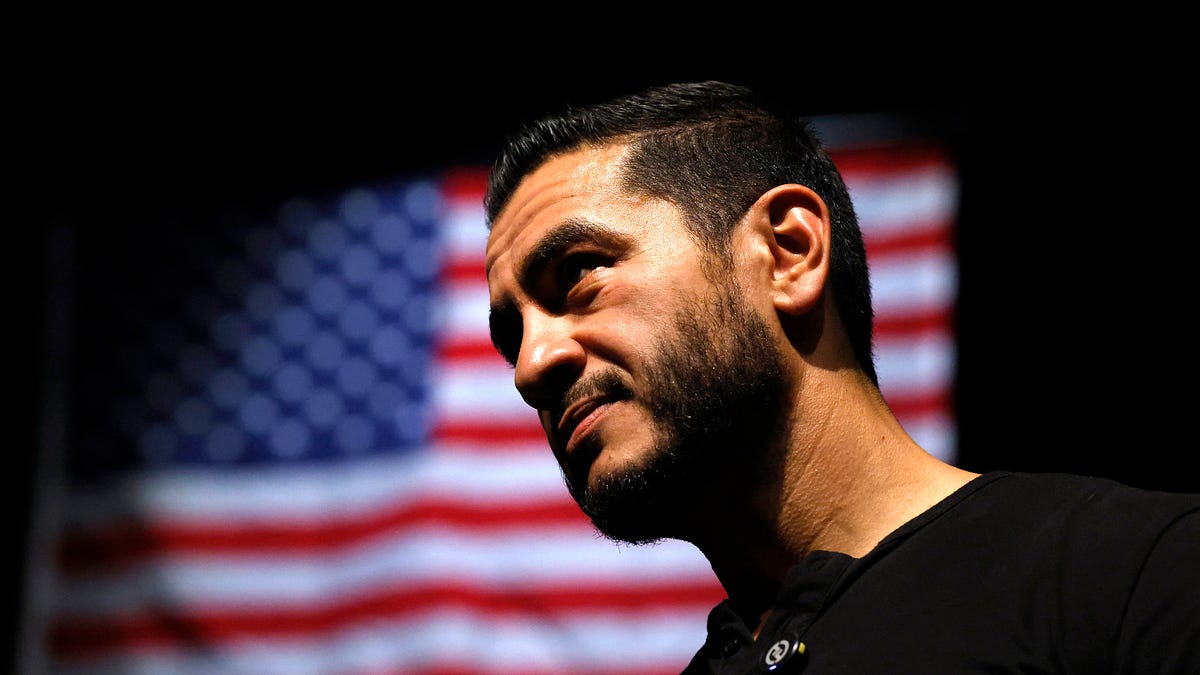
WE INTERRUPT THIS COVERAGE of Michigan’s pivotal Senate race for some breaking news: Democrat Abdul El-Sayed is not the only candidate running.
asserted
Sayed → interrupt → news
He’s got a Republican opponent, former congressman Mike Rogers.
asserted
He → get → opponent
And there’s plenty about Rogers that might be of interest to voters, including his positions on health care policy.
uncertain
that → ’ → policy
The doctor and former public health official is famously an advocate of Medicare for All, the version of universal health care in which the federal government would cover everybody directly, largely displacing private insurance.
asserted
government → cover → insurance
But Rogers also has some big, potentially controversial notions about how to change health care.
asserted
Rogers → have → care
Just for starters, he likes the idea of letting insurers charge copays for routine cancer screenings and some other forms of preventive care—which, under current law, the insurers cannot do.
asserted
insurers → like → law
That might sound like an odd position to hold when voters say they are worried about the cost of living, especially medical bills.
uncertain
they → sound → living
But it comes directly from comments Rogers made to a private audience in March, via a recording later obtained by reporter Simon Schuster of Bridge Michigan.
asserted
Rogers → come → Michigan
At that meeting, Rogers got a question about what he would do to reduce the cost of health care.
asserted
he → get → care
He promised to introduce a plan that would “embrace the freedom of the free market” and proceeded to explain that increasing out-of-pocket costs for preventive services was one way to do that.
asserted
increasing → promise → that
“You know,” Rogers said, “if you go up and have to pay the doctor $50 for your annual physical, that’s probably okay, right?”
asserted
that → know → physical
The Rogers campaign declined to respond to a series of policy questions I submitted last week, including one about that quote, so I can’t say for sure whether that’s still his position.1 But there’s every reason to believe that statement reflects his way of thinking—and, by the way, the thinking of many other Republicans running for office this year.
A WELL-ESTABLISHED PRINCIPLE of health care economics is that people will consume more services when those services are free.
asserted
services → decline → services
One strategy for controlling health care costs is to make you pay some kind of fee every time you use health care—say, by charging you a copay for prescription drugs.
asserted
you → control → drugs
Sometimes people in health policy refer to this approach to cost control as giving patients “skin in the game.”
asserted
people → refer → game
It’s an idea embraced by many Republicans, and some Democrats too.
asserted
It → ’ → Republicans
But if it’s a lot of skin in the game—say, $50 for a single office visit—then chances are good people will also hold back on care they really need.
asserted
they → ’ → care
They might put off a cancer screening until it’s too late, missing a tumor that might have been treatable if caught early.
uncertain
that → put → tumor
And if they also owe higher copays on their drugs, they might stretch the supply by cutting their blood-pressure pills in half or skipping doses, potentially increasing their risk of a heart attack or stroke.
uncertain
they → owe → attack
These things can actually drive up health care costs in the long run.
asserted
things → drive → run
And that’s not to mention the fact that they can kill you.
asserted
they → ’ → you
That’s why more liberal and progressive Democrats have generally tried to minimize out-of-pocket costs, especially for essential services.
asserted
Democrats → ’ → services
That’s how the zero-cost requirement on preventive care became law.
asserted
requirement → ’ → care
It was a key provision of the Affordable Care Act, designed to make sure that even with high-deductible policies, people had no barriers to basic, routine care.2
asserted
people → design → care.2
Yes, in seeking to roll back the free preventive care requirement, Rogers is seeking to roll back part of “Obamacare.”
asserted
Rogers → seek → Obamacare
And that’s not surprising.
asserted
that → ’ → ?
When it comes to health care, Rogers has the posture and positions of a traditional Republican, which means he opposes government-financed health care in general and the Affordable Care Act in particular.
asserted
he → come → care
That posture has direct, immediate implications for Michigan voters.
asserted
posture → have → voters
Rogers’s position is an indicator of how he would vote—and, possibly, how the United States Senate would vote—on questions like whether to restore the extra Affordable Care Act subsidies that Donald Trump and Republicans in Congress allowed to lapse at the end of last year.
uncertain
Trump → vote → year
When those subsidies went away, hundreds of thousands of Michiganders saw their premiums jump.
asserted
premiums → go → Michiganders
And it’s not just in Michigan where this is happening.
asserted
this → ’ → Michigan
Nationwide enrollment in the Affordable Care Act is already falling as a result of spiking premiums, now that Trump and the GOP have let those extra subsidies expire.
asserted
subsidies → fall → premiums
The number of Americans with no insurance at all is likely to jump too, and then jump again when the Medicaid cuts Trump and Republicans enacted last year really kick in.
asserted
Trump → jump → insurance
Pretty much every Republican running in a contested statewide race supported these moves, either with their votes (because they’ve been serving in Congress) or their rhetoric.
asserted
they → run → Congress
And it helps explain why they are trying so hard to keep the conversation on Medicare for All, or on other subjects altogether.
asserted
they → help → subjects
It’s a way to distract from their own records on health care, records of opposing programs that voters value.
asserted
voters → ’ → that
Join the side you’re already on: Support our independent journalism and come be part of our growing community by signing up for a Bulwark+ membership.
asserted
you → join → membership
ROGERS REPRESENTED MICHIGAN in the House from 2001 until 2015.
asserted
ROGERS → represent → 2015
An Army veteran and respected former FBI special agent, Rogers focused in Congress primarily on issues around law enforcement, intelligence, and national security.
asserted
Rogers → focus → enforcement
When it came to bread-and-butter domestic policy issues, he was what qualified as a mainstream Republican back then, which meant he tended to support the business community while opposing regulations and taxes.
asserted
he → come → regulations
That was true when it came to the most important health care votes of his tenure, which were about the Affordable Care Act.
asserted
which → come → Act
…and 55 more, not listed.
 The Aporia