The Sydney Morning Herald
· collected 2026-09-24 · by Kishor Napier-Raman
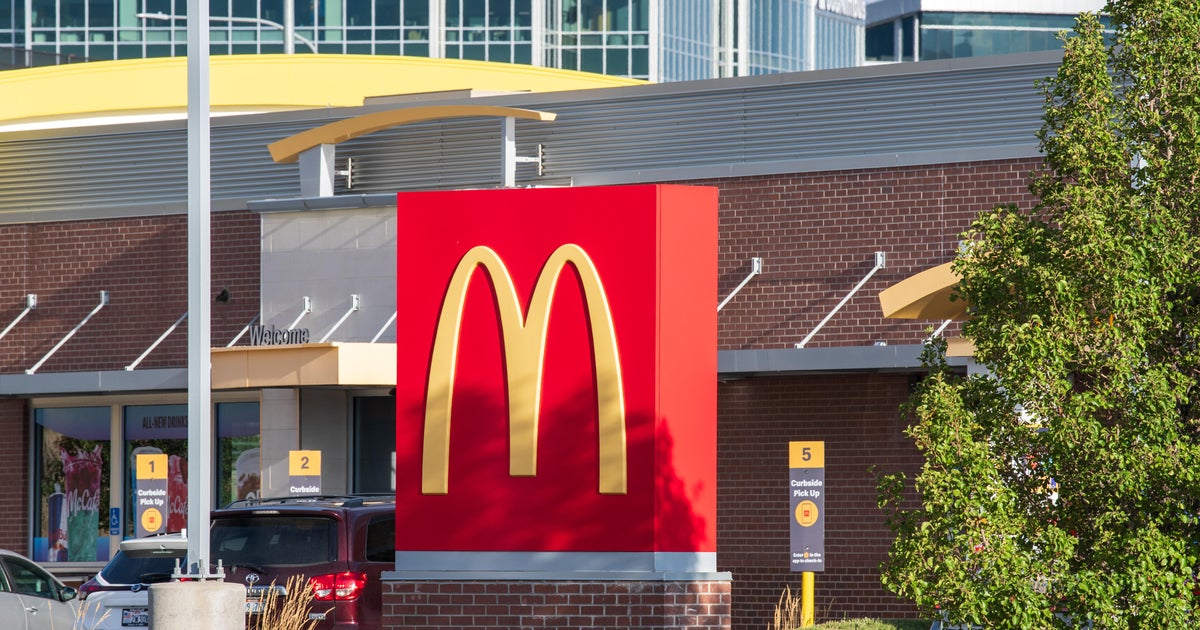
McDonald’s is adapting its menu to capitalize on the popularity of weight loss drugs like Ozempic. Speaking to investors, McDonald’s USA president Skye Anderson acknowledged that while 84% of households with GLP-1 users still visit McDonald’s, the company sees an opportunity to cater to dietary changes driven by these medications. To address flat traffic and missed sales this year—partly due to high inflation but also shifting consumer preferences—McDonald’s plans a $US8.5 billion overhaul that includes smaller, protein-dense meal options like burger bowls and egg bites.
Written locally by qwen2.5:14b on 2026-09-24,
using this article's own text rather than the other coverage of the
same event (that is the story summary below).
Ozempic, the injectable weight loss drug which has become a transformative weapon in the war against obesity and a cultural phenomenon in its own right, might seem like the sworn enemy of the fast food industry.
uncertain
which → become → industry
But McDonald’s sees dollar signs in the Glucagon-Like-Peptide-1 (GLP-1) era.
asserted
McDonald → see → era
The company synonymous with super-sized everything says it views the era of slimming waist lines with cautious optimism.
asserted
it → say → optimism
“Eighty-four per cent of households with GLP-1 users visit McDonald’s.
asserted
cent → visit → McDonald
This is an opportunity,” McDonald’s USA president Skye Anderson told investors this week, speaking about American households.
asserted
Anderson → tell → households
In reality, big food has no other choice.
asserted
food → have → choice
Traffic at McDonald’s has been flat, and the company has missed sales for several quarters, with its share price down 22 per cent this year.
asserted
price → miss → quarters
The company, which this week unveiled plans for a $US8.5 billion overhaul including changes to its menu, says this decline has been driven in part by stubbornly high inflation.
asserted
decline → unveil → inflation
But it is also acutely aware of the way weight loss drugs are changing dining preferences.
asserted
drugs → change → preferences
Around 11 per cent of Americans currently use a GLP-1 drug such as Ozempic, Mounjaro or Wegovy.
asserted
cent → use → Ozempic
Among the cultural shifts which has been closely entwined with the growing ubiquity of these drugs has been the rise of “protein-maxxing,” where consumers try to eat as much protein as possible.
asserted
consumers → entwine → protein
Part of that explosion in demand for protein-packed products is a result of the GLP-1 boom.
asserted
Part → pack → boom
Because drugs like Ozempic suppress appetite and limit a person’s intake of calories, adding protein becomes crucial to maintaining muscle mass.
asserted
adding → suppress → mass
A part of McDonald’s proposed menu refresh will include smaller, protein-dense meal options, a route other fast food chains have already taken.
asserted
chains → propose → options
So as well as Big Macs, the company is looking at items such as “burger bowls,” “egg bites,” and a strawberry lychee drink.
asserted
company → look → bowls
Before officially pulling the plug on its disastrous American expansion, Mexican chain Guzman y Gomez said that weight loss drugs were driving a surge in mini burritos.
asserted
drugs → pull → burritos
Chipotle, the US-based franchise that served as the inspiration for Guzman, recently debuted a “protein cup”.
asserted
that → base → cup
In the United States, Smoothie King introduced the rather clinical sounding “GLP-1 Support menu” back in 2024, while Shake Shack has its “Good Fit Menu” specially targeted at Ozempic users.
asserted
Menu → introduce → users
The shift isn’t limited to tacky fast food joints either.
asserted
shift → limit → joints
The New York Times reported last year that dozens of more upscale Manhattan restaurants were introducing their own forms of the “GLP-1 support menu” along with thimble-sized cocktails.
asserted
dozens → report → cocktails
Obesity rates in Australia are lower than in the US, as is our uptake of GLP-1s, a trend that also reflects American drug companies’ aggressive direct-to-consumer marketing of prescription medication.
asserted
that → reflect → medication
But their use is still growing rapidly, with recent modelling from Ernst & Young suggesting that 7 million Australians could be using GLP-1 medications by 2036.
uncertain
Australians → grow → 2036
Already, the struggling local wine industry pins the blame for falling sales on the rise of weight loss medication.
asserted
industry → struggle → medication
Zoom out further, and changing fast food menus are just the tip of the iceberg when it comes to how GLP-1s are going to alter consumption patterns.
asserted
GLP-1s → zoom → patterns
The drug now known as Ozempic began as a treatment for diabetes, before researchers realised its potential for helping people lose weight.
asserted
people → know → weight
Further research makes them look like potential miracle drugs, with positive results for treating addiction, preventing cardiovascular issues, and lowering the risks of certain cancers.
asserted
them → make → cancers
In parallel to the rapid growth of legal GLP-1s is the rise of a shadow market for synthetic peptides, which are mostly illegal but commonly used to improve workouts, skincare and sexual performance.
asserted
which → use → workouts
Pharmaceutical giant Eli Lily’s latest expensive bet is on peptides designed to treat narcolepsy, which some in the industry believe could become the wonder drugs that maximise human productivity, allowing people to function without sleep.
uncertain
people → design → sleep
The point is that Ozempic has barely made a dent in Australia yet, and its potential long-term benefits still aren’t fully realised.
asserted
benefits → make → Australia
The Business Briefing newsletter delivers major stories, exclusive coverage and expert opinion.
asserted
newsletter → deliver → stories
 The Aporia



.jpg?trim=0,0,0,0&width=1200&height=800&crop=1200:800)