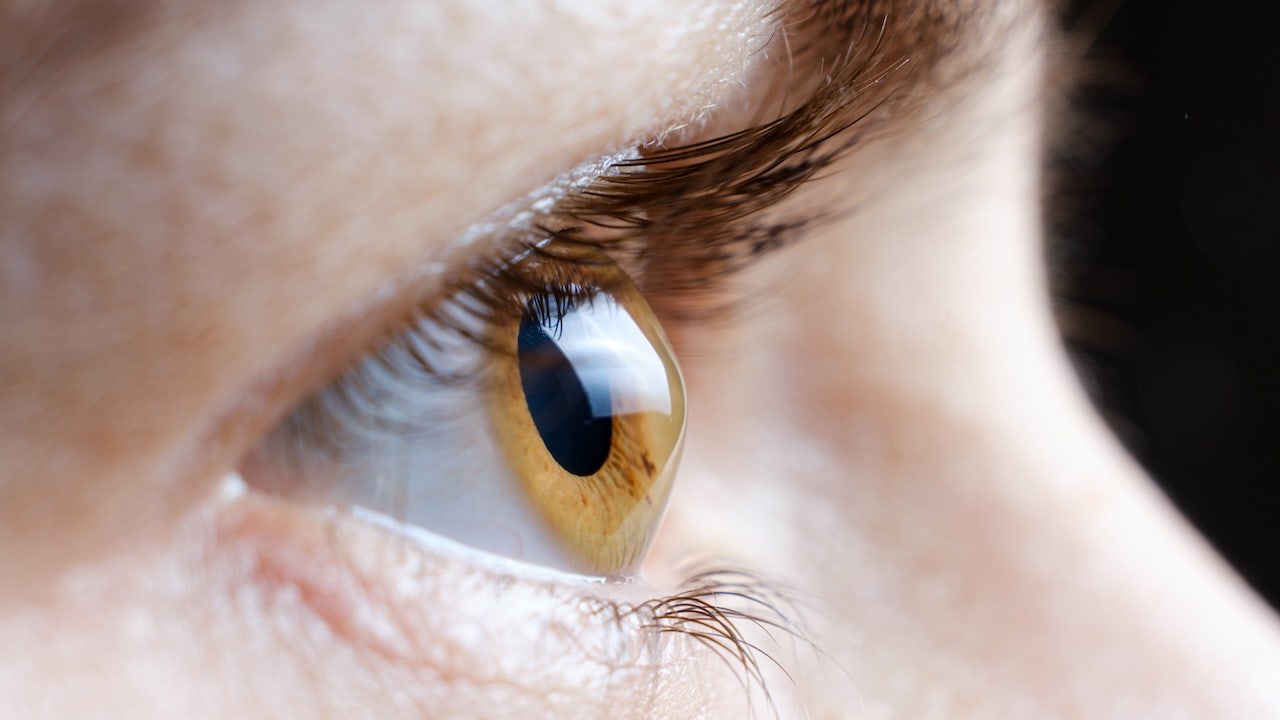
People across the United States have filed lawsuits against companies that produce GLP-1 weight-loss drugs, such as Ozempic and Mounjaro, claiming these medications caused a rare eye condition called nonarteritic anterior ischemic optic neuropathy (NAION), which can lead to permanent vision loss. The plaintiffs allege that the drugs significantly increase their risk of developing NAION, with some cases reported just months after starting treatment. Novo Nordisk, maker of popular GLP-1 drugs, disputes these claims and states its studies show no increased risk associated with their products.
Written locally by qwen2.5:14b on 2026-09-22,
using this article's own text rather than the other coverage of the
same event (that is the story summary below).
Story summary
Dozens of people in the United States have filed lawsuits against GLP-1 drug companies like Novo Nordisk (makers of Ozempic and Wegovy) and Eli Lilly (makers of Mounjaro and Zepbound), claiming that their weight-loss drugs caused a rare condition called nonarteritic anterior ischemic optic neuropathy (NAION), which can lead to permanent vision loss. The lawsuits, supported by claims from hundreds of consumers, assert that these popular medications may increase the risk of NAION. Although Novo Nordisk has stated that its products are safe and lacks merit in the accusations, they face a significant challenge given analysts’ projections that this industry could generate about $100 billion annually over the next decade due to widespread use among millions of Americans combating obesity. The American Academy of Ophthalmology and North American Neuro-Ophthalmology Society note that while there are reports suggesting an increased risk, studies also indicate no correlation with NAION, emphasizing that the overall magnitude of this risk remains low.
Written for “GLP-1 Drug Lawsuits Vision Loss” on 2026-10-05,
grounded in this article and the 1 other(s) covering the same event.
Dozens of people have filed lawsuits in the United States against GLP-1 companies, which make popular weight-loss drugs like Ozempic and Mounjaro, claiming their products caused a rare condition that can cause permanent vision loss, US media outlets report.
asserted
outlets → file → loss
The cases and alleged risk could present a significant challenge to a fledgling industry that analysts expected to generate about $100bn in annual sales in the next 10 years after being taken by millions of people in the US and making inroads into combatting widespread obesity in the country.
uncertain
analysts → allege → country
Recommended Stories
list of 3 items- list 1 of 3WeightWatchers files for bankruptcy amid rise of weight-loss drugs
- list 2 of 3Could
asserted
3WeightWatchers → file → drugs
weight loss drugs fix UK’s unemployment problem?
asserted
drugs → fix → problem
A spokesperson for Novo Nordisk, the pharmaceutical giant that makes Wegovy and Ozempic, said the lawsuits lacked merit and the company was vigorously contesting them, according to The Wall Street Journal, while Eli Lilly, which produces Zepbound, did not comment on the litigation but said it was reviewing the data on potential health risks.
uncertain
it → make → risks
The lawsuits asserted that the drugs cause nonarteritic anterior ischemic optic neuropathy, or NAION, an eye condition that prevents adequate blood flow and damages the optic nerve, potentially resulting in permanent vision loss.
asserted
that → assert → loss
In one lawsuit filed by a woman in Pennsylvania described to The Washington Post, the patient said that after taking medication for her diabetes, her vision was like looking through a “fishbowl”.
asserted
vision → file → fishbowl
Two weeks later, she was diagnosed with NAION.
asserted
she → diagnose → NAION
Scientists have been researching the possible connection between the condition and weight-loss drugs for years, but their findings remained mixed.
asserted
findings → research → years
NAION is a condition in which sudden loss of vision happens due to a painless reduction of blood flow to the optic nerve.
asserted
loss → happen → nerve
It is often also referred to as an “eye stroke”.
asserted
It → refer → stroke
Scientific research has pointed to possible incidents in which patients who have taken GLP-1s end up being more likely to develop the condition.
asserted
who → point → condition
It remains unclear how or if the drug is the cause of these problems.
uncertain
drug → remain → problems
Researchers have said, however, that for those who do develop the condition, it happens within the first six to 18 months of starting a GLP-1 medication.
asserted
it → say → medication
What lawsuits have been filed?
asserted
lawsuits → file → ?
A personal-injury firm in the US called Weitz & Luxembourg has filed more than 90 lawsuits against Novo Nordisk in a New Jersey state court since 2025 on behalf of patients who have developed NAION while taking their products.
asserted
who → call → products
Separate lawsuits have also been filed in the US District Court for the Eastern District of Pennsylvania, claiming that GLP-1 treatments caused NAION and drugmakers failed to adequately warn of their risks.
asserted
drugmakers → file → risks
A Novo Nordisk company-funded study conducted randomised trials on GLP-1 patients and said they found the drugs do not cause any increase in the risk of NAION.
asserted
drugs → fund → NAION
Dr Tina Vilsboll, a senior medical officer at Novo Nordisk and the lead author of the study, said she sees “no causality” and there are no “indications that we should really be worried about NAION”.
asserted
we → say → NAION
The European Medicines Agency said the eye condition could impact one of every 10,000 GLP-1 users who have diabetes.
uncertain
who → say → diabetes
The North American Neuro-Ophthalmology Society and the American Academy of Ophthalmology said that despite the reports that there is a small possible increase in risk, there are also studies that report no correlation and “the overall magnitude of the risk of NAION remains low.”
asserted
magnitude → say → NAION
Despite the lawsuits, the US has not added any warnings on GLP-1 medications.
asserted
US → add → medications
The US Food and Drug Administration has been investigating the link after early reports on the connection in 2024.
asserted
Administration → investigate → 2024
 The Aporia