Andy Burnham announced the establishment of a new National Centre for Information Defence in the UK to combat disinformation and deepfakes originating from hostile states like Russia. The center will coordinate efforts among intelligence agencies, law enforcement, and social media companies to detect, attribute, and disrupt information attacks enabled by AI. Burnham emphasized that these campaigns, often orchestrated by Russia, twist public perceptions about national issues and contribute to societal division, particularly affecting those struggling with the cost of living or facing unemployment.
Written locally by qwen2.5:14b on 2026-09-23,
using this article's own text rather than the other coverage of the
same event (that is the story summary below).
Story summary
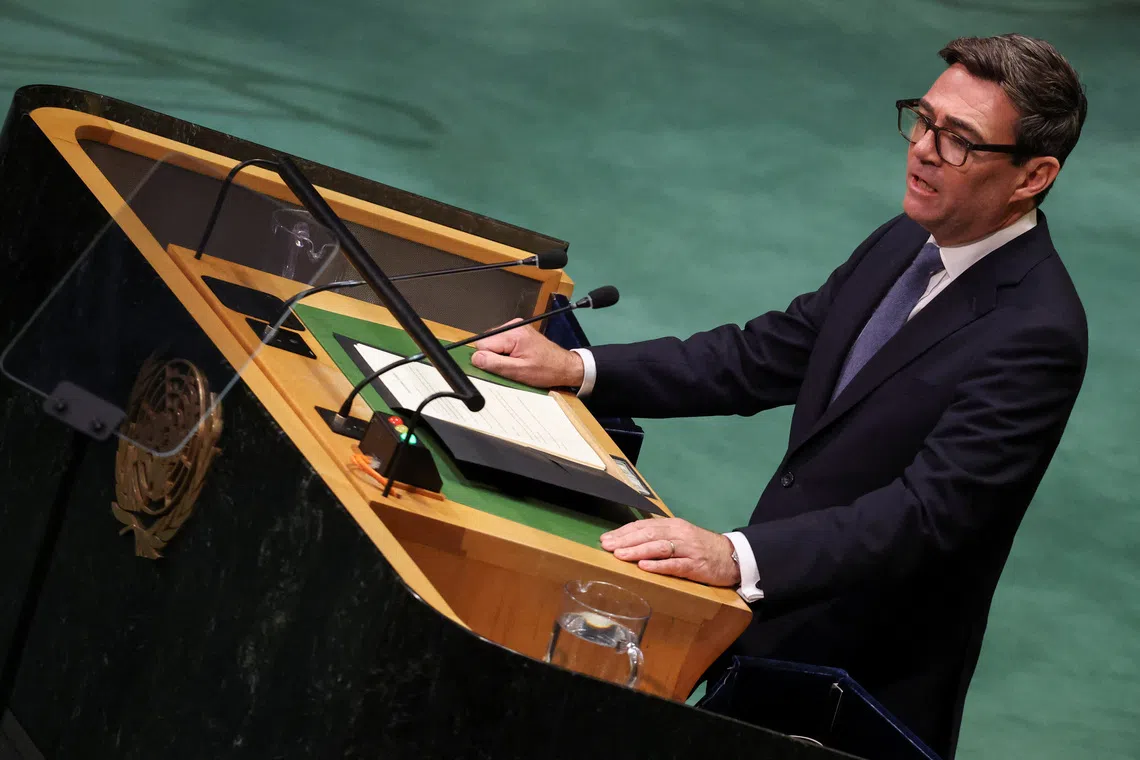
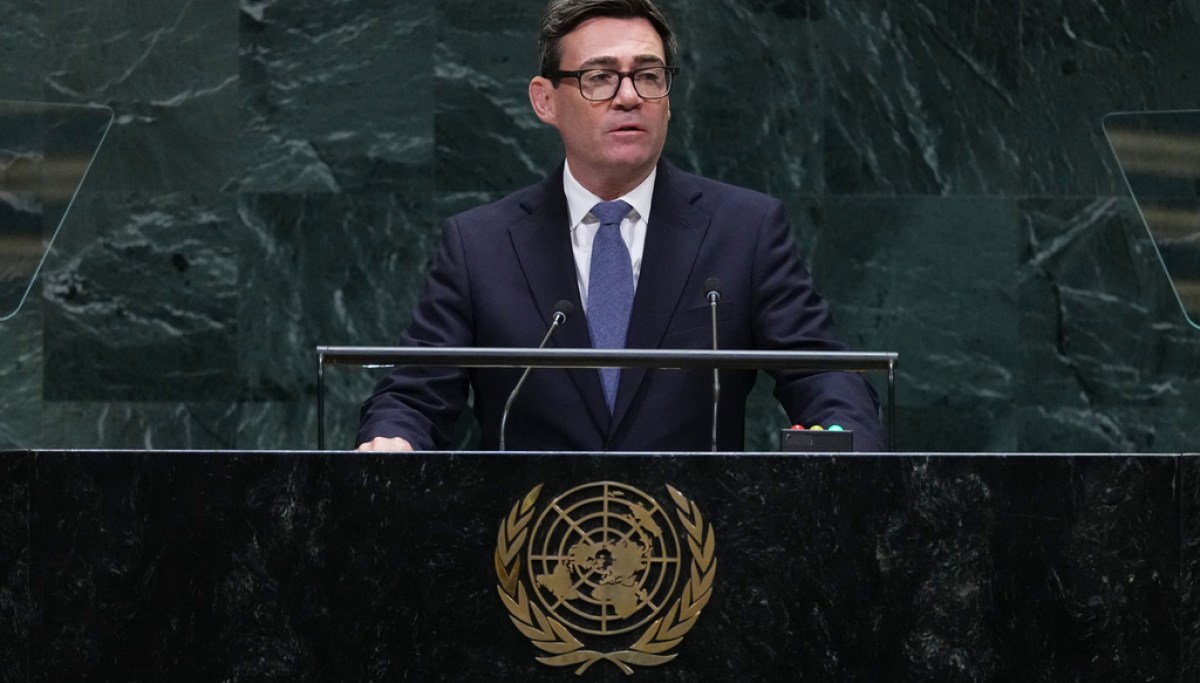
Andy Burnham, the newly appointed British Prime Minister, addressed the United Nations General Assembly in New York City, where he emphasized that Britain is not "on the slide." Despite acknowledging long-term issues affecting living standards and the current cost-of-living crisis as major challenges, Burnham presented an optimistic outlook for the country's future. He highlighted Britain’s rapid economic growth, making it one of the fastest-growing economies in the G7.
Burnham also discussed his plans to establish a national center dedicated to countering disinformation campaigns, particularly those from Russia, which he accused of spending around £1.3 billion annually on manipulating information and spreading lies through various means including bots and fake websites. He proposed that Britain take up a leading role in setting global safety standards for artificial intelligence (AI), arguing that it is critical to prevent rogue AI development.
At the U.N., Burnham also announced plans to cooperate with the United States on an AI defense partnership, integrating British military’s Rapid AI Delivery Taskforce and the U.S. Department of War’s Chief Digital and Artificial Intelligence Office. This initiative aims to protect infrastructure, detect threats, and enhance governance through advanced technology, positioning Britain as a key player in global tech regulation efforts.
Written for “Andy Burnham UN Speeches” on 2026-10-05,
grounded in this article and the 16 other(s) covering the same event.
Security chiefs will set up a new national centre to tackle disinformation and deepfakes from hostile states such as Russia, Andy Burnham has announced, saying the government had a duty to “stem the poisonous tide” from damaging British interests.
asserted
government → set → interests
The National Centre for Information Defence will “detect, attribute and disrupt” information attacks by foreign powers, many of which are enabled by AI, bringing together the intelligence agencies, law enforcement and social media companies.
asserted
many → detect → agencies
It will be tasked with making sure the UK has the defensive capability necessary to combat information warfare and build national resilience by helping communities to identify and combat disinformation, preventing a “distorted and untrue” narrative about the UK.
asserted
communities → task → UK
Burnham said the country would have to go into the next decade “eyes wide open” about “insidious” campaigns, many of which had been orchestrated by Russia, which “twisted” what people at home felt about their own country and community.
asserted
people → say → country
In eye-catching remarks, the prime minister suggested that Britons who were struggling with the cost of living and young people not in education, training or employment may be particularly susceptible to foreign influence online, underlining how inequality further undermined society.
uncertain
inequality → catch → society
In his speech to the UN in New York on Tuesday night, Burnham said: “We’re talking about an insidious campaign that reaches into people’s homes and twists what they feel about their own country and community – creating a narrative of decline, stoking division and sowing despair.
asserted
they → say → despair
“On top of that, we have seen cyber-attacks on our companies and institutions.
asserted
we → see → companies
We know that AI will multiply the threat.
asserted
AI → know → threat
We have tiptoed around this for too long.
asserted
We → tiptoe → long
Over the last decade we have given too much ground to those who want to run a negative, corrosive narrative about life in Britain, which bears no resemblance to reality.
asserted
which → give → reality
“We are going to face the new decade in a different way – with our eyes wide open.
asserted
We → go → eyes
We are going to be much prouder in standing up for our values and the rule of law.
asserted
We → go → law
And we are going to help our people to strengthen their resilience – because, faced with this information warfare, security starts in every home.”
asserted
security → go → home
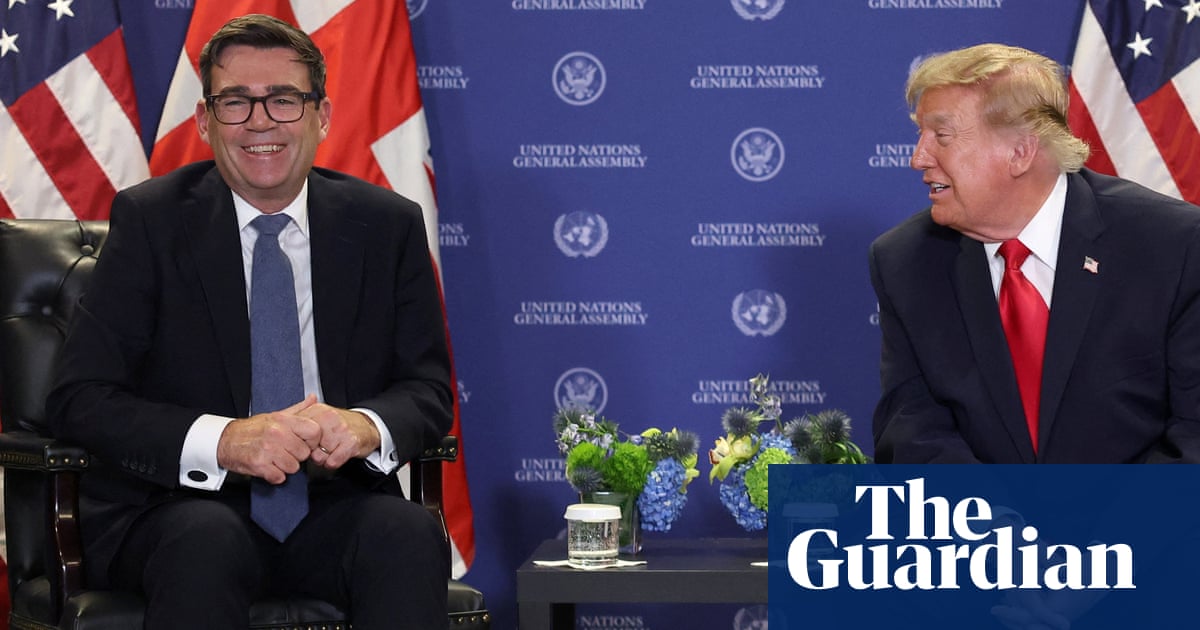
Burnham’s speech came after Donald Trump – during a press conference at the UN with Ukraine’s president Volodymyr Zelenskyy – said that Keir Starmer’s rhetoric had been “too tough” towards Moscow and that London “needs to be a little bit careful”.
asserted
London → come → Moscow
Downing Street pushed back on the US president’s remarks, saying that every UK prime minister – up to and including Burnham – had been consistent in the view that Russia’s threats, whether hybrid attacks or rhetoric, were “egregious and unacceptable”.
“The UK is united with our allies on the importance of defending ourselves, and Russia’s aggression will not deter us from supporting Ukraine,” the prime minister’s official spokesperson added.
asserted
spokesperson → push → Ukraine
In his speech, Burnham singled out Russia, saying the Kremlin spent around £1.3bn each year on manipulating information.
asserted
Kremlin → single → information
“Russian agencies have used every means at their disposal to spread lies and disinformation and prey on people’s fears.
asserted
agencies → use → fears
They’ve used bots and fake websites.
asserted
They → use → bots
Falsified newspaper articles,” he said.
asserted
he → falsify → ?
They’ve amplified far-right narratives.
asserted
They → amplify → narratives
And we have evidence that they tried to interfere with the 2019 general election.
asserted
they → have → election
“We also know that they have tried to stoke tensions and unrest in the wake of horrific events.
asserted
they → know → events
The idea that anyone would try to use such things to their advantage is just repulsive – but it is what they do.”
asserted
they → try → what
The prime minister suggested that certain groups of people who felt their own lives were not improving may be more vulnerable to disinformation and deepfakes.
uncertain
lives → suggest → disinformation
“If you’re struggling with the cost of living and your life is not improving – or if you’re a young person not in employment, education or training – then you are going to be much more vulnerable to this kind of influence,” he said.
asserted
he → struggle → influence
“So part of the challenge is to lift our people up and create the opportunities they need.
asserted
they → lift → opportunities
When inequalities grow too wide, our societies are at greater risk.
asserted
societies → grow → risk
So we will work to make life more affordable.
asserted
life → work → ?
And we will put in place the architecture we need to stem this poisonous tide.”
asserted
we → put → tide
The UK plans to share its experience of being on the receiving end of information attack with other countries, and has already supported Moldova, for example, to protect its elections from Russian interference.
asserted
Moldova → plan → interference
“As more elections approach across Europe, more nations are grappling with these issues – some for the first time.
asserted
nations → approach → time
So we’re ready to share our understanding of how these actors work, and how we can respond – because this is vital for our collective security and resilience,” Burnham added.
asserted
Burnham → ’re → security
 The Aporia