CBS News
· collected 2026-09-23 · by Anthony Salvanto, Fred Backus, Jennifer De Pinto
Here's something Republicans and Democrats seem to agree on: They both see the midterms as being about President Trump, albeit for different reasons.
asserted
They → seem → reasons
Mr. Trump is so much on voters' minds that if this view holds at these levels through Election Day, it would surpass
This is also an election set against a wide backdrop of uncertainty on many fronts: The economy, inflation, conflict overseas, and even AI's impact.
asserted
This → hold → fronts
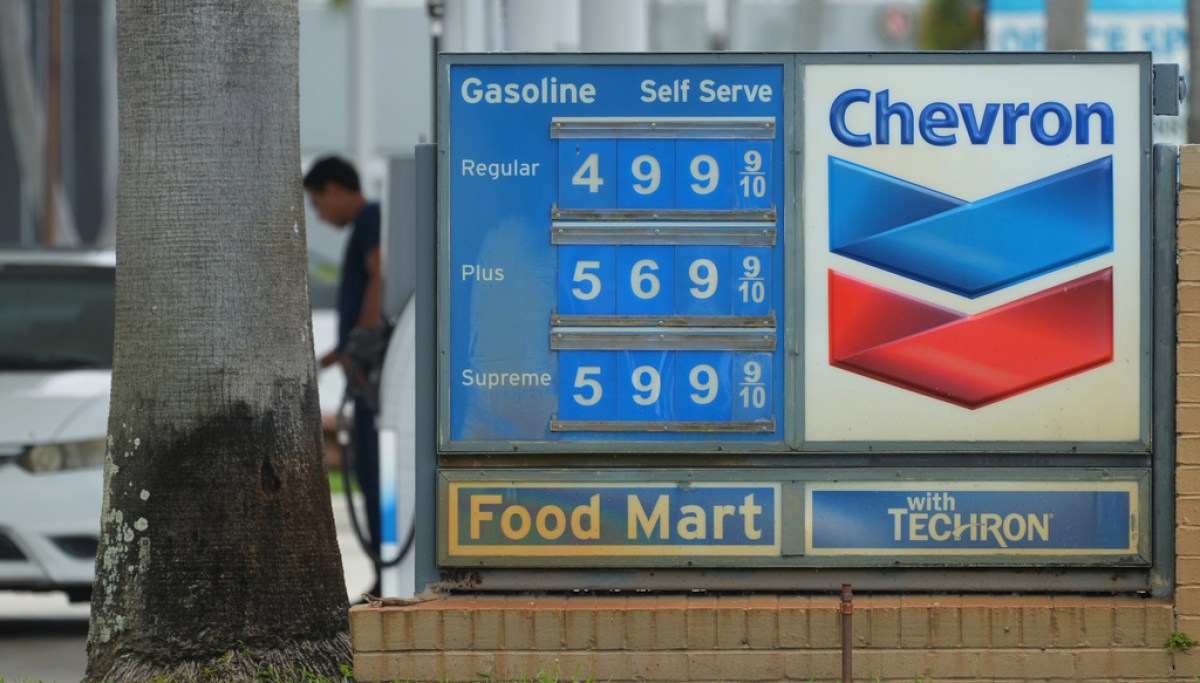
So, prices and inflation are driving voter sentiment in 2026 against the party in power, just as they did two years ago.
asserted
prices → drive → power
This is not because voters necessarily think they'll be better off — most don't think either party can help their finances.
asserted
party → think → finances
Related to this, most voters would prefer a candidate who opposes new
and opposes the , which is seen as connected to higher prices.
asserted
which → prefer → prices
CBS News' House model helps translate general preference for Congress, where Democrats have a lead, into seats — which is, of course, how the House is elected and decided.
asserted
House → help → course
It currently puts the Democrats at 228 seats, a majority, though not an historically large one, over the 218 of
435 seats needed.
asserted
It → put → seats
The model estimate ranges into the high 230s if more breaks their way in the coming weeks, but at the lower bounds, it drops to 215, which means Republicans do have a bid to hold on to their current, narrow House majority from here.
asserted
Republicans → range → majority
That's partly because a lot of MAGA and 2024 Trump voters are staying with the GOP, at least out of opposition to the Democrats.
asserted
lot → stay → Democrats
Most straightforwardly, Democrats are getting the votes of people who say
have been difficult or worse.
asserted
who → get → people
More of the Democrats' backing is based on voters trying to stop Trump's policies, rather than on trying to help the Democrats get theirs.
asserted
voters → base → theirs
Most voters also do not believe the
has helped them financially.
asserted
has → believe → them
Turnout
Whatever their motivation, more Democrats say they're very enthusiastic about voting than Republicans are.
asserted
Republicans → say → voting
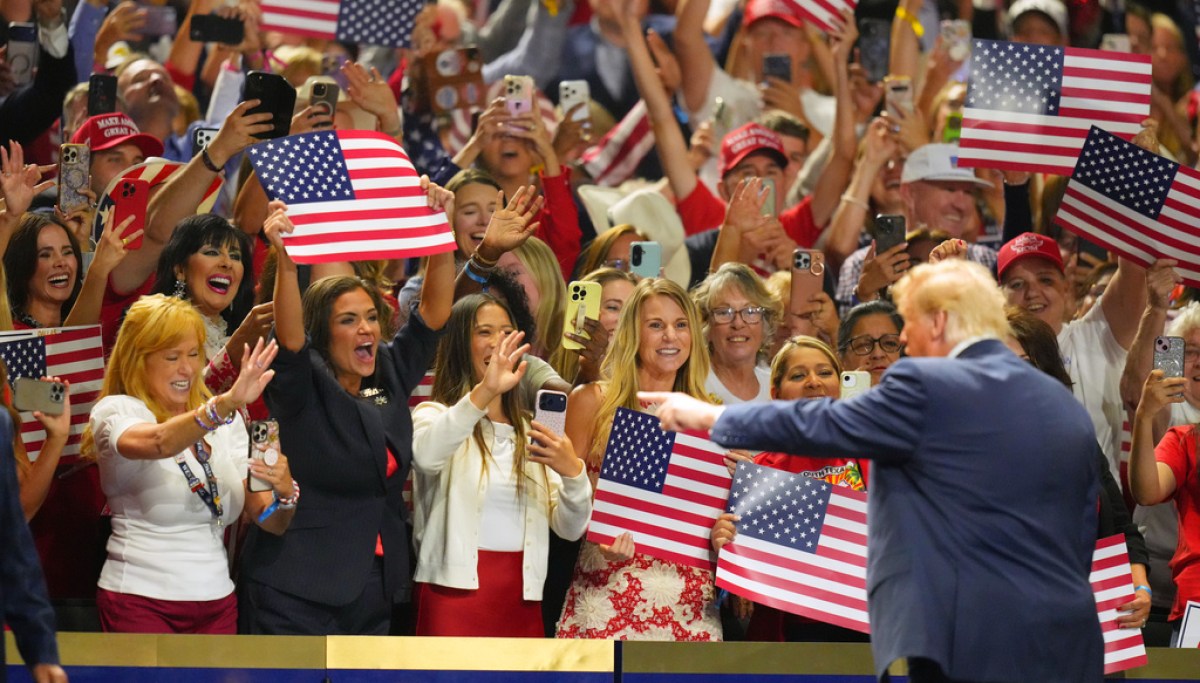
On the GOP side, Mr. Trump has a turnout effect, too, with MAGA Republicans responding as he and party leaders have urged them to show up.
asserted
he → have → them
Most MAGA Republicans say they're just as interested now as they were in 2024, even though Mr. Trump is not on the ballot.
asserted
Trump → say → ballot
Yet there's uncertainty about whether that will apply to all Republicans, since non-MAGA Republicans are comparably less likely to say they'll definitely vote.
asserted
they → be → Republicans
For most Republicans, Mr. Trump's endorsement makes them more likely to back a candidate.
asserted
them → make → candidate
Republicans — especially MAGA — continue to approve of him in big numbers, particularly on immigration, and they prefer a candidate who supports his approach to ICE operations,
and the .Ultimately
asserted
who → continue → operations
, the congressional seat range will depend on some key groups and dynamics to watch, including whether either party can make an affirmative case that they'll make people better off.
asserted
people → depend → case
Neither one has a majority on that.
asserted
one → have → that
Democrats have a relative edge.
asserted
Democrats → have → edge
But for Democrats, the democratic socialist endorsement does not play well beyond the Democratic base — and even there, it is only mixed.
asserted
it → play → base
The Democrats see growth relative to the
, most of whom say they prefer a candidate who opposes the administration's approach to ICE.Impact of inflation and views of the parties
Mr. Trump won in 2024 partially because people thought he could help the economy and prices.
The bulk of his 2024 voters now are staying with the GOP, even if they see prices as a difficulty.
uncertain
they → see → difficulty
That's largely because they still hold unfavorable views of Democrats.
asserted
they → hold → Democrats
They see a Democratic-controlled Congress as a threat to their culture and way of life.
asserted
They → see → life
Most MAGA Republicans say Americans should be willing to pay more during the Iran conflict.
asserted
Americans → say → conflict
Other Republicans don't.
asserted
Republicans → do → ?
Democrats and Republicans each tend to think AI will decrease rather than increase the number of jobs, with Democrats even more apt to believe so.
asserted
Democrats → tend → jobs
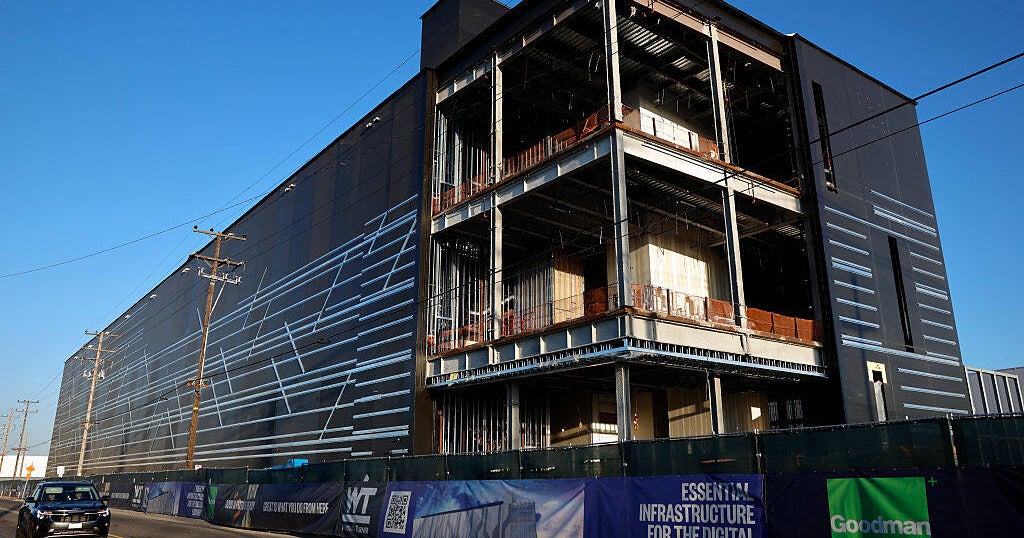
On balance, voters would prefer a candidate opposed to new data centers in their area to one who would support building them.
asserted
who → prefer → them
This CBS News/YouGov survey was conducted with a nationally representative sample of 2,460 U.S. adults interviewed between September 8-11, 2026.
asserted
survey → conduct → September
The sample was weighted to be representative of adults nationwide according to gender, age, race, and education, based on the U.S. Census American Community Survey and Current Population Survey, as well as 2024 presidential vote.
uncertain
sample → weight → Survey
The estimated numbers of Republican and Democratic seats come from a statistical model developed by CBS News and YouGov which includes data from this poll, past vote and other district-level characteristics, demographics and historical patterns.
asserted
which → come → poll
We simulate many elections, with the error calibrated to include historical polling accuracy, to obtain a range of seat estimates.
asserted
error → simulate → estimates
We report 95% confidence intervals from the simulations.
asserted
We → report → simulations
These estimates describe which party is ahead today and may change as additional data are collected closer to the election.
uncertain
data → describe → election
 The Aporia