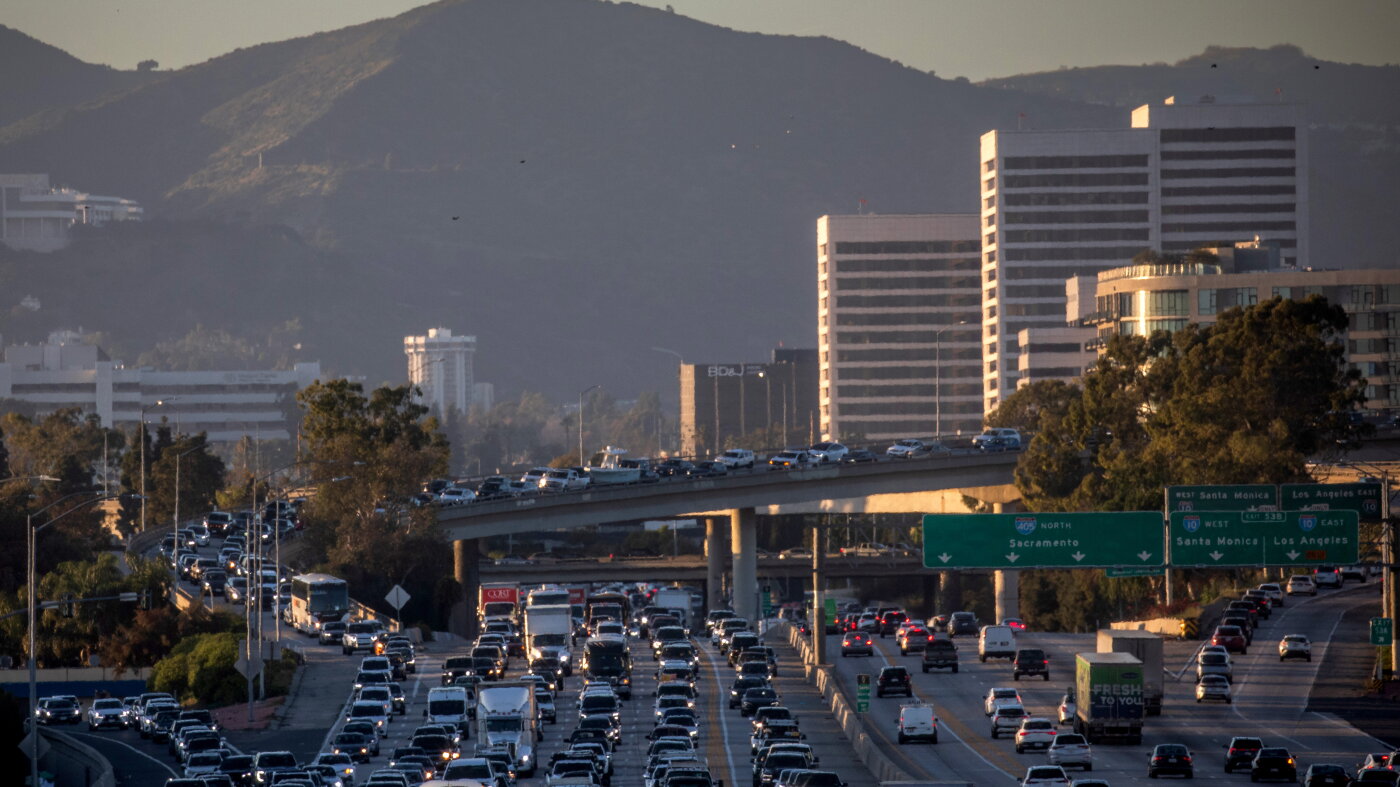
School districts face a back-to-school math problem: The high price of diesel
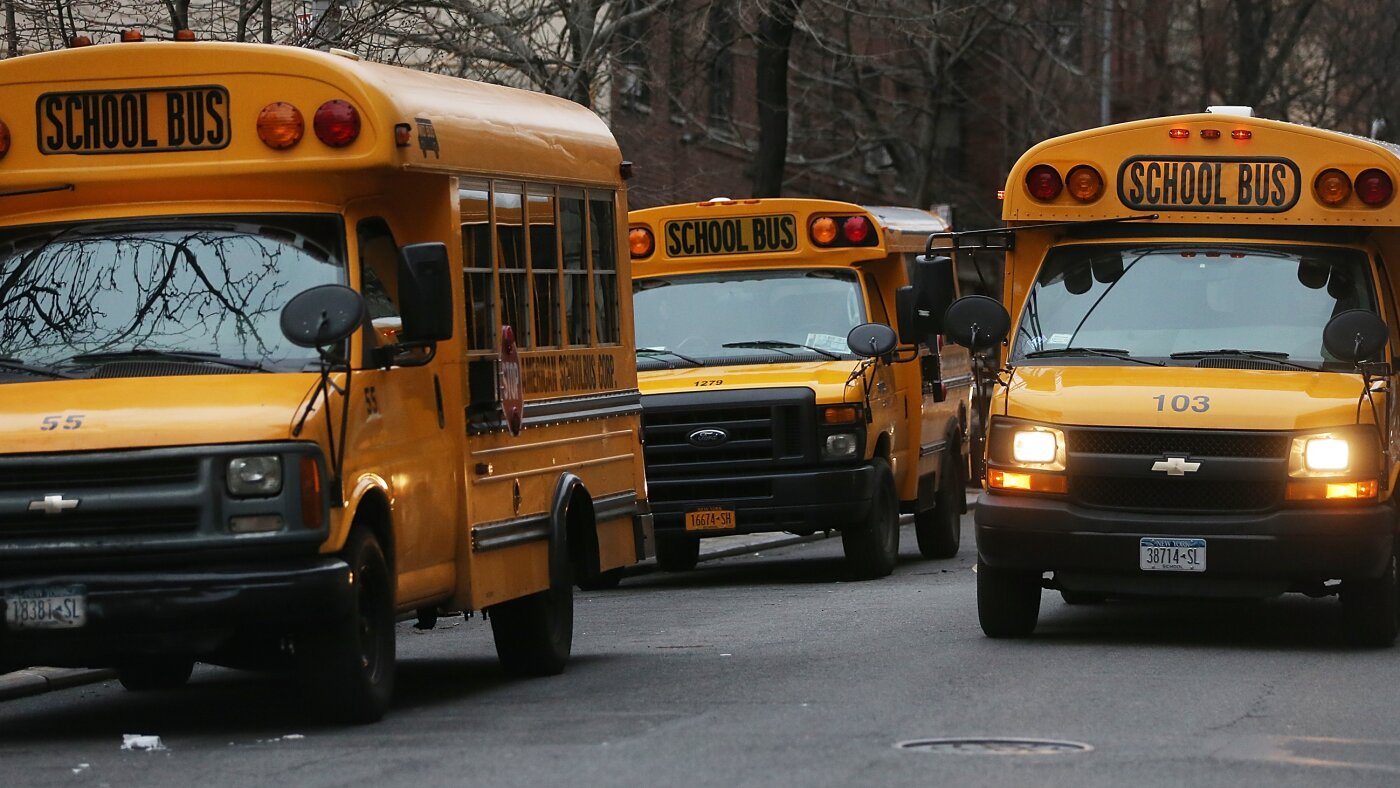
As the new school year kicks off, school districts are facing a challenging math problem: the high cost of diesel.
asserted
districts → face → diesel
The price of a gallon of diesel is up nearly $2 compared with this time last year.
asserted
price → compare → time
That is meaningful for schools, considering that around 90% of the United States' 480,000 school buses run on diesel.
asserted
% → consider → diesel
Nationally, the average price was $5.62 for a gallon as of Wednesday, according to AAA.
uncertain
price → accord → AAA
This time last year, it cost $3.70.
asserted
it → cost → 3.70
School districts nationwide have been wrestling with the issue since spring, when the war with Iran started and fuel prices rose.
asserted
prices → wrestle → Iran
A May survey produced by organizations that represent school superintendents and bus companies found that more than half the districts surveyed said diesel prices were already pushing them over budget.
uncertain
prices → produce → budget
In Washington state, Jacob Kuper, the Yakima School District's assistant superintendent of finance and operations, estimated that in the 2026-2027 school year, the higher cost of diesel could cost his district 38% more — or $130,000.
uncertain
cost → estimate → more
"The equivalent of one teacher," he said.
asserted
he → say → teacher
So he looked for ways to reduce the district's diesel use.
asserted
he → look → use
And he found a few: The district consolidated bus routes.
asserted
district → find → routes
It staggered bell times, reduced the number of total trips and put more kids on the same bus.
asserted
It → stagger → bus
"So then you save on the actual number of drivers you need," he said.
asserted
he → save → drivers
Kuper said that with those efforts, they're on track to save more money — about $400,000 to $500,000.
asserted
they → say → money
But as kids head back to school for the fall, those changes could still pose some problems.
uncertain
changes → head → problems
"You have fewer drivers with longer routes or longer total hours per day," he said.
asserted
he → have → day
That means more difficult days for drivers.
asserted
That → mean → drivers
Still, Kuper considers the Yakima School District lucky.
asserted
District → consider → ?
"We're fortunate we have a small geographical footprint," he said, compared with more rural districts.
asserted
he → have → districts
Yakima's routes aren't that much longer, he said, so kids don't have to spend much more time waiting on a bus.
asserted
kids → say → bus
The May survey found that 40% of school districts were also consolidating their bus routes.
uncertain
% → find → routes
About 20% reported they were limiting non-required trips, like field trips.
asserted
they → report → trips
Others said they were considering switching their yellow buses to non-diesel vehicles.
asserted
they → say → vehicles
Now, as schools reopen, districts will have to look for other ways to cut expenses, said Elleka Yost, director of advocacy and research at the Association of School Business Officials International, one of the organizations that conducted that survey.
asserted
that → reopen → survey
"Many districts are tapping reserves or rainy-day funds as a temporary solution," she wrote by email to NPR.
asserted
she → tap → NPR
But, she added, this may weaken districts' ability to respond to future financial challenges.
uncertain
this → add → challenges
In Boise, Idaho, the school district has also looked for ways to reduce the number of stops per route.
asserted
district → look → route
"Every stop adds mileage and cost," said Lanette Daw, the district's transportation supervisor.
asserted
Daw → add → mileage
The district also added eight electric buses to its fleet this week, funded by a federal Clean School Bus Program award, as the district explores whether this could help save on fuel costs long term.
uncertain
this → add → costs
In Monterey, Calif., Tom Thorpe, the school district's transportation director, said he is watching prices "carefully, conservatively."
asserted
he → say → prices
And he's not just watching diesel: Monterey has transitioned most of its 50 or so school buses from diesel to gasoline.
asserted
Monterey → watch → gasoline
But state and local taxes make gas prices in Monterey higher than the national average.
asserted
prices → make → average
On Wednesday, the average price of gas in that city was $5.77 per gallon, while the national average was around $4.10, according to AAA.
uncertain
average → accord → AAA
That makes gas in Monterey potentially more expensive than diesel elsewhere.
asserted
gas → make → diesel
Thorpe saw this problem coming.
asserted
problem → see → ?
By the end of the last school year, "I knew I wouldn't have enough money," Thorpe said.
asserted
Thorpe → know → money
The district tried to make its routes as efficient as possible, but he said, "Buses get full.
asserted
Buses → try → ?
So he talked to his boss. "
asserted
he → talk → boss
I actually had to go back twice and say, 'I didn't project enough, boss.
asserted
I → have → enough
Can we get a little bit more?'
asserted
we → get → more
…and 5 more, not listed.
 The Aporia