Long before European explorers landed on North American soil, it was Indigenous people who named many of the Great Lakes.
asserted
who → land → Lakes
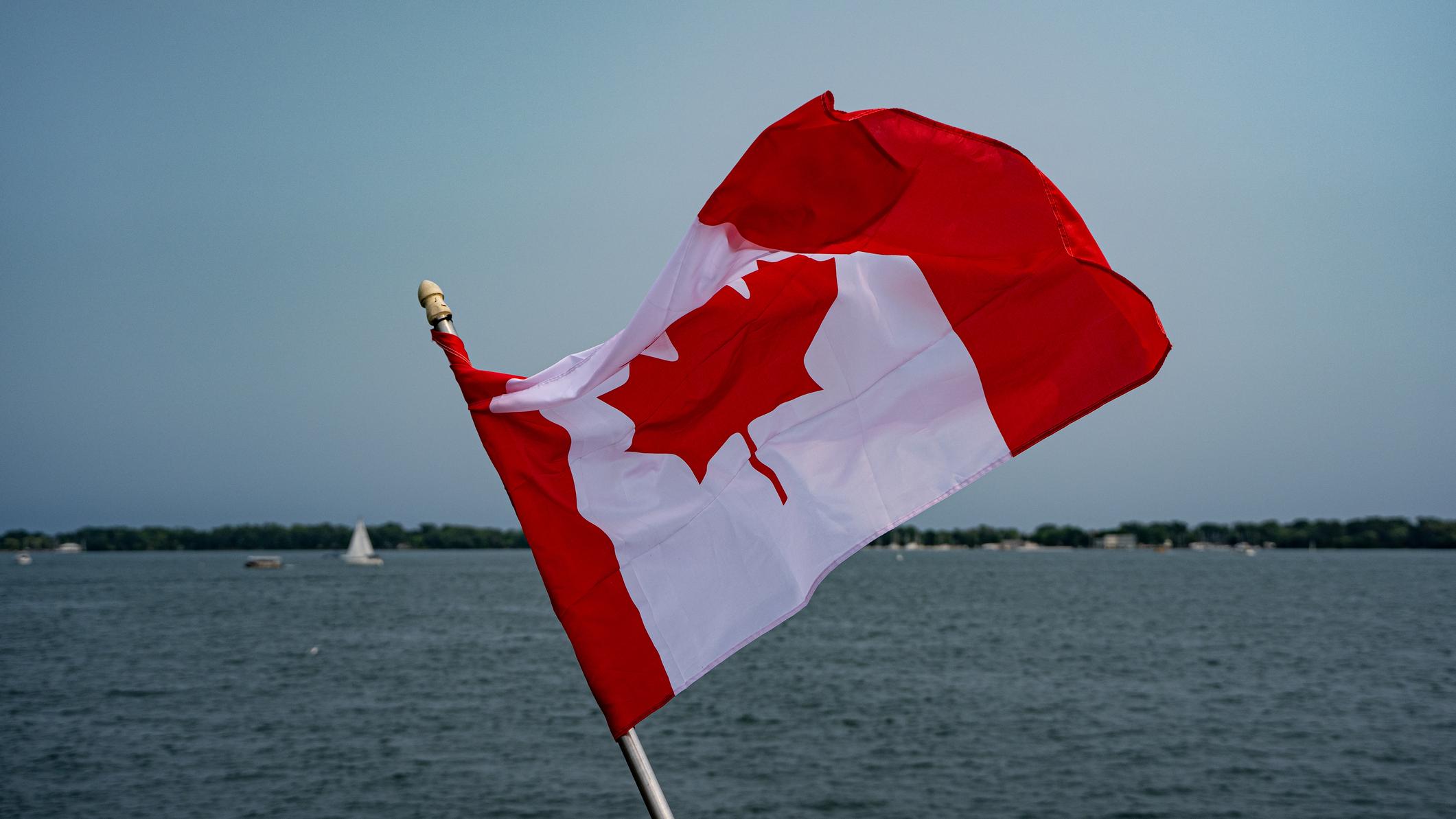
Longhouses and communities dotted the shores of Lake Ontario, whose name originates from the Iroquois word meaning “beautiful lake” or “sparkling water.”
asserted
name → dot → lake
When a contingent of explorers charted the lake in the mid-17th century, they adopted the Indigenous name they heard and inscribed it on maps.
asserted
they → chart → maps
While French explorers initially used other names, such as Lac Frontenac, it was Lake Ontario that stuck.
asserted
that → use → Frontenac
That name for the lake, which is split along the Canada-U.S. border, hasn’t been touched for nearly 400 years.
asserted
which → split → years
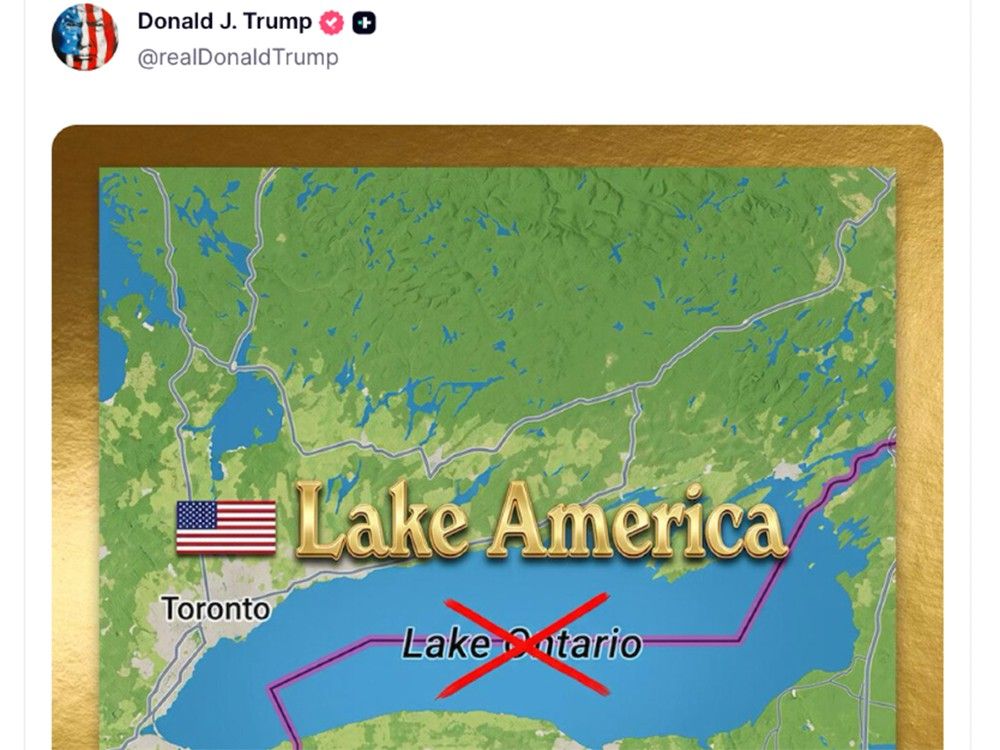
U.S. President Donald Trump is threatening to alter that narrative.
asserted
Trump → threaten → narrative
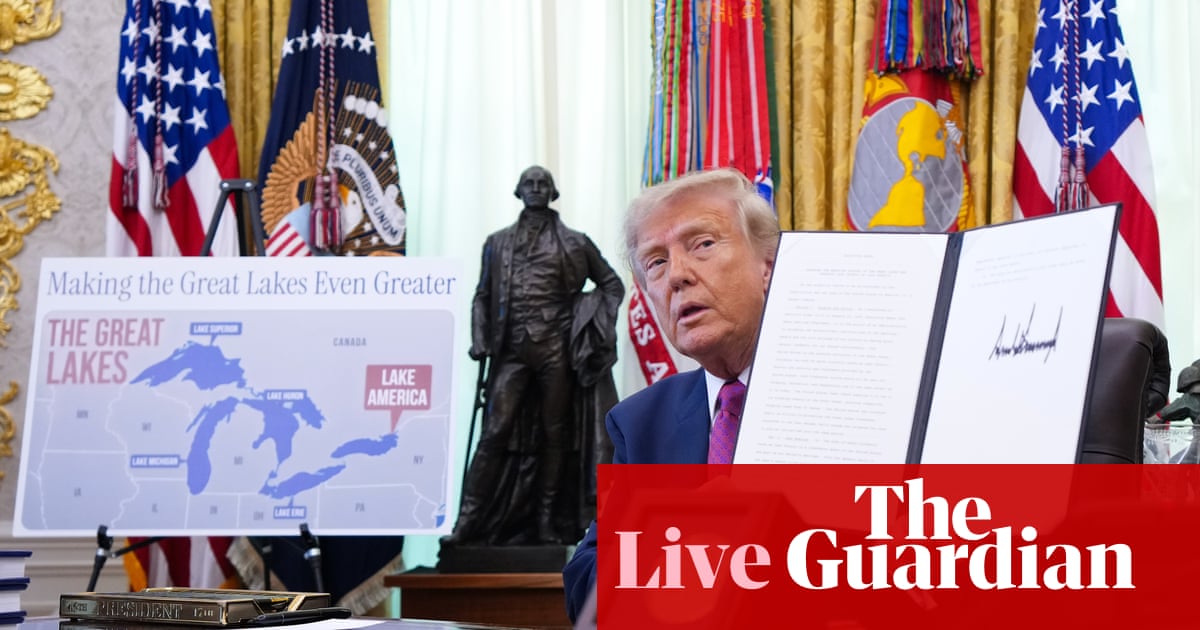
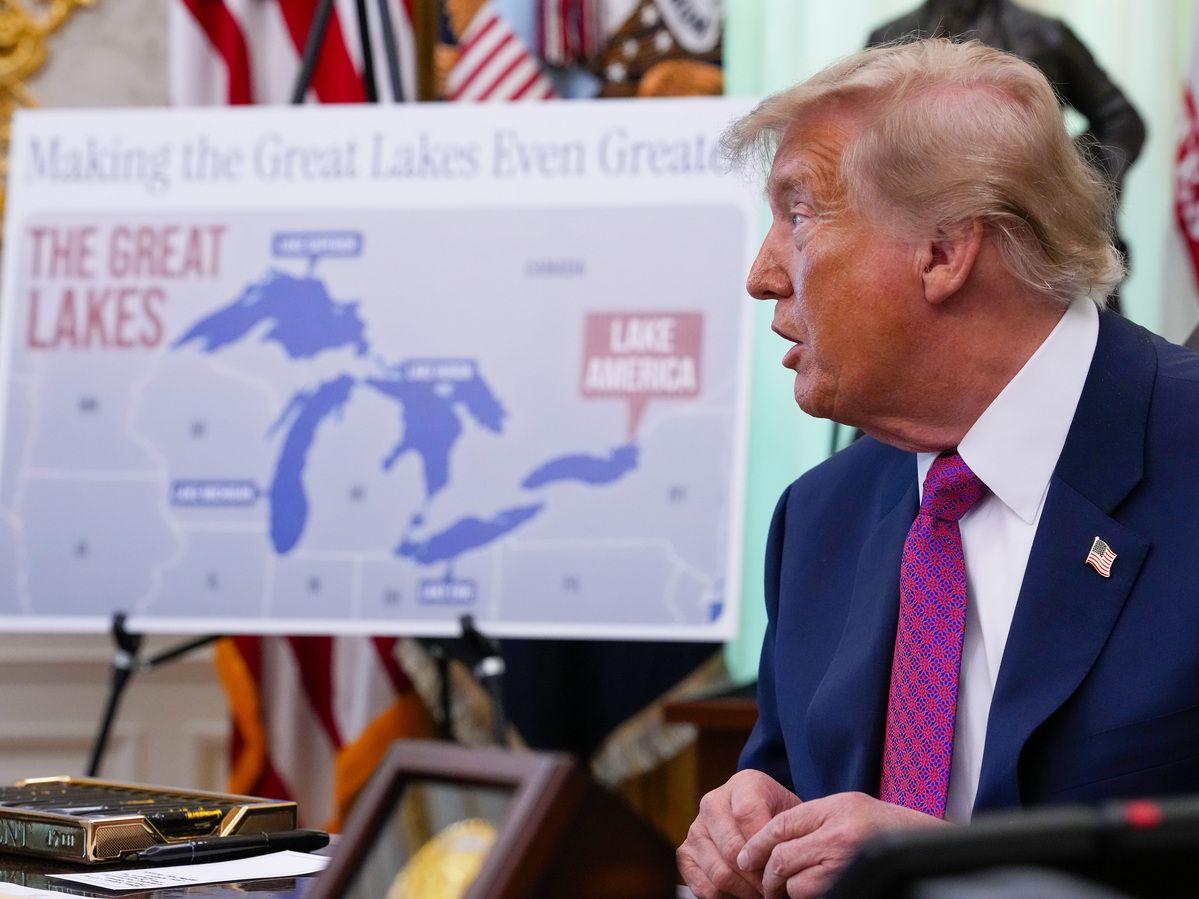
On Tuesday morning, as the trade war between the neighbouring countries continued to escalate, Mr. Trump said in a social-media post that the U.S. is considering renaming the body of water that laps onto the shore of its namesake province and New York State as “Lake America.”
asserted
that → neighbour → America
While Mr. Trump does not have the power to compel other countries – including Canada – to recognize a name change, experts and Indigenous leaders say such a threat imposes American nationalism and erases Indigenous identity.
asserted
threat → have → identity
Mohawks of the Bay of Quinte Chief R. Donald Maracle said Mr. Trump’s threatened name change is an “attack” on Indigenous people.
asserted
change → say → people
His community, located roughly 190 kilometres east of Toronto, is 20 kilometres from Lake Ontario.
asserted
community → locate → Ontario
“It’s a lot of politics involved in the whole trade discussions, and our culture should not be eroded in that process or our rights,” Mr. Maracle said in an interview.
asserted
Maracle → ’ → interview
Mr. Trump passed an executive order last year to rename the Gulf of Mexico to the “Gulf of America.”
asserted
Trump → pass → America
While the U.S. federal government refers to the body of water by the new name, it isn’t universally recognized.
asserted
it → refer → name
He can use that power again to rename Lake Ontario, but Canada isn’t compelled to acknowledge or adopt it, according to Daniel Macfarlane, an environmental historian and geography professor at Western Michigan University.
uncertain
Canada → use → University
Industry Minister Mélanie Joly said during a Tuesday news conference that “we’ll always call it Lake Ontario.”
asserted
we → say → it
(When asked for a response to Mr. Trump’s post, Audrey Champoux, spokesperson for the Prime Minister’s Office, said in an e-mail: “Nothing to add.”)
All bodies of water shared by Canada and the U.S. are governed by the International Boundary Waters Treaty Act signed in 1909.
asserted
bodies → ask → 1909
The treaty formed the International Joint Commission, an independent, impartial binational commission that co-ordinates transboundary water issues.
asserted
that → form → issues
However, the commission has no role in naming any shared bodies of water, IJC spokesperson Sarah Lobrichon said in an e-mail.
asserted
Lobrichon → have → mail
The treaty specifies that the Governor-General can add, delete or amend the names of transnational water bodies, at the recommendation of the Minister of Foreign Affairs.
asserted
General → specify → Affairs
The province where the water body is located must also be consulted before a decision is made.
asserted
decision → locate → ?
Asked about Mr. Trump’s latest comments on Tuesday, Ontario Premier Doug Ford dismissed the post as “a lot of rhetoric.”
asserted
Ford → ask → rhetoric
Canada also has a national body called the Geographical Names Board of Canada that’s responsible for co-ordinating the assigning of new names.
asserted
that → have → names
The history of Mr. Maracle’s First Nation can be traced back hundreds of years to the Haudenosaunee Confederacy, also known as the Iroquois League, which joined six nations together in the early 18th century.
asserted
which → trace → century
Mr. Maracle said Mr. Trump should consult with Indigenous communities before floating new names for lakes.
asserted
Trump → say → lakes
Derek Alderman, a geography professor at the University of Tennessee, has studied Mr. Trump’s efforts to change landmark and place names.
asserted
Alderman → study → names
The targeting of Lake Ontario follows a broader trend of Mr. Trump attempting to erase Indigenous culture, he said, citing the renaming of Mount McKinley from Mount Denali in 2025, also through an executive order.
asserted
he → follow → order
They’re not meant to be pawns or weapons in these sorts of tit-for-tat struggles,” Prof Alderman said from his office in Knoxville, Tenn.
He said the President uses place names, such as Lake America, to exert influence and extend an “America-first ideology” across the continent.
asserted
President → mean → continent
Prof. Alderman said even threatening to change the name to Lake America can be damaging.
asserted
threatening → say → America
“When you change a name so abruptly and so unilaterally, with really little public discussion, to what extent are you introducing a situation where people are having the way they see the world disrupted, and that is a psychological cost, as well as educational cost,” he said.
asserted
he → change → world
James Conolly, an archaeology and anthropology professor at Trent University in Peterborough, Ont., said reconsidering place names is sometimes necessary when it doesn’t reflect a community, but “Lake America” is a “nonsensical proposal.”
asserted
America → say → community
Lake Ontario’s name preserves the linguistic connection to Indigenous people within Canada that predated any colonial powers, he said.
asserted
he → preserve → powers
“‘Ontario’ belongs to a much deeper history of the Great Lakes than the modern international boundary running through them,” he said in an e-mail.
asserted
he → belong → mail
Prof. Macfarlane, who is also a senior fellow at the University of Toronto, couldn’t hold back his laughter when he saw Mr. Trump’s threat.
“It’s so ridiculous.
asserted
It → hold → threat
Not only the idea of it, but also the reason why he would do it
asserted
he → do → it
,” he said.
asserted
he → say → ?
Prof. Macfarlane, who is Canadian, said both countries previously “patted themselves on the back” about the boundary waters treaty and held it out as an example for the world to emulate.
asserted
world → say → example
Lake Ontario was vital for early Canada-U.S. trade before the 19th century when rail lines were built.
asserted
lines → build → century
People at Fork York, in present-day Toronto, would send ships loaded with wheat, tools and fish to the Americans in exchange for charcoal, Prof. Macfarlane said.
asserted
Macfarlane → send → charcoal
Now, Mr. Trump’s threat is symbolic of the deteriorating trading relationship that used to be a strength across shared waters, he said.
asserted
he → deteriorate → waters
As a ship was getting unloaded at the docks near Toronto’s Sugar Beach on Tuesday, Ian Charlton grabbed a chair in his regular spot under an umbrella to enjoy lunch overlooking Lake Ontario.
asserted
Charlton → unload → Ontario
…and 4 more, not listed.
 The Aporia