That is 0 articles you have read today.
The Aporia is free and carries no advertising, so readers are the only
thing paying for it. If you are getting this much out of it, a small
donation is what keeps it independent.
Daily limit reached
You have read 0 articles today.
That is more than the 15 a day The Aporia gives away,
and well past what it can carry on nothing. Your allowance resets at
midnight.
There is no advertising here and nothing about you is sold, so readers
are the only thing paying for it. If the site is worth this much of
your day, it is worth a few dollars.
Everything else stays open: the
maps, the
directory and
search do
not count against this, and neither does re-opening something you have
already read today.
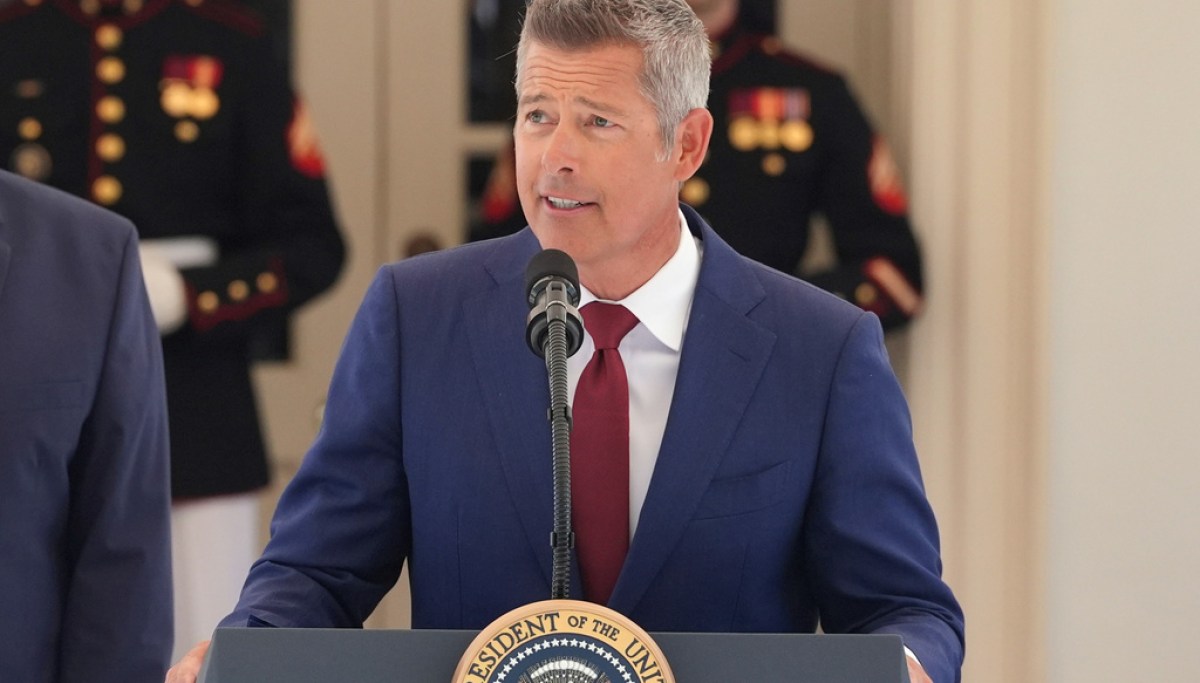
Transportation Secretary Sean Duffy addressed concerns about AI in a new air traffic control system, emphasizing that human controllers remain in charge. On Thursday, Duffy and FAA Administrator Bryan Bedford unveiled the SMART technology at Washington-area airports, which uses AI to predict weather patterns and flight trajectories but does not replace human decision-making. Duffy assured reporters that while the technology enhances predictive capabilities for better management of airspace, humans continue to control air traffic. The system is part of a $875.6 million contract awarded to Air Space Intelligence in June and will initially be deployed at three major airports in the Washington D.C. area before expanding nationwide.
Written locally by qwen2.5:14b on 2026-09-21,
using this article's own text rather than the other coverage of the
same event (that is the story summary below).
Story summary
The Federal Aviation Administration (FAA) is launching an artificial intelligence-powered system called SMART, or Strategic Management of Airspace, Routes and Trajectories, in the Washington, D.C., area as early as Monday. Developed by Air Space Intelligence under a $875 million 12-year government contract, SMART aims to predict traffic flows and spot potential bottlenecks ahead of time by analyzing flight schedules, weather forecasts, airport runway capacity, and operational limits. Initially rolled out at three major airports serving Washington D.C., including Ronald Reagan Washington National Airport, the system will assist human air traffic controllers rather than replace them, according to Transportation Secretary Sean Duffy. Critics warn that SMART may not address bigger issues in the air traffic control system but FAA officials emphasize its role as a decision-support tool during disruptions to reduce delays and cancellations.
Written for “AI in Air Traffic Control” on 2026-10-07,
grounded in this article and the 3 other(s) covering the same event.
Transportation Secretary Sean Duffy addressed concerns regarding the use of artificial intelligence in a new air traffic control system on Thursday, assuring Americans that the Trump administration is “not outsourcing aviation to AI.”
asserted
administration → address → AI
Duffy and Federal Aviation Administration Administrator Bryan Bedford unveiled the new AI-powered Strategic Management of Airspace, Routes, and Trajectories, or SMART, system on Monday.
asserted
Duffy → unveil → Monday
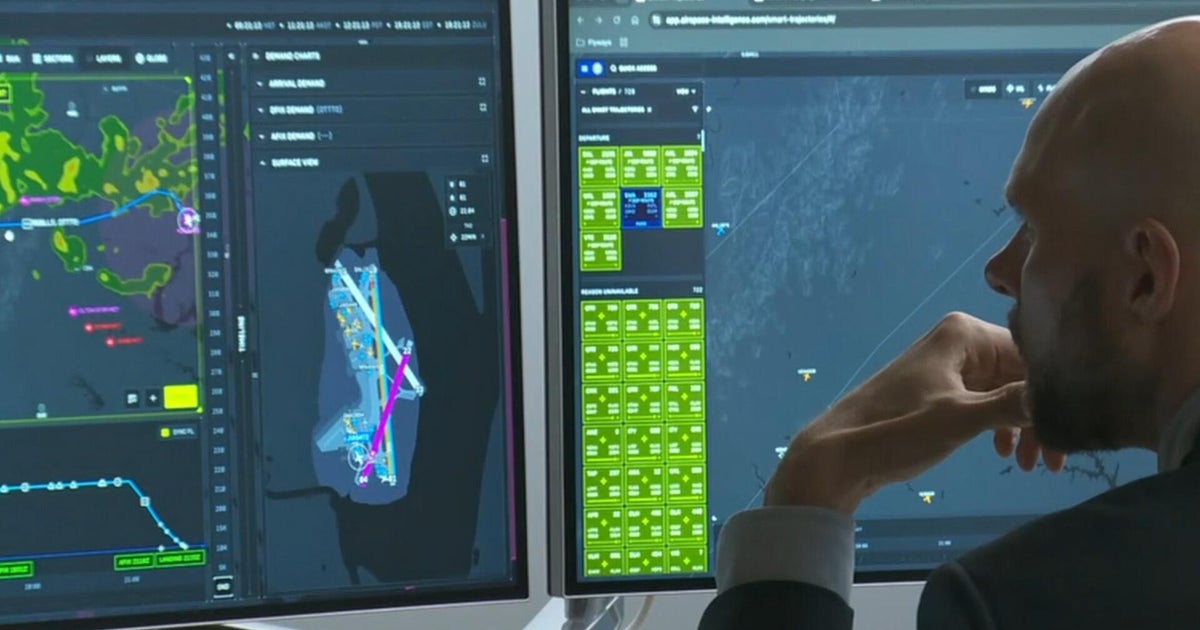
The two showed a behind-the-scenes look at how the program works to analyze local weather patterns and flight path trajectories as they begin the federal rollout of the technology at Washington-area airports.
asserted
they → show → airports
Media reports of the new AI-powered SMART technology have sparked online buzz about how the system fits with human air traffic controllers.
asserted
system → power → controllers
Duffy sought to assure reporters Monday that humans are still in control of air traffic control.
asserted
humans → seek → control
“I want to be clear: Humans control the airspace, humans make decisions,” Duffy said.
asserted
Duffy → want → decisions
“We’re just giving them way better technology, way better foresight.
asserted
We → give → technology
And so, we’re excited about what this is going to bring in aviation.
asserted
this → ’re → aviation
The SMART technology uses AI to assist human air traffic controllers by predicting weather patterns, airport capacity, and airplane travel.
asserted
technology → use → patterns
The program is part of a wider air traffic control system upgrade called the Flow Management Data and Services.
asserted
program → call → upgrade
Throughout his tenure, Duffy has prioritized the need for air traffic control system improvements, awarding a $875.6 million, 12-year contract to Air Space Intelligence to implement this new system in June.
asserted
Duffy → prioritize → June
Duffy called the technology a display of “predictive tools to help humans better manage the airspace.”
asserted
humans → call → airspace
“What we’ve thought through is: Let’s use the best technology possible, the best predictors possible, so humans can make the best decisions possible.
asserted
humans → think → decisions
And when we make the best decisions possible, that means you have less delays and you have less cancellations, which means your experience in the airspace is way better,” Duffy said.
asserted
Duffy → make → airspace
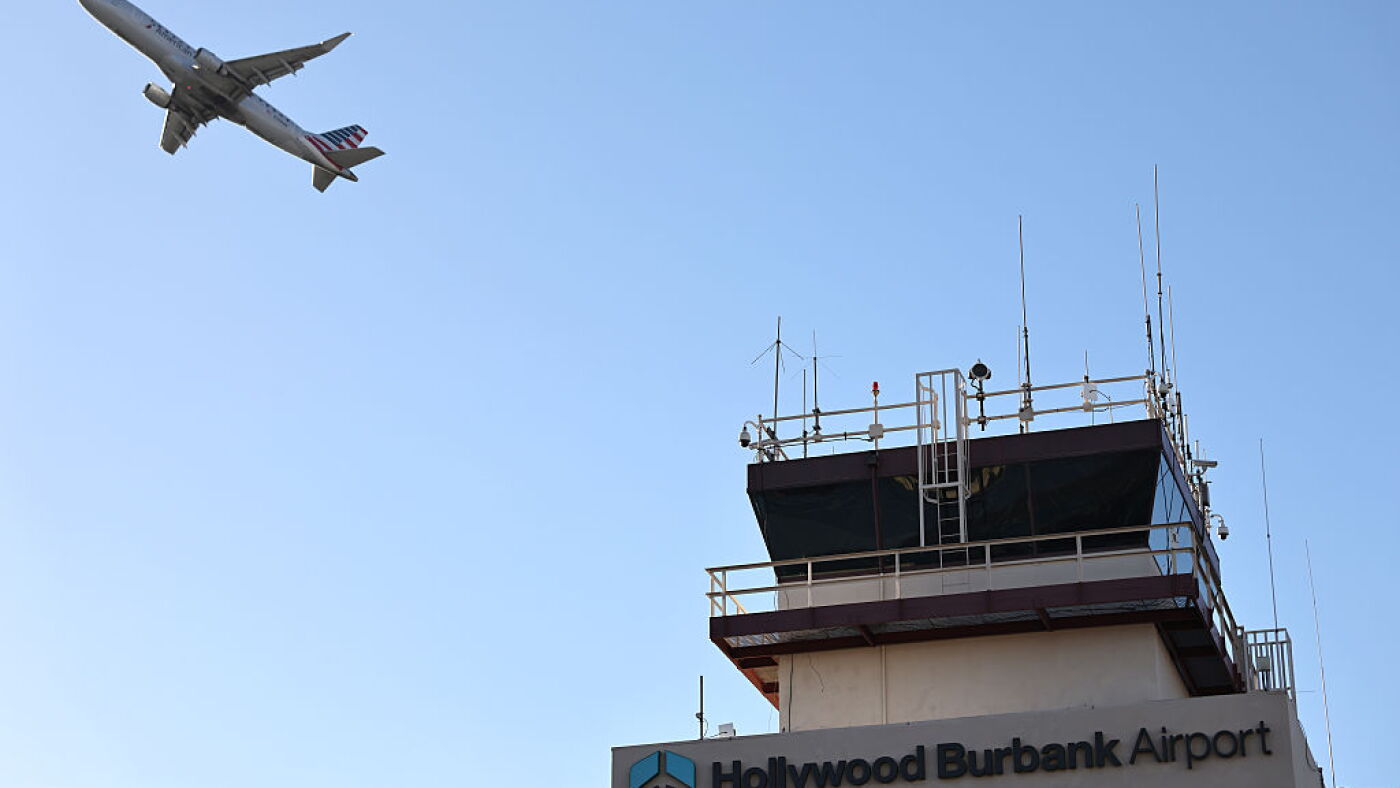
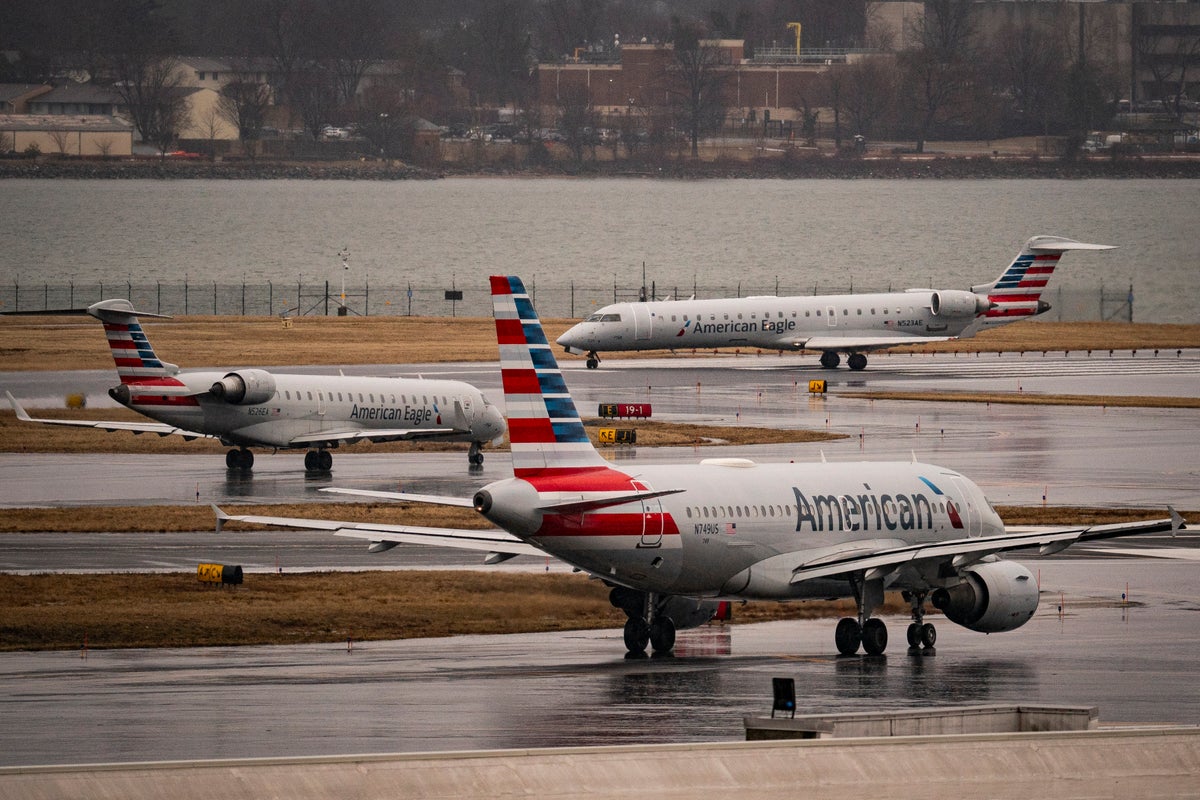
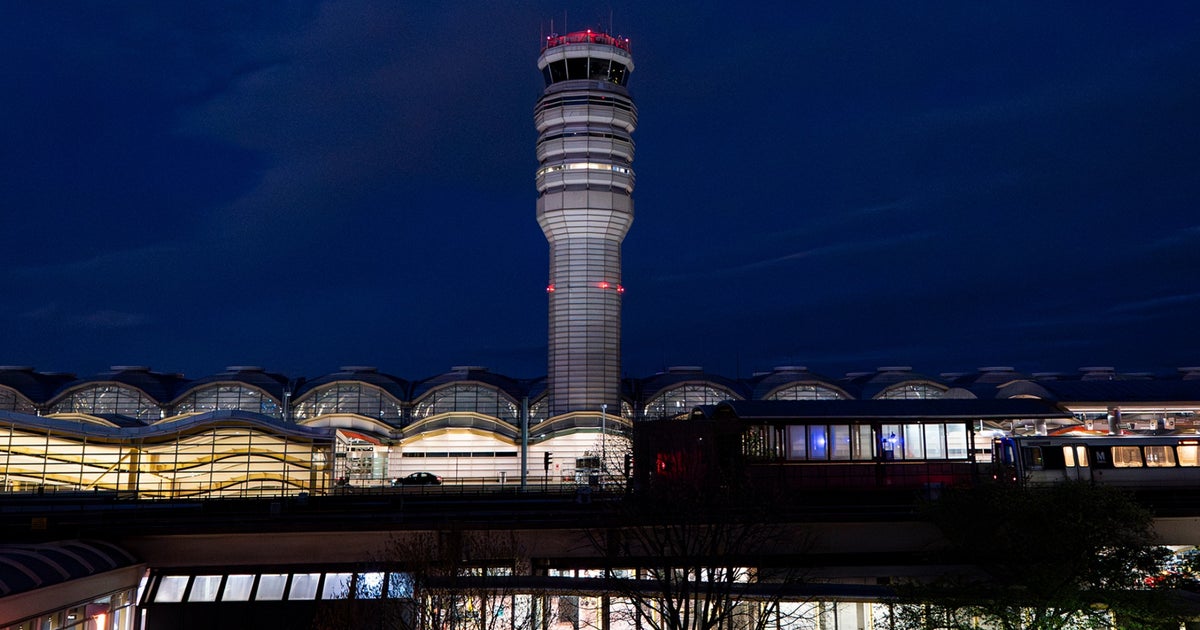
The program will first be deployed at Ronald Reagan Washington National Airport, Washington Dulles International Airport, and Baltimore/Washington International Thurgood Marshall Airport, though the FAA plans to expand the technology nationwide.
asserted
FAA → deploy → technology
The Washington region has been at the center of the aviation conversation since a mid-air collision between an Army Black Hawk helicopter and an American Airlines passenger flight descending into Reagan National Airport killed all 67 people aboard both aircraft.
asserted
collision → descend → aircraft
After the collision happened — just hours into Duffy’s tenure as transportation secretary — he vowed to modernize the technologies that regulate how airplanes communicate with one another and with airport headquarters.
asserted
airplanes → happen → headquarters
 The Aporia