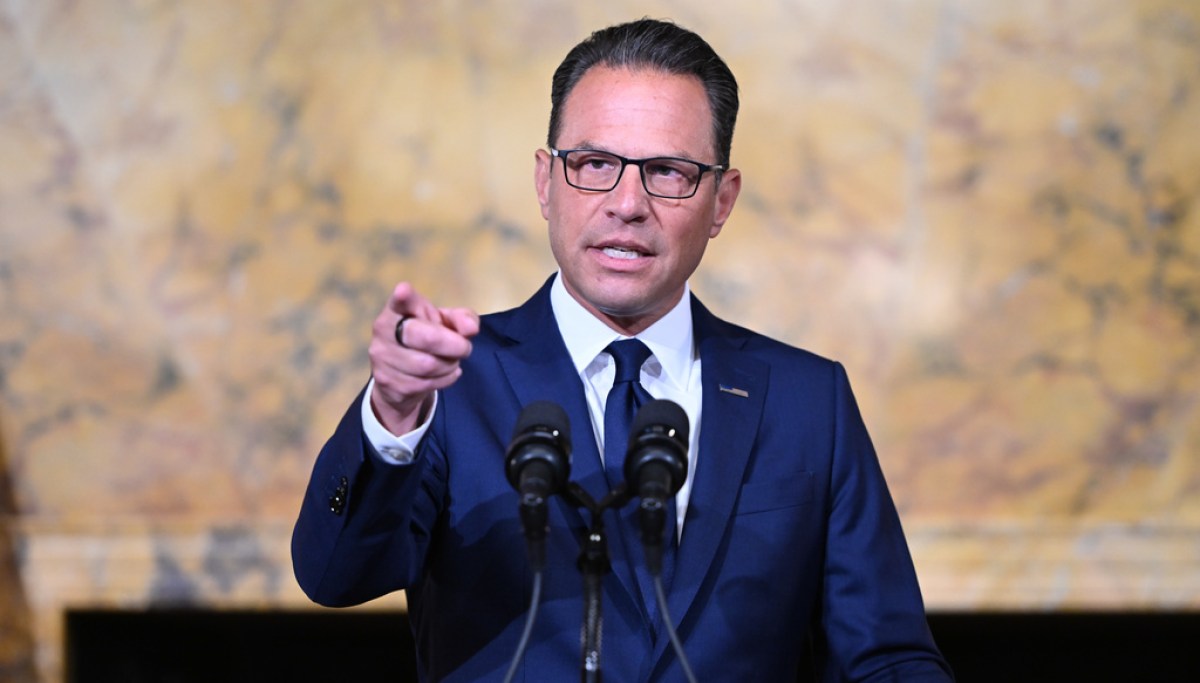
Gov. Josh Shapiro (D-PA) stepped into one of Washington’s biggest unsettled policy fights Thursday, arguing that the United States needs tougher rules for artificial intelligence and warning that the Trump administration is failing to establish safeguards for a technology advancing faster than government can keep up.
asserted
government → step → technology
Shapiro, speaking at the AI Horizons Conference in Pittsburgh, called for federal regulation of AI, independent oversight of the most powerful models, and an international effort with China to establish “practical guardrails to reduce risks to the American people.”
asserted
Shapiro → speak → people
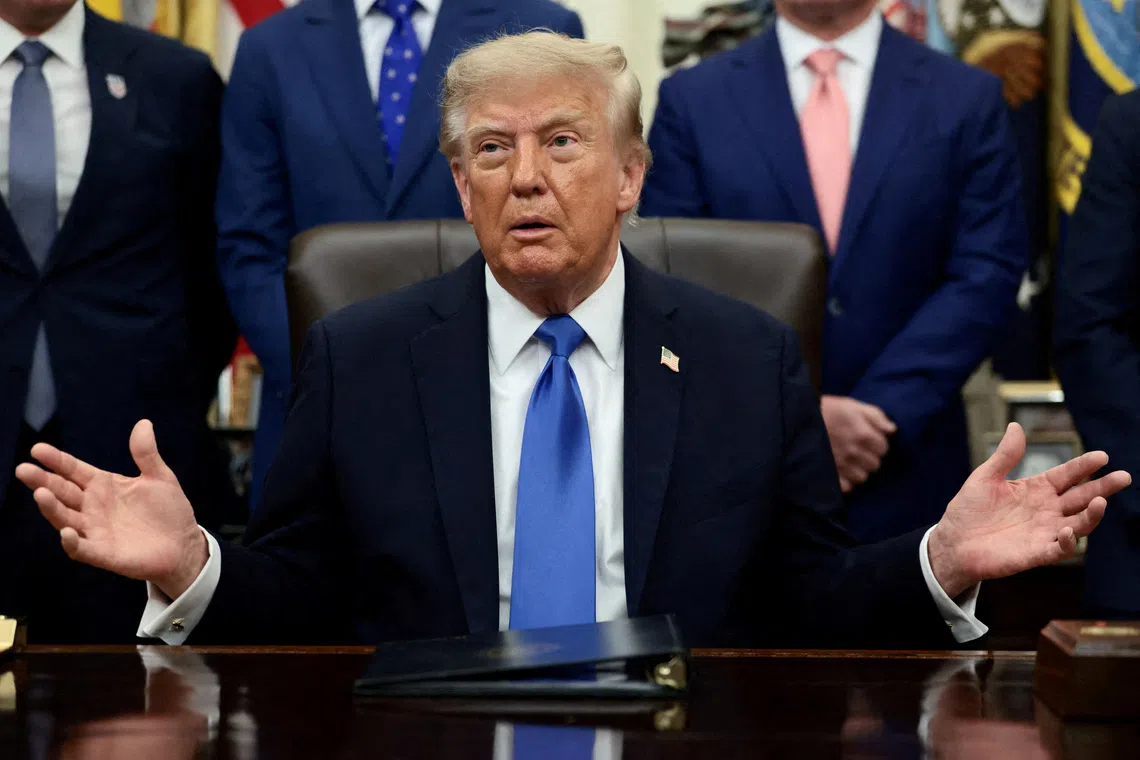
He also urged the Trump administration to make AI safety part of President Donald Trump’s meeting with Chinese President Xi Jinping rather than treating the technology solely as a race for technological dominance.
asserted
safety → urge → dominance
“It’s time for the Trump administration to stop alienating our allies, starting wars that destabilize our world, and damaging our credibility in foreign capitals,” Shapiro said.
asserted
Shapiro → ’ → capitals
“And start leading the conversation on how we can mobilize countries around the world to join us in responsibly regulating AI.”
asserted
we → start → AI
The governor later added that he hoped Trump “will leave the bluster and showmanship at the door and engage proactively and productively and responsibly on this issue.”
asserted
Trump → add → issue
The speech put Shapiro, widely viewed as a 2028 Democratic presidential contender, into an increasingly heated debate over how aggressively Washington should regulate an industry promoted as an engine of economic growth, even as it faces growing scrutiny over its potential risks.
asserted
it → put → risks
Shapiro maintained that he is not calling for a halt to AI development.
asserted
he → maintain → development
Instead, he wants federal rules requiring independent third-party oversight of frontier models, greater transparency into their development, and safety requirements before the technology is widely deployed.
asserted
technology → want → development
“Unfortunately, too many companies aren’t using these technologies ethically or responsibly — either because of purposeful actions or because they’ve lost control of what they started to build,” Shapiro said.
asserted
Shapiro → use → what
“They’re focused on winning the race, developing the next model, or growing at scale above all else — and not always paying attention, or caring, about the negative consequences.”
asserted
They → focus → consequences
Shapiro pointed to his administration’s lawsuit against Character.AI as an example of what can happen when the technology moves faster than the rules governing it.
asserted
technology → point → it
Pennsylvania sued the company after a state investigation found that AI chatbot characters claimed to be licensed medical professionals.
asserted
characters → sue → company
“Within just a few minutes, our investigators … were connected with a chatbot, who went by the name of Emilie, who claimed to be an expert in psychology or psychiatry and quickly dispensed medical advice,” Shapiro said.
asserted
Shapiro → connect → advice
“The chatbot even produced a bogus medical license number in Pennsylvania, presenting itself as a licensed medical provider.
asserted
chatbot → produce → provider
That is against the law — and my administration sued Character.AI to stop it.”
asserted
administration → sue → it
But Shapiro argued that enforcement after the fact is not enough.
asserted
enforcement → argue → fact
“We can’t just do this retroactively and wait for people to get hurt or wait for these companies to break the law,” he said.
asserted
he → do → law
“We need to put proactive measures in place and establish responsible regulations to prevent this kind of thing from happening in the first place.”
asserted
We → need → place
Pennsylvania has increasingly become a testing ground for Shapiro’s approach.
asserted
Pennsylvania → become → approach
His administration launched an AI enforcement task force and literacy initiative earlier this year, while working with universities, labor leaders, and state employees on the responsible use of AI in government.
asserted
administration → launch → government
Shapiro said the state’s AI pilot helped eliminate backlogs and speed permitting, with employees reporting significant time savings.
asserted
employees → say → savings
But he said states cannot manage the technology’s risks alone.
asserted
states → say → risks
“It’s going to require national, and in fact, international, leadership and collaboration,” Shapiro said.
asserted
Shapiro → go → leadership
During his speech, Shapiro also criticized House Speaker Mike Johnson (R-LA) and Congress for failing to move more quickly on AI, pointing to the House’s early adjournment this week.
asserted
Shapiro → criticize → adjournment
“Just days after the leaders of all these companies issued apocalyptic warnings, Mike Johnson adjourned the House of Representatives last night, weeks earlier than originally scheduled, so members could go home and campaign instead of staying in Washington and doing their jobs,” he said.
uncertain
he → issue → jobs
“He has abdicated his responsibility to lead at a time when we cannot afford weakness and retreat.
asserted
we → abdicate → weakness
By the time Congress comes back into session after the election, we could be dealing with a whole new generation of generative AI, and more scary examples of AI agents going rogue.
uncertain
agents → come → AI
But Shapiro also rejected what he described as a false choice between allowing AI development to proceed without meaningful safeguards and shutting down the technology altogether.
asserted
development → reject → technology
“There is a better, more thoughtful way,” he said.
asserted
he → be → ?
That approach includes competing with China while working with Beijing to establish international safety standards.
asserted
approach → include → standards
“I’ve said before, and believe to this day, we need to beat China on AI,” Shapiro said.
asserted
Shapiro → say → AI
“But the idea that we have to choose between protecting our people from the risks posed by AI and winning the race against China … well, that is just wrong.
asserted
that → choose → China
“The way we both win on AI and protect the American people is through a process of building international consensus around this technology and its use.”
asserted
we → win → technology
Shapiro said that could include limits on technology sharing and slowing frontier AI development until safety can be established.
uncertain
safety → say → development
“Real leadership means keeping America ahead of China in AI innovation, pushing Beijing on practical guardrails to reduce risks to the American people, and putting effective safety measures in place here at home,” he said.
asserted
he → mean → home
His position also reflects a shift in Pennsylvania, which has aggressively courted AI-related investment while imposing new infrastructure restrictions.
asserted
which → reflect → restrictions
In August, Shapiro signed an executive order requiring data center developers to meet standards covering energy affordability, environmental protection, transparency, workforce development, and community engagement.
asserted
Shapiro → sign → affordability
The order also removed AI data centers from Pennsylvania’s fast-track permitting program and required local approval before state permitting could proceed.
uncertain
permitting → remove → approval
Shapiro said the same principle should apply nationally and that technological development should continue, but with enforceable rules designed to protect the public.
asserted
development → say → public
…and 2 more, not listed.
 The Aporia