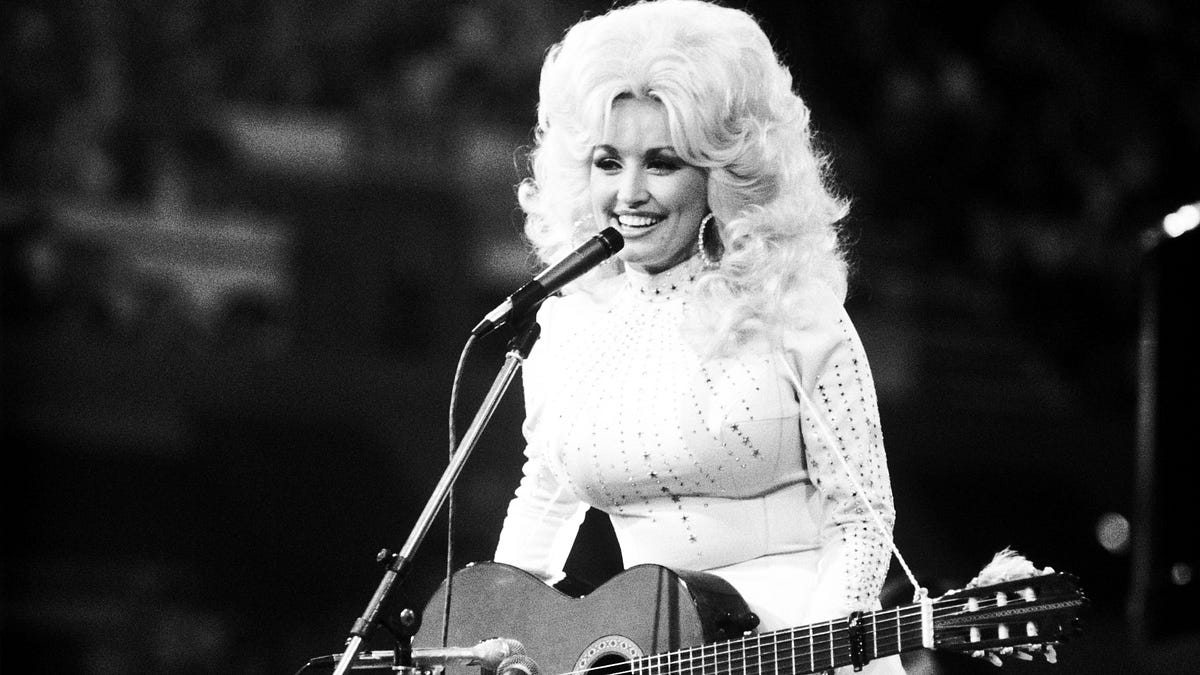
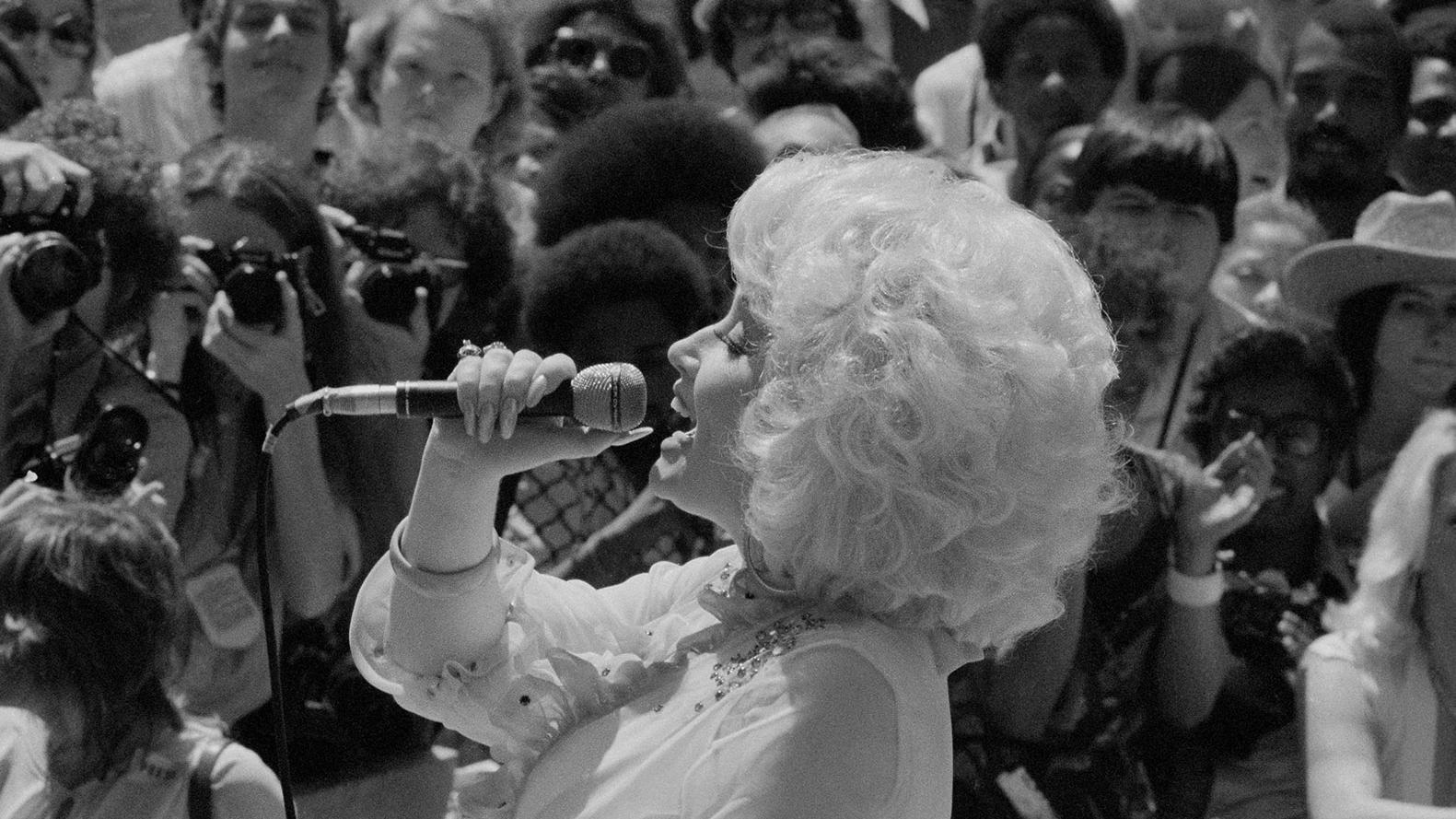
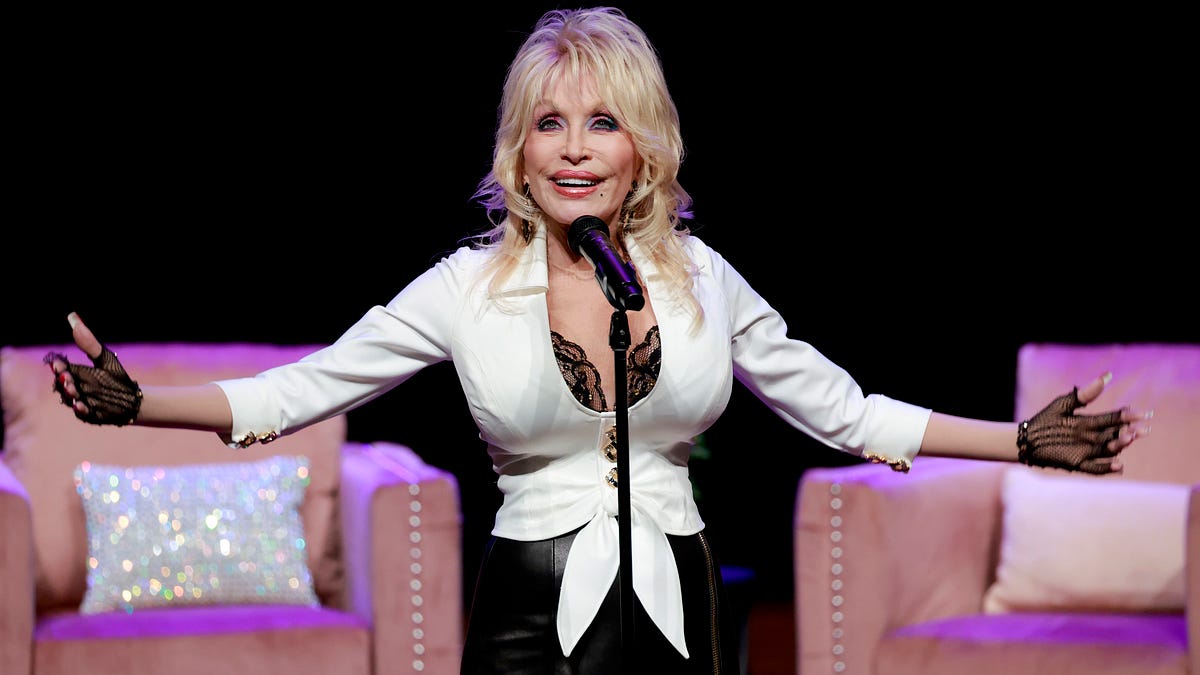
I FIRST TUNED IN TO DOLLY PARTON in the late 1970s.
asserted
I → tune → 1970s
I had moved from Greenwich Village to Charleston, West Virginia for a job (yes, really), and going to hear her live seemed like the thing to do.
asserted
going → move → thing
But country music called to me.
asserted
music → call → me
Dolly’s 1974 song “I Will Always Love You” was a breakup ballad about her struggle to leave Porter Wagoner’s TV show and get control of her own music—both artistically and financially.
asserted
I → love → music
She wrote it one day and sang it to him the next.
asserted
She → write → him
“He was sitting at his desk and he was crying.
asserted
he → sit → desk
He said ‘That’s the best thing you ever wrote.
asserted
you → say → ?
Okay, you can go, but only if I can produce that record,’” she recalled decades later for filmmaker Ken Burns’s sixteen-hour documentary Country Music.
asserted
she → go → documentary
Wagoner sued her anyway, Burns said, but she never let go of her music again.
asserted
she → sue → music
Denying partial ownership of that song to Elvis Presley and his manager meant Presley never recorded it.
asserted
Presley → deny → it
But Dolly later said that Whitney Houston’s massive 1992 hit with the same song—which sold tens of millions of copies around the world—earned Dolly enough money that she could have bought Graceland, as Burns tells the story.
uncertain
Burns → say → story
At a time when many women (including buttoned-down journalism strivers like me) were tackling new professional roles in offices and other work settings, looking past Dolly’s personal style was an adjustment.
asserted
looking → include → style
I mean, a low-cut neon one-piece jumpsuit?
asserted
I → mean → jumpsuit
Even on stage, it seemed a bit much.
asserted
it → seem → stage
But she was in on her own joke and it never defined her.
asserted
it → define → her
By 1980, the woman who had been through a fight to own her own songs had written a full-blown feminist anthem for a movie about exploited, underappreciated women in the workplace.
asserted
who → own → workplace
“9 to 5,” the song, opens with a line about stumbling to the kitchen to “pour myself a cup of ambition.”
asserted
9 → open → ambition
9 to 5, the classic hit comedy, features workers played by Jane Fonda, Lily Tomlin, and Dolly herself.
asserted
9 → feature → Fonda
Of course Dolly Parton could act brilliantly.
uncertain
Parton → act → ?
She was the “Dreamer-in-Chief” determined to spread cheer and hope at Dollywood, the 160-acre park she created in the Smoky Mountains of Tennessee.
asserted
she → spread → Tennessee
She was a philanthropist who, inspired by her father’s inability to read, began collecting and distributing books to children over thirty years ago in her home county in East Tennessee.
asserted
who → inspire → Tennessee
Her Imagination Library now operates in five countries and has given out more than 332 million books.
asserted
Library → operate → books
And she was a humanist—an outspoken backer of LGBTQ rights, who kicked up a bit of fuss in 2020 when she told Billboard magazine she supported the Black Lives Matter movement and protests: “I understand people having to make themselves known and felt and seen.
asserted
themselves → kick → movement
And of course Black lives matter.
asserted
lives → matter → course
Do we think our little white asses are the only ones that matter?
asserted
that → think → ?
Our Bulwark+ members make possible our growing coverage of books, arts, movies, and culture.
asserted
coverage → make → books
They released an album called Trio, which I bought instantly.
asserted
I → release → which
If you’re a sucker for gorgeous voices and close harmonies, this collection is addictive.
asserted
collection → ’re → voices
“Their album is stunningly beautiful on every cut,” Billboard wrote.
asserted
Billboard → write → cut
A dozen years later, in February 1999, the three women released a sequel—Trio II (recorded five years earlier).
asserted
women → release → sequel
It was fate or coincidence that this past weekend, on Sunday, my husband sent me an email about a video he’d just come across.
asserted
he → send → video
“Gotta think you’d like this: Emmylou Harris, Dolly Parton, and Linda Ronstadt on Letterman,” he wrote.
asserted
he → think → Letterman
And there they were on The Late Show, a month after Trio II came out.
asserted
they → come → Show
“This is going to be great because we have the three huge, wonderful musical talents, and we have a great, great song, and we also have an instrument that I don’t think we’ve ever had on the show before”—a glass armonica invented by Benjamin Franklin, Letterman said by way of introduction.
asserted
Letterman → go → introduction
The great song was their cover of “After the Gold Rush,” Neil Young’s dreamlike vision of environmental apocalypse—“Mother Nature on the run”—and some humans, “the chosen ones,” escaping to “a new home in the sun.”
asserted
song → choose → sun
RECOGNIZING DOLLY’S ARTISTRY is a no-brainer, but she also deserves credit for business genius.
asserted
she → recognize → genius
But maybe you missed this?
asserted
you → miss → this
“These doughnuts remind me of home,” she said in a promotional press release.
asserted
she → remind → release
The Allrecipes headline: “Dolly Parton’s New Krispy Kreme Collab Is Guaranteed to Sell Out.
asserted
Collab → guarantee → ?
We’ll be tumbling out of bed for these.”
asserted
We → tumble → these
…and 4 more, not listed.
 The Aporia