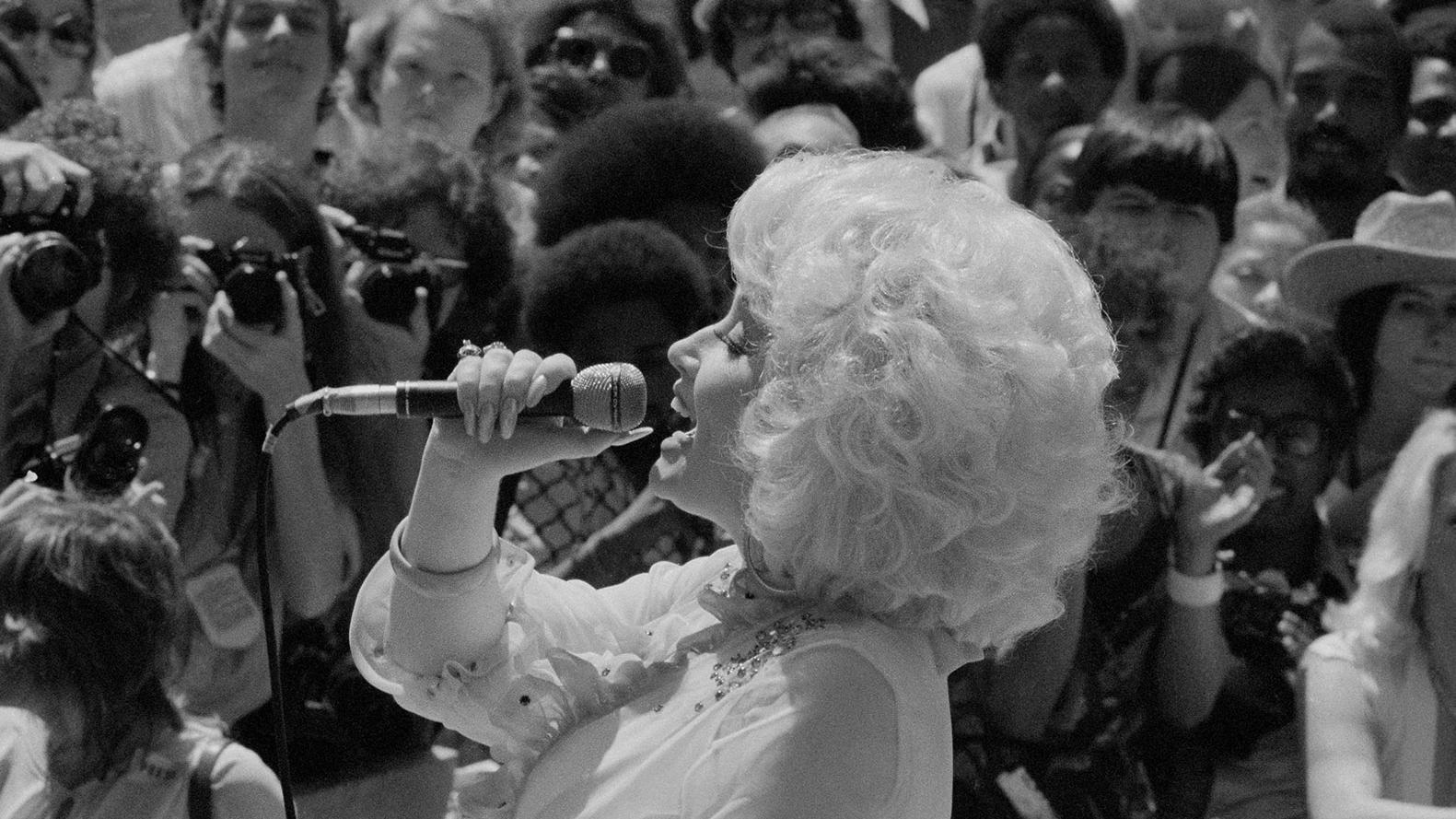
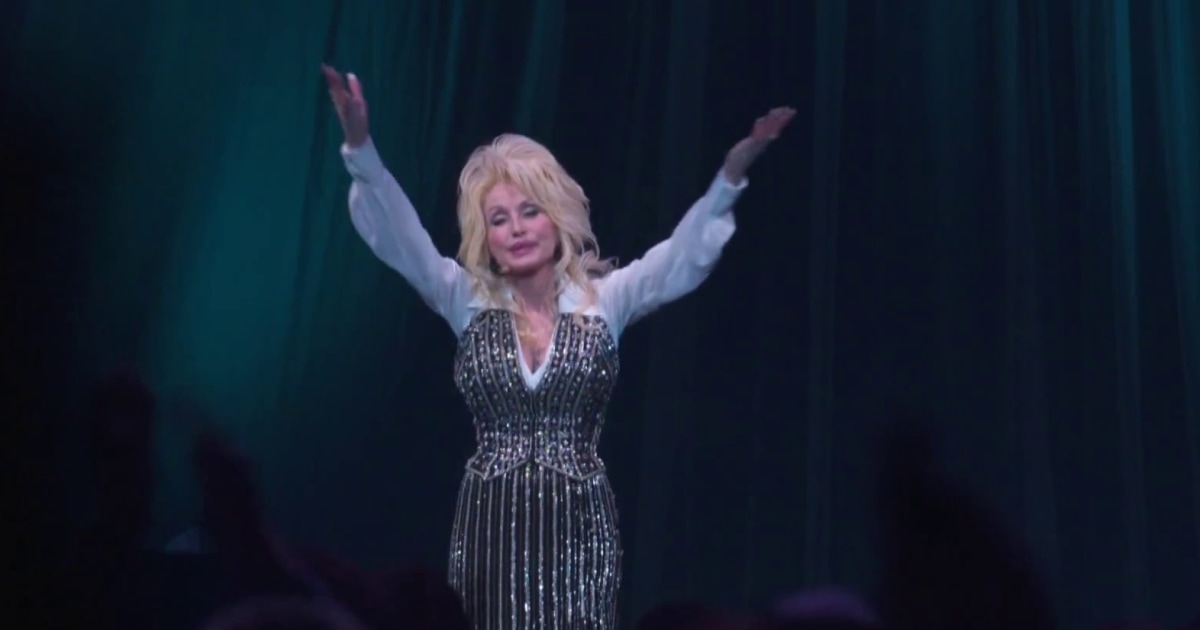
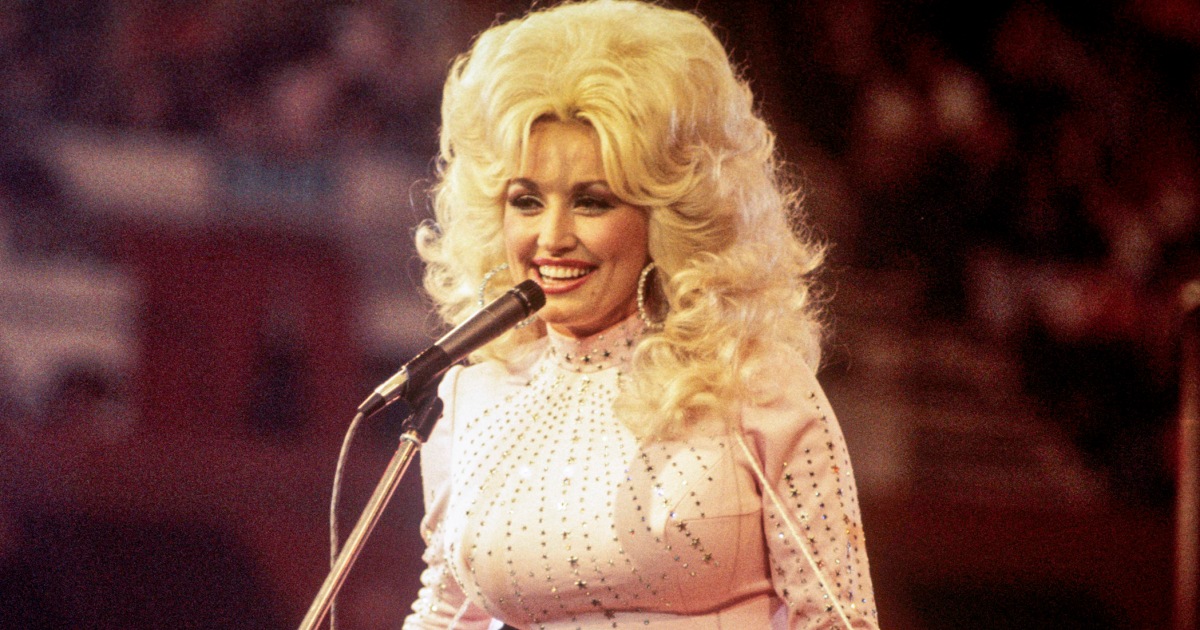
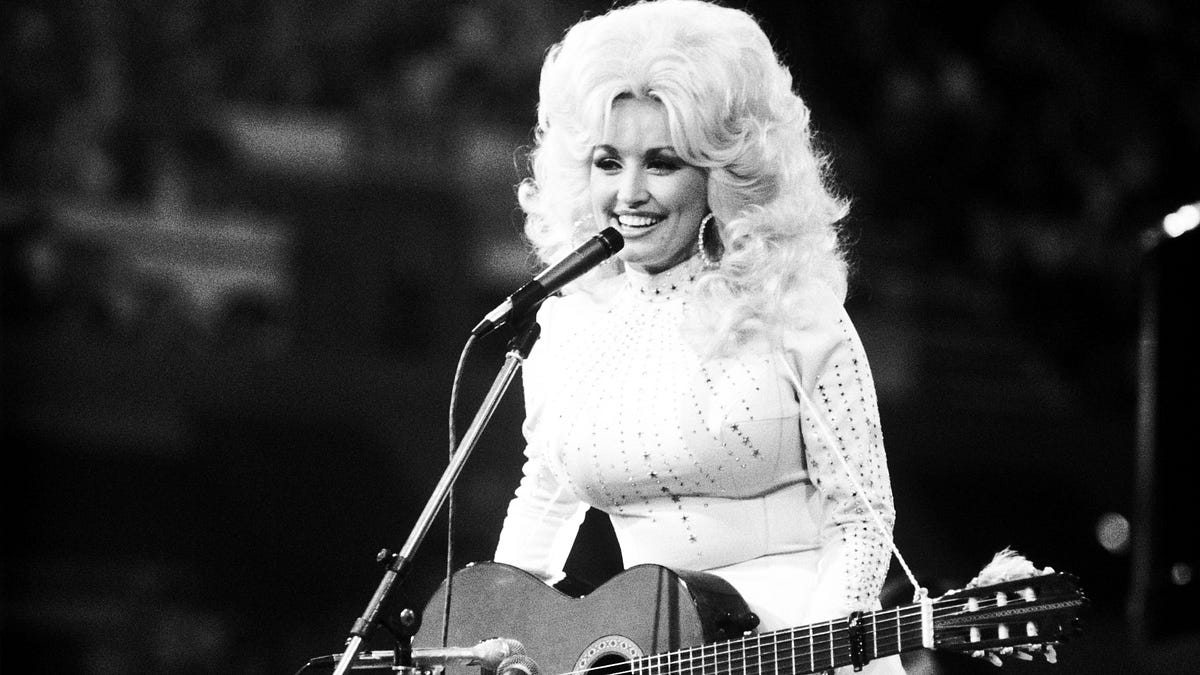
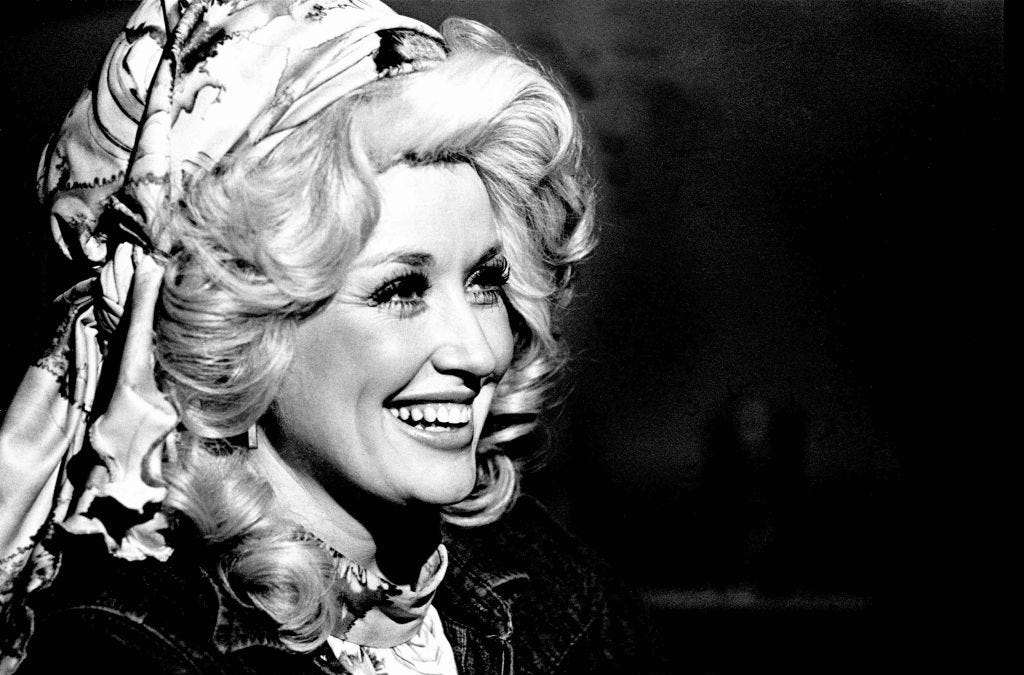
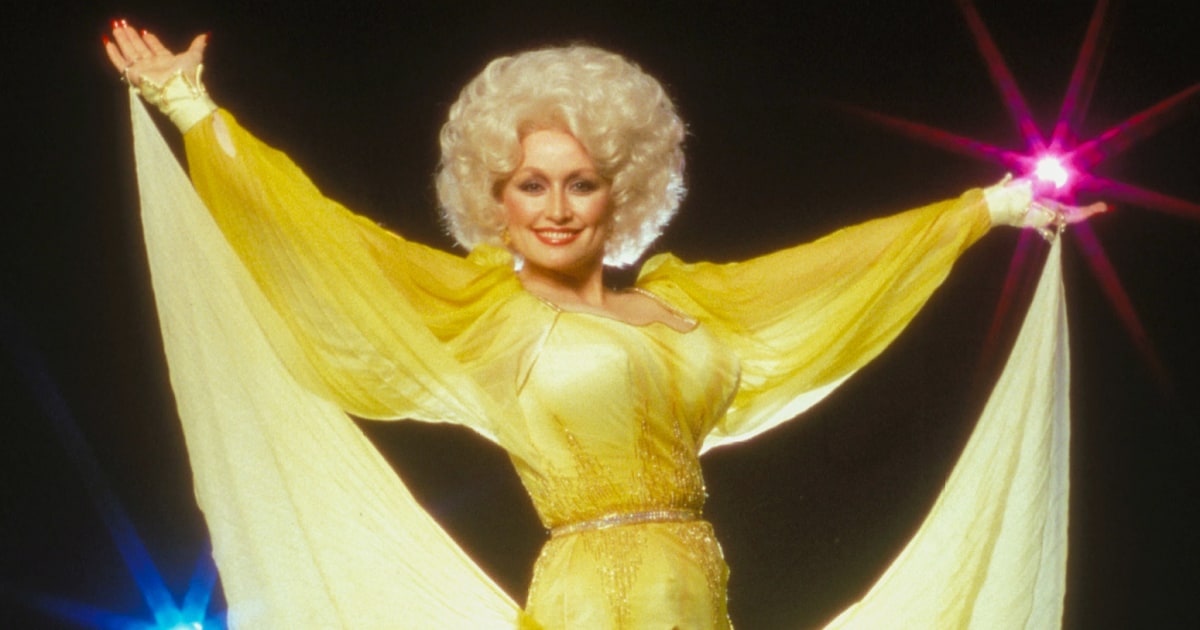
Dolly Parton, the beloved country-music superstar known for writing about the lives of regular people in more than 3,000 songs and, in later years, for giving away more than 300 million books to children around the world, has died in Nashville.
asserted
Parton → know → Nashville
Parton had recently shared updates about health issues she’d been dealing with since the death of her husband Carl Dean last year, and her representatives told People that her death in Nashville came after a “brief battle with cancer.”
asserted
death → share → cancer
Her nephew and bodyguard Bryan Seaver announced her death in an Instagram video posted to her account on Aug. 25, saying, “Dolly has lived in the light and is in the arms of Jesus, surely met by Carl, her parents, and countless others who have watched her and longed for her to meet them in the heavens.”
asserted
her → announce → heavens
To her fans around the world, she was Saint Dolly—the American godmother who channeled the sorrows of everyday life into song, wrapping ugly truths in pretty packages.
asserted
who → channel → packages
Though she was described by music journalist Robert Oermann as “the Mozart of our times,” Parton’s larger-than-life hair, excess in rhinestones, surgical implants, and cosmetic work concealed the iron will through which she confronted the day’s realities with her craft.
asserted
she → describe → craft
Most importantly, she wrote and sang with a woman’s voice and heart about topics that uniquely touched her gender.
asserted
that → write → gender
Her songs include stories of stillborn births (“Down From Dover”), suicide (“The Bridge”), shame (“Just Because I’m a Woman”), abuse (“A Gamble Either Way”), adoption (“Doing This for Your Sake”), isolation (“Two Doors Down”), mental institutions (“Daddy Come and Get Me”), and prostitution (“The Bargain Store”).
asserted
I → include → Me
I saw Parton play live in concert during her Pure & Simple Tour in October 2016, a month before the most divisive election in American collective memory, and a year before I began reporting a podcast on her life called Dolly Parton’s America.
asserted
I → see → life
At the time, I was looking for someone or something to believe in.
asserted
I → look → someone
On the television and in the news, hatred from both sides of the American political aisle had never seemed more grotesque, but at Parton’s show, we all sang together.
asserted
we → seem → show
Parton visited more than 60 cities that summer and fall.
asserted
Parton → visit → cities
Looking back, I can’t help but wonder if she knew it would be something of a healing tour, the last of its kind she would do.
asserted
she → look → kind
When I asked Parton what “Dolly Parton’s America” meant to her, she responded that her perspective wasn’t limited by borders, that it was Dolly Parton’s World: “I just think we need to love one another.
asserted
we → ask → one
I think we need to try a little harder.
asserted
we → think → ?
We need to be a little kinder.
asserted
We → need → ?
We need to be a little smarter.
asserted
We → need → ?
We need to have more love and compassion.”
asserted
We → need → love
The last time I saw her, she told me she was planning a comedy album.
asserted
she → see → album
She also said that, unlike other artists of her stature for whom posthumously released music has been a point of contention, she’d recorded many more songs of hope she’d put away in a vault, to be released throughout the hundred years following her death.
asserted
she → say → death
Because of them, she remained vulnerable, even relatable, in the public eye.
asserted
she → remain → eye
Many wealthy folk prefer to be compassionate from on-high, if at all, never getting their feet wet or hands dirty.
asserted
hands → prefer → ?
Parton rolled in the mud.
asserted
Parton → roll → mud
She claimed she modeled her look on “the town trash whore,” whom she thought was “beautiful.”
asserted
she → claim → whore
She dressed in a way that was her idea of glamour: yellow hair piled atop her head, bright red lipstick and nails, high-heeled shoes, and a tight skirt.
asserted
that → dress → head
“I thought [that woman] was the prettiest thing I’d ever seen,” she once said on Ellen.
asserted
she → think → Ellen
“So I grew up to look just like her!”
asserted
I → grow → her
Once Parton achieved a certain level of fame, her body became a punchline for the late-night circuit.
asserted
body → achieve → circuit
When two male scientists made the world’s first cloned sheep, in 1996, they named it after Parton for its “large mammaries.”
asserted
they → make → mammaries
Parton laughed the cracks off with quips of her own (“I don’t know if I’m supporting them, or they’re supporting me”).
asserted
they → laugh → me
For the Dolly podcast series, I asked Parton once about whether she thought her look stopped journalists, mostly men in the time she was coming up, from taking her work seriously, or viewing her songwriting as equally important to her work as a performer.
asserted
she → ask → performer
She shrugged off the question: “Sometimes you have to look like Jezebel in order to get some angelic things done in the world.”
asserted
things → shrug → world
There are countless examples of remarkable women erased by history, but Parton survived her own story long enough to tell it.
asserted
Parton → be → it
Her cycle of resurrections, the highs and lows, didn’t seem to change her much over the years, even as the highs garnered her over half a billion dollars.
asserted
highs → seem → dollars
Dolly Rebecca Parton arrived on Jan. 19, 1946, in an unheated cabin about an hour outside of Knoxville, Tenn., atop the Smoky Mountains.
asserted
Parton → arrive → Mountains
Her parents paid the doctor who trekked to their home to deliver her with a sack of cornmeal.
asserted
who → pay → cornmeal
The fourth of 12 children—as she put it, “Mama always had one on her or in her”—the kids slept three or four to a bed.
asserted
kids → put → bed
Their only modern convenience was a battery-powered radio.
asserted
convenience → power → ?
Her childhood home had no indoor plumbing, electricity, or running water.
asserted
home → have → plumbing
She later compared it to moving from "the Dark Ages into the light ages."
asserted
She → compare → ages
She grew up surrounded by pines, butterflies, creeks, and neon-green moss.
asserted
She → grow → pines
…and 95 more, not listed.
 The Aporia