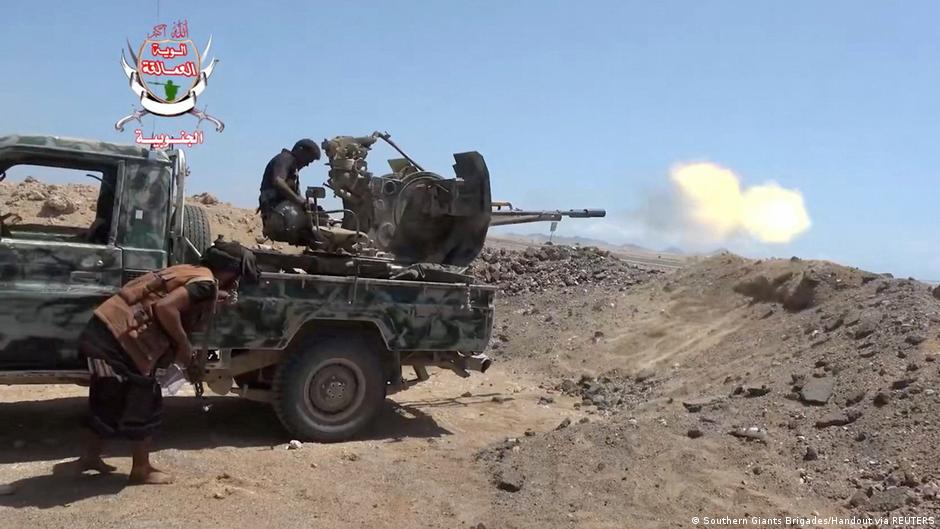
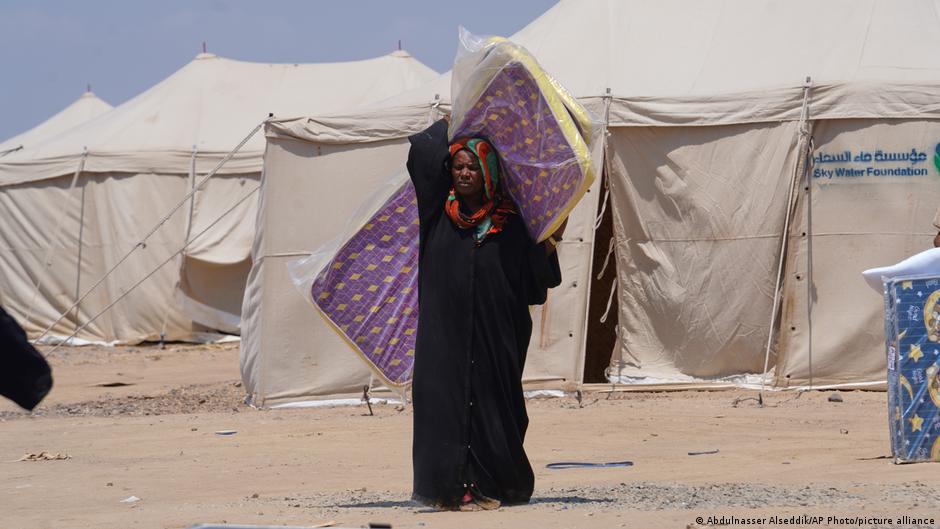
Yemen is increasingly at risk of backsliding into full-scale conflict.
asserted
Yemen → backslide → conflict
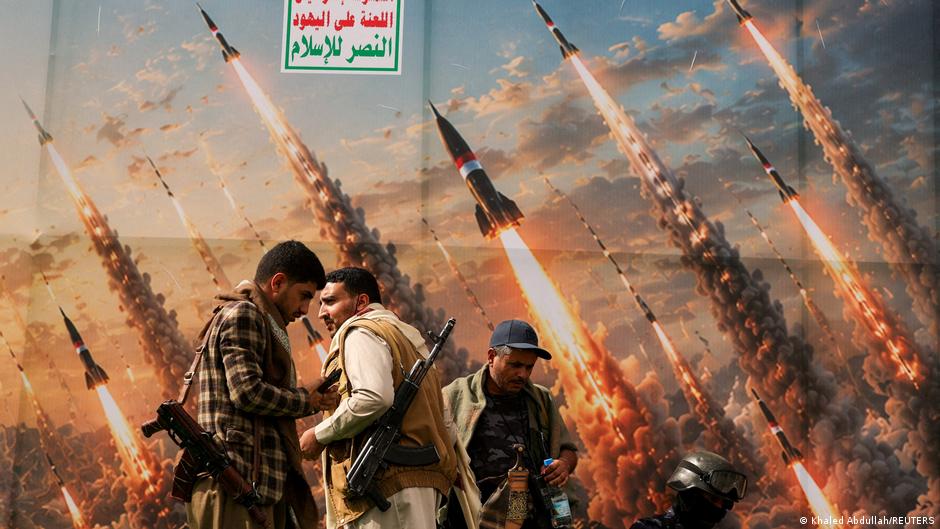
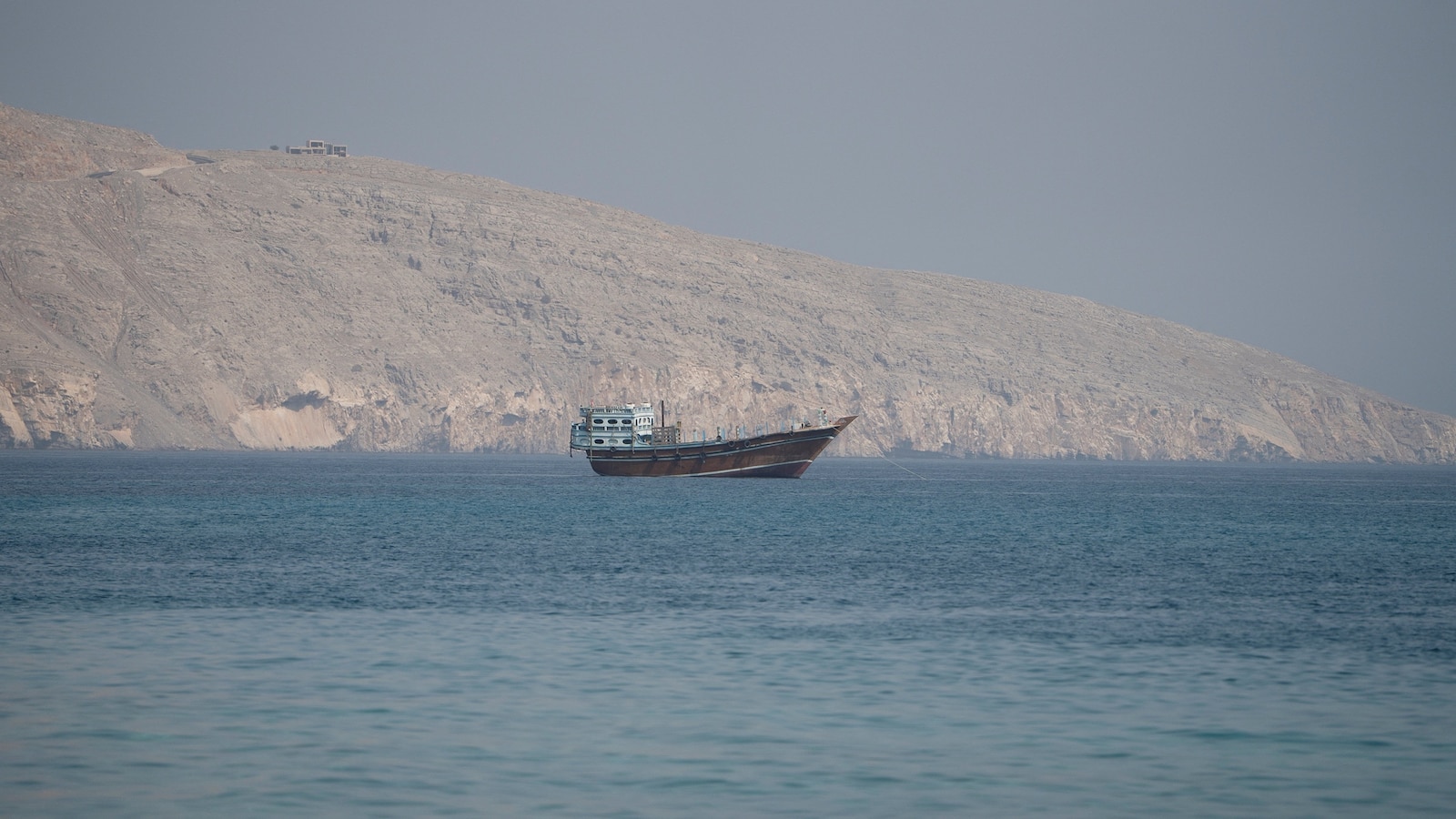
On Monday, Yemen's Iran-backed Houthi militia attacked another crude oil tanker in the Red Sea off the coast of Saudi Arabia.
asserted
militia → back → Arabia
The attack followed earlier strikes on Saudi oil infrastructure and other ships in the nearby Bab el-Mandeb Strait.
asserted
attack → follow → Strait
The waterway connects the Red Sea with the Gulf of Aden and has served as an alternative route for oil exports from Saudi Arabia and other Gulf countries affected by Iran's ongoing blockade of the Strait of Hormuz.
asserted
waterway → connect → Hormuz
In August, the Houthis also attacked areas under the control of the Saudi-backed Yemeni government, particularly the port city of Mokha.
asserted
Houthis → attack → Mokha
Yemen's internationally recognized government targeted Houthi infrastructure in response.
asserted
government → recognize → response
"Mokha overlooks the Red Sea and Bab el-Mandeb Strait, which is strategically important to the Houthis," Hisham Al-Omeisy, a Yemeni conflict analyst, told DW.
asserted
Omeisy → overlook → DW
"In the long term, the Houthis want to weaken the government's control over the Red Sea coastal areas and they aim for full control of the governate Al-Hudeydah [of which Mokha is a part] to continue their strategy of exerting pressure on global maritime trade," he predicted.
asserted
he → want → trade
The current military flare-up ended four years of relative calm between the Houthis and Yemen's internationally recognized government, backed by Saudi Arabia.
asserted
up → end → Arabia
However, Al-Omeisy notes that there are also two other aspects that drive the latest Houthi strategy.
asserted
that → note → strategy
Following the ceasefire in 2022, Saudi Arabia has continued to support the Yemeni government financially and militarily.
asserted
Arabia → follow → government
Saudi Arabia also never fully lifted its air and port blockades in areas under Houthi control.
asserted
Arabia → lift → control
Despite this, the Houthis consolidated their position as Yemen's de facto rulers.
asserted
Houthis → consolidate → rulers
In Al-Omeisy's view, the Houthis now hope to extract additional concessions from Saudi Arabia.
asserted
Houthis → hope → Arabia
"The Houthis are under a lot of pressure locally to deliver on their promises, for example, to reform the government, pay salaries and improve livelihoods," Al-Omeisy said.
asserted
Omeisy → deliver → livelihoods
He therefore believes that the Houthis are using the wider Middle East war to distract from their failure to deliver in these areas by "saying that we are now busy with another war.
asserted
we → believe → war
"
The Houthi strikes are also carefully timed, Al-Omeisy added.
asserted
Omeisy → time → ?
"They've learned their lessons from how Iran managed to basically dominate the Strait of Hormuz," he said, adding that the blockade of imports and oil exports leaves Saudi Arabia in a very vulnerable position.
asserted
blockade → learn → position
Saudi Arabia's balancing act with the Houthi militia
"Instability in Yemen is no longer simply a problem on Saudi Arabia's southern border," Alice Gower, director of geopolitics and security at the London-based consulting firm Azure Strategy, told DW.
asserted
Gower → base → DW
"Ultimately, Saudi Arabia wants a more secure Red Sea, but also wants to achieve that without becoming trapped in another war in Yemen," she added.
asserted
she → want → Yemen
"Saudi Arabia's priority is protecting the economic transformation under Vision 2030 which also explains why Saudi Arabia increasingly sees the Red Sea as one connected theater rather than separate crises in Yemen, Sudan and the Horn of Africa," Gower said, noting that Houthi attacks threaten shipping, raise insurance costs, deter investors and disrupt the infrastructure on which Vision 2030 increasingly depends.
asserted
2030 → protect → which
In turn, Saudi Arabia has updated its defense policy, she also noted in a recent op-ed.
asserted
she → update → ed
"Riyadh has been focusing on building a broader security architecture that could reduce the burden of defending its maritime interests."
uncertain
that → focus → interests
Earlier in July, Saudi Arabia spearheaded the creation of a multinational Maritime Defense Alliance with more than 14 countries, including Saudi Arabia's strong ally and Iran's adversary, the United States.
asserted
Arabia → spearhead → ally
"The new Saudi-led maritime coalition is part of that approach as it allows Riyadh to spread the security burden, strengthen regional deterrence and counter threats across the Bab el-Mandeb, Red Sea and Gulf of Aden as part of the same security problem," Gower said, adding that it is yet to be proven to be effective.
asserted
it → lead → problem
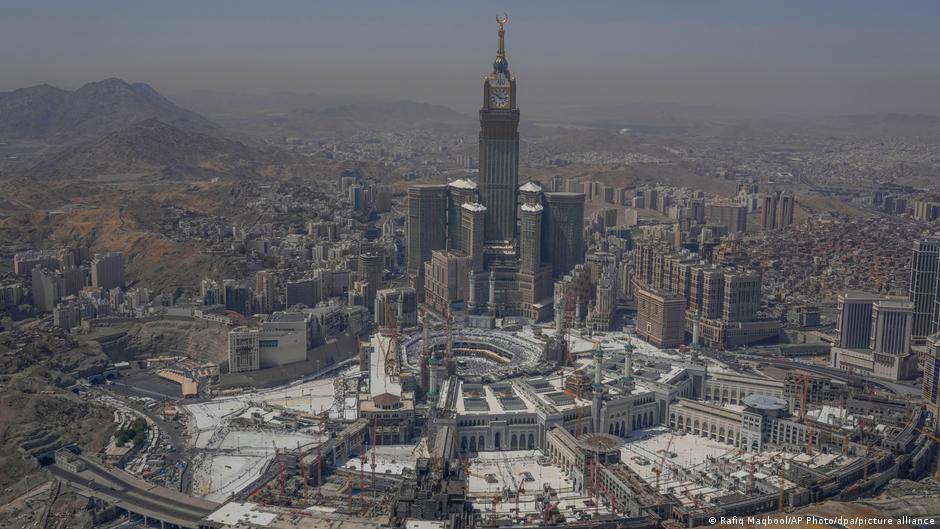
In August, Saudi Arabia also joined a defense pact with Pakistan and Turkey, the Mecca Joint Defence Agreement.
asserted
Arabia → join → Pakistan
However, analysts again point out that this new pact is yet to show "operational relevance."
asserted
pact → point → relevance
For Mohammed al-Basha, founder of the US-based risk advisory firm Basha Report, none of these coalitions and alliances will actually help Saudi Arabia avoid being dragged back into war in Yemen.
asserted
Arabia → base → Yemen
In an interview with the Financial Times newspaper he said that "they either give the Houthis $5 billion and allow them to fly directly to Tehran, allow them to dock any ship at their ports, and hope they are not going to come back in a few years and ask for $10 billion…or you use that $5 billion to support your anti-Houthi coalition of Yemenis to push the Houthis to get down from their high horse and negotiate."
asserted
you → say → horse
Humanitarian situation depends on a peaceful roadmap
For the population, neither of these scenarios spell hope for real peace.
asserted
neither → depend → peace
According to the United Nations, Yemen is still suffering from one of the world's worst humanitarian crises after years of war between 2014 and 2022.
uncertain
Yemen → accord → 2014
"I urge all parties to halt immediately any actions that risk returning Yemen to full-scale conflict," the UN high commissioner for human rights Volker Türk warned in a recent statement.
asserted
commissioner → urge → statement
"It feels impossible to imagine worse conditions for people in Yemen right now," Niku Jafarnia, Yemen researcher at Human Rights Watch, told DW.
asserted
Jafarnia → feel → DW
"And yet, renewed conflict between the Houthis and the Saudi-led coalition threatens to worsen conditions further," she warned.
asserted
she → renew → conditions
With Yemen's humanitarian crisis already so severe, the question is whether the latest escalation in Yemen can still be contained through diplomacy.
asserted
escalation → contain → diplomacy
For the Yemeni Nobel Peace Prize laureate and human rights defender Tawakkol Karman, any serious peace effort must begin by addressing the root cause of the crisis: the collapse of the Yemeni state and the undermining of its institutions.
asserted
effort → begin → institutions
In a recent meeting with representatives of UN Security Council member states, Karman said that in her view, the National Dialogue outcomes — reached through consensus among all Yemeni components including the Houthis, under UN auspices and with the endorsement of the Security Council — remain the most realistic roadmap for peace.
asserted
outcomes → say → peace
 The Aporia