Survey finds US public opinion shifting in favour of engagement with China

Read the original at South China Morning Post ↗
South China Morning Post · collected 2026-09-21 · by Mark Magnier

Quick Summary

A recent survey by the Chicago Council on Global Affairs indicates a shift in US public opinion towards more engagement with China, viewing Beijing as less threatening than before. Conducted ahead of a summit between Presidents Trump and Xi Jinping, the poll shows that 57% of Americans now favor engaging with China, marking an increase from previous lows but still below the high of 68% recorded in 2019. This trend reflects a continued partisan divide on how to approach relations with China.
Written locally by qwen2.5:14b on 2026-09-21, using this article's own text rather than the other coverage of the same event (that is the story summary below).

AI analysis runs on qwen2.5:14b, locally

Story summary

A recent Chicago Council on Global Affairs survey indicates a shift in US public opinion, with 57% of respondents now favoring engagement with China, marking an increase since views hit an all-time low in 2024. This is the highest level seen since the Covid-19 pandemic period in 2020. The poll, conducted on the eve of a summit between US President Donald Trump and Chinese President Xi Jinping, also showed that fewer Americans view Beijing as a threat compared to previous years. However, there remains a significant partisan divide, with 40% still supporting measures to limit China's power. Craig Kafura, the Council’s public opinion director, noted that if Americans were truly hawkish on China, it could negatively impact stability.


Written for “US Public Opinion on China” on 2026-10-05, grounded in this article and the 0 other(s) covering the same event.

Signals How these are calculated →

Claims extracted
7
claim-shaped sentences
Uncertain
14%
1 of 7 hedged
Leaning
Leans left
of the writing, not the subject · beta estimate
Correction & hedging signals
66.7
corrections and hedging in what we collected; not a measure of accuracy
Outlets on this story
1
Politics
Narrative spread
1
articles carrying this framing
Analyzed 2026-09-21 · how these are computed

Story

📰 US Public Opinion on China
Politics · 1 article(s) covering the same event.

How this is being covered How these are calculated →

Article leaning vs. publisher reliability
Source leaning vs. consistency

Compared with similar articles

This article reads leans left and hedges 14% of its claims. Each row says how that neighbour differs.
Semafor
⚖️ Leans left 🔴 0% hedged 0 of 4 📰 publisher trust 95
“The articles discuss different aspects of the relationship between the US and China but do not describe the same specific event.”
South China Morning Post
⚖️ Leans left 🔴 0% hedged 0 of 5 📰 publisher trust 67
“The articles describe different surveys and findings regarding public opinion towards China, one focusing on AI regulation trust across middle-income countries and the other on US public opinion toward engagement with China.”
ABC News (US)
⚖️ leaning not scored 🔴 10% hedged 2 of 21 📰 publisher trust 59
“The articles discuss different aspects related to US-China relations but describe distinct events: one is about shifting public opinion on engagement with China, while the other concerns lawmakers urging Trump to address Chinese support for Iran during a summit.”
Toronto Star
⚖️ leaning not scored 🔴 34% hedged 13 of 38 📰 publisher trust 63
“The articles discuss different aspects of US-China relations and do not describe the same specific event or meeting.”
The Straits Times
⚖️ leaning not scored 🔴 19% hedged 11 of 57 📰 publisher trust 59
“While both articles discuss US-China relations and a meeting between Trump and Xi Jinping, they describe different aspects or contexts around the broader topic of the summit rather than the same specific incident.”
The Guardian
⚖️ leaning not scored 🔴 19% hedged 11 of 59 📰 publisher trust 60
“The articles discuss different aspects related to US-China relations and summits but do not describe the same specific incident or occurrence.”
South China Morning Post
⚖️ leaning not scored 🔴 0% hedged 0 of 5 📰 publisher trust 67
“The articles discuss different aspects of US-China relations and do not describe the same specific incident or occurrence.”
South China Morning Post
⚖️ Leans left 🔴 25% hedged 2 of 8 📰 publisher trust 67
“Article A discusses a survey on public opinion towards China, while Article B focuses on the upcoming Xi-Trump summit and their agreement to work towards 'constructive strategic stability'.”
CBC News
⚖️ leaning not scored 🔴 3% hedged 1 of 32 📰 publisher trust 77
“The articles discuss related topics regarding U.S.-China relations but describe different aspects of the relationship and do not focus on the same specific incident.”
South China Morning Post
⚖️ Leans left 🔴 50% hedged 2 of 4 📰 publisher trust 67
“The articles discuss different phases or aspects of US-China relations, with Article A covering public opinion before a summit and Article B analyzing the outcomes and implications of the actual summit.”

Publisher

South China Morning Post · 1670 article(s) · 4 correction(s) detected
Running correction rate · 4 correction(s)
2026-10-04
Flight to Okinawa diverts back to Hong Kong after suspected landing gear fault
2026-10-04
Tennessee prisons chief resigning after botched execution of Christa Pike
2026-09-29
Indonesian prison chief suspended over secret VIP compound for inmates
2026-09-28
Trump ‘arms offer’ to China jolts Washington into moves to contain the fallout

Who wrote this

Mark Magnier
9 article(s) here · 1 carrying a prediction
🔮 He pauses as if willing offers from thin air, scanning dozens of in-person buyers and phone banks connecting with China, London, Texas.
2026-10-03 · assertive framing · Chinese art takes long march home from US museums
🔮 China touts multilateralism and growing soft power even as Beijing gives greater weight to its relationship with Washington Han Zheng, China’s vice-president, called on “major countries” to respect the sovereignty and security of Middle Eastern nations and bring about a two-state solution for the “Palestinian question” on Saturday at the UN General Assembly (UNGA) in an implicit dig at the US and Israel. “Many months ago, Chinese officials said that Xi wouldn’t go to the UN unless it was to mark a major anniversary,” said Bonnie Glaser, managing director of the German Marshall Fund of the United States.
2026-09-26 · assertive framing · Why Xi Jinping skipped the UN after his Trump summit
🔮 “If Americans were really hawkish on China, I think that would bode poorly for stability.”
🔮 When the presidents of the United States and China meet in Washington, the world will be watching to see whether their two countries can make good on their agreement to work towards “constructive strategic stability”.
🔮 “Let the message to the IRGC be clear: If you shoot at two of our ships, we will impose an even higher economic cost — taking out three of yours,” said Admiral Brad Cooper, CENTCOM’s head.
Also by Mark Magnier
Chinese art takes long march home from US museums
2026-10-03 · South China Morning Post
Why Xi Jinping skipped the UN after his Trump summit
2026-09-26 · South China Morning Post
Nothing else under this byline is closely related to this article, so these are simply their most recent.
All 9 articles by Mark Magnier →

Topics

Americans Beijing Chicago Council on Global Affairs China Council

Subjects

China GPE · 5× Americans NORP · 4× Beijing GPE · 2× Chicago Council on Global Affairs ORG · 2× Council ORG · 2× Chinese NORP · 1× Craig Kafura PERSON · 1× Donald Trump PERSON · 1× Taiwan GPE · 1× Xi Jinping PERSON · 1×

Narrative

The survey found that 57 per cent of Americans favoured engaging with China, an increase from the all-time low in 2024 and the highest result in Council polling since 2020 during the Covid-19 pandemic.
framing: assertive · carried by 1 article(s) · first seen 2026-09-21
🔮 “If Americans were really hawkish on China, I think that would bode poorly for stability.”
2026-09-21 · South China Morning Post
Survey finds US public opinion shifting in favour of engagement with China · assertive framing

Claims (7 extracted, 1 hedged)

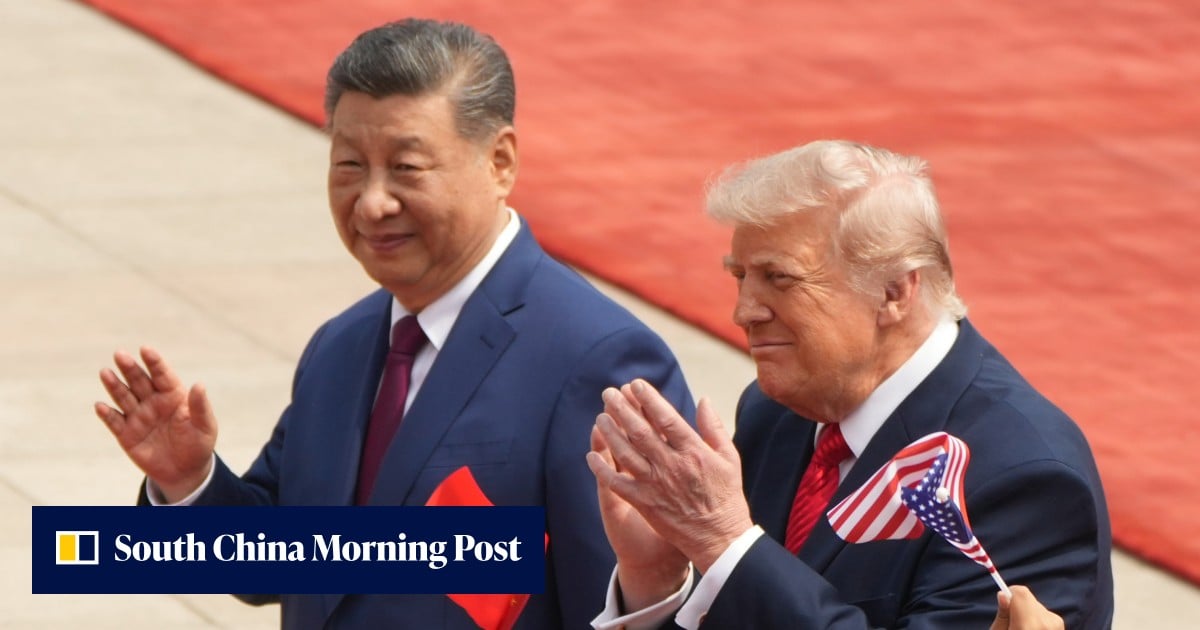
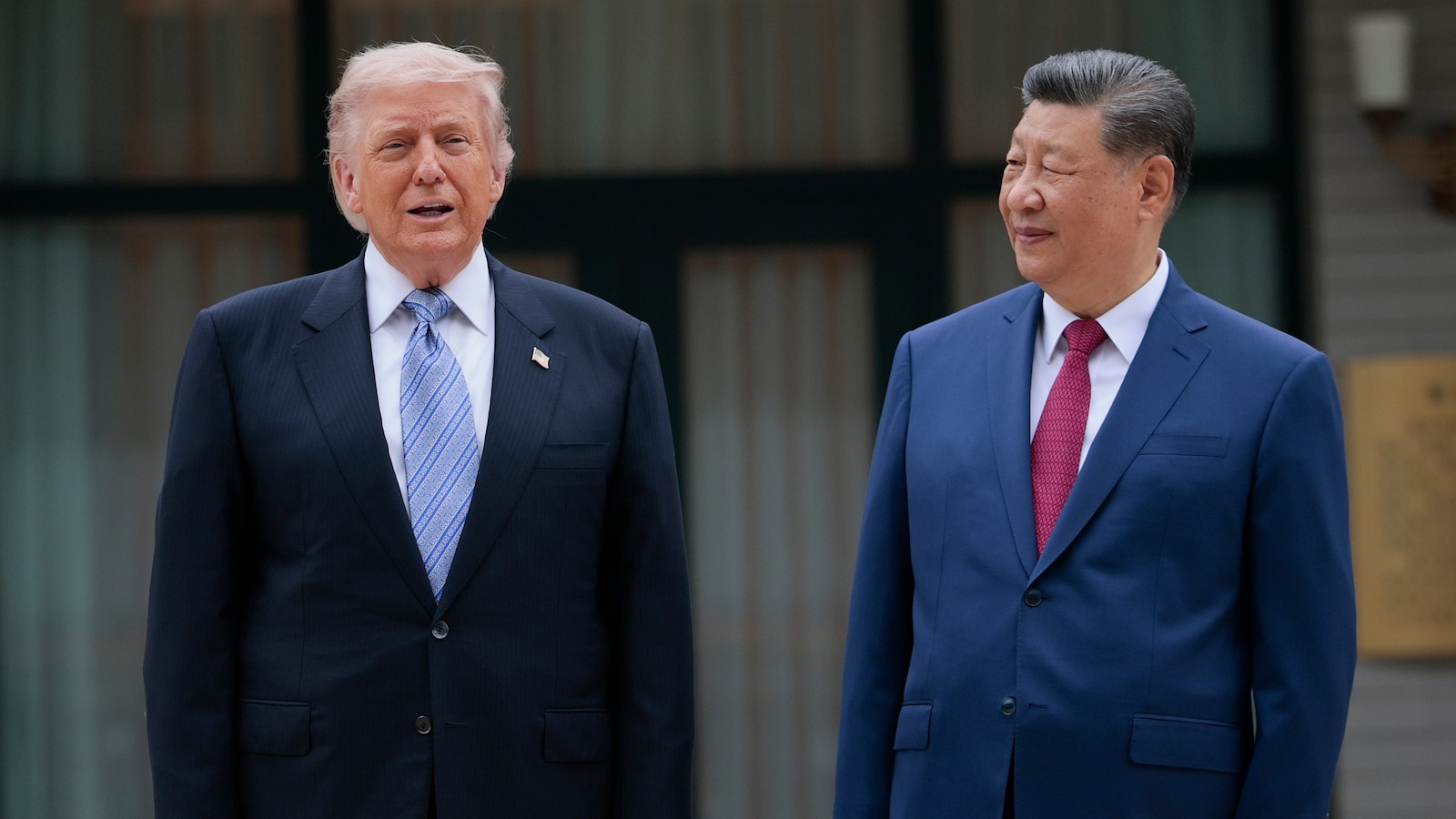
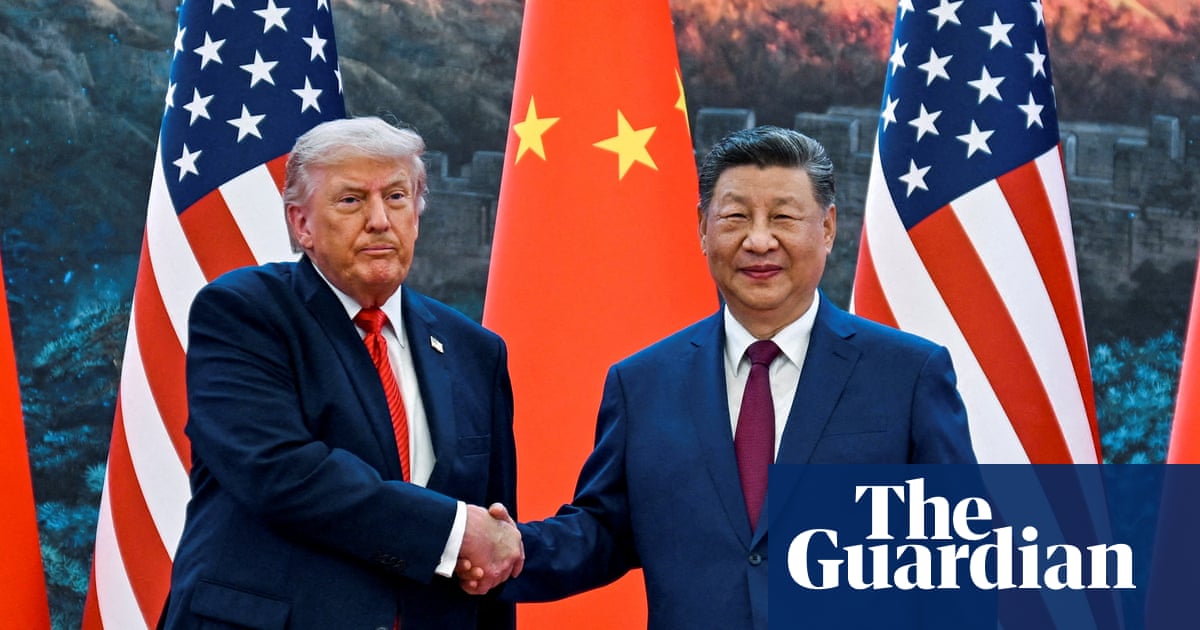
Survey finds US public opinion shifting in favour of engagement with China Beijing seen as less of a threat in Chicago Council on Global Affairs survey, although a partisan divide exists On the eve of this week’s summit between US President Donald Trump and Chinese President Xi Jinping, Americans feel better about China, according to a poll released on Monday. uncertain
Americans → find → Monday
They see Beijing as less of a threat, are less supportive of Taiwan and are more likely to favour engagement over containment than last year or in 2024, when views hit an all-time low. asserted
views → see → low
As with almost everything in the US these days, the Chicago Council on Global Affairs survey revealed a partisan divide. asserted
survey → reveal → divide
And while the views expressed were less hawkish than in recent years, 40 per cent of Americans still supported limiting China’s power. asserted
cent → express → power
“There’s not a bipartisan consensus among the public in favour of a competitive containment approach,” said Craig Kafura, the Council’s public opinion and foreign policy director. asserted
Kafura → ’ → approach
“If Americans were really hawkish on China, I think that would bode poorly for stability.” asserted
that → think → stability
The survey found that 57 per cent of Americans favoured engaging with China, an increase from the all-time low in 2024 and the highest result in Council polling since 2020 during the Covid-19 pandemic. asserted
cent → find → pandemic
💬Give feedback
🕘History 🎫Support