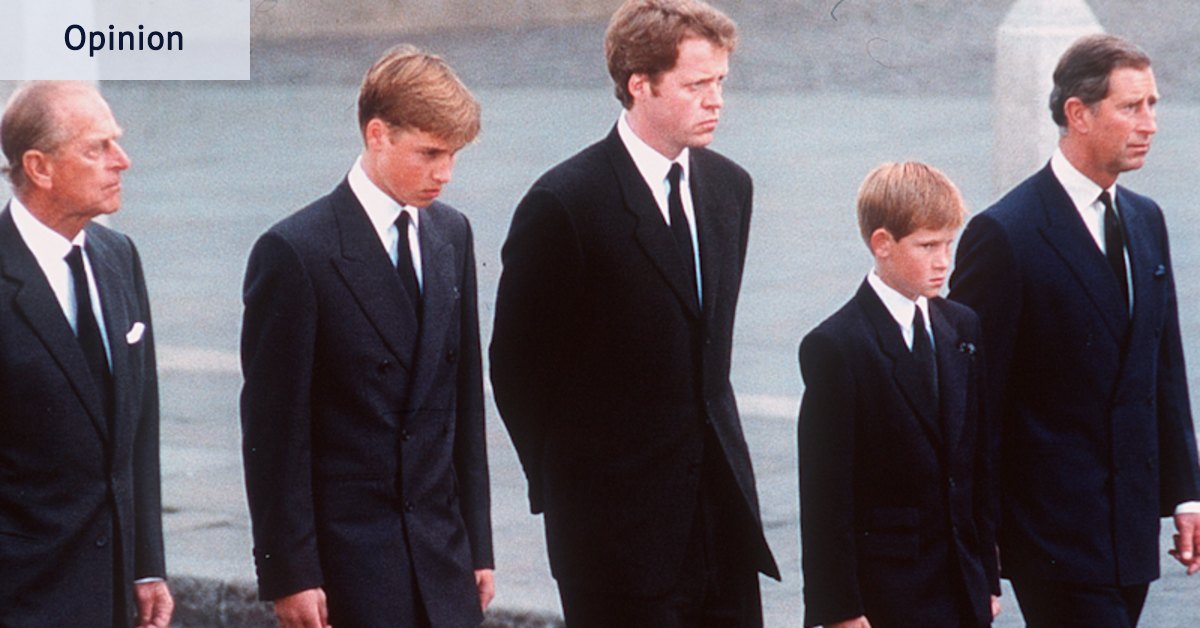
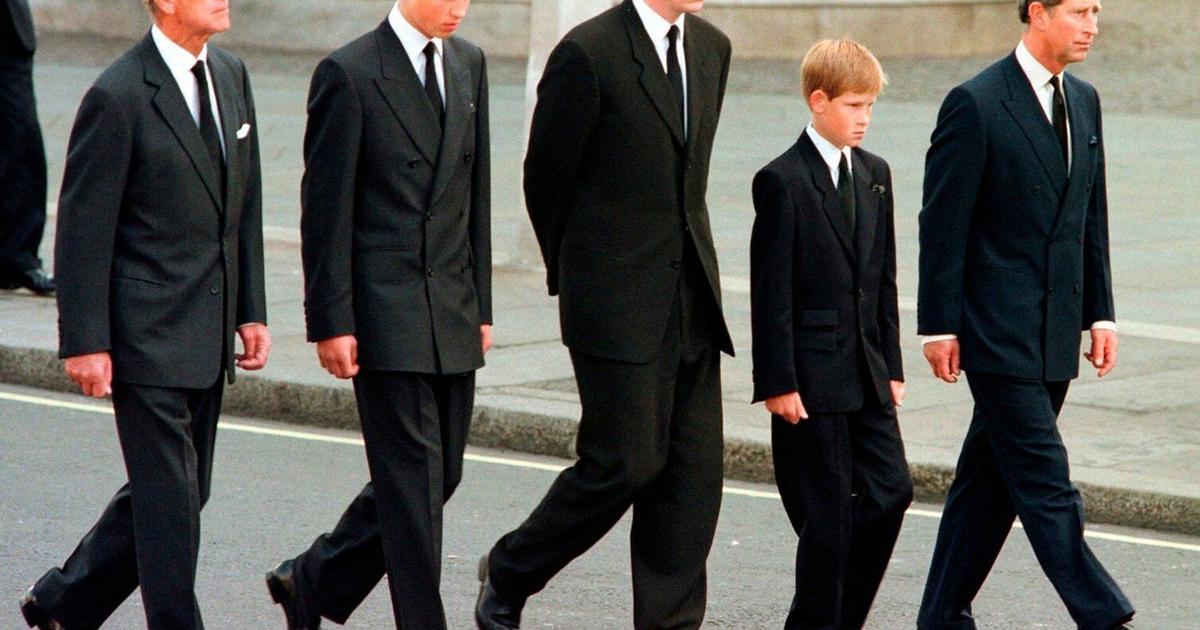
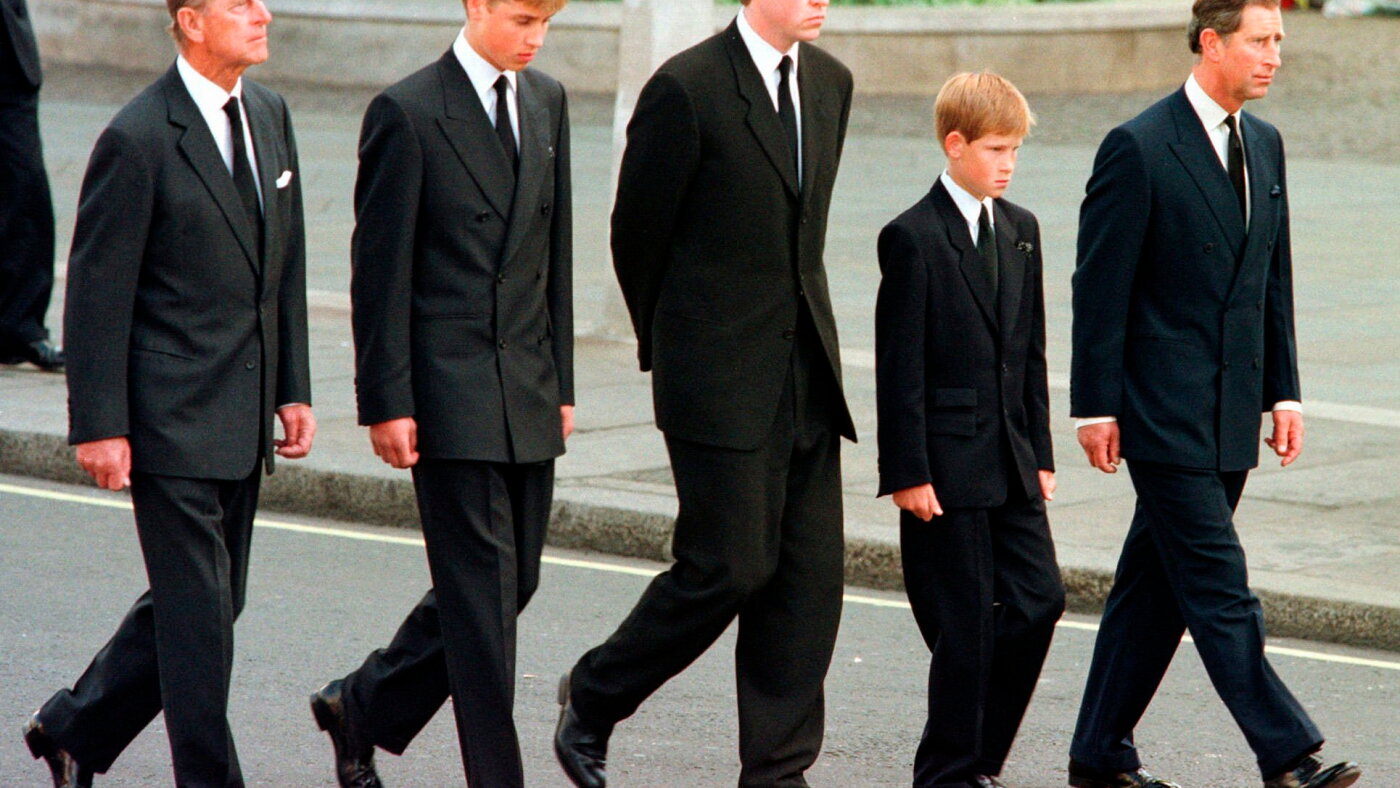
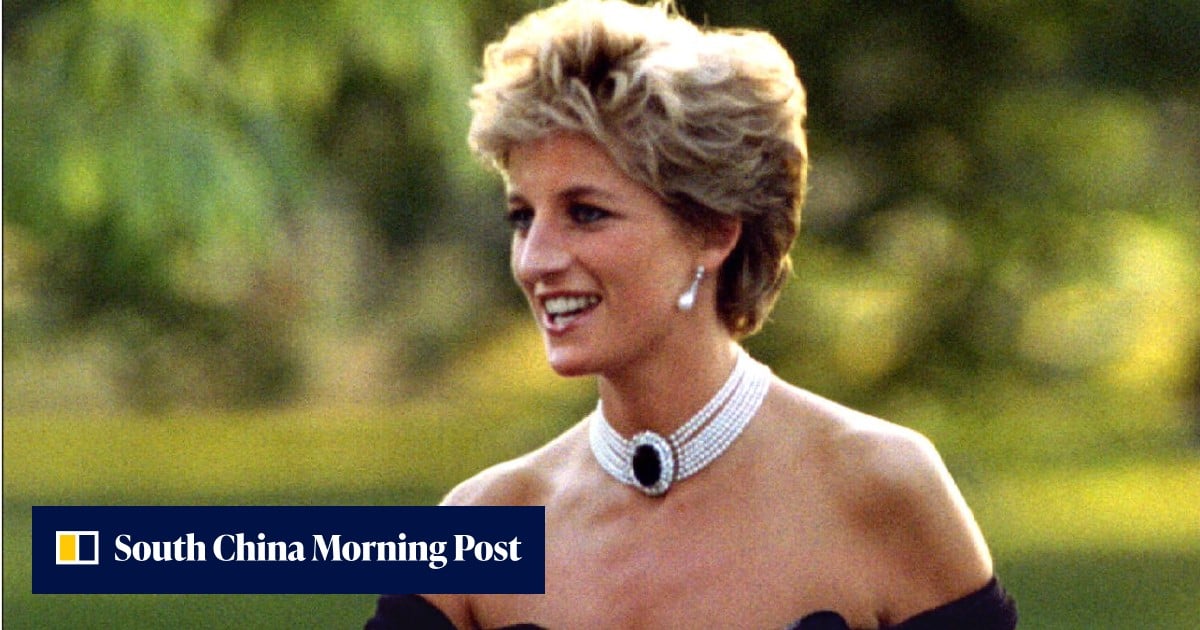
Charles Spencer, Princess Diana's brother, criticizes Prince Charles in his new book "Swan Song: Diana, My Sister," for insisting that then-teenagers Prince William and Harry walk behind their mother’s funeral cortege. During a heated exchange, Spencer called the idea “barbaric,” while Charles defended it as tradition. The article supports Spencer's stance, highlighting how this public display of grief was traumatic for the young princes, echoing their own later recollections of the event as profoundly difficult and painful.
Written locally by qwen2.5:14b on 2026-09-21,
using this article's own text rather than the other coverage of the
same event (that is the story summary below).
Story summary
Experts suggest that Earl Spencer felt a duty to write his memoir about Diana's life. In the book, he makes explosive claims against King Charles, alleging that shortly after Princess Diana’s death in 1997, then-Prince Charles said "we’ll forget her soon enough." This prompted Buckingham Palace to issue a statement saying His Majesty is mindful that fraternal grief can cloud judgment and reason.
Spencer accused the king of gaslighting him when the palace responded by questioning his recollections. He called the palace's defense a "rather poor imitation" of how Queen Elizabeth II handled similar allegations from Prince Harry in their Oprah interview.
The book also includes details about an alleged row over Diana’s funeral arrangements where King Charles reportedly went ballistic, criticizing Spencer's family for not fulfilling their duties adequately enough. Buckingham Palace did not comment on the specifics of these claims but suggested that grief could affect memory accuracy over time.
Earl Spencer told BBC he wanted to put down truths before it was too late due to his awareness of mortality. He added that there are other facts about King Charles he chose not to include in the book, deeming them irrelevant.
Written for “Diana Controversies Royal Family” on 2026-10-05,
grounded in this article and the 92 other(s) covering the same event.
Next year will mark the 30th anniversary of the death of Princess Diana but still it makes headlines.
asserted
it → mark → headlines
The latest furore is about her brother Charles Spencer – he of the Westminster Abbey eulogy – who has written a new book called Swan Song: Diana, My Sister.
asserted
who → write → book
The big reveal is a heated conversation (actually it sounds more like a full-blown row) between Spencer and the then-Prince Charles over whether or not the young princes, William and Harry, should walk behind their mother’s funeral cortege.
asserted
princes → sound → cortege
The book says that, during the row, Spencer said the idea was “barbaric” while the King said he had walked behind the gun carriage at Lord Mountbatten’s funeral and that it was tradition.
asserted
it → say → funeral
Spencer apparently riposted that Charles had been 30 when Mountbatten died (in 1979) and it wasn’t the same.
asserted
it → riposte → 1979
And the King “went nuts”.
asserted
King → go → ?
I have to say I agree with Spencer.
asserted
I → have → Spencer
Whatever you think of Princess Diana’s brother (and he’s certainly a colourful piece of work with many alleging he has written this book to raise cash for his latest divorce) he was right about the boys.
asserted
he → think → boys
What empathy-free monsters ever thought it was appropriate for children of 15 and 12 to have to walk so publicly, so far, in the glare of the entire global media, when their beloved mother had just died unexpectedly in a car accident?
asserted
mother → think → accident
The death of a parent in early adolescence is traumatic enough anyway, without that deep personal grief having to be performed (and contained) in front of hundreds of millions of people.
asserted
grief → have → people
Prince Harry says in his memoir Spare how traumatic it was.
asserted
it → say → memoir
He told Newsweek in 2017: “I don’t think any child should be asked to do that, under any circumstances.
asserted
child → tell → circumstances
I don’t think that would happen today”.
asserted
that → think → ?
Prince William is much more stiff upper lip, but he has said that he felt completely numb and disorientated and described Diana’s death as “an earthquake which split my mind and life”.
asserted
which → say → mind
Of the walk behind the coffin specifically, he said: “It wasn’t an easy decision” – an oblique reference to the rows that surrounded it, perhaps – “and it was sort of a collective family decision to do that.
asserted
it → say → that
It was one of the hardest things I have ever done, but there was this element of duty and responsibility that you have to do things you don’t want to do”.
asserted
you → do → things
Both boys have also talked of the overwhelming pressure they felt not to cry in public.
asserted
they → talk → public
Spencer was right to call it “barbaric”.
asserted
Spencer → call → it
We shouldn’t be surprised that those tumultuous events continue to reverberate down the decades; I expect that they will echo down the centuries.
asserted
they → continue → centuries
The tragedy of Diana’s hounding by the paparazzi, our collective insatiable curiosity about her life and the tawdriness of her death at 36 in a Mercedes driven by a drunk chauffeur in the employ of an alleged sex-criminal (Mohamed Fayed), is a saga for the ages.
asserted
tragedy → drive → ages
But even if it hadn’t been so public, losing a parent so young is the kind of blow that defines your life, whether you are prince or pauper.
asserted
you → lose → life
William has spoken about the pain of not having his mother around to see his own children grow up.
asserted
children → speak → mother
(How he must have felt when his wife, Catherine, had cancer and his children faced losing their own mother at a young age doesn’t bear thinking about... Poor William.)
asserted
children → feel → age
And it is clear to all of us that Prince Harry is still acting out the trauma of losing his mum so young.
asserted
Harry → act → mum
It is there in his terror of something awful happening to his own wife or children, expressed in his ongoing rows with the authorities over security and press coverage.
asserted
something → happen → security
Decisions have to be made while emotions are running high.
asserted
emotions → have → ?
Grief makes people irrational – their normal boundaries have been breached; we are oversensitive and not as tolerant of the foibles or perspectives of others as we might usually be.
uncertain
we → make → others
It is incredibly easy, in such a situation, to say something we later regret.
asserted
we → say → something
And all families have their undercurrents and unspoken tensions, particularly between siblings and in-laws.
asserted
families → have → siblings
Funerals bring out the best, but also the worst in us.
asserted
Funerals → bring → us
I don’t know a single family who hasn’t experienced some kind of row or tension around a funeral – whether it’s over who should speak, how it should go, who should do what, who pays, and whether it’s what the departed would have wanted (too many of us haven’t had that conversation while we could…)
Cruse, a bereavement support service, says such rifts and troubles around a death are all too common.
uncertain
rifts → know → death
Sometimes how we feel about the deceased is uncomplicated: we totally loved them, we totally didn’t.
asserted
we → feel → them
But often we are ambivalent (like Prince Charles, who, according to Spencer, was furious that Diana had eclipsed him).
uncertain
Diana → accord → him
In death, ambivalence hits you in the face like stepping on a rake – wham!
asserted
ambivalence → hit → rake
When someone dies there is no longer any time to work out your difficulties; those tricky emotions have nowhere to go.
asserted
emotions → die → nowhere
We’re sad, we’re angry about things that have happened and we have nowhere to put those feelings.
asserted
we → ’re → feelings
So they get projected on to other family members.
asserted
they → project → members
This is particularly true in our Western, uptight culture where we don’t have a tradition of howling our collective grief together, or banging our chests in outlandish communal displays of emotion.
asserted
we → have → emotion
The funeral arrangements, or arguments over money, become the outlet instead.
asserted
arrangements → become → money
Given the immensity of what happened with Princess Diana it is not surprising emotions still run hot.
asserted
emotions → give → Diana
…and 2 more, not listed.
 The Aporia