That is 0 articles you have read today.
The Aporia is free and carries no advertising, so readers are the only
thing paying for it. If you are getting this much out of it, a small
donation is what keeps it independent.
Daily limit reached
You have read 0 articles today.
That is more than the 15 a day The Aporia gives away,
and well past what it can carry on nothing. Your allowance resets at
midnight.
There is no advertising here and nothing about you is sold, so readers
are the only thing paying for it. If the site is worth this much of
your day, it is worth a few dollars.
Everything else stays open: the
maps, the
directory and
search do
not count against this, and neither does re-opening something you have
already read today.
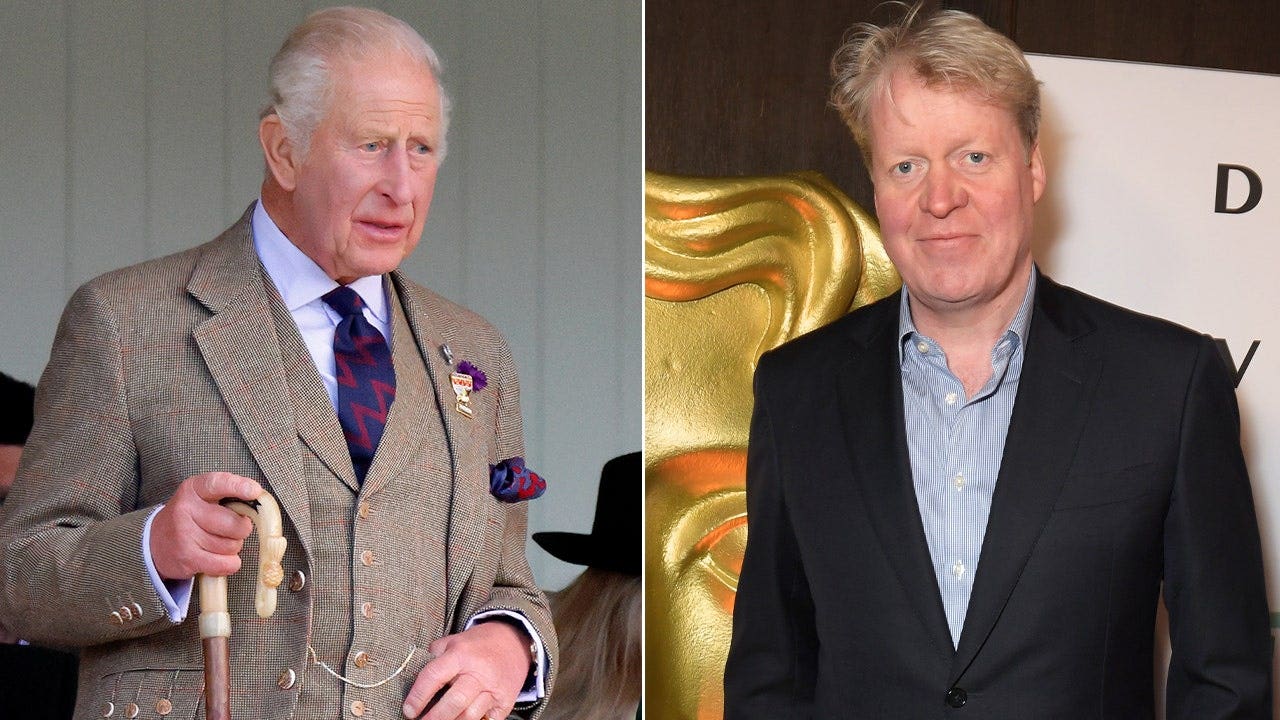
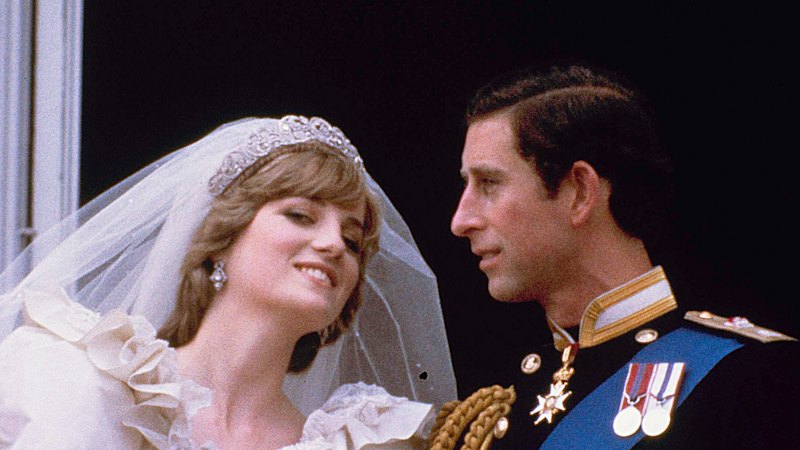
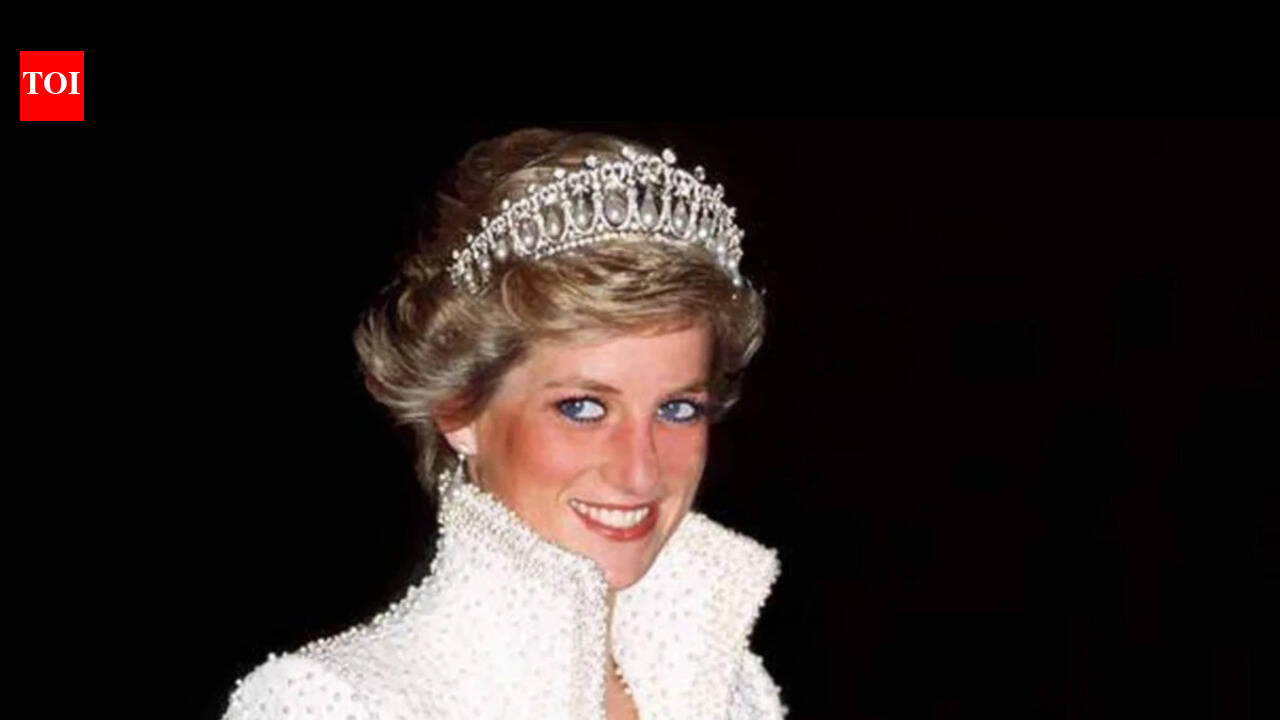
Earl Spencer claims in his memoir serialised by the Daily Mail that Prince Charles said "we’ll forget her soon enough" about Princess Diana shortly after her death in 1997. Buckingham Palace denied these allegations, stating that the pain of grief can distort memory and judgment. The dispute centers around funeral arrangements where William and Harry were to walk behind their mother’s coffin, which Earl Spencer opposed as he believed it was not what Diana would have wanted.
Written by the local model on 2026-09-17,
using this article's own text rather than the other coverage of the
same event (that is the story summary below).
Claims extracted
13
claim-shaped sentences
Uncertain
23%
3 of 13 hedged
Leaning
Leans right
of the writing, not the subject
Correction & hedging signals
71.4
corrections and hedging in what we collected;
not a measure of accuracy
Outlets on this story
9
Politics
Narrative spread
1
articles carrying this framing
Story summary
Charles Spencer, Diana's brother and the ninth Earl Spencer, has alleged in his upcoming memoir "Swan Song: Diana, My Sister" that just days after Princess Diana’s death on September 8, 1997, he received a phone call from then-Prince Charles who told him, “rest assured, we’ll forget her soon enough.” This claim is made amid disputes over funeral arrangements for the princess, including whether Princes William and Harry, aged 15 and 12 at the time, should walk in their mother's funeral procession. Earl Spencer insisted Diana would not have wanted her young sons to endure such a public ordeal. In response, Buckingham Palace issued a statement saying Charles is "mindful that the pain of fraternal grief can cloud reason, affect judgment and colour memory," without directly addressing the specific claim but indicating it could be influenced by the passage of time.
Written for “Charles Diana Claims” on 2026-09-17,
grounded in this article and the 8 other(s) covering the same event.
Why this leaning score
The article's own words the score was based on. Each is quoted
verbatim and was checked against the article text before being
stored, so you can find it in the original.
Leaning score +0.35 for article 14631 (high confidence, 1 verified quote) · logged 2026-09-17
It is alleged that just days after Diana’s death in 1997, Charles, who was then the Prince of Wales, told her brother “rest assured, we’ll forget her soon enough” during a discussion about arrangements for the funeral in which Prince William and Prince Harry, then aged 15 and 12, walked behind their mother’s coffin.
asserted
William → allege → coffin
In response to the claims, made in a memoir of Diana’s brother Earl Spencer which is being serialised in the Daily Mail, a Buckingham Palace spokesman said Charles is “mindful that the pain of fraternal grief can cloud reason”.
uncertain
pain → make → reason
The statement reads: “While we do not comment on books as a matter of principle, His Majesty is mindful that the pain of fraternal grief can cloud reason, affect judgment and colour memory in ways others do not recognise, even many years after such a loss.”
asserted
others → read → loss
Charles is said to have made the comments about his ex-wife in a row over funeral preparations and to have questioned the Spencer family’s sense of duty.
asserted
Charles → say → duty
The Earl says he insisted to the then Prince of Wales that Diana would not have wanted her young sons to have made the difficult public walk, it is claimed.
asserted
it → say → walk
According to the newspaper, Earl Spencer says the book – Swan Song: Diana, My Sister – has been written to correct “untruths” told about his older sister, who died in a Paris car crash in August 1997.
uncertain
who → accord → August
According to a book excerpt, one of Queen Elizabeth II’s senior aides told him that William and Harry were to walk in the procession, prompting the Earl to state “that’s not going to happen”.
uncertain
that → accord → Earl
Charles called minutes later and told him that 18 years earlier he had walked in the funeral procession of his great-uncle, Lord Mountbatten, it is claimed.
asserted
it → call → uncle
The Earl pointed out that Charles had been 30 at the time of Lord Mountbatten’s funeral in 1979.
asserted
Charles → point → 1979
“I assumed the pause signalled an effort to bring himself under control, but then he unleashed down the phone what I have always taken to be his pent-up contempt for Diana, and his horror that the world was so bowled over by her death.
asserted
world → assume → death
‘Rest assured’, he hissed, ‘we’ll forget her soon enough!’”
asserted
we → rest → her
The Earl says he then hung up the phone.
asserted
he → say → phone
William, Harry, Charles, Prince Philip and the Earl walked behind Diana’s coffin in a funeral procession through central London to the funeral service at Westminster Abbey.
Read More
The Earl then delivered a passionate eulogy at Diana’s funeral, pledging the princess’ “blood family” would protect William and Harry “so that their souls are not simply immersed by duty and tradition, but can sing openly as you planned”.
asserted
you → walk → duty
 The Aporia