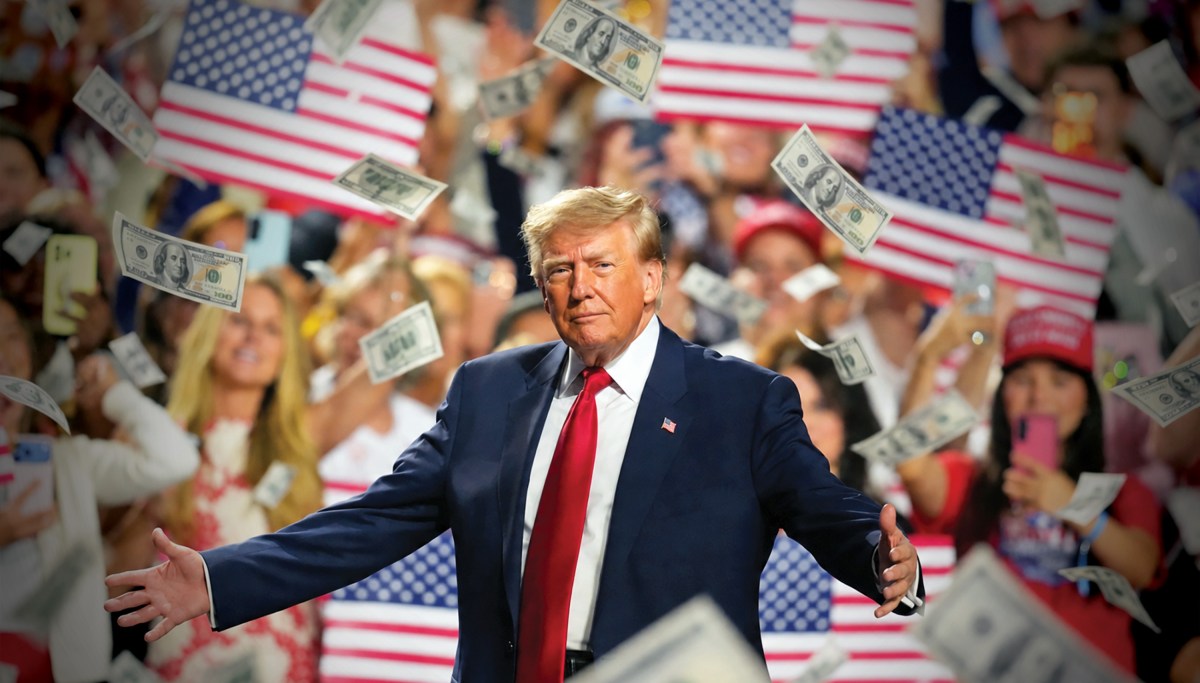
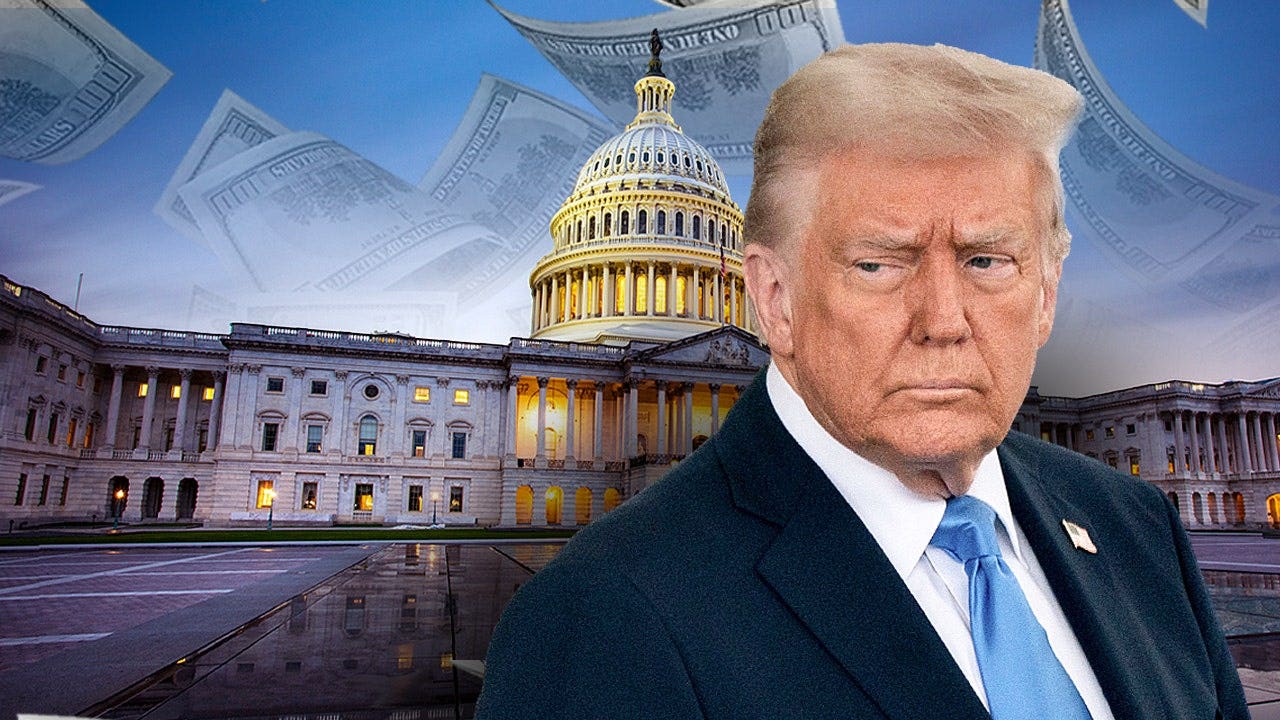
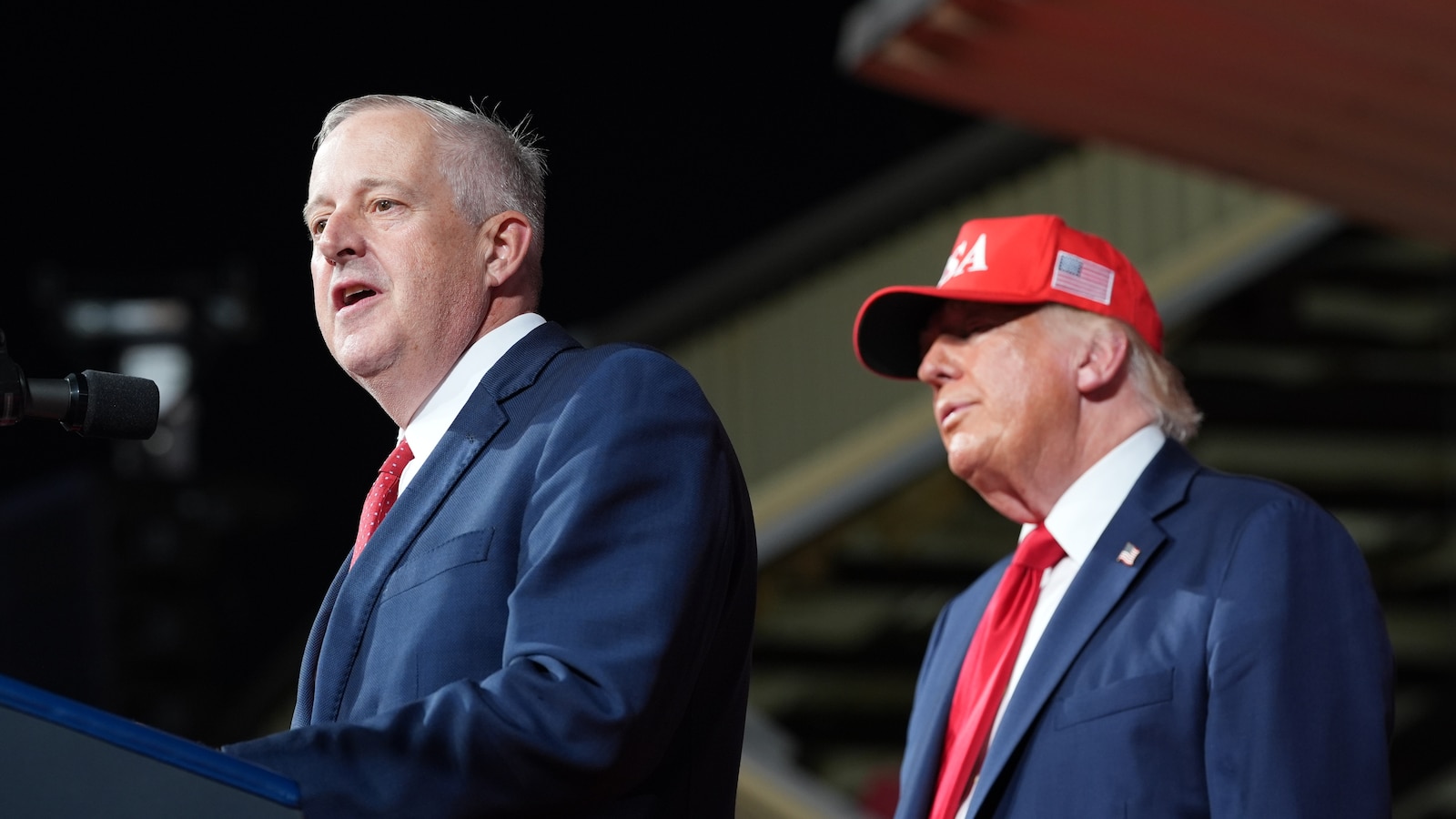
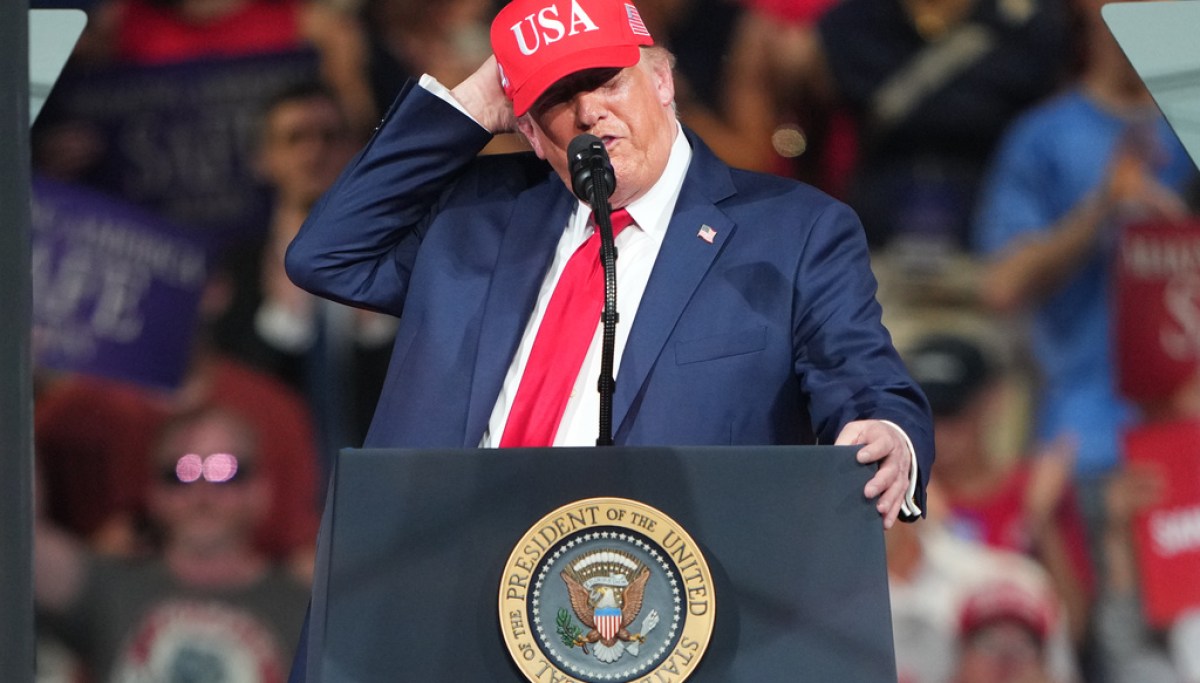
At last week’s Republican midterm convention, U.S. President Donald Trump promised that “if the Republicans win the House of Representatives and the United States Senate — both of them.…
asserted
Republicans → promise → them
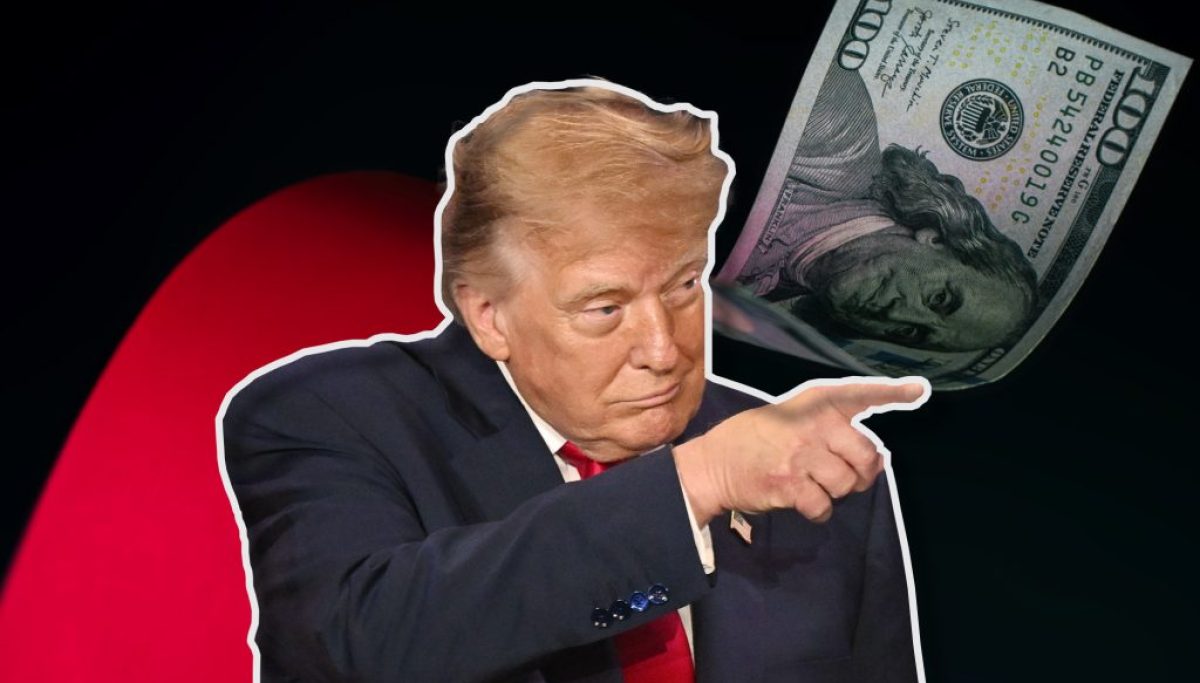
I will issue a dividend to every adult citizen in the United States of America for $5,000.”
asserted
I → issue → 5,000
His pledge combined two dumb notions — vote-buying and tariffs — into one package.
asserted
pledge → combine → package
True, Trump didn’t invent the idea of purchasing electoral support, nor is protectionism an original idea of his.
asserted
protectionism → invent → his
But the president brings brazen excess to his promotion of the awful combination.
asserted
president → bring → combination
Recommended Videos
The payments are possible, he insisted, “because our country is making so much money.”
asserted
country → insist → money
He added that it would be “very much like a successful company will do a cash distribution to its shareholders.”
asserted
company → add → shareholders
“The reason the Democrats can’t do that is because they don’t do tariffs,” he said.
asserted
he → do → tariffs
So, the promised payments to Americans will be funded by tariff income, the president says, but only if Americans vote for the Republican Party.
asserted
Americans → promise → Party
At its core, politics is usually about courting voters with promised goods and services to be funded by somebody else.
asserted
politics → court → somebody
But rarely in modern times do we see such an overt offer of pay for ballots.
asserted
we → see → ballots
Depending on how you look at it, it’s either bare-faced corruption or the distilled essence of democracy.
asserted
it → depend → democracy
Alexander Fraser Tytler, the 18th-century historian, wrote of democracy: “The people flatter themselves that they have the sovereign power.
asserted
they → write → power
It is true they elected governors; but how are these elections brought about?
asserted
elections → elect → governors
Tytler also noted that under democratically elected rulers, the people abandon “their natural liberty … as if they were under the rule of a monarch,” though the inherently authoritarian nature of all governments is a subject for another conversation.
asserted
nature → note → conversation
For the moment, it’s sufficient to focus on the observation that democracy is largely an exercise in vote-buying.
asserted
democracy → ’ → buying
Before he became America’s first president, George Washington offered evidence for that point by winning election to Virginia’s colonial-era House of Burgesses through plying voters with booze.
asserted
Washington → become → booze
Smithsonian magazine recounted that “Washington floated into office partly on the 144 gallons of rum, punch, hard cider and beer his election agent handed out — roughly half a gallon for every vote he received.
asserted
he → recount → vote
Honestly, it seems that Washington got a better bargain than the $5,000 promised by Trump.
asserted
Washington → seem → Trump
Openly buying votes — or else intimidating voters — was common through the 19th century.
asserted
buying → buy → century
The Ohio Capital Journal noted in 2020 that “Political parties would offer food, drink and inducements ranging from offers of bribes to threats of beatings to encourage voters to cast the party’s official ballot.”
asserted
parties → note → ballot
The adoption of the secret ballot largely ended the practice of overt bribery and arm-twisting.
asserted
adoption → end → bribery
Now, American politicians, like those elsewhere, try to bribe the whole electorate with promises of “free” stuff that will supposedly be paid for out of somebody else’s pocket.
asserted
that → try → pocket
Soon after the passage of his now nearly bankrupt Social Security program in 1935, President Franklin Delano Roosevelt admitted to his advisers that the scheme’s funding mechanism was economically unsound but was “politics all the way through” designed to win over voters.
asserted
mechanism → admit → voters
That’s typical.
asserted
That → ’ → ?
Since open bribery went out of fashion, politics has involved extravagant promises of goodies to be paid for by envied and resented others — or just by borrowing.
asserted
politics → go → borrowing
We see that in politicians’ proposals for government health schemes, student loan forgiveness, and more.
asserted
We → see → schemes
President Trump revived the overt bribe while insisting it would be funded by tariffs paid to the U.S. government by foreigners.
asserted
it → revive → foreigners
The problem is that trade barriers are mostly impositions on the people of the countries that impose them, not on foreign manufacturers of imported goods.
asserted
that → impose → goods
According to Kimberly Clausing and Maurice Obstfeld of the Peterson Institute for International Economics, “study after study of the 2018-19 U.S. tariffs found that U.S. buyers of imports suffered essentially the entire burden of the tariffs, with nearly complete pass-through shown in the data.”
uncertain
buyers → accord → data
The second problem is that Trump’s “dividends” commit the U.S. government to paying voters vastly more money than the government has collected in the form of import duties.
asserted
government → commit → duties
The Committee for a Responsible Federal Budget reported as much last week.
asserted
Committee → report → much
“Issuing this dividend in 2027 would cost the federal government over $1.2 trillion, which is far more than all three COVID-era stimulus payments combined, the projected cost of the President’s signature One Big Beautiful Bill Act (OBBBA) next year, and is 50% larger than the entire primary deficit projected for 2027,” it wrote.
asserted
it → issue → 2027
Despite the president’s insistence that “our country is making so much money” from tariffs, it’s not enough to fund such a vast expense.
asserted
it → make → expense
Erica York of the Tax Foundation warned that “The revenue raised by the new tariffs in 2027 would cover only about one-tenth of the cost of the promised $5,000 dividend payment.
asserted
revenue → warn → payment
It would take almost a decade of collections from the tariffs to cover the cost.
asserted
It → take → cost
That’s if tariff revenue is stable and predictable.
asserted
revenue → ’ → ?
But the president’s trade barriers are based on executive orders of dubious constitutionality that have been voided by the courts one after another.
asserted
that → base → another
The Cato Institute’s Alfredo Carrillo Obregon recently noted that “net tariff revenue has been negative since May, as the government has had to refund the tariffs invalidated by the Supreme Court earlier this year.”
uncertain
government → note → Court
And despite his love of acting unilaterally, President Trump absolutely can’t authorize $5,000 payments to every adult citizen on his own say-so, no matter how the election goes.
asserted
election → act → so
…and 4 more, not listed.
 The Aporia