Ships stranded in Gulf could pose global invasive-species threat, study says
uncertain
study → strand → threat
'Worst-case scenario' as idle vessels may carry invasive species worldwide
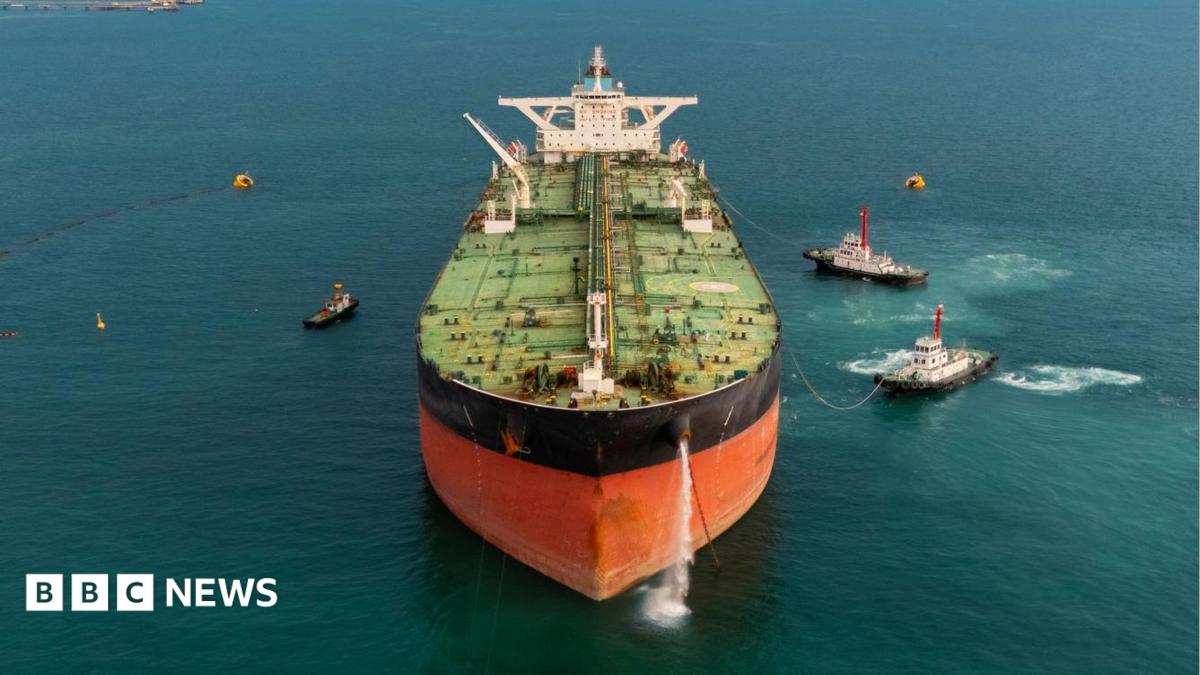
Ships stalled in the Gulf region because of the closure of the Strait of Hormuz could trigger a "super-spreader" event, with long-term environmental consequences, according to a paper published last week.
uncertain
Ships → carry → paper
The paper, published July 22 in Biological Invasions, warns that algae, barnacles, tunicates and other organisms growing on stationary vessels in the Persian Gulf and the Gulf of Oman could pose an "immense international biosecurity threat" once the ships resume travelling.
uncertain
ships → publish → threat
"If you had to design a biofoulic spreader event and you really wanted to get as many species moved around as possible, this would be it," said lead author Mario Tamburri, a professor at the University of Maryland Center for Environmental Science.
asserted
Tamburri → have → Science
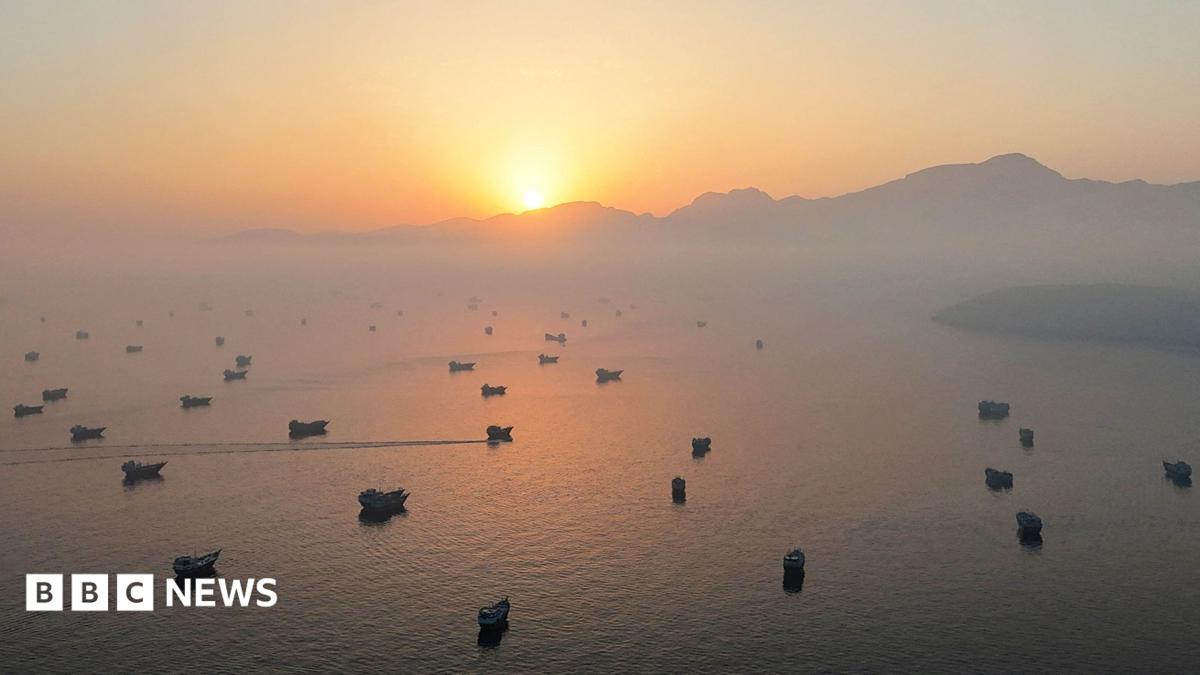
The researchers estimate about 1,500 ships are stalled in the Persian Gulf and hundreds more in the Gulf of Oman because of the strait's closure amid the U.S.-Iran war.
asserted
ships → estimate → war
Biofouling — the accumulation of organisms on ships hulls, propellers and other external surfaces — could allow invasive species to spread to ports around the world if the vessels are not properly managed, the paper says.
uncertain
paper → allow → world
Why the ships could become 'super-spreaders'
Tamburri and his co-authors describe the closure as a "worst-case scenario."
uncertain
Tamburri → become → scenario
Ships generally remain in port for one to three days and may go years between hull cleanings.
uncertain
Ships → remain → cleanings
Some vessels in the Gulf have been stationary for at least 40 times as long as usual, the researchers said.
asserted
researchers → say → Gulf
Hull coatings designed to prevent biofouling also become less effective when ships remain idle, Tamburri said.
asserted
Tamburri → design → biofouling
The number and size of the vessels, their proximity to one another and the timing of the closure increase the risk of a "super-spreader" situation, Tamburri said.
asserted
Tamburri → increase → situation
The ships became stranded as waters were warming and many organisms were beginning their growing and reproductive seasons.
asserted
organisms → become → seasons
Species that tolerate the Persian Gulf's high temperatures and salinity may also be effective invaders elsewhere, particularly as ocean temperatures rise, Tamburri said.
uncertain
Tamburri → tolerate → temperatures
Cleaning the vessels before they leave would be difficult.
asserted
they → clean → vessels
In-water cleaning companies are not equipped to handle so many ships in a short time period, he said, and sending workers into the water during a conflict would pose safety risks.
asserted
sending → equip → risks
"Ideally they would all clean before they left, but most of these ships are just going to have to leave," he said.
asserted
he → clean → ships
Species can move between ecosystems through cargo and ballast water, but researchers say biofouling has received less attention.
asserted
biofouling → move → attention
After zebra mussels appeared in the Great Lakes in the mid-1980s, governments and the shipping industry focused on species transported in ballast water, said Meghan Mathieson, director of strategy and engagement for ClearSeas, a non-profit aiming to raise awareness about marine shipping.
asserted
Mathieson → appear → shipping
"There just was less awareness of the fact that organisms can cling to the outside of a ship and then drop off in new systems," she said.
asserted
she → cling → systems
Organisms can detach or release larvae when a ship reaches another port.
asserted
ship → detach → port
If they become established, they may out-compete native species.
uncertain
they → become → species
The slimy invertebrates, which spread through biofouling and ballast water, compete with mussels on farms along Canada's East Coast.
asserted
which → spread → Coast
The International Marine Organization released an updated set of guidelines around biofouling in 2023.
asserted
Organization → release → 2023
Unlike for ballast treatment, Mathieson said there are no mandatory regulations yet but they are in the works.
asserted
they → say → works
Such species are nearly impossible to eliminate once established, said Anthony Ricciardi, a biology professor and director of McGill University's Bieler School of the Environment.
asserted
Ricciardi → eliminate → Environment
"There's a chronic cost to having an invasion once it's entrenched," he said.
asserted
he → be → invasion
Ricciardi compared marine invasions to a hub-and-spoke network: Ships carry organisms to ports, that may become new hubs for further spread.
uncertain
that → compare → spread
With so many vessels stalled in the Gulf, he said, they are likely to collect an "abundance and diversity" of organisms, increasing the risk of invasions elsewhere.
asserted
they → stall → invasions
The situation shows how geopolitical events can have ecological consequences far beyond the region where they occur, he said.
asserted
he → show → region
The scale and impact of any spread remain unknown.
asserted
scale → remain → spread
"What happens in the Strait of Hormuz will probably fuel a legacy that will keep unfolding," Ricciardi said.
asserted
Ricciardi → happen → legacy
"You have to look at it as not just a one-off, but as a major step change in the marine invasion risk worldwide, at least in areas that can accommodate these particular species."
asserted
that → have → species
Ships stranded in Gulf could pose global invasive-species threat, study says
uncertain
study → strand → threat
'Worst-case scenario' as idle vessels may carry invasive species worldwide
Ships stalled in the Gulf region because of the closure of the Strait of Hormuz could trigger a "super-spreader" event, with long-term environmental consequences, according to a paper published last week.
uncertain
Ships → carry → paper
The paper, published July 22 in Biological Invasions, warns that algae, barnacles, tunicates and other organisms growing on stationary vessels in the Persian Gulf and the Gulf of Oman could pose an "immense international biosecurity threat" once the ships resume travelling.
uncertain
ships → publish → threat
"If you had to design a biofoulic spreader event and you really wanted to get as many species moved around as possible, this would be it," said lead author Mario Tamburri, a professor at the University of Maryland Center for Environmental Science.
asserted
Tamburri → have → Science
The researchers estimate about 1,500 ships are stalled in the Persian Gulf and hundreds more in the Gulf of Oman because of the strait's closure amid the U.S.-Iran war.
asserted
ships → estimate → war
Biofouling — the accumulation of organisms on ships hulls, propellers and other external surfaces — could allow invasive species to spread to ports around the world if the vessels are not properly managed, the paper says.
uncertain
paper → allow → world
Why the ships could become 'super-spreaders'
Tamburri and his co-authors describe the closure as a "worst-case scenario."
uncertain
Tamburri → become → scenario
Ships generally remain in port for one to three days and may go years between hull cleanings.
uncertain
Ships → remain → cleanings
…and 24 more, not listed.
 The Aporia