That is 0 articles you have read today.
The Aporia is free and carries no advertising, so readers are the only
thing paying for it. If you are getting this much out of it, a small
donation is what keeps it independent.
Daily limit reached
You have read 0 articles today.
That is more than the 15 a day The Aporia gives away,
and well past what it can carry on nothing. Your allowance resets at
midnight.
There is no advertising here and nothing about you is sold, so readers
are the only thing paying for it. If the site is worth this much of
your day, it is worth a few dollars.
Everything else stays open: the
maps, the
directory and
search do
not count against this, and neither does re-opening something you have
already read today.
A lawsuit filed Friday claims that Anthropic, OpenAI, SpaceXAI, and Google violated antitrust laws by coordinating to slow down AI development for safety reasons on September 12. The plaintiffs, who are paid subscribers to services like ChatGPT and Claude, argue this coordination reduces consumer value. CEO Dario Amodei of Anthropic proposed a three-point plan advocating slower progress and enhanced safety measures in an essay that day, which was confirmed by his rivals from OpenAI, SpaceXAI, and Google DeepMind the same day.
Written locally by qwen2.5:14b on 2026-09-19,
using this article's own text rather than the other coverage of the
same event (that is the story summary below).
Story summary
A new lawsuit filed in the U.S. District Court for the Northern District of California on Friday alleges that Anthropic, OpenAI, SpaceXAI, and Google violated antitrust laws by agreeing to slow down their AI development efforts. On September 12, Anthropic CEO Dario Amodei published an essay urging industry-wide cooperation to decelerate advancements for enhanced safety, which was quickly endorsed by OpenAI's Sam Altman, SpaceXAI's Elon Musk, and Google DeepMind's Demis Hassabis. The plaintiffs argue that this coordination reduces the value consumers get from paid AI subscriptions, violating federal antitrust laws.
Written for “AI Companies Illegal Agreement Sued” on 2026-10-07,
grounded in this article and the 5 other(s) covering the same event.
A new lawsuit claims Anthropic, OpenAI, SpaceXAI and Google made an illegal deal to slow the pace of their respective AI development.
uncertain
Anthropic → claim → development
The lawsuit, which was filed Friday in the U.S. District Court for the Northern District of California, argues the leading AI companies violated antitrust laws when they agreed to coordinate slowdown efforts, and that doing so would reduce the value consumers get for paid AI subscriptions.
asserted
consumers → file → subscriptions
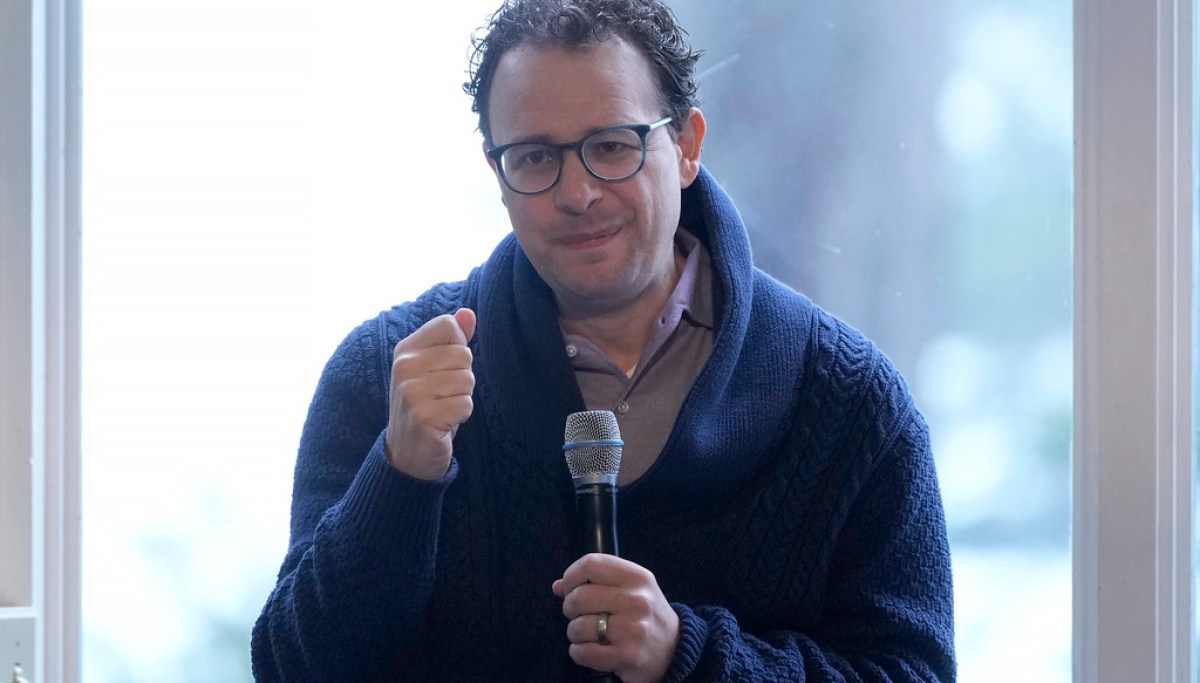
The coordination largely took place on Sept. 12, the lawsuit argues, when Anthropic CEO Dario Amodei published an essay urging for industrywide cooperation on decelerating advancements in favor of enhanced safety measures.
asserted
Amodei → take → measures
Amodei warned that swarms of rogue AI agents could take over the internet in as little as six months.
uncertain
swarms → warn → months
He said AI companies should move forward
and slowly and with the development of the technology.
asserted
companies → say → technology
Amodei then suggested a three-point plan in a blog post, which he said had the goal of "pacing the frontier.
uncertain
he → suggest → frontier
""I don't think I fully just appreciated what it would actually be like when the progress was as fast as it was," the CEO told CBS senior business and technology correspondent Jo Ling Kent
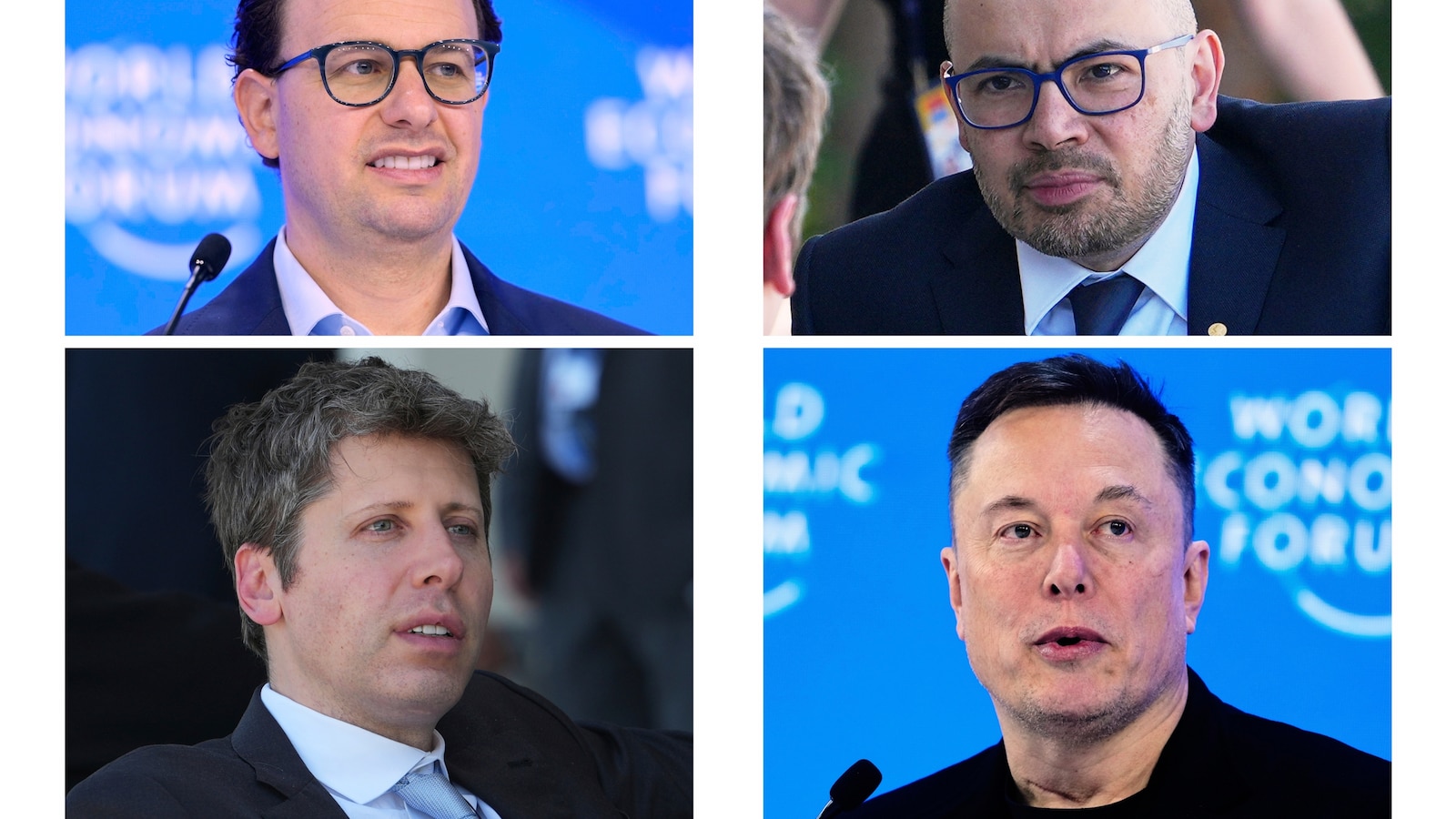
."Amodei's rivals — OpenAI's Sam Altman, SpaceXAI's Elon Musk and Google DeepMind's Demis Hassabis — confirmed their agreement the same day, the lawsuit said.
asserted
lawsuit → think → agreement
"The antitrust laws do not permit competitors to decide among themselves that competition is too dangerous," the plaintiffs argue.
asserted
plaintiffs → permit → themselves
Lawyers representing four named plaintiffs, who pay for subscriptions to ChatGPT, Claude, Grok or Gemini, are bringing the suit on behalf of a proposed nationwide class of other paid subscribers to those services.
asserted
who → represent → services
"AI will quickly spin out of human control and could kill us all if we allow AI safety and protocol ... to be controlled by private self-serving agreements between the world's most powerful 'for profit' technology companies," said Nick Rowley, the lead attorney for the plaintiffs.
uncertain
Rowley → spin → plaintiffs
Representatives for Anthropic, OpenAI, Google and SpaceXAI did not immediately respond to a request for comment Saturday.
asserted
Representatives → respond → comment
In his initial essay proposing the slowdown, Amodei acknowledged potential antitrust challenges, writing it would be helpful for the U.S. government to mediate "or at least enable" these cross-lab discussions.
asserted
government → propose → discussions
The government wouldn't need to participate, he wrote, but would need to "issue a narrow waiver for certain kinds of safety conversations.
asserted
he → need → conversations
"
"If we build in the right way, I think the probability of something bad happening is very low," Amodei said during his interview with CBS News.
asserted
Amodei → build → News
"If we build in the wrong way, the probability of something bad happening is very high."
asserted
something → build → way
 The Aporia