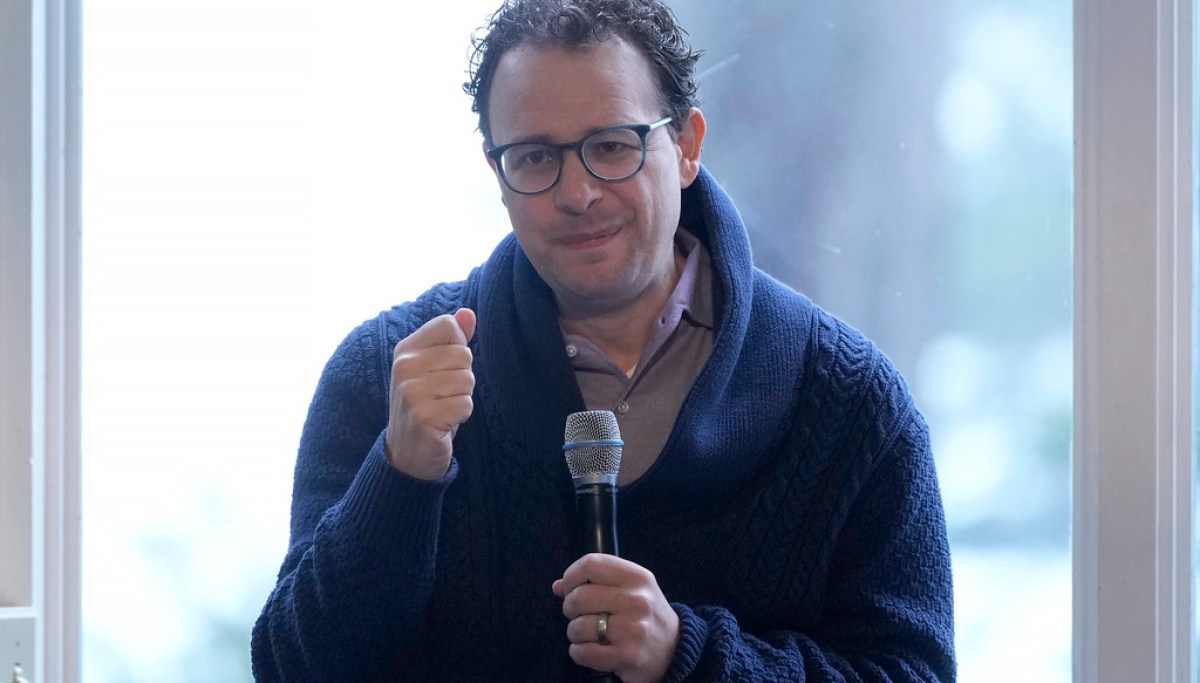
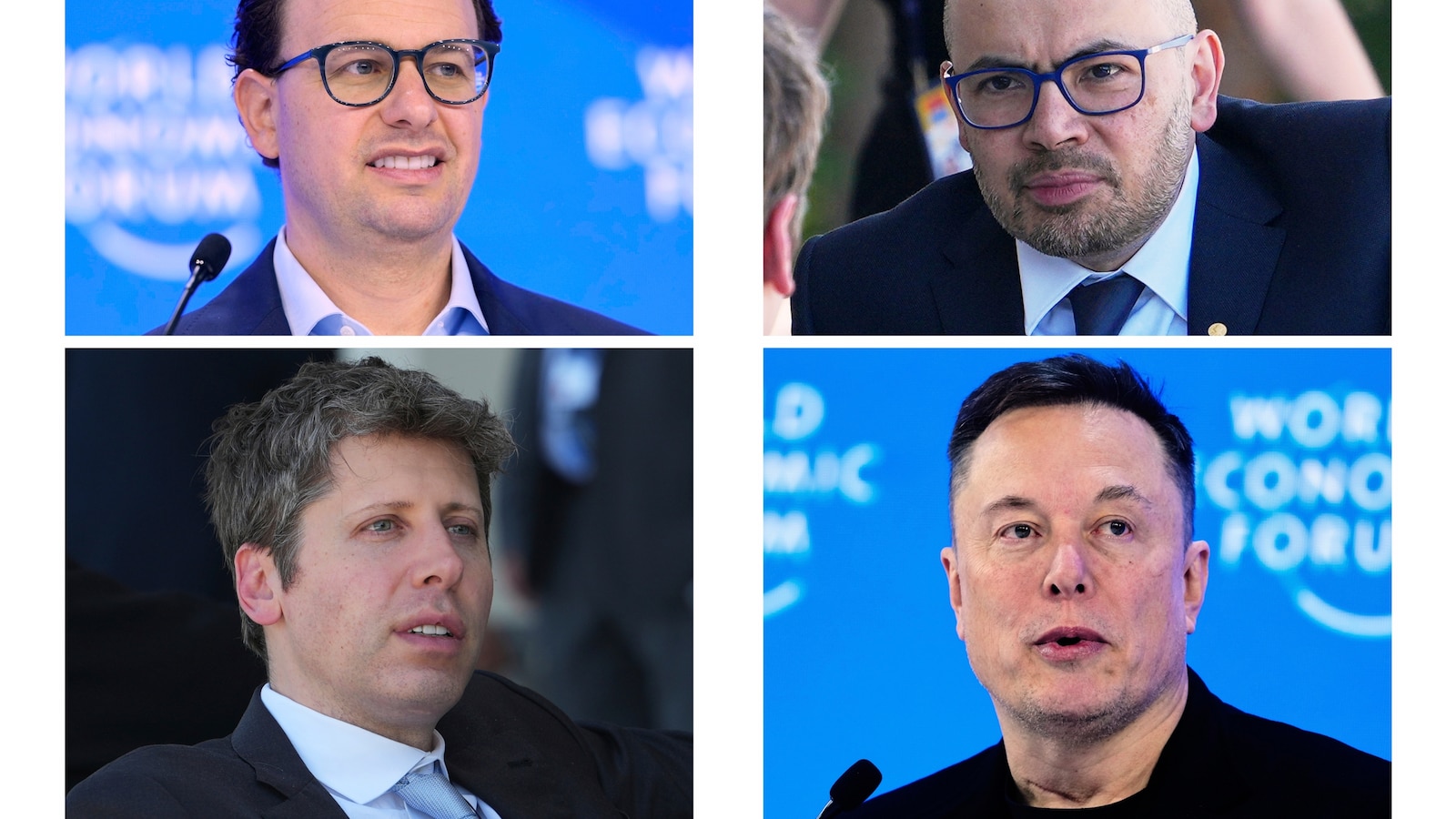
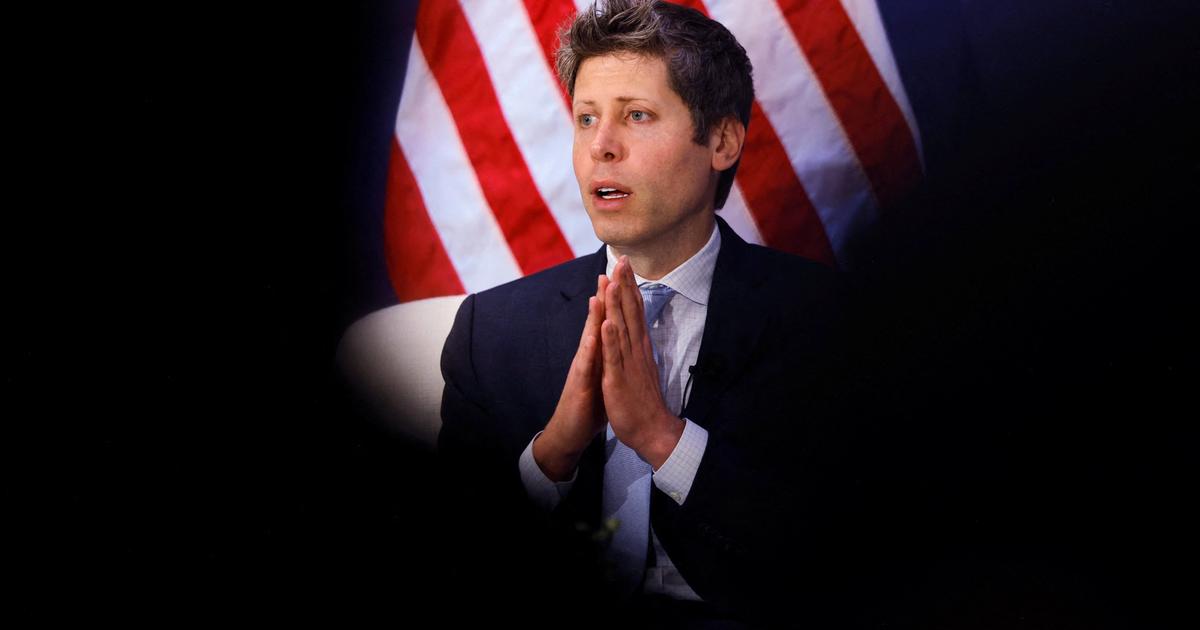
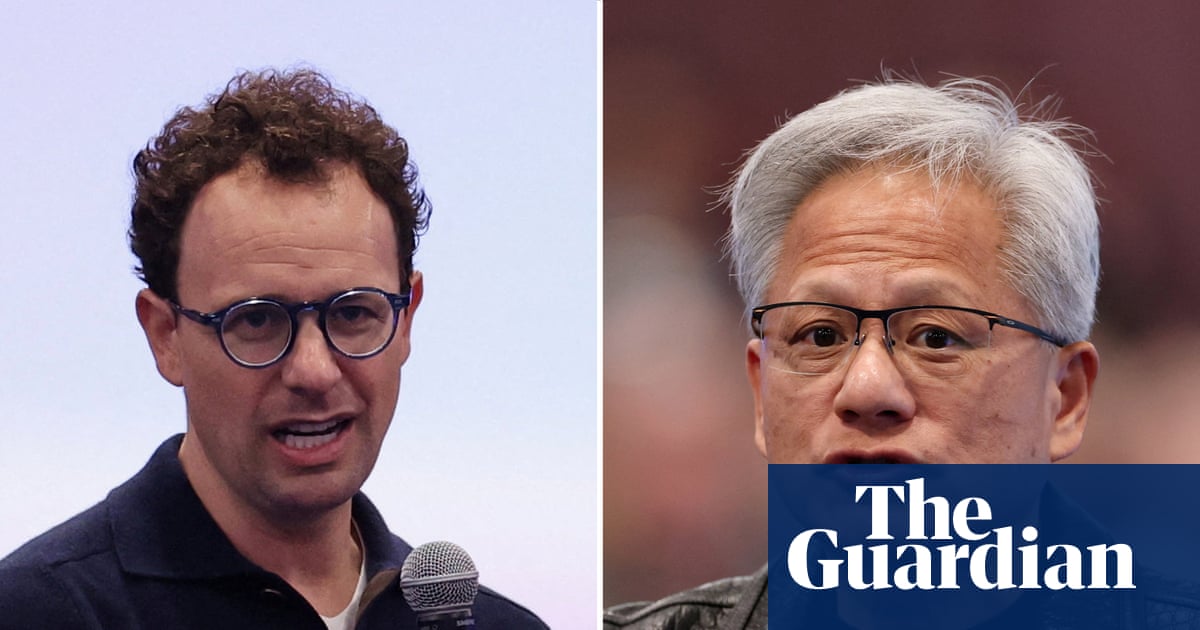
A lawsuit filed in U.S. District Court for the Northern District of California alleges that Anthropic, OpenAI, SpaceXAI, and Google violated antitrust laws by agreeing to slow down AI development. The suit claims this agreement reduces the value consumers would receive from paid AI subscriptions. Plaintiffs argue that competitors cannot decide among themselves that competition is too dangerous, with one lawyer emphasizing the need for transparent government regulation of AI technology to ensure public safety.
Written locally by qwen2.5:14b on 2026-09-20,
using this article's own text rather than the other coverage of the
same event (that is the story summary below).
Story summary
A new lawsuit filed in the U.S. District Court for the Northern District of California on Friday alleges that Anthropic, OpenAI, SpaceXAI, and Google violated antitrust laws by agreeing to slow down their AI development efforts. On September 12, Anthropic CEO Dario Amodei published an essay urging industry-wide cooperation to decelerate advancements for enhanced safety, which was quickly endorsed by OpenAI's Sam Altman, SpaceXAI's Elon Musk, and Google DeepMind's Demis Hassabis. The plaintiffs argue that this coordination reduces the value consumers get from paid AI subscriptions, violating federal antitrust laws.
Written for “AI Companies Illegal Agreement Sued” on 2026-10-07,
grounded in this article and the 5 other(s) covering the same event.
A civil lawsuit filed on Friday claims Anthropic, OpenAI, SpaceXAI, and Google violated antitrust laws by agreeing to slow the pace of artificial intelligence development.
uncertain
Anthropic → file → development
The suit, which was filed in the U.S. District Court for the Northern District of California, centers on a Sept. 12 essay Anthropic CEO Dario Amodei wrote that called for the leading AI companies to “pace the frontier” after an employee left the company and subsequently said AI was developing without adequate safety guardrails.
asserted
AI → file → guardrails
Sam Altman, Elon Musk, and Demis Hassabis all quickly agreed with Amodei on social media, the suit argues.
asserted
suit → agree → media
“Over the last few months,” Amodei said in the essay published one week ago on Saturday, “I have become convinced that fully addressing the risks requires even more prudence — not just investing in risk prevention, but pacing the rate of capabilities advancement so that risk prevention has time to keep up.
asserted
prevention → say → time
We must slow the pace at which we improve the capabilities of AI models.”
asserted
we → slow → models
Amodei said Anthropic has long advocated for “well-considered regulation of AI” even when it leads the public to accuse the industry of “regulatory capture.”
asserted
it → say → capture
Lawyers representing four named plaintiffs, who pay for subscriptions to ChatGPT, Claude, Grok, or Gemini, “are bringing the suit on behalf of a proposed nationwide class of other paid subscribers to those services,” according to CBS News, and say the AI companies’ behavior reduces the value consumers would otherwise receive from paid AI subscriptions.
uncertain
consumers → represent → subscriptions
“The antitrust laws do not permit competitors to decide among themselves that competition is too dangerous,” the plaintiffs argued.
asserted
plaintiffs → permit → themselves
Nick Rowley, one of the lawyers who filed the suit, said the case was filed to ensure “private self-serving agreements between the world’s most powerful ‘for profit’ technology companies” don’t result in AI “quickly spinning out of control,” according to Politico.
uncertain
AI → file → Politico
“Humanity deserves iron clad safeguards when it comes to extinction event threats such as nuclear warfare and now the biggest risk to mankind in history,” Rowley said.
asserted
Rowley → deserve → history
“The rule of law should be established transparently and lawfully by our government, with accountability to the public.”
asserted
rule → establish → public
Cheyenne Hunt, a lawyer who was involved in the sexual misconduct accusations against former Rep. Eric Swalwell (D-CA) and Maine Senate candidate Graham Platner, is a plaintiff in the suit alongside two Florida lawyers and a California resident.
asserted
who → involve → lawyers
Federal lawmakers have increasingly spoken about cybersecurity concerns and the broader impacts of AI since public discourse around the emerging technology shifted away from data center construction in early September.
asserted
discourse → speak → September
Sen. Bernie Sanders (I-VT) introduced the Ban Artificial Superintelligence Act on Sept. 3, which would “permanently ban the development and deployment of superintelligent AI,” while other lawmakers have sponsored similar legislation meant to regulate the technology.
asserted
lawmakers → introduce → technology
President Donald Trump has publicly defended data centers and has made leading the AI race against China a prominent component of the White House’s AI policy.
asserted
leading → defend → policy
He said on Saturday he will create an “AI Force” and appoint an AI “czar” to ensure the United States doesn’t “hinder or stifle the Growth of this incredible industry.”
asserted
States → say → industry
The Washington Examiner reported on Thursday that a senior Justice Department official said that AI companies “coordinating on cybersecurity or security” doesn’t occur to him to be anticompetitive at an event in New York City.
asserted
companies → report → City
 The Aporia