🕒 The latest on the Iran War’s popularity
Updated September 15, 2026
As the Iran War stretches into its sixth month, polls about Americans’ support for the conflict have slowed down.
asserted
polls → update → conflict
As of today, about 34 percent of Americans support the war while 58 percent oppose, according to our average.
uncertain
percent → support → average
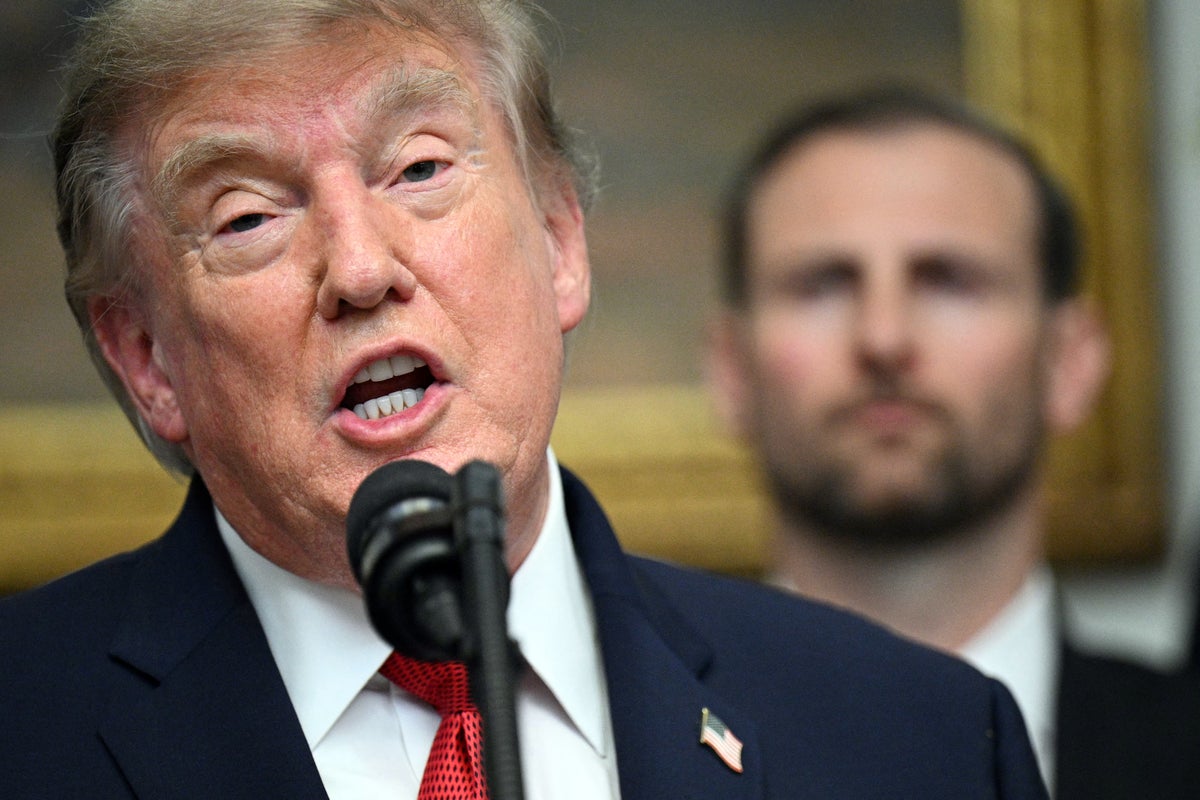
In terms of individual surveys, the latest New York Times/Siena poll found that 64 percent of Americans think that Donald Trump’s decision to go to war with Iran was the wrong decision.
asserted
decision → find → Iran
This is our landing page for polls about the Iran War1, tracking support for U.S. military action in Iran since March 1, the day after the war began.2
asserted
war → track → March
We’ll regularly update this average as new polls come in.3
asserted
polls → update → average
This page is designed to be viewed on the web rather than in our email client or the Substack app.
asserted
page → design → client
Click here for more information on how the average works.
asserted
average → click → information
The Silver Bulletin average weights more reliable polls more heavily — you can find our latest pollster ratings here.
asserted
you → weight → ratings
Our process for calculating support for the Iran War is similar to that for calculating President Trump’s approval ratings.4
The topline:
asserted
process → calculate → ratings.4
This average includes polls that ask about support for the Iran War, strikes in Iran, or U.S. military involvement in Iran.
asserted
that → include → Iran
Compared with tracking approval ratings, questions about war can be less straightforward.
asserted
questions → compare → war
Our goal is to limit the analysis to polls that ask neutral questions rather than introduce assumptions about how the war is going or its objectives.
asserted
war → limit → going
(See below for more details on how we make this assessment.)
asserted
we → see → assessment
Our default version of the ratings reflects a combination of all polls, whether conducted among adults, registered voters, or likely voters.5
The polls: What do the surveys say?
asserted
surveys → reflect → What
You can see all the numbers for each poll that feeds into our average below.
asserted
that → see → average
You can also click here to download all the Iran War numbers.
asserted
You → click → numbers
We exclude questions that:
Make presumptions about the reasons for or against the war and/or offer an assessment about whether these objectives have been met (even if respondents are offered arguments on both sides);
Ask how the war is going relative to the respondent’s expectations (i.e., “Is the war going too far”?);
Ask about President Trump’s approval on Iran, as opposed to support for the overall war operation6, or;
Ask about some particular aspect of the war (e.g. targeting nuclear facilities) rather than the overall situation.
Also, in line with longstanding Silver Bulletin policy, surveys that fail to provide the specific question wording or other key details about the poll (dates, sample frame, sample size) can’t be included.
asserted
that → exclude → poll
Polls are adjusted for house effects (i.e. persistent differences between a pollster’s findings on the war and the consensus) and are weighted based on each firm’s pollster rating and the poll’s sample size and recency.
asserted
Polls → adjust → rating
The “influence” score in the table below shows the relative importance of a poll in our current average given these considerations.7
asserted
score → show → considerations.7
As a reminder, we update this database about once per day.
asserted
we → update → day
If a poll seems to be missing, we may not have added it yet, we may be awaiting more information from the pollster, or it may contain question wording that doesn’t meet our standards for this project.
uncertain
that → seem → project
That is, all of these questions postdate the start of the war on Feb. 28; we don’t include hypothetical questions before the war was underway.
asserted
war → postdate → questions
We begin our average on March 1 because only one poll was completed on the 28th itself.
asserted
poll → begin → 28th
If you notice any bugs in the charts or missing polls, just shoot Eli a message and he’ll get them fixed as quickly as possible.
asserted
them → notice → message
Because pollsters have been asking questions about the war frequently, we apply the more aggressive settings that we use for our Trump approval tracker rather than the more conservative ones used in, for example, our Elon Musk favorability ratings.
asserted
we → ask → ratings
However, if a pollster releases multiple versions of the same survey, our hierarchy is all adults > registered voters > likely voters.
asserted
hierarchy → release → survey
That is, we prefer the broadest sample frame as we’re interested in how all Americans feel about the war.
asserted
Americans → prefer → war
We’ll admit this is a fussy distinction, but it’s fine for Trump to be mentioned in the preamble to the question so long as he isn’t the subject of the question.
asserted
he → admit → question
So, for example, “Do you approve or disapprove of the Trump administration’s decision to take U.S. military action against Iran?” is included, but “Do you approve or disapprove of President Trump’s handling of Iran” is not.
asserted
approve → approve → Iran
The influence score also reduces the weight on any one survey if a particular firm has polled about the war frequently.
asserted
firm → reduce → war
Such a firm may still have a lot of influence on the average, but essentially this weight is divided among the various recent polls it has conducted.
uncertain
it → have → polls
 The Aporia

.jpeg?width=1200&auto=webp&trim=0%2C0%2C0%2C0)