Photo via The Sydney Morning Herald

‘Total war’: The human face of the assault on Ukraine

Read the original at The Sydney Morning Herald ↗
Cite

Crowe, D. (2026, September 18). ‘Total war’: The human face of the assault on Ukraine. The Sydney Morning Herald. https://www.smh.com.au/world/europe/total-war-the-human-face-of-the-assault-on-ukraine-20260919-p60yf2.html?ref=rss&utm_medium=rss&utm_source=rss_feed

Dated when The Aporia collected the article, usually within hours of publication. Check the original for its exact date and byline.

The Sydney Morning Herald · collected 2026-09-18 · by David Crowe

Quick Summary

The article details the daily struggles of Svitlana Dvorchina and Olena Klochik, two Ukrainian mothers living in Kyiv during Russia's intensified drone and missile attacks. Both women face difficult decisions about their children’s safety while coping with personal losses: Dvorchina is a widow whose husband died from cancer six months ago, and Klochik lost her brother Maxim to combat. The text highlights the ongoing strain on civilian life as Ukrainians try to maintain normalcy amidst frequent air raid alerts and the looming winter season.
Written by AI on 2026-09-19, from this article's own text only (the story summary below draws on all the coverage).

AI analysis

Story summary

Ukrainians continue their lives despite ongoing air raid alerts and frequent Russian attacks, trying to make the most of peaceful moments amid exhaustion after more than four years of war. Svitlana Dvorchina, a 36-year-old mother in Kyiv, stays home with her children during night raids rather than go to shelters, as her kids often sleep through alarms. To protect them, she has placed their beds near the room's corner and away from windows. Her husband, Yurii, who was a professional soldier, died of cancer six months ago, leaving Svitlana alone in managing the family during wartime, highlighting the psychological toll on civilians as they endure daily threats from drone and missile strikes while maintaining normalcy for their children.

Written for “War in Ukraine” on 2026-11-18, grounded in this article and the 0 other(s) covering the same event.

Compared with similar articles

This article reads leans strongly left and hedges 8% of its claims. Each row says how that neighbour differs.
The Independent
Leans strongly left Hedges 3 of 43 claims Outlet record 59/100
“The articles describe different aspects of the Ukraine-Russia war; one discusses territorial gains and strategic assessments, while the other focuses on personal experiences during air raids in Kyiv.”
Semafor
Leans left further right than this Hedges 0 of 3 claims Outlet record 65/100
“The articles describe different events; one focuses on civilians' experiences during air raids in Ukraine, while the other reports on a massive drone attack by Kyiv against Moscow.”
ABC News (US)
Hedges 6 of 73 claims Outlet record 67/100
“The articles describe different locations and experiences of civilians under attack, with Article A focusing on Kherson and Article B on Kyiv.”
Al Jazeera
Hedges 1 of 20 claims Outlet record 60/100
“Article A describes personal experiences during a broader conflict, while Article B reports on specific attacks and casualties from that conflict on a particular day.”
The Independent
Leans left further right than this Hedges 5 of 62 claims Outlet record 59/100
“Article A focuses on a civilian's personal experience during the war, while Article B discusses the political and military responses to recent drone strikes.”
The Straits Times
Hedges 1 of 26 claims Outlet record 64/100
“While both articles describe Russian attacks on Ukraine's infrastructure, Article A discusses a broader context of ongoing war and personal experiences, while Article B specifically reports on an incident that killed seven people in Kyiv on September 23, which is likely a separate event.”
CBC News
Hedges 3 of 18 claims Outlet record 60/100
“Article A describes the immediate injuries and locations of a Russian strike on Ukraine, while Article B gives a broader human perspective on the ongoing conflict with personal anecdotes from a resident.”
ABC News (US)
Hedges 0 of 12 claims Outlet record 67/100
“Article A reports on a specific attack that injured at least 16 people, while Article B describes general experiences of living in Kyiv during the conflict without referencing this particular incident.”
BBC News
Leans left further right than this Hedges 6 of 89 claims Outlet record 65/100
“Article A focuses on a personal account of living through air raids in Ukraine, while Article B discusses the destruction of cultural sites due to Russian attacks.”
Al Jazeera
Hedges 2 of 18 claims Outlet record 60/100
“Article A describes a personal experience during an unspecified attack, while Article B reports on a specific widespread attack with casualties and power outages across multiple regions.”

Story

War in Ukraine
World · 1 article(s) covering the same event.
How this article was measured signals, leaning charts, publisher record, byline, topics and claims

Signals How these are calculated →

Claims extracted
120
sentences that state something as happening or true
Uncertain
8%
9 of 120 hedged ("reportedly", "may", "according to")
Leaning
Leans strongly left
of the writing, not the subject · beta estimate
Publisher signals
61/100
The Sydney Morning Herald's corrections and hedging, across everything collected from it. Not a measure of accuracy.
Outlets on this story
1
World
Same framing elsewhere
1
articles that frame the event the way this one does
Analyzed 2026-09-19 · how these are computed

How this is being covered How these are calculated →

Article leaning vs. publisher reliability
Source leaning vs. consistency

Publisher

The Sydney Morning Herald · 7597 article(s) · 15 correction(s) detected
Running correction rate · 15 correction(s)

Who wrote this

David Crowe
51 article(s) here · 1 carrying a prediction
More are set to join them.
Prince William has issued an urgent call for action on climate change during a visit to India to recognise major projects that help the environment.
The roadway was out of action and could not be crossed by vehicles, it said, while the railway was still standing beneath a damaged suspension arch.
UK Prime Minister Andy Burnham is treating the statement as a potential breach of prison rules because it could cause distress to victims.
This is immensely controversial in Europe where opinions are split on whether to welcome refugees or turn them away, and it may not work.
The British government will discuss plans for a “staggered” age of consent that would stop men of a certain age from having sex with much younger women after the conviction of celebrity Russell Brand for rape.
Some of the thieves targeted items of value they could easily resell.
2026-11-14 · assertive framing · Behind the riots, Europe wrestles with hard choices
One young protester told this masthead the government should freeze prices and take other action to ensure young people could afford housing.
“Don’t put anything in front of our children that you wouldn’t put in front of your own children,” he said at an event in Brussels to promote online safety.
Trump thinks he has a deal in the works with Russian President Vladimir Putin that could decide a ceasefire in Ukraine and a new security pact for Europe.
Also by David Crowe
Nothing else under this byline is closely related to this article, so these are simply their most recent.
All 51 articles by David Crowe →

Topics

Kyiv Russia Russian Ukrainian Ukrainians

Subjects

Russian NORP · 4× Kyiv GPE · 3× Yurii PERSON · 3× Artem PERSON · 2× Caritas ORG · 2× Dvorchina PERSON · 2× Eilisai PERSON · 2× Klochik PERSON · 2× Ukraine GPE · 2× Ukrainians NORP · 2×

Narrative

Ukrainians continue their lives despite the air raid alerts, trying to make the most of every peaceful moment, but the pressure is exhausting after more than four years of war. Olena Klochik weeps when she describes life under Russian attack.
framing: assertive · carried by 1 article(s) · first seen 2026-09-19
There are times at night when Svitlana Dvorchina will not leave her apartment when the air-raid alarm goes off.
2026-09-19 · The Sydney Morning Herald
‘Total war’: The human face of the assault on Ukraine · assertive framing

Claims (120 extracted, 9 hedged)

There are times at night when Svitlana Dvorchina will not leave her apartment when the air-raid alarm goes off. asserted
alarm → be → apartment
It can be more secure to stay at home, she feels, rather than join the rush to a shelter. asserted
she → stay → shelter
And her two young children can be so tired from playing in the afternoon that they sleep through the noise. asserted
they → play → noise
“They don’t hear it,” she says. asserted
she → hear → it
“Even when we have these massive night attacks on Kyiv, for example, my kids can sleep well. asserted
kids → have → example
But me, I do not sleep that way. asserted
I → sleep → ?
I hear every explosion.” asserted
I → hear → explosion
Dvorchina, 36, has moved all their beds to a corner of the room so they are as far as possible from the windows, in case a blast sends glass flying. asserted
glass → move → case
Like so many in the Ukrainian capital, she thinks about the danger from drone and missile strikes, and she knows she can wake the children and run to a damp basement or a crowded underground metro station. asserted
she → think → basement
Often, her decision is to stay with Eilisai, 11, and Artem, 6, and let them sleep. asserted
them → stay → Eilisai
She remembers what her husband, Yurii, told her earlier in the war: “Do not run away. asserted
husband → remember → war
She has to do this on her own. asserted
She → have → own
Yurii, a professional soldier, died from cancer six months ago. asserted
Yurii → die → cancer
We are talking at a care hub where parents can give their children an escape from the war. asserted
parents → talk → war
Eilisai and Artem are in a library down the corridor with a crowd of other kids listening to stories. asserted
crowd → listen → stories
Dvorchina speaks with an incredible calm about the choices she has to make as winter approaches, even though the options are fraught: she cannot afford the rent with Yurii gone, and she is not sure if the heating will work. asserted
heating → speak → rent
“It’s hard to explain what this is, but it’s definitely not life. asserted
it → ’ → ?
It’s surviving.”Olena Klochik asserted
It → survive → ?
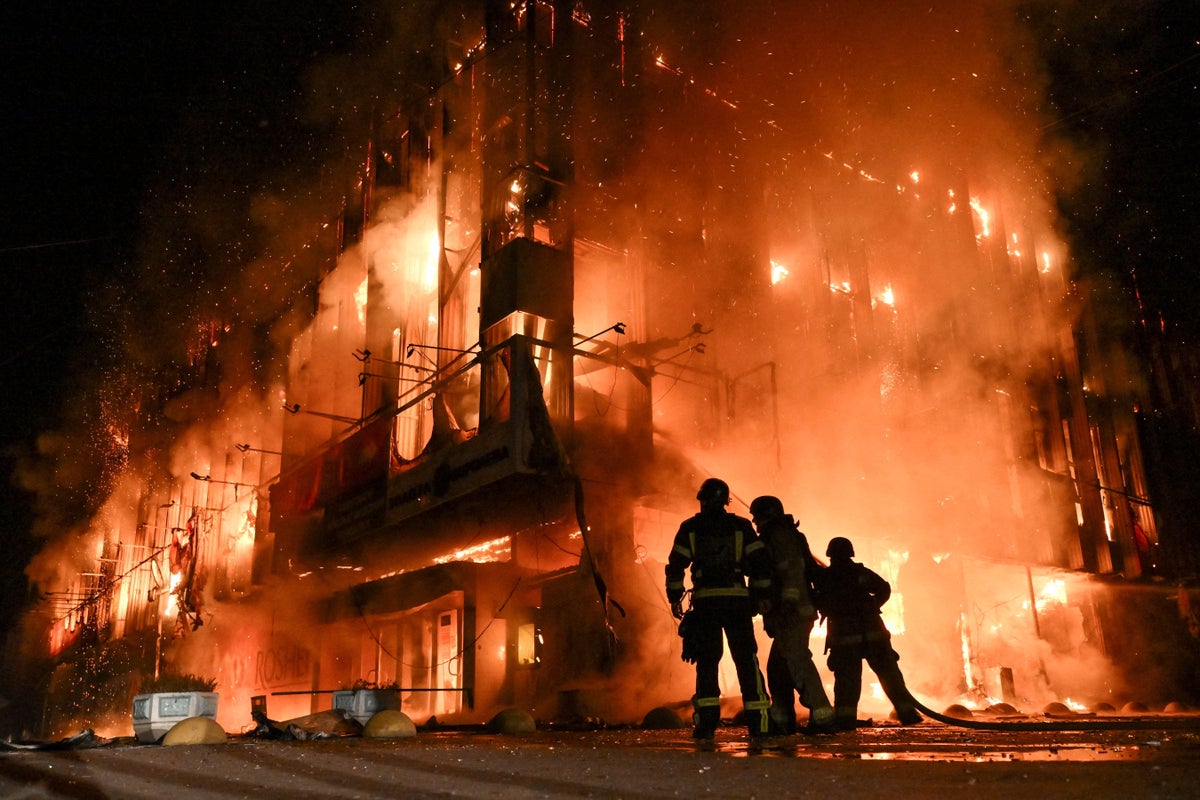
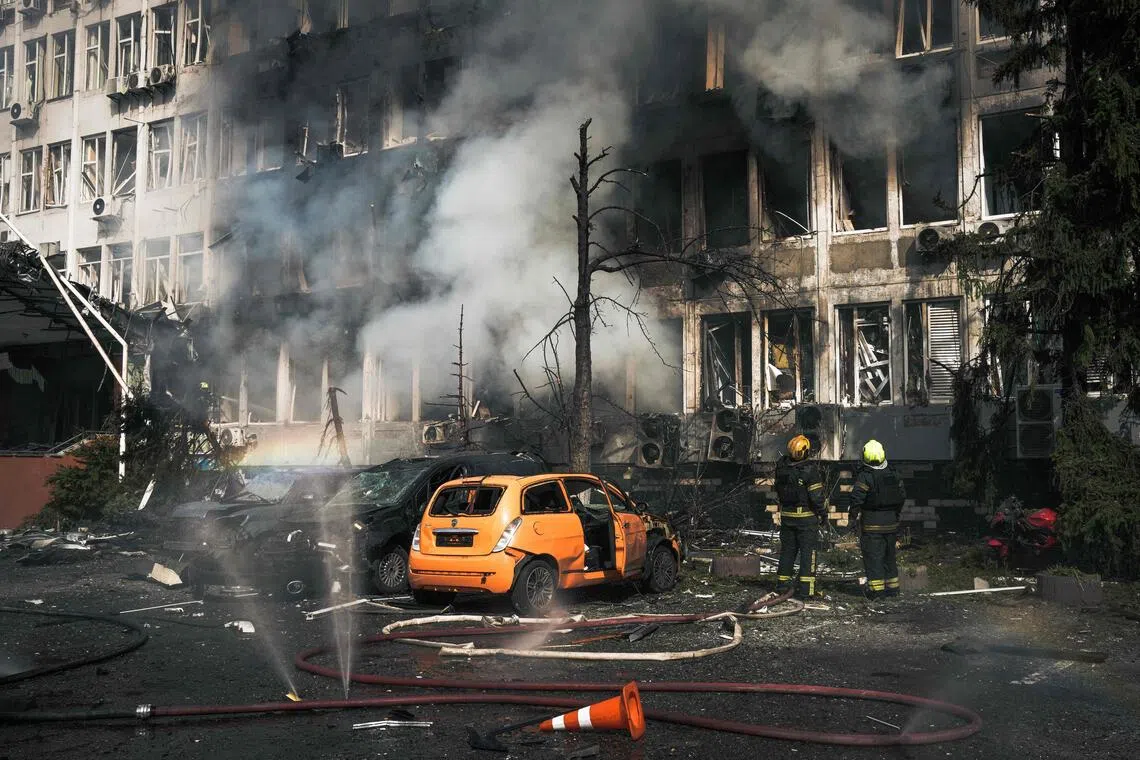
Every decision is a gamble when Russia is intensifying its drone and missile strikes. asserted
Russia → intensify → strikes
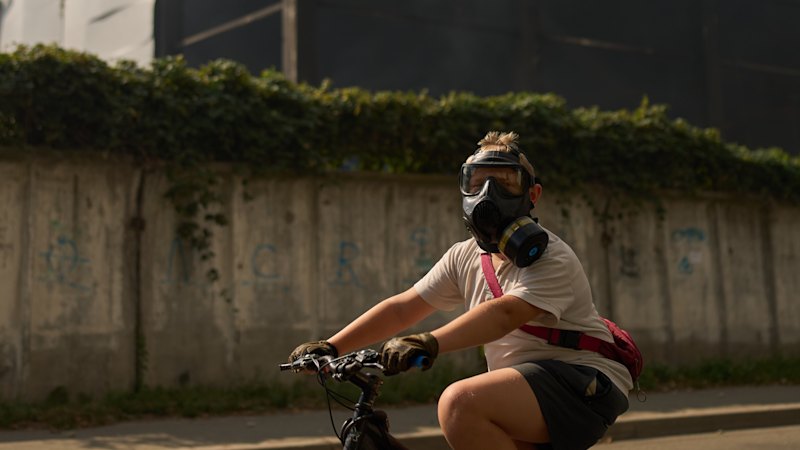
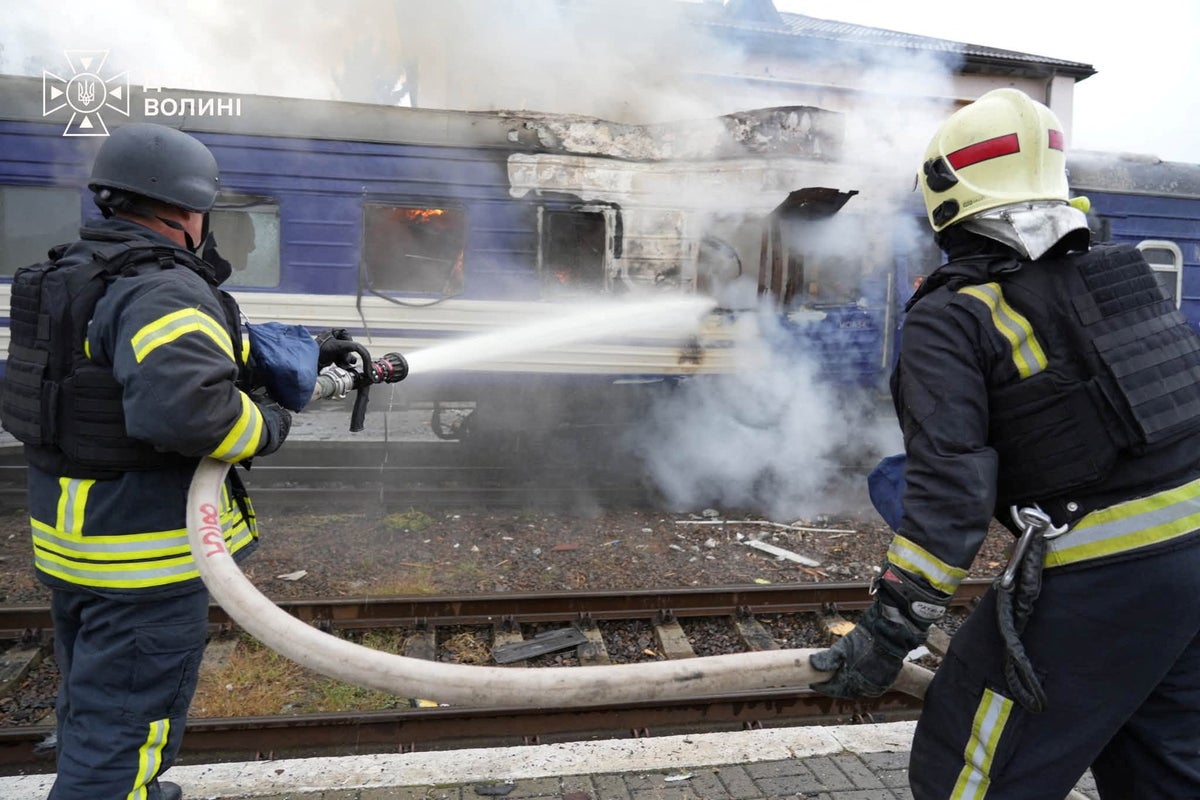
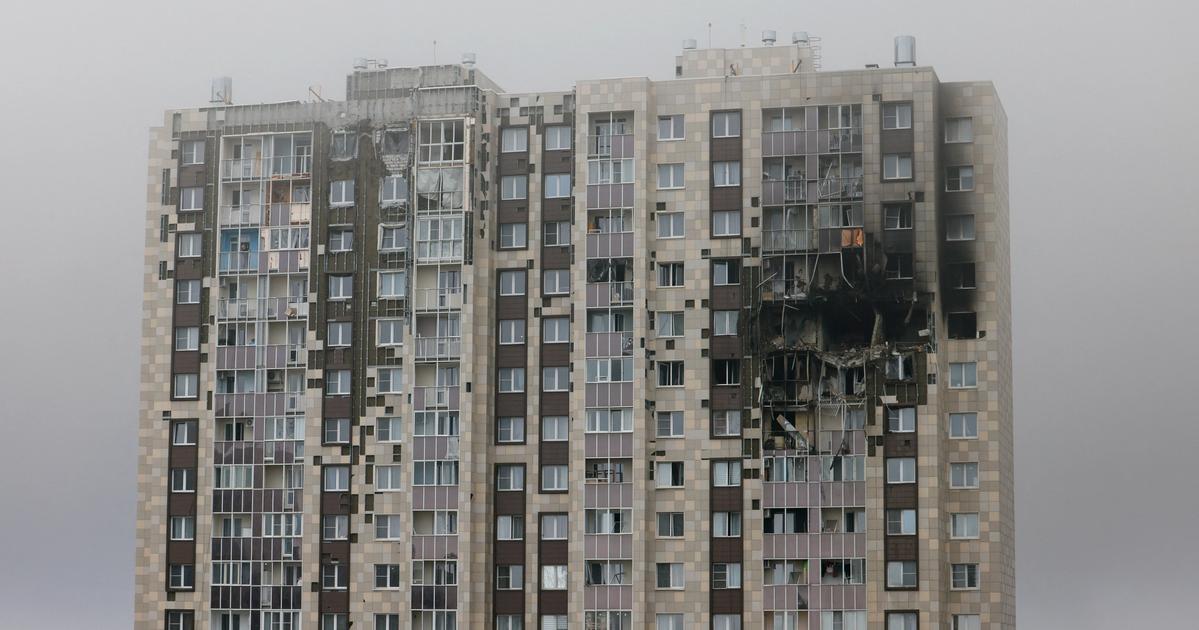
In Kyiv, people talk about “total war” from Russian attacks on civilian targets like petrol stations, passenger trains, buses and homes. asserted
people → talk → stations
Ukrainians continue their lives despite the air raid alerts, trying to make the most of every peaceful moment, but the pressure is exhausting after more than four years of war. Olena Klochik weeps when she describes life under Russian attack. asserted
she → continue → attack
“It’s a fear. asserted
It → ’ → ?
It’s not a life. asserted
It → ’ → ?
It’s surviving,” she says. asserted
she → survive → ?
“What we do is we try to catch a moment of life between air alarms.” asserted
we → try → alarms
Her tears fall as she talks. asserted
she → fall → ?
Her younger brother, Maxim, a soldier, died in eastern Ukraine one week ago. asserted
brother → die → Ukraine
He left a trench in the fighting around Pokrovsk to rescue a wounded comrade, only to be killed by a landmine. asserted
He → leave → landmine
Their mother has been asked to supply a DNA sample so he can be formally identified. asserted
he → ask → sample
Klochik, 37, is angry and distraught as she speaks about the cruelty of the war. asserted
she → speak → war
Her three children, Kyrylo, 14, Sofiia, 10, and Petro, 9, are in the library with the others while we talk. asserted
we → talk → others
“Our children have to study in the shelters,” says Klochik, speaking through a translator. asserted
Klochik → have → translator
“They always have to be somewhere hiding. asserted
They → have → ?
Here, at Caritas, I come for my children to distract them from the war. asserted
children → come → war
And here we are all together, and we do something to help our children. asserted
we → do → children
“It’s hard to explain what this is, but it’s definitely not life. asserted
it → ’ → ?
It’s surviving.” asserted
It → survive → ?
There is exhaustion in her voice, although her words do not sound like despair. asserted
words → be → despair
She says Ukraine cannot rely on US President Donald Trump and should get more help from Europe to stop the Russian attacks. asserted
Ukraine → say → attacks
“We are invincible,” she says. asserted
she → say → ?
…and 80 more, not listed.

Give feedback · no sign-in needed

No sign-in needed for now. Your note is sent without a name, so it cannot be answered.

History Support