Story summary
In January 2023, Lindsay Clancy, a 36-year-old former nurse from Duxbury, Massachusetts, killed her three young children: Cora (5), Dawson (3), and Callan (8 months). The case has been ongoing for five weeks with more than 70 witnesses called by prosecutors and 10 by the defense at Plymouth Superior Court in Massachusetts. Clancy did not testify but pleaded not guilty by reason of lack of criminal responsibility, arguing that she was experiencing postpartum psychosis at the time.
Much of the trial centered on expert testimonies from psychologists and psychiatrists who offered conflicting opinions about Clancy's mental state during the killings. Dr. Gregory Saathoff, an FBI psychiatrist, testified against her defense’s claim that a voice instructed her to kill the children, suggesting instead that she had control over her actions. The jury is now deliberating on whether Clancy will be found guilty of first-degree murder or if she can be declared not criminally responsible due to mental illness.
Outside the courtroom, Clancy's supporters, primarily women, have gathered daily to show solidarity and highlight systemic failures in maternal health care and mental support for new mothers. The case has sparked nationwide debate about legal inadequacies in dealing with such tragic scenarios under Massachusetts law. Jurors are deliberating over options including not guilty by reason of insanity or first-degree murder charges. As of the latest updates, a supporter was arrested for allegedly filming jurors outside the courthouse during their deliberations. The jury remains deadlocked as they continue to deliberate on the verdict.
Written for “Lindsay Clancy Murder Trial” on 2026-09-17,
grounded in this article and the 78 other(s) covering the same event.
The family of the holdout juror who triggered a mistrial in the Lindsay Clancy murder case say their lives have been turned upside-down following his refusal to acquit the mother, his brother says.
asserted
brother → trigger → mother
The holdout juror's brother said his family did not even know he was sitting on the high-profile murder case until the trial ended in a controversial 11-1 deadlock earlier this month.
asserted
trial → say → deadlock
The juror, who has not been publicly identified, maintained that Clancy should be found guilty, even as his fellow jurors voted to find Clancy not guilty of murdering her three young children by reason of insanity.
asserted
Clancy → identify → insanity
The juror's brother, who was not named, defended his refusal to change his vote, telling the New York Post: 'He looked at the case, and he made the call.
asserted
he → name → call
'For me, that’s how I would do it.
asserted
I → ’ → it
I would just listen to the case with all the evidence, and go from there,' he said.
asserted
he → listen → evidence
The juror's brother acknowledged that the decision had sharply divided public opinion, as he conceded it was 'good for some people, but not good for other people.'
He said his family, who he said are devoutly Catholic and are originally from Haiti, have been harassed and hounded relentlessly ever since the controversial mistrial.
asserted
he → acknowledge → mistrial
'My family cannot leave the house,' the brother said.
asserted
brother → leave → house
'People have been calling me like crazy.
asserted
People → call → me
'They are leaving notes at my mother’s house.
asserted
They → leave → house
They won’t leave us alone and we don’t know anything.'
asserted
we → leave → anything
The holdout juror who triggered a mistrial in the Lindsay Clancy murder case did not let his staunch Catholic faith override his decision to find the mother guilty, his brother has revealed
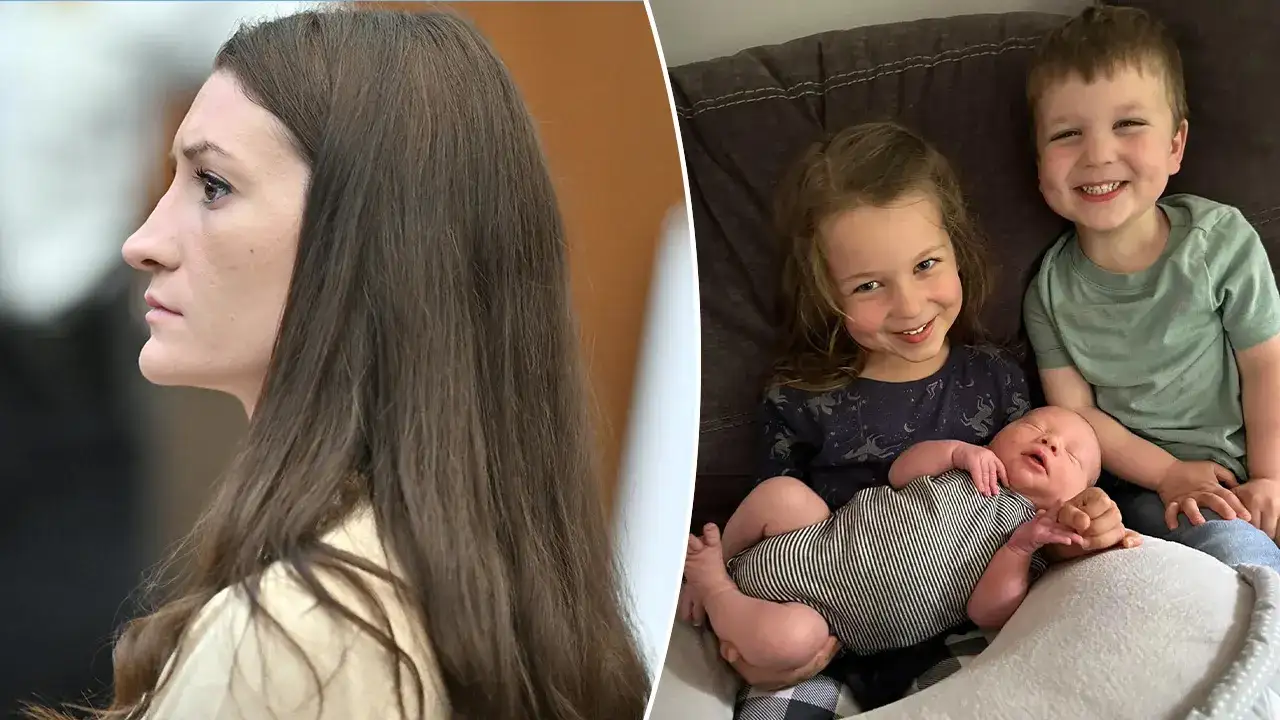
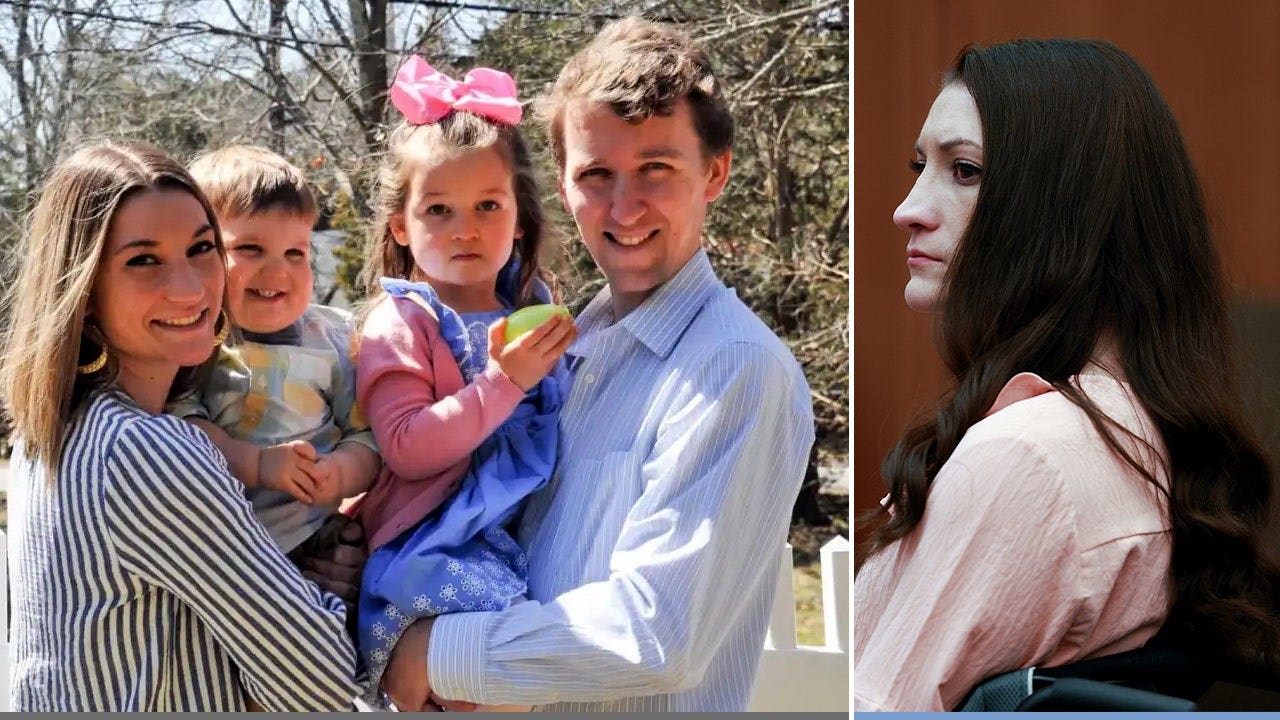
Clancy was charged with murder after strangling her three children, Cora, five, Dawson, three, and eight-month-old Callan in 2023
asserted
Clancy → trigger → 2023
The holdout jurors' brother said the tumultuous time has come as a shock to his family, as none of them had any idea that he was even involved in Clancy's case until the trial concluded on September 4.
asserted
trial → say → September
'We didn't know, that's why I was shocked,' he told the Post.
asserted
he → know → Post
'He didn't tell us anything.'
asserted
He → tell → anything
Amid reports of the holdout juror facing severe harassment and threats, Florida Governor Ron DeSantis announced that he was offering 'asylum' to the juror, saying he would be 'welcomed and appreciated' in his state.
asserted
he → face → state
Clancy's murder trial sparked national debate over whether she should be held criminally liable for the murder of her three children, Cora, 5, Dawson, 4, and Callan, 8-months.
asserted
she → spark → children
The mother admitted to strangling the children to death with exercise bands, but her defense argued she was overmedicated by doctors and suffering from severe postpartum psychosis at the time.
asserted
she → admit → time
Jurors deliberated for almost a full week, but the trial ended in an 11-1 deadlock.
asserted
trial → deliberate → deadlock
Prosecutors are yet to announce if they will re-try Clancy for murder.
asserted
they → announce → murder
Reports surfaced following the trial that the holdout juror had faced charges of domestic violence in 2021, but he was never prosecuted and the charges were dropped.
asserted
charges → surface → 2021
The reports raised questions over how the juror was admitted to the case, as potential jurors are required to disclose if they have ever been arrested or charged with a crime in the past.
asserted
they → raise → past
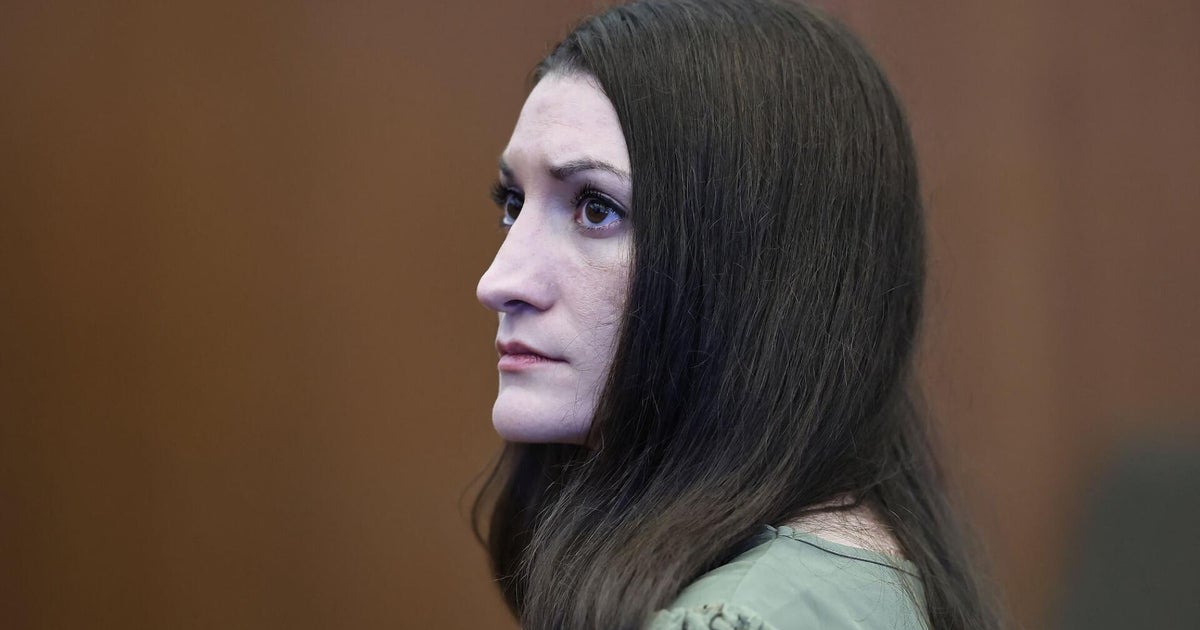
Clancy seen with her defense attorney Kevin Reddington as her case was declared a mistrial on September 4
Clancy has not denied that she killed her three children, but argued she should be found not guilty by reason of insanity as she was suffering from postpartum psychosis at the time
The juror reportedly divorced his wife following the 2021 incident, and in 2025 the juror was alleged to have also attacked his nephew by shoving him to the ground and striking him in the face, according to reported restraining order documents.
The juror was also not prosecuted over that incident, and others close to the holdout juror praised him as a church-going family man.
The owner of a local garage told the Post he is a 'really nice guy', and said he is known around the community for going to the local church.
uncertain
he → see → church
'He paid for a lady the other day who couldn’t pay her gas,' the garage owner said.
asserted
owner → pay → gas
'She said, ‘I can’t pay.’
asserted
I → say → ?
And he went right over and paid her bill.'
asserted
he → go → bill
He added that the juror remarried recently, and when his new wife came by the garage recently, 'She said the media has been crazy and they're gonna lay low for a while.'
asserted
they → add → while
Another of the jurors, Paula Devlin, previously told the Daily Mail of her frustrations with the holdout juror during deliberations, saying he lectured his peers about 'respect' during their tough conversations.
Devlin, 65, told how 11 of the 12 jurors who decided Clancy was not guilty of murder or manslaughter in the deaths of her kids felt 'defeat' and 'anger' when a mistrial was declared after the lone male juror refused to acquit the former nurse.
asserted
juror → tell → nurse
Devlin, who works for a government contractor, said the holdout juror made 'no sense' when pressed on his reasons for his vote and was 'quiet' for most of the week-long deliberations.
asserted
juror → work → deliberations
Paula Devlin, 65, told the Daily Mail how the holdout juror in the Lindsay Clancy trial lectured his peers about 'respect' and focused on the amount of blood found in the bedroom
Cora, five; Dawson, three; and Callan, eight months, were found strangled to death at their home in Duxbury, Massachusetts on January 24, 2023
Devlin said the holdout juror refused to engage when quizzed about his refusal to acquit Clancy.
'We asked the lone juror, what are the things that are making you think that she's guilty, and we asked him, and he didn't want to write on the board.
'
asserted
he → tell → board
He didn't say a word, and so one of the jurors jumped up and said, 'I'll write for you,' and then he said the things that he said, and then we talked about each one of those things.'
asserted
we → say → things
 The Aporia