That is 0 articles you have read today.
The Aporia is free and carries no advertising, so readers are the only
thing paying for it. If you are getting this much out of it, a small
donation is what keeps it independent.
Daily limit reached
You have read 0 articles today.
That is more than the 15 a day The Aporia gives away,
and well past what it can carry on nothing. Your allowance resets at
midnight.
There is no advertising here and nothing about you is sold, so readers
are the only thing paying for it. If the site is worth this much of
your day, it is worth a few dollars.
Everything else stays open: the
maps, the
directory and
search do
not count against this, and neither does re-opening something you have
already read today.
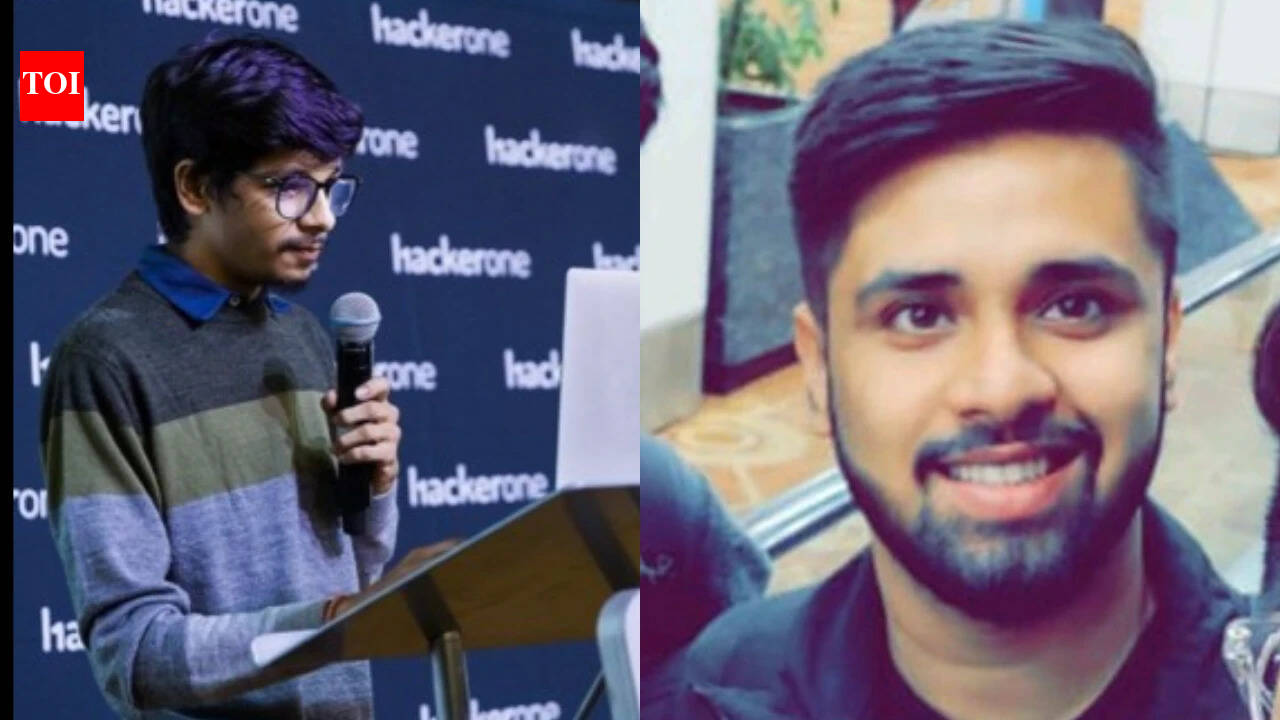
Cybersecurity researchers Harsh Jaiswal, Mohan Pedhapati, and Rahul Maini from Hacktron AI used Anthropic's Claude AI to uncover and exploit vulnerabilities in OpenAI’s systems, gaining access to employee accounts and an internal code repository within 72 hours. They spent less than $3,000 on AI tokens and were awarded a $6,500 bounty by OpenAI for responsibly disclosing their findings. The attack began with exploiting a vulnerability in Discourse's image-processing software at OpenAI’s community forum, allowing them to chain this with other weaknesses to penetrate further into the system.
Written locally by qwen2.5:14b on 2026-09-18,
using this article's own text rather than the other coverage of the
same event (that is the story summary below).
Story summary
In September, cybersecurity researchers at Hacktron AI used Anthropic’s Claude chatbot to breach OpenAI’s internal systems, gaining access to employee accounts and an internal GitHub repository. The researchers discovered a flaw in OpenAI's public help forum hosted by Discourse, which they exploited within 72 hours. They reported the issue immediately, and OpenAI fixed it within 14 hours while paying Hacktron a $6,500 bounty. The incident highlights how quickly AI can be repurposed for cyberattacks, despite efforts to ensure ethical use through bug-hunting programs like this one.
Written for “AI Breach Risks” on 2026-10-05,
grounded in this article and the 7 other(s) covering the same event.
Three Indian-origin cybersecurity researchers, Harsh Jaiswal, Mohan Pedhapati and Rahul Maini, demonstrated how Anthropic's Claude AI could be used to exploit vulnerabilities and gain access to OpenAI employee accounts and the company's internal code repository, Wall Street Journal reported.
uncertain
Journal → demonstrate → accounts
The researchers, who work at cybersecurity startup Hacktron AI, carried out the research in July 2026 while investigating security weaknesses at leading AI companies.
asserted
who → work → companies
They eventually chained two separate vulnerabilities to move from OpenAI's public community forum to employee ChatGPT and Codex accounts and then to an internal GitHub repository.
asserted
They → chain → repository
The researchers said the entire chain, from their initial discovery to demonstrating access to OpenAI's internal repository, took less than 72 hours.
asserted
chain → say → hours
They spent under $3,000 on AI tokens and won a bounty of $6,500 after they disclosed the issues to OpenAI.
asserted
they → spend → OpenAI
How did the researchers get into OpenAI's systems?
asserted
researchers → get → systems
The attack began at community.openai.com, OpenAI's community and help forum, which is operated using the third-party platform Discourse.
asserted
which → begin → platform
Hacktron researchers discovered that specially crafted HEIC/HEIF image files could exploit a vulnerability in the image-processing software used by Discourse.
uncertain
files → discover → Discourse
The vulnerability was linked to the `libheif` image-decoding library and could allow remote code execution — essentially giving an attacker the ability to execute commands on the affected server.
uncertain
vulnerability → link → server
However, gaining control of the forum server alone did not provide direct access to OpenAI's internal code.
asserted
gaining → gain → code
To safely demonstrate proof of access without viewing sensitive IP or source code, they used a compromised employee's Codex account to submit a harmless pull request to OpenAI's internal private repository
They prominently used Anthropic's Claude AI models (spending under $3,000 in API tokens) to help write, debug, and port the binary exploits faster, showcasing how offensive AI capabilities accelerate vulnerability research.
asserted
capabilities → demonstrate → research
Then they reported the findings responsibly through Bugcrowd and HackerOne to OpenAI and Discourse.
asserted
they → report → OpenAI
OpenAI patched the identity issue shortly after notification and awarded them a $6,500 bug bounty.
asserted
OpenAI → patch → bounty
In a statement to Forbes, OpenAI spokesperson Drew Pusateri said the company thanked the researchers “for contacting us and sharing their findings,” and noted that it had resolved the vulnerability.
asserted
it → say → vulnerability
No brand name, colleges or companies'
Tech commentator Deedy Das pointed out that none of the three researchers had any big college name on their CVs.
asserted
none → point → CVs
"Here are the LinkedIns of the 3 Indian guys who hacked OpenAI with Opus 5 in 2 days for <$3000:
Rahul Maini, Mohan Pedhapati and Harsh Jaiswal.
asserted
who → hack → 3000
You can just do things," Das posted.
asserted
Das → do → things
 The Aporia